FICTION / African American / General · History · Underground Railroad
The Underground Railroad by Colson Whitehead — Summary, Key Ideas & Quotes
2000378 pages✦ 3-min Big ideas★ 4.0 (51)
Rate it
Cora is a slave on a cotton plantation in Georgia. Life is hell for all the slaves, but especially bad for Cora; an outcast even among her fellow Africans, she is coming into womanhood—where even greater pain awaits. When Caesar, a recent arrival from Virginia, tells her about the Underground Railroad, they decide to take a terrifying risk and escape. Matters do not go as planned—Cora kills a young white boy who tries to capture her. Though they manage to find a station and head north, they are being hunted. In Whitehead’s ingenious conception, the Underground Railroad is no mere metaphor—engineers and conductors operate a secret network of tracks and tunnels beneath the Southern soil. Cora and Caesar’s first stop is South Carolina, in a city that initially seems like a haven. But the city’s placid surface masks an insidious scheme designed for its black denizens. And even worse: Ridgeway, the relentless slave catcher, is close on their heels. Forced to flee again, Cora embarks on a harrowing flight, state by state, seeking true freedom. Like the protagonist of Gulliver’s Travels, Cora encounters different worlds at each stage of her journey—hers is an odyssey through time as well as space. As Whitehead brilliantly re-creates the unique terrors for black people in the pre–Civil War era, his narrative seamlessly weaves the saga of America from the brutal importation of Africans to the unfulfilled promises of the present day. The Underground Railroad is at once a kinetic adventure tale of one woman’s ferocious will to escape the horrors of bondage and a shattering, powerful meditation on the history we all share.
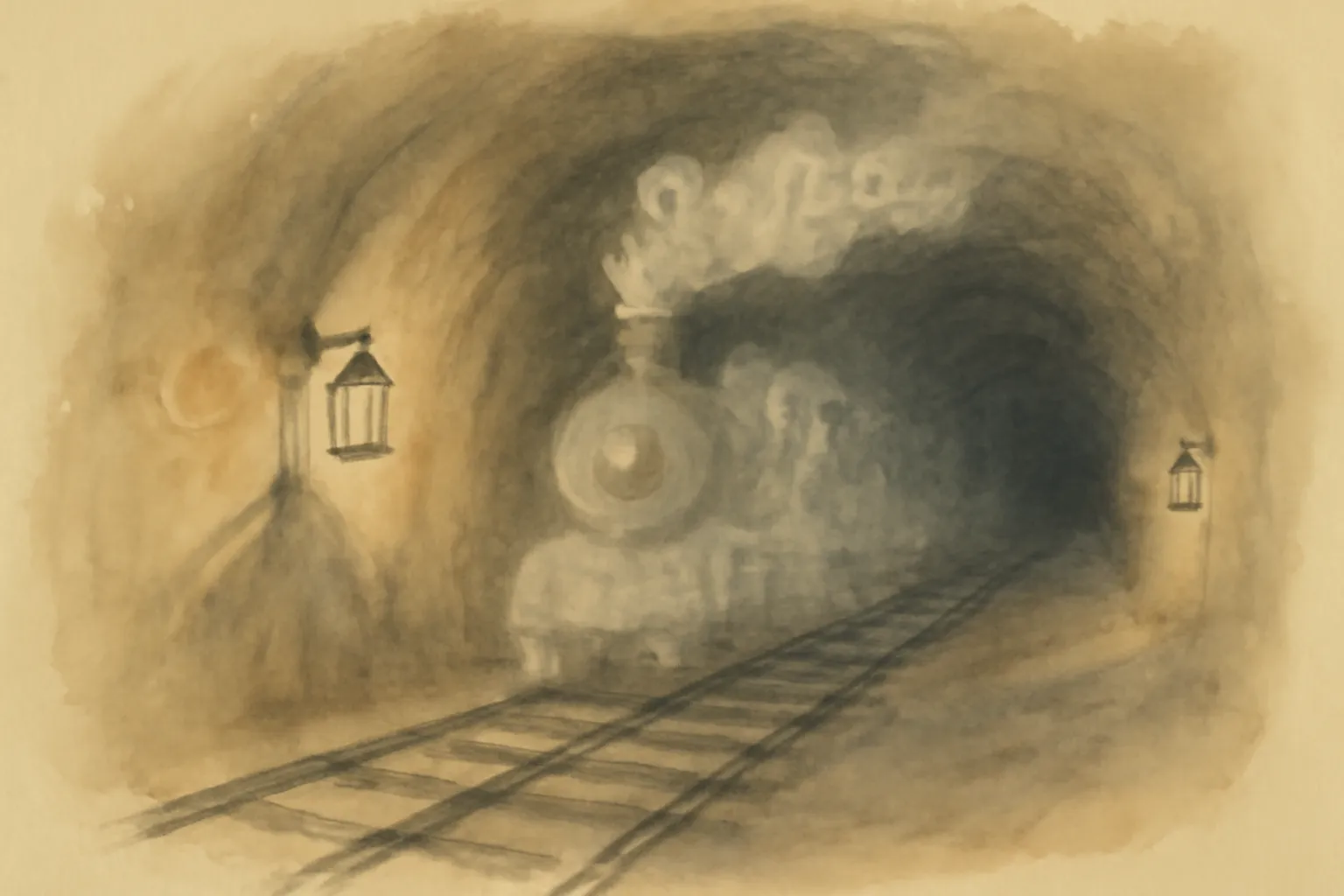
Whitehead reimagines the Underground Railroad as an actual subterranean train system, blending historical realism with fantastical elements. This narrative choice amplifies the horror and absurdity of slavery, making the reader confront both the literal and psychological tunnels that enslaved people navigated. The novel’s shifting settings—each state presenting a different dystopian vision—reflect how oppression mutates across time and place, inviting readers to see American history as both singular and disturbingly repeatable.
Cora’s journey is a testament to the indomitable human spirit in the face of relentless dehumanization. Her flight is not just a physical escape, but a quest for self-determination and dignity. Whitehead refuses to romanticize the struggle: each new refuge is fraught with its own dangers, exposing the false comfort of supposed safe havens. The novel asks whether true freedom is possible in a society built on exploitation—and what it costs to pursue it.
“If you want to see what this nation is all about, you have to ride the rails. Just look outside as you speed through, and you’ll see the true face of America.”
“Stolen bodies working stolen land. It was an engine that did not stop, its hungry boiler fed with blood.”