1.History as Living Nightmare and Surreal Allegory
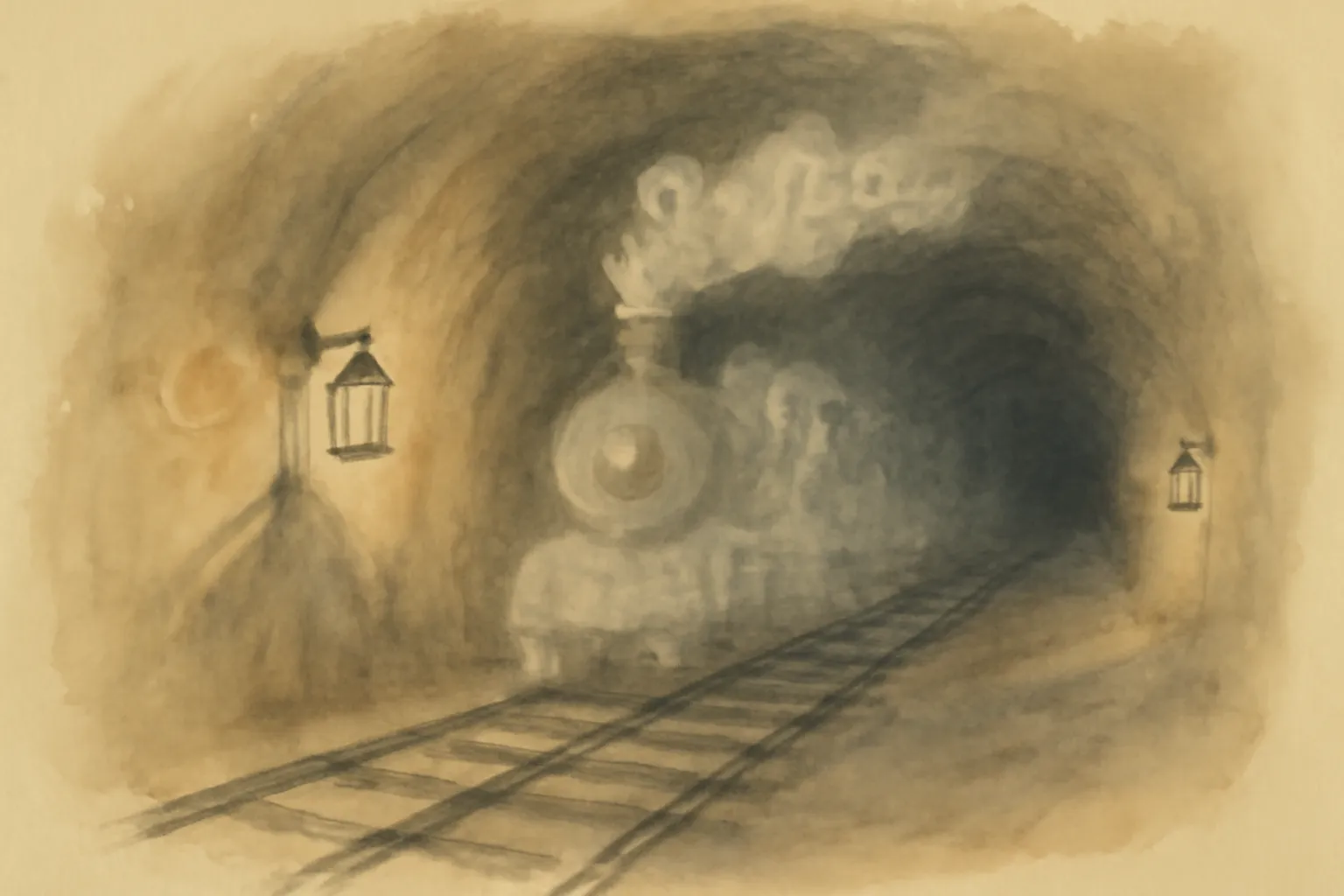
Whitehead reimagines the Underground Railroad as an actual subterranean train system, blending historical realism with fantastical elements. This narrative choice amplifies the horror and absurdity of slavery, making the reader confront both the literal and psychological tunnels that enslaved people navigated. The novel’s shifting settings—each state presenting a different dystopian vision—reflect how oppression mutates across time and place, inviting readers to see American history as both singular and disturbingly repeatable.
2.The Relentless Pursuit of Freedom
Cora’s journey is a testament to the indomitable human spirit in the face of relentless dehumanization. Her flight is not just a physical escape, but a quest for self-determination and dignity. Whitehead refuses to romanticize the struggle: each new refuge is fraught with its own dangers, exposing the false comfort of supposed safe havens. The novel asks whether true freedom is possible in a society built on exploitation—and what it costs to pursue it.
3.America’s Many Faces of Racism
Through Cora’s travels, Whitehead exposes the varied and insidious forms racism has taken in American history. South Carolina’s apparent benevolence masks medical experimentation and forced sterilization; North Carolina practices outright genocide. By presenting these horrors as distinct but interconnected, the novel critiques the myth of progress and reveals how racism adapts to survive. Each state becomes a microcosm of a different American sin.
4.The Power and Limits of Solidarity
The Underground Railroad’s network of conductors, station agents, and allies demonstrates the risks and moral courage required to resist injustice. Yet, Whitehead also shows the limits of solidarity: betrayals, fear, and self-preservation are ever-present. Cora’s isolation—even among fellow fugitives—underscores the loneliness of her struggle and the difficulty of forging trust in a world shaped by violence and suspicion.
5.Memory, Trauma, and the Inheritance of Pain
Cora is haunted by her mother’s escape and her own violent acts, carrying generational trauma that shapes her sense of self. Whitehead explores how the past is never truly past for those who survive atrocity. The novel’s structure, with interludes that delve into the histories of secondary characters, emphasizes how personal and collective memory are intertwined, and how trauma is both endured and transmitted.
6.Storytelling as Resistance
By reclaiming and reimagining the story of the Underground Railroad, Whitehead asserts the importance of narrative in shaping history and identity. The novel itself becomes an act of resistance, challenging sanitized versions of the past and insisting on the complexity and agency of its Black characters. Through Cora’s story, the book invites readers to confront uncomfortable truths and to recognize the power of fiction to illuminate reality.