
In 'The Vision of Desire,' the intertwining lives of love, ambition, and personal growth unfold against the backdrop of stunning Swiss landscapes
Read full overviewShow less›
Margaret Pedler's 'The Vision of Desire' is a richly woven tale that explores the complexities of love, friendship, and the pursuit of dreams. Set in the picturesque Swiss town of Montricheux, the story follows Ann Lovell, a young woman navigating her feelings for Tony Brabazon while grappling with her own aspirations and the legacies of her past. The narrative captures the essence of human emotion, the beauty of nature, and the struggles of the heart. Readers will find themselves immersed in a world where desire shapes destinies, and the quest for happiness leads to profound self-discovery. With its engaging characters and evocative settings, the novel invites reflection on what it truly means to pursue one's desires amidst life's uncertainties.
In 'The Vision of Desire,' Margaret Pedler crafts a poignant narrative that captures the essence of human experience through the lens of love, ambition, and self-discovery. The intertwining lives of Ann, Tony, and the supporting characters reveal the complexities of relationships and the impact of societal expectations. As they navigate their desires and confront their pasts, readers are invited to reflect on their own journeys toward fulfillment. The novel ultimately champions the pursuit of dreams, the courage to embrace change, and the transformative power of love and forgiveness. Pedler's rich storytelling and vivid imagery ensure that the themes resonate long after the final page is turned, encouraging readers to seek their own gardens of happy hours.
- 1The Garden of Dreams
- 2The Weight of Legacy
- 3Friendship and Romantic Entanglements
- 4The Influence of Setting
- 5The Quest for Identity
Notable quotes
“Beyond the hill there's a garden fair— My garden of happy hours.”
“Dream-flowers grow in that garden, Blossom of sun and showers.”
“There, withered hopes may bloom anew, Dreams long forgotten shall come true.”
A glimpse inside

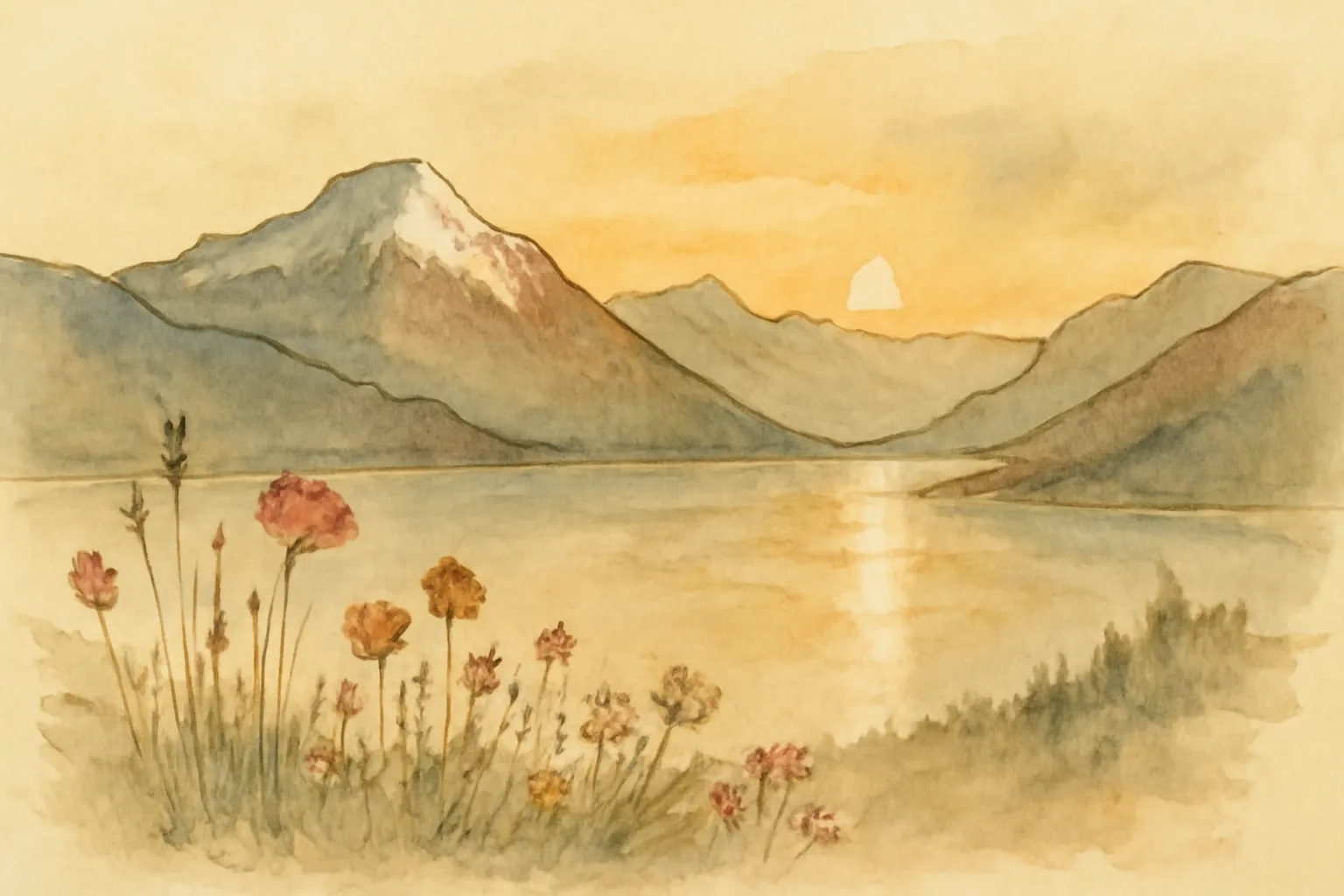
The novel opens with a letter that metaphorically represents a garden of dreams, where hopes and desires can blossom anew. Read moreThe novel opens with a letter that metaphorically represents a garden of dreams, where hopes and desires can blossom anew. This garden symbolizes the potential for personal growth and transformation that exists beyond the immediate challenges of life. The letter's poetic language suggests that love and desire can lead not only to emotional fulfillment but also to profound personal change. As the characters engage with their feelings and ambitions, they discover that past disappointments do not have to define their futures. Ann's journey highlights the importance of nurturing one's dreams, reflecting the idea that the heart's desires are often interconnected with personal fulfillment. The garden motif recurs throughout the narrative, reminding readers that, just like flowers, dreams require care and attention to flourish. Reflecting on her experiences, Ann learns that embracing both beauty and pain is essential for cultivating her own garden of dreams. Show less
Ann Lovell's character is shaped by her family history and the legacy of her father, which influences her decisions and relationships. Read moreAnn Lovell's character is shaped by her family history and the legacy of her father, which influences her decisions and relationships. The novel explores how the weight of family expectations can impact personal choices, as Ann grapples with the burden of her past. Her longing for independence clashes with the memories of her father's struggles, creating internal conflict. Pedler skillfully illustrates how Ann's father's ideals and failures haunt her, making her question her own worthiness. This theme resonates with readers who may relate to the challenge of reconciling personal desires with familial obligations. Ann's reflections on her father's life and their shared past emphasize the idea that acknowledging and understanding one's legacy can lead to empowerment rather than constraint. Ultimately, the novel suggests that the true path to freedom involves confronting the past while forging a new identity, allowing Ann to reclaim her narrative and pursue her own passions. Show less
Read the full text — free
About the author
Read Margaret Pedler's work free on Lumina — the complete text plus an 8-minute summary and key ideas, no account needed