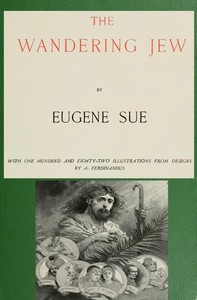

The Wandering Jew is an epic exploration of morality, redemption, and the intertwined destinies of humanity
Read full overviewShow less›
Eugène Sue's 'The Wandering Jew' unfolds a sprawling narrative that intricately weaves together themes of suffering, morality, and the quest for redemption through a rich tapestry of characters and settings. Set against the backdrop of 19th-century Europe and colonial Asia, the novel delves into the complexities of human nature, interrogating the dualities of good and evil, love and hatred, and freedom and oppression. Readers are introduced to a diverse cast, from the tortured Wandering Jew to resilient orphans and valiant soldiers, all navigating the moral quagmires of their existence. As the characters grapple with fate, societal expectations, and personal choices, the novel ultimately poses profound questions about humanity's capacity for compassion and the possibility of redemption, making it a timeless reflection on the human condition.
In 'The Wandering Jew,' Eugène Sue crafts a rich narrative that transcends time and place, exploring universal themes of morality, suffering, and the quest for redemption. Through a diverse cast of characters, the novel invites readers to reflect on their own lives and the complexities of the human experience. The interplay between fate, societal influences, and personal choices underscores the profound impact of relationships and the enduring hope for transformation. As readers traverse the landscapes of this epic journey, they are reminded that within the tapestry of life, the threads of love, friendship, and redemption weave a narrative that resonates across generations. Ultimately, Sue's masterpiece serves as a testament to the resilience of the human spirit in the face of adversity.
- 1The Nature of Morality: A Dual Perspective
- 2Fate and Free Will: The Interplay of Destiny
- 3Suffering: The Universal Human Experience
- 4Societal Influences and Class Disparities
- 5Redemption: An Ever-Present Quest
A glimpse inside

At the heart of 'The Wandering Jew' is a profound exploration of morality, revealing that good and evil often coexist within individuals. Read moreAt the heart of 'The Wandering Jew' is a profound exploration of morality, revealing that good and evil often coexist within individuals. Characters such as Morok, initially introduced as a brutal lion-tamer, exemplify this duality. His life is marked by acts of cruelty towards animals and people, yet he is driven by a desire for acceptance and a tortured conscience stemming from his past. The transformation of Morok from a self-serving figure to one seeking redemption highlights the complexities of moral choices and the potential for change. Similarly, Dagobert, the soldier tasked with protecting the orphans, embodies honor and selflessness, yet he is also confronted by moral dilemmas that test his character. These intricate portrayals challenge the notion of fixed morality, suggesting that it is influenced by personal circumstances, choices, and societal pressures. The characters' journeys provoke readers to reflect on their own moral compass and consider the fluidity of right and wrong. Show less
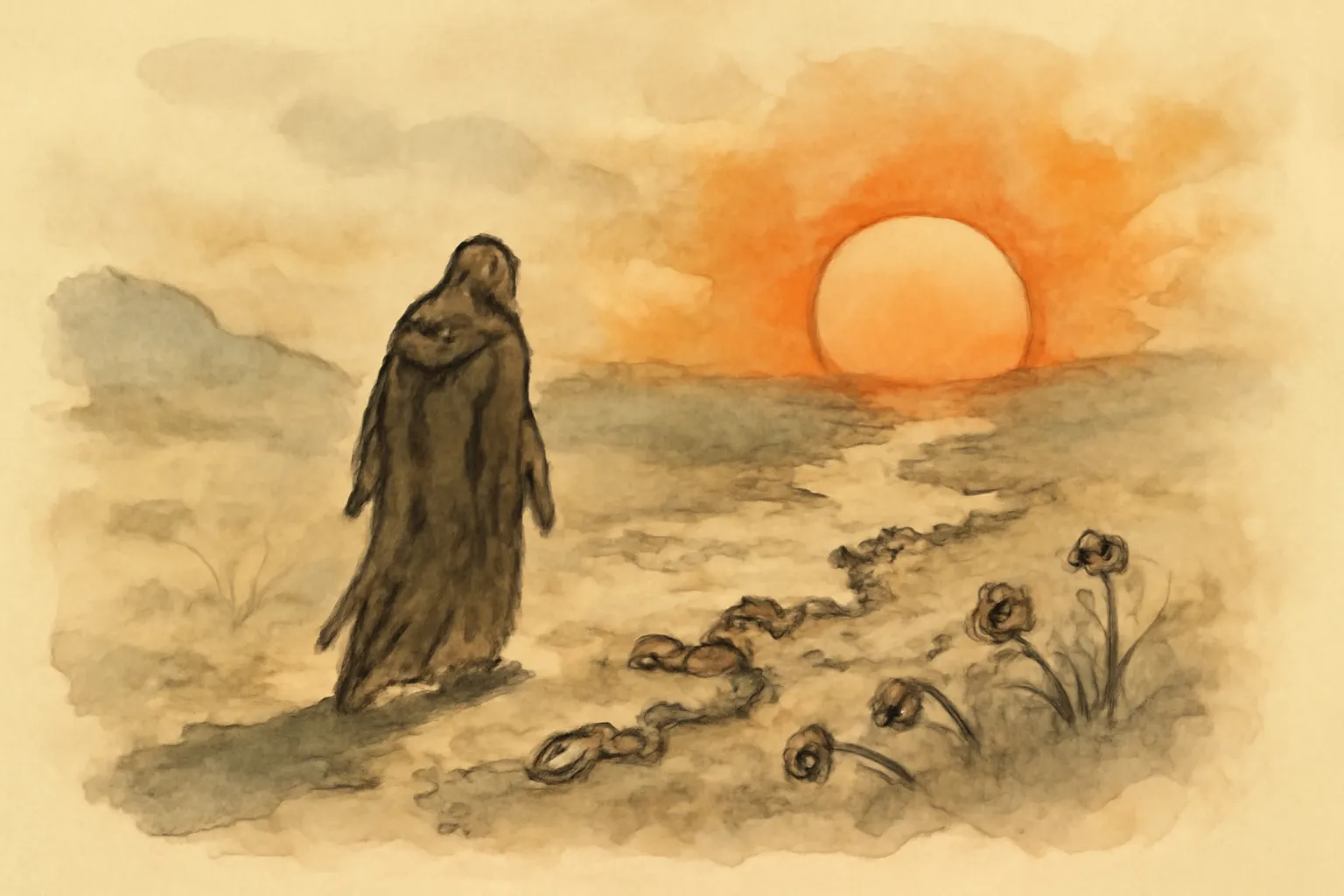
Fate serves as a powerful undercurrent throughout 'The Wandering Jew,' dictating the characters' paths in ways both expected and unforeseen. Read moreFate serves as a powerful undercurrent throughout 'The Wandering Jew,' dictating the characters' paths in ways both expected and unforeseen. The titular Wandering Jew symbolizes the struggle against the inexorable forces of fate, condemned to wander the earth for eternity due to his transgressions. His eternal punishment serves as a metaphor for humanity's quest for meaning amid suffering and injustice. As characters forge their paths, the narrative illustrates how destiny intertwines with individual actions, highlighting the unpredictability of life. For instance, Dagobert's journey to rescue the orphans leads him to confront his own fears, while Rose and Blanche's search for identity is shaped by external events beyond their control. This interplay between free will and predetermined fate invites readers to contemplate the extent to which their choices shape their destinies and the consequences of those choices on their lives and the lives of others. Sue crafts a compelling argument that while fate may set the stage, it is ultimately human action that determines the outcome. Show less
Read the full text — free
About the author
Read Eugène Sue's work free on Lumina — the complete text plus an 8-minute summary and key ideas, no account needed