1.The Setting: War as a Character
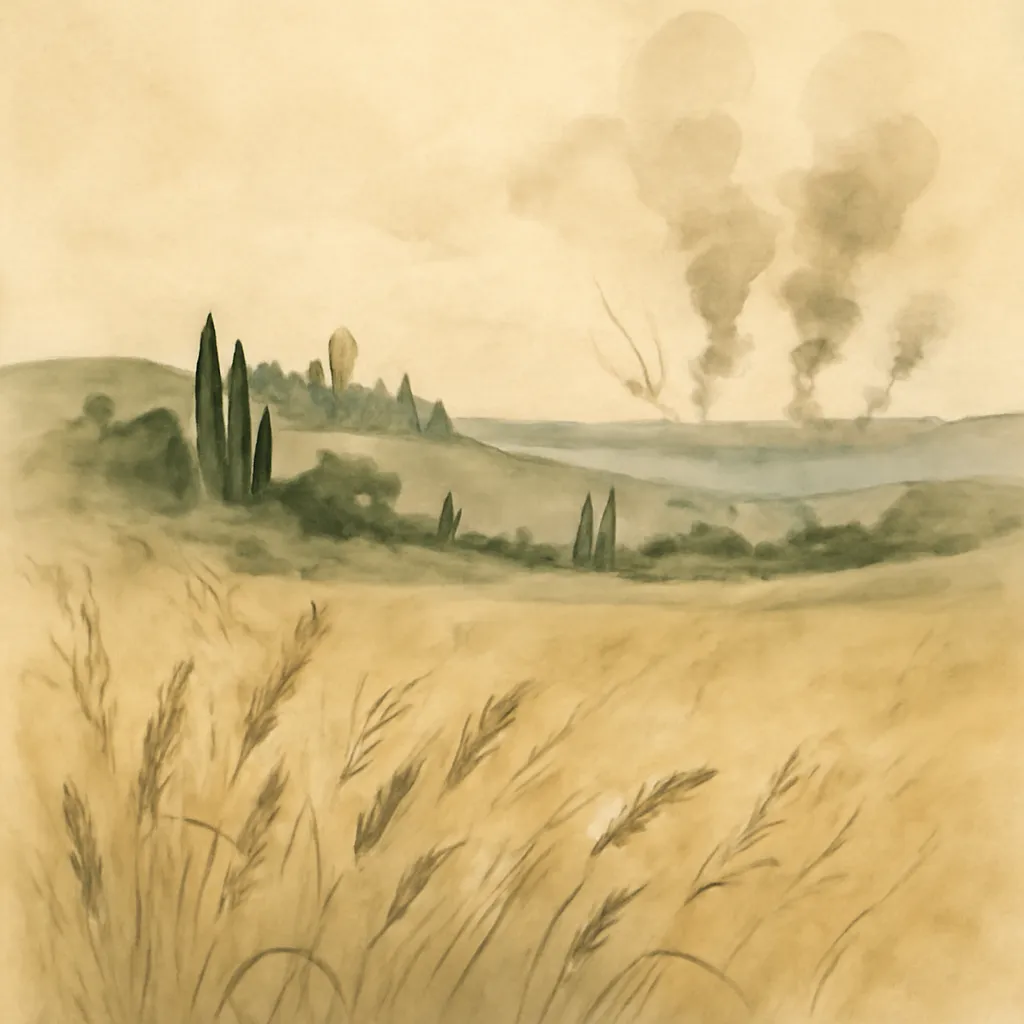
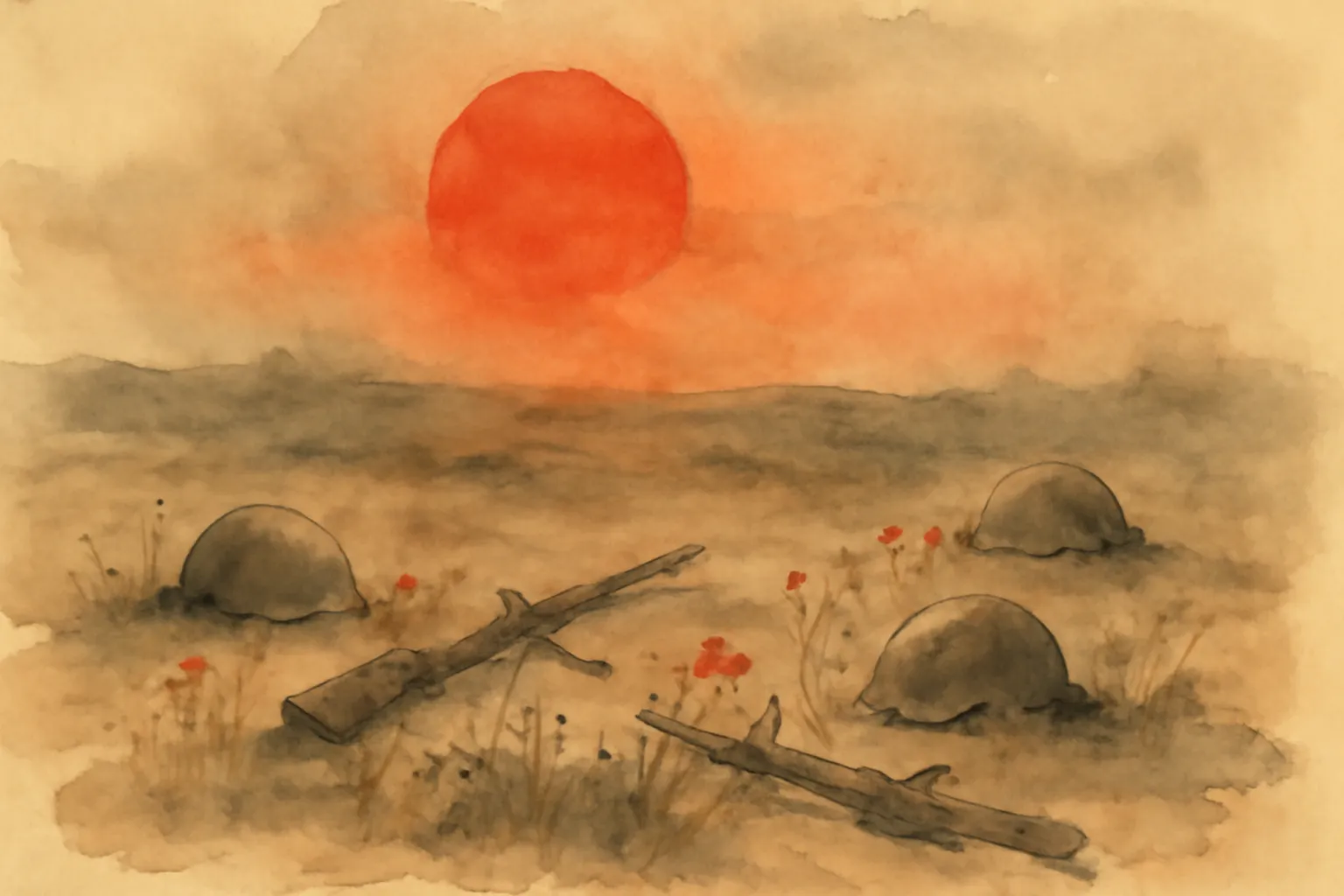
The backdrop of World War I is not merely a setting but an active participant in the narrative. The descriptions of the Italian landscape, with its rich crops and majestic mountains, contrast sharply with the devastation brought by war. This duality is emphasized through vivid imagery, as Hemingway describes the 'clear and swiftly moving' river juxtaposed against the 'dust' raised by troop movements. The sounds of marching troops and the sight of artillery flashes illuminate the omnipresence of war. This environment shapes the characters' experiences, influencing their thoughts and actions. The beauty of nature exists alongside the brutality of conflict, symbolizing the tension between peace and chaos. The landscape, rich with life, becomes a haunting reminder of what is at stake, making the war's impact feel more immediate and personal. Through this lens, readers are invited to reflect on how war transforms not just the physical world but also the emotional landscape of human lives, breeding despair and hope in equal measure.
2.Camaraderie and Isolation
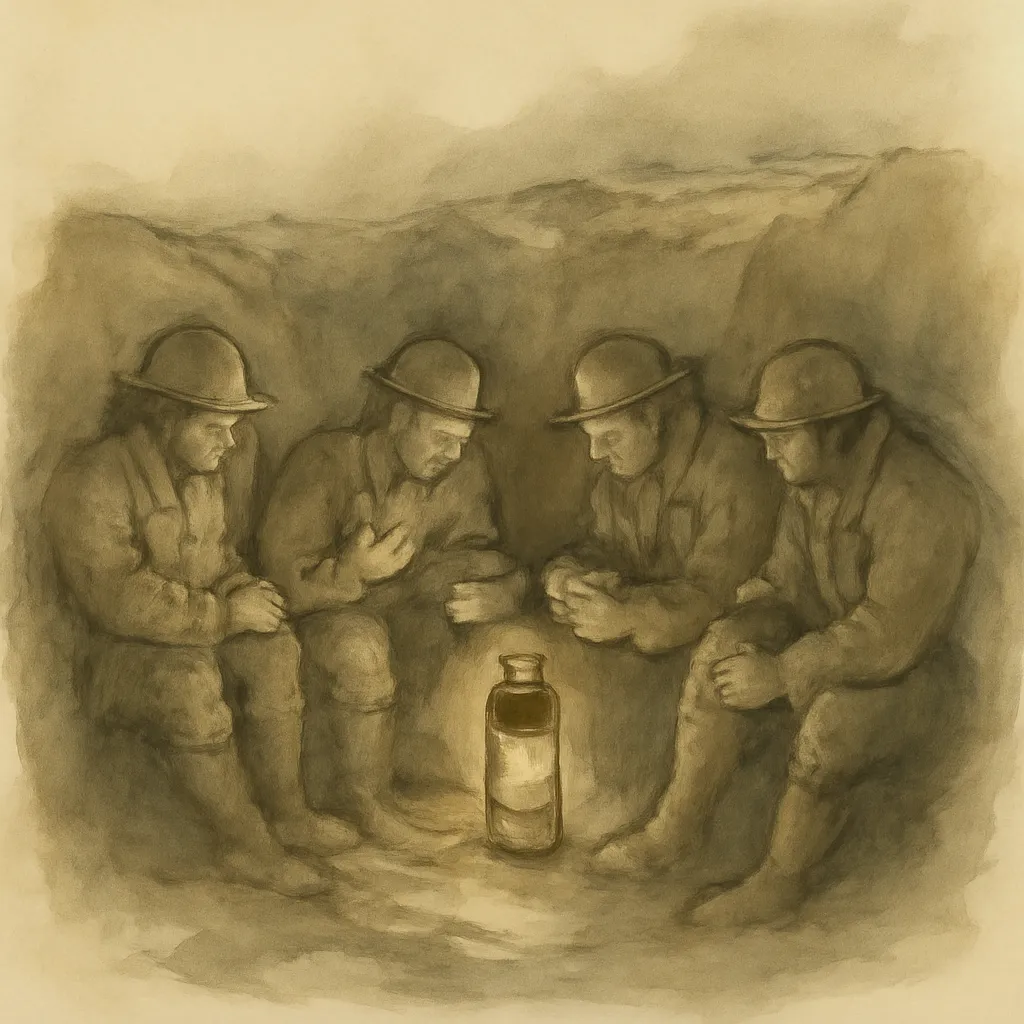
Frederic Henry's relationships with fellow soldiers reveal the complexities of camaraderie during wartime. These relationships are layered with the tension between kinship and alienation. In the trenches, soldiers forge bonds through shared suffering, forming a brotherhood that transcends the chaos around them. Frederic's interactions with characters like Rinaldi and the men in his unit highlight the loyalty and support that emerge in the face of adversity. However, this camaraderie is often juxtaposed with feelings of isolation, as Frederic grapples with the emotional toll of war. As he witnesses the horrors of battle and the deaths of friends, he finds it increasingly difficult to connect with those who have not shared the same experiences. This isolation becomes a burden, illustrating how trauma can fracture connections and create a sense of alienation even among those who are physically close. Hemingway masterfully captures this duality, showing that while war can foster deep connections, it also has the potential to breed profound loneliness.
3.The Love Story: A Refuge from War

At the heart of 'A Farewell to Arms' is the poignant love story between Frederic and Catherine Barkley. Their relationship becomes a sanctuary amidst the chaos of war, offering moments of tenderness and intimacy that contrast starkly with the surrounding violence. Catherine's unwavering support and love for Frederic create a space where they can temporarily escape the horrors of battle. Their conversations, filled with affection and longing, provide a stark contrast to the grim realities of their environment. However, the relationship is not without its challenges; it is fraught with anxiety and uncertainty, as the specter of war looms over their happiness. Catherine's fears about losing Frederic reflect the pervasive anxiety experienced by those caught in the throes of conflict. Hemingway portrays love as both a source of strength and a reminder of vulnerability, illustrating how human connection can flourish even in the darkest of times. The beauty of their love story lies in its authenticity; it is depicted not as an idealized romance but as a genuine bond forged in the crucible of shared hardship.
4.The Brutality of War
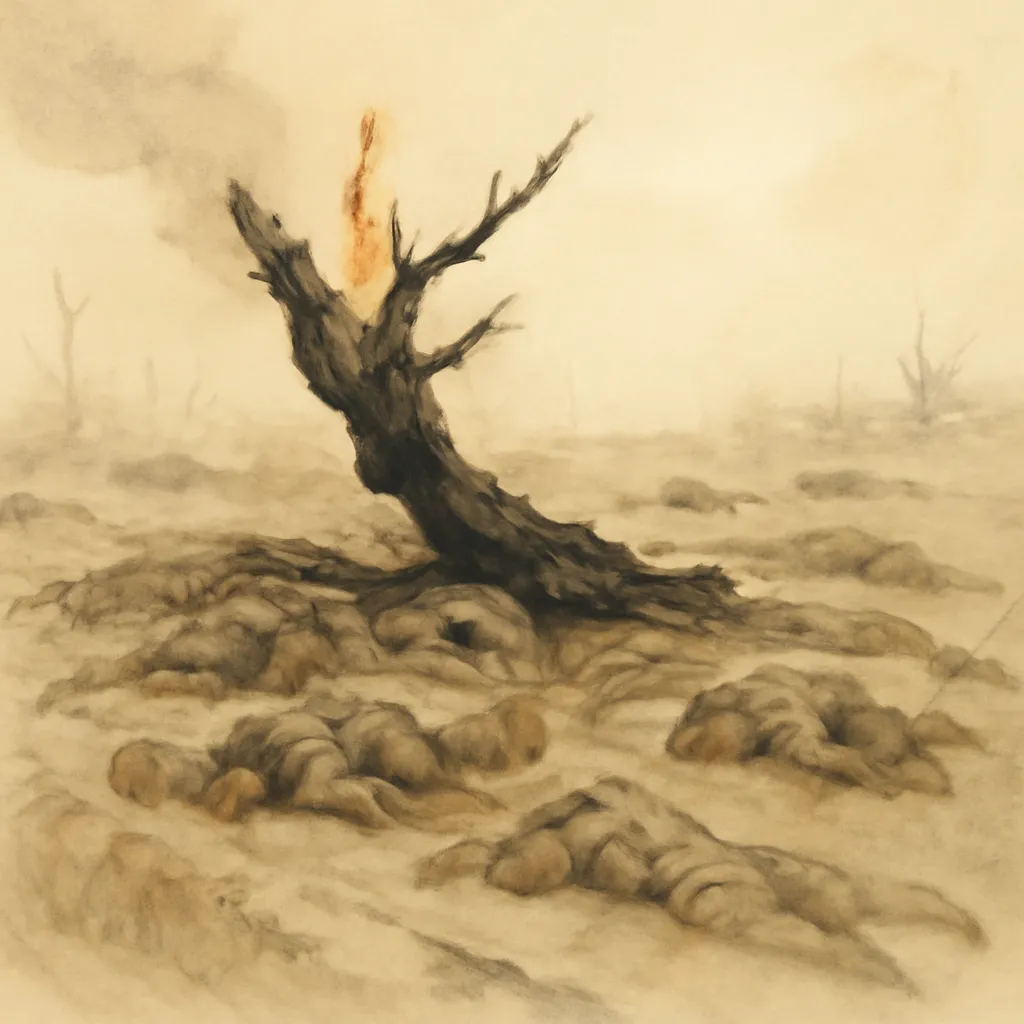
Hemingway does not shy away from depicting the relentless brutality of war, presenting graphic scenes that leave a lasting impact on the reader. The visceral descriptions of wounded men and the chaos of battle evoke a powerful emotional response, forcing readers to confront the harsh realities of conflict. The field hospital scenes, in particular, are haunting as Frederic witnesses the suffering and death of soldiers. The stark contrast between the serene beauty of the Italian landscape and the horrific conditions of the battlefield underscores the tragedy of war. This unflinching portrayal serves as a critique of the romanticized notions of war, revealing its true cost on humanity. Frederic's experiences highlight the dehumanizing effects of violence, illustrating how war strips away individuality and reduces men to mere numbers. Through this lens, Hemingway compels readers to reflect on the moral implications of war and the profound impact it has on the human spirit.
5.Loss and Grief: The Personal Cost of War
As the narrative progresses, the theme of loss becomes increasingly prominent. Frederic faces profound grief as he witnesses the deaths of friends and fellow soldiers, each loss leaving an indelible mark on his psyche. The emotional weight of these losses shapes his worldview, leading to a sense of disillusionment with the war and its purpose. Hemingway captures the depth of Frederic's sorrow through poignant moments of reflection and introspection. The impact of grief is not only personal but collective; the war takes a toll on entire communities, leaving behind a legacy of pain and longing. This exploration of loss underscores the idea that the repercussions of war extend beyond the battlefield, affecting families and loved ones left behind. The scars of grief are portrayed as a central aspect of the human experience, illustrating how individuals cope with the void left by those who have fallen. Hemingway's exploration of loss invites readers to consider the broader implications of sacrifice and the enduring nature of grief.
6.Futility and Disillusionment
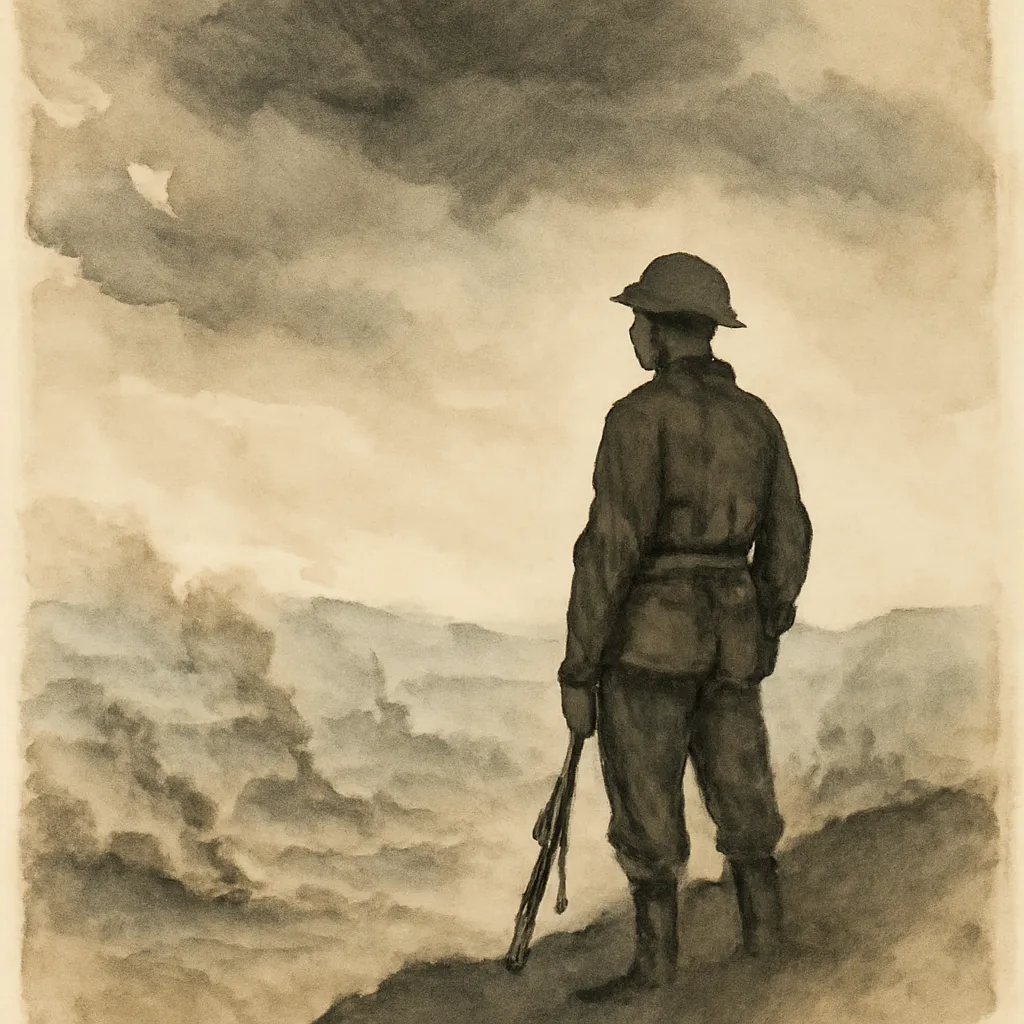
Hemingway delves into the futility of war through Frederic's evolving perspective. Initially, he approaches the conflict with a sense of duty and optimism, but as he witnesses the senseless violence and suffering firsthand, his idealism fades. The narrative reflects a growing disillusionment with the motivations behind the war, questioning the purpose of fighting and the sacrifices made. Frederic's transformation serves as a microcosm of the broader disillusionment experienced by soldiers during this tumultuous period. This theme resonates with readers as it challenges the glorification of war, presenting it as a tragic, often meaningless endeavor that leaves a trail of destruction in its wake. Hemingway's portrayal of disillusionment invites readers to confront uncomfortable truths about the nature of conflict and the human tendency to romanticize heroism. Through Frederic's eyes, we see that the reality of war often contradicts the noble ideals that inspire men to fight.
7.The Role of Fate and Chance
Fate and chance play significant roles in the lives of the characters, underscoring the unpredictability of war. Events unfold in ways that seem arbitrary, with characters often at the mercy of circumstances beyond their control. Frederic's experiences highlight how chance encounters and decisions can alter the course of lives irrevocably. A seemingly innocuous choice, such as his decision to seek out a nurse, leads to a life-altering relationship with Catherine. This randomness serves as a reminder that life is fragile, and the outcomes of war are often determined by factors that cannot be anticipated. Hemingway's portrayal of fate invites readers to reflect on the nature of existence and the ways in which individuals navigate uncertainty. The sense of helplessness in the face of fate resonates deeply, prompting readers to consider how they might respond when confronted with the arbitrary nature of life and death.
8.The Search for Meaning
Amidst the chaos of war, characters grapple with existential questions about meaning and purpose. Frederic's journey is not just a physical one but an emotional and philosophical exploration of what it means to live in a world marked by suffering. His relationship with Catherine becomes a lens through which he seeks understanding and solace. The conversations between the two reveal their attempts to find meaning in the midst of despair, showcasing their vulnerabilities and fears. This search for meaning is depicted as a universal struggle, as individuals often confront their beliefs and values in times of crisis. Hemingway's exploration of this theme encourages readers to contemplate their own quests for significance in the face of adversity. The narrative ultimately suggests that while the world may be chaotic and devoid of clear answers, the connections we forge with others can provide a sense of purpose and belonging.
9.The Impact of War on Identity
War profoundly affects the identities of those involved, reshaping their sense of self. Frederic, like many soldiers, undergoes a transformation as he navigates the battlefield and its aftermath. The experiences of trauma and loss force him to reevaluate his beliefs and priorities. This struggle for identity is mirrored in the lives of other characters, who also grapple with the changes wrought by war. Hemingway’s portrayal of identity is nuanced, as he illustrates how individuals can be both shaped and shattered by their experiences. The internal conflicts faced by characters highlight the struggle to reconcile their past selves with the realities of their present circumstances. Through Frederic's journey, readers witness the complex interplay between personal and collective identities, as characters strive to find their place in a world forever altered by conflict.
10.Catherine’s Strength and Vulnerability
Catherine Barkley emerges as a complex character whose strength is both inspiring and tragic. As a nurse, she embodies resilience and compassion, providing care and support to those around her. Her love for Frederic reflects a deep emotional investment, yet it is also tinged with vulnerability, as she faces the uncertainty of war and its impact on her life. Catherine's character reflects the sacrifices made by women during wartime, as they navigate their own struggles while supporting those they love. Hemingway's portrayal of her strength and vulnerability adds depth to the narrative, illustrating the multifaceted nature of human experience. The tension between Catherine's fierce independence and her reliance on Frederic creates a dynamic that resonates with readers, showcasing the complexities of love in times of crisis. Her journey serves as a poignant reminder of the resilience of the human spirit, even in the face of overwhelming adversity.