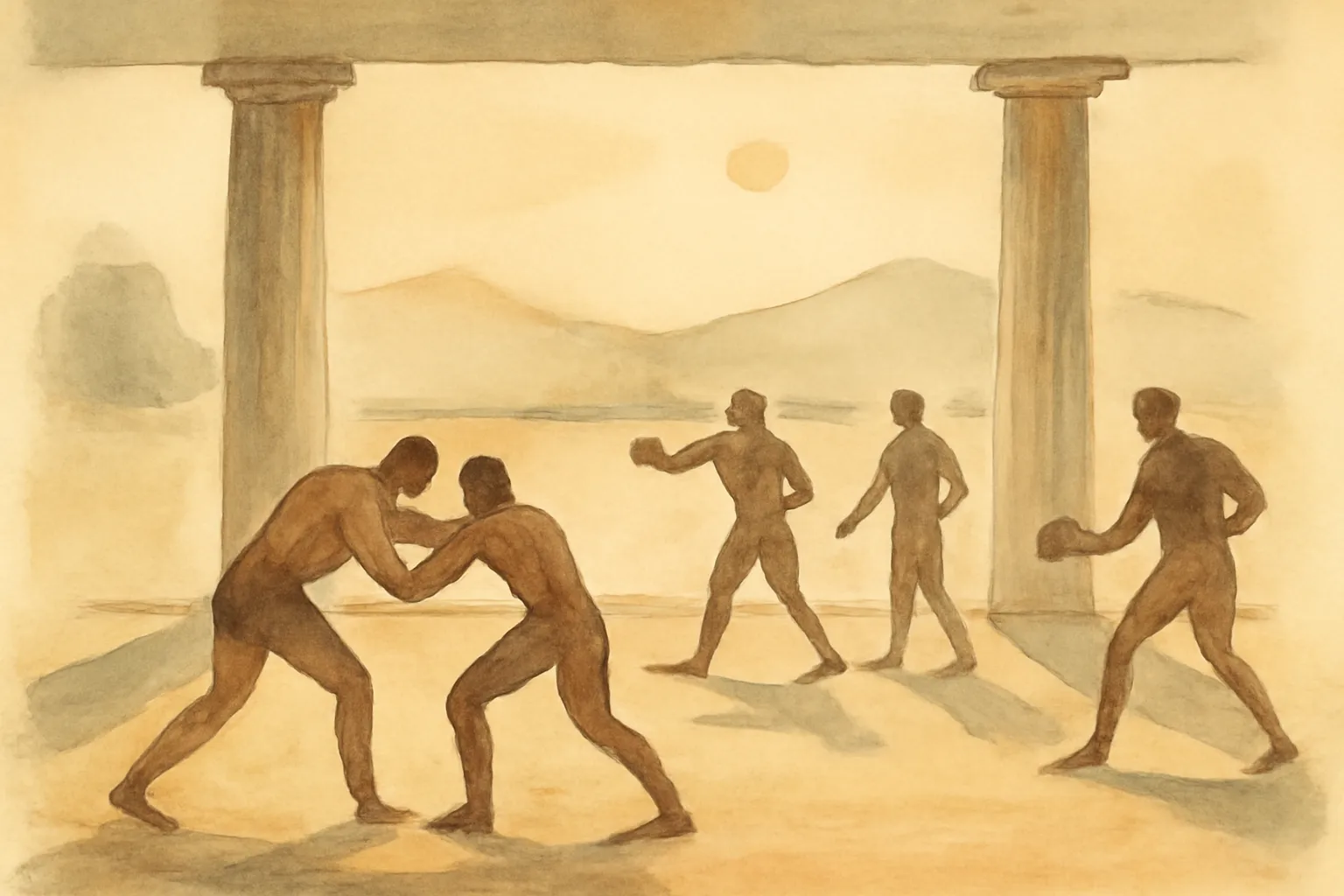
1.The Greek Foundations of Physical Education
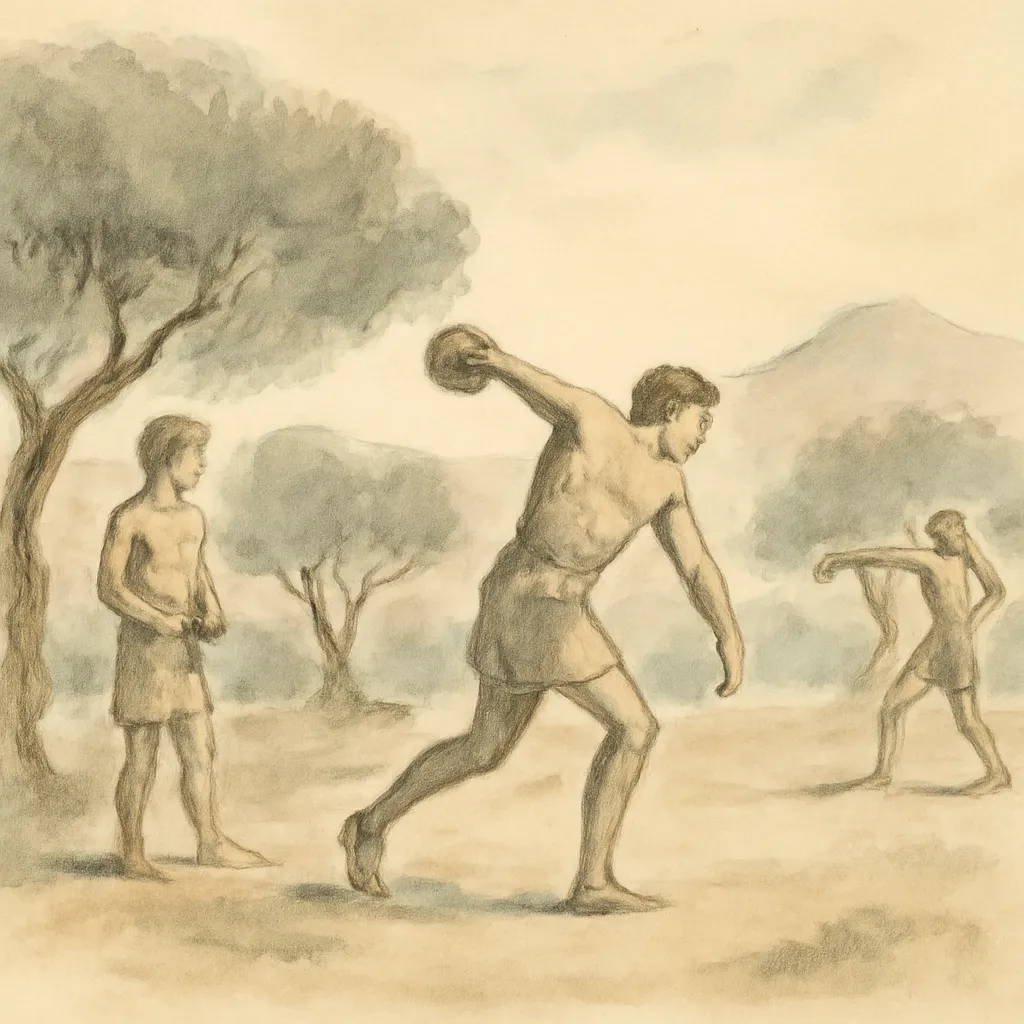
The roots of physical education can be traced back to ancient Greece, where it was deeply integrated into the educational framework. The Greeks believed in the importance of 'gymnastics' as a necessary component of a well-rounded education. This was not merely for physical prowess but also for the development of character and intellect. Public establishments supported by the state provided venues for training youths and men in various physical activities, emphasizing the connection between physical health and civic duty. The Greek ideal of beauty in the human form, as seen in their sculptures, was directly influenced by the athletic contests held during national festivals. Notably, events like the Olympic Games celebrated not just winning but the pursuit of excellence and the cultivation of virtue, highlighting the societal value placed on physical education. This focus on balance between physical and intellectual development laid the groundwork for future educational models, where cultivating both mind and body was seen as essential to producing capable citizens.
2.Roman Pragmatism in Education
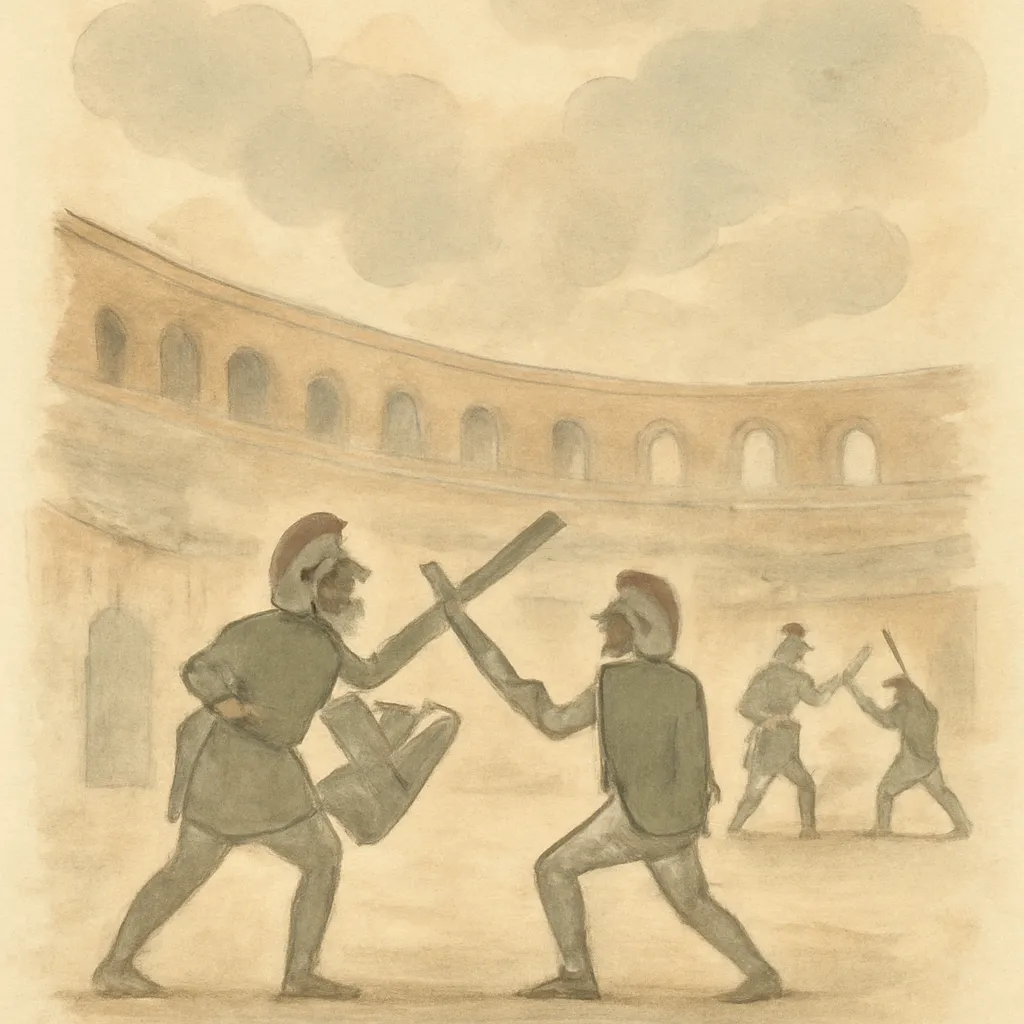
As physical education evolved, the Romans introduced a practical approach that diverged from the Greek ideals of beauty and harmony. For the Romans, education aimed to prepare citizens for active participation in public life and military service, reflecting their expansionist culture. The emphasis was on developing robust health rather than artistic expression. Parents were primarily responsible for their children's education until the state began to take a more active role in the later empire. The Roman focus on utility meant that physical training was often related to military preparedness, with games and exercises designed to foster strength and endurance. The Roman schools, which began to emerge after the Greek influence, emphasized physical activities such as wrestling and running as essential training for young boys. Unlike the Greeks, who celebrated the aesthetics of the body, the Romans valued the functionality of physical training as a means to maintain the strength of their armies and uphold civic virtue.
3.The Influence of the Teutonic Tribes
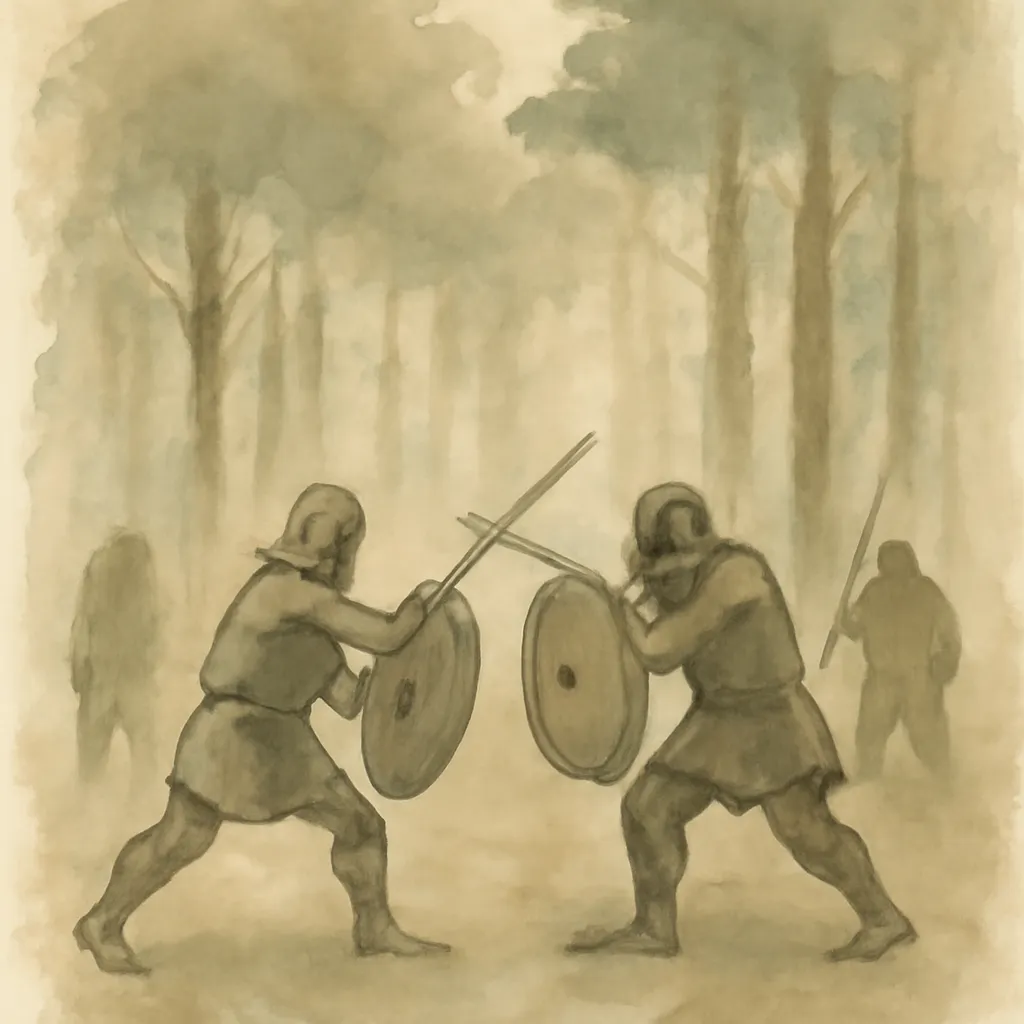
The arrival of the Teutonic tribes marked a significant shift in the cultural landscape of Europe. These tribes, described by ancient historians as sturdy and robust, placed a high value on physical prowess, which was essential for survival in their harsh environment. Their education was informal, centered around the skills necessary for hunting and warfare. In this context, physical training was not merely a subject to be taught but a way of life. The absence of a written language meant that knowledge was passed through oral traditions, further emphasizing the importance of physical capability and endurance as key attributes of citizenship. Young men were trained in the arts of war and survival through rigorous physical activity and competition, often engaging in communal games that reinforced social bonds and prepared them for their roles as warriors. This rugged training shaped the character of future generations and influenced the development of educational practices in Europe, creating a legacy of valuing physical strength and resilience.
4.Asceticism in Early Christianity and Its Impact
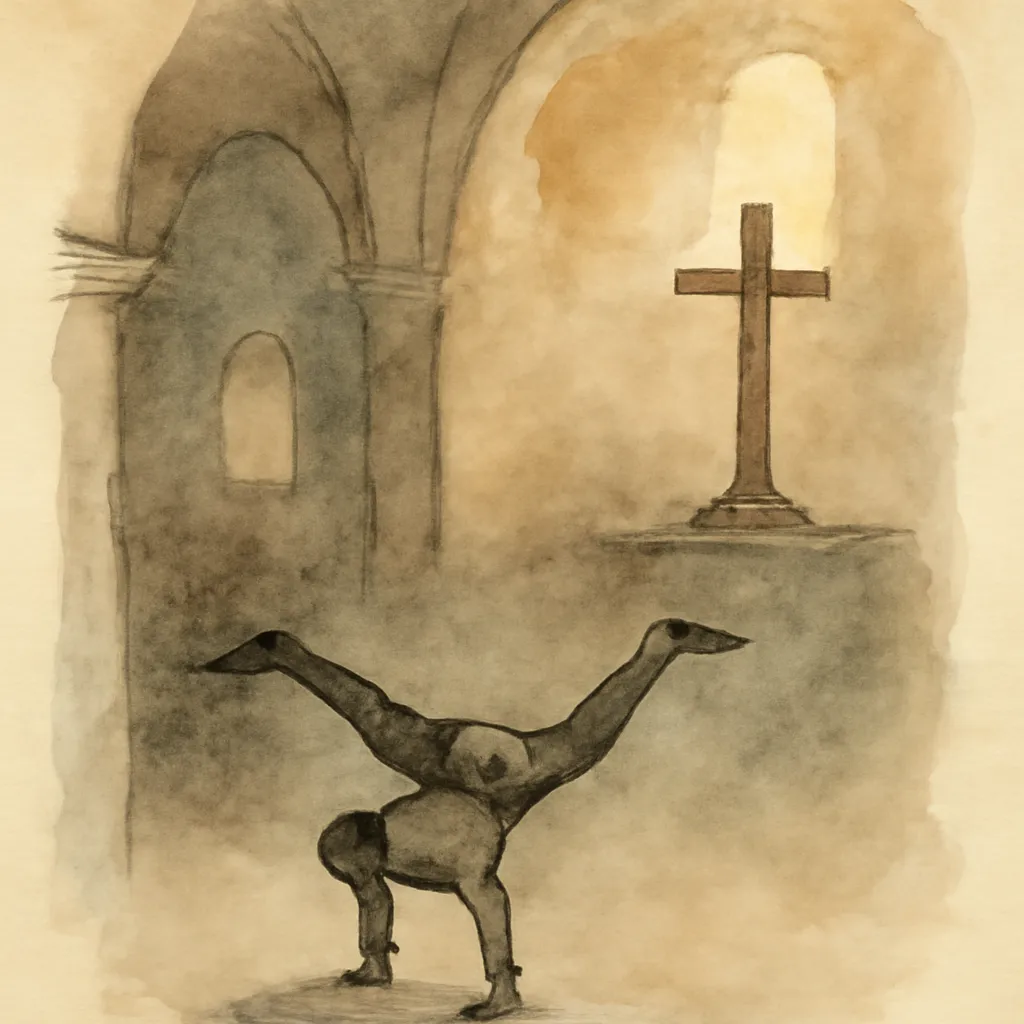
With the rise of Christianity, a new ideology began to influence physical education: asceticism. Early Christians, reacting against the perceived excesses of Roman society, adopted a philosophy that viewed the body as a source of temptation and sin. Consequently, physical training was often neglected, and the focus shifted to the spiritual and moral development of the individual. This conflict between body and spirit led to a period where physical education was largely absent from educational institutions, particularly within the church. The ascetic ideal fostered a disdain for physicality, which would have lasting repercussions on how subsequent generations viewed the role of the body in education and society. The early Christian church emphasized self-denial and spiritual discipline, often leading to the neglect of physical well-being. As such, the body was seen as an impediment to spiritual growth rather than a vessel for health and vitality. This perspective would take centuries to evolve, as the importance of physical education began to resurface in later periods.
5.The Monastic and Cathedral Schools' Influence
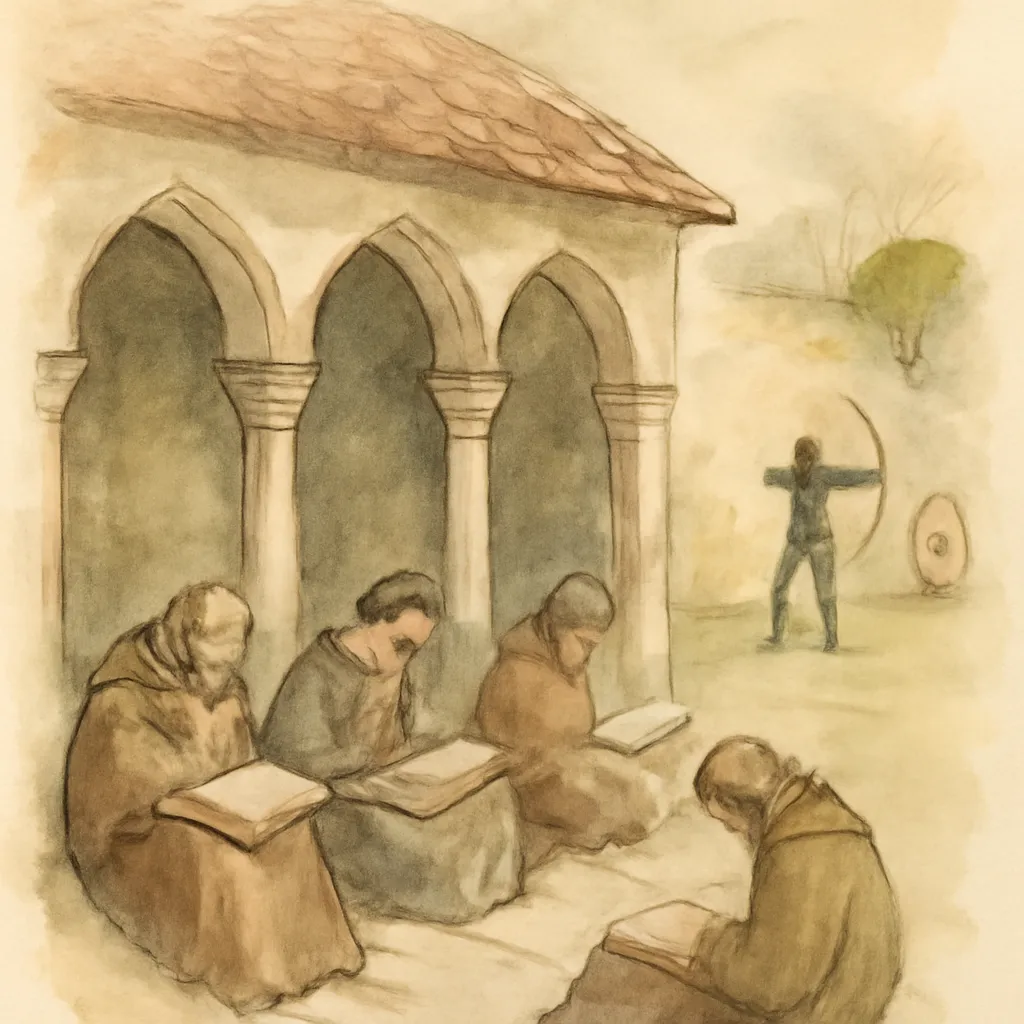
During the Middle Ages, education was predominantly in the hands of the monasteries and cathedral schools, which perpetuated the ascetic ideals of the early church. The curriculum was focused on the seven liberal arts, with little regard for physical training. The body was considered secondary to the soul, and physical neglect was common among students. Monastic education prepared young boys for a life in service to the church, where intellectual achievement was prioritized over physical fitness. The harsh discipline of monastic life often included physical labor, but this was not considered education in the conventional sense. Despite this, the seeds of change were being sown. As the church began to recognize the need for educated clergy, the first inklings of a more rounded education began to emerge. While physical training remained largely absent, the groundwork was being laid for future reforms that would reintegrate physical activity into the educational landscape. The gradual realization that the mind and body are interconnected would eventually lead to a renewed interest in physical fitness.
6.Chivalry and Its Role in Shaping Physical Education
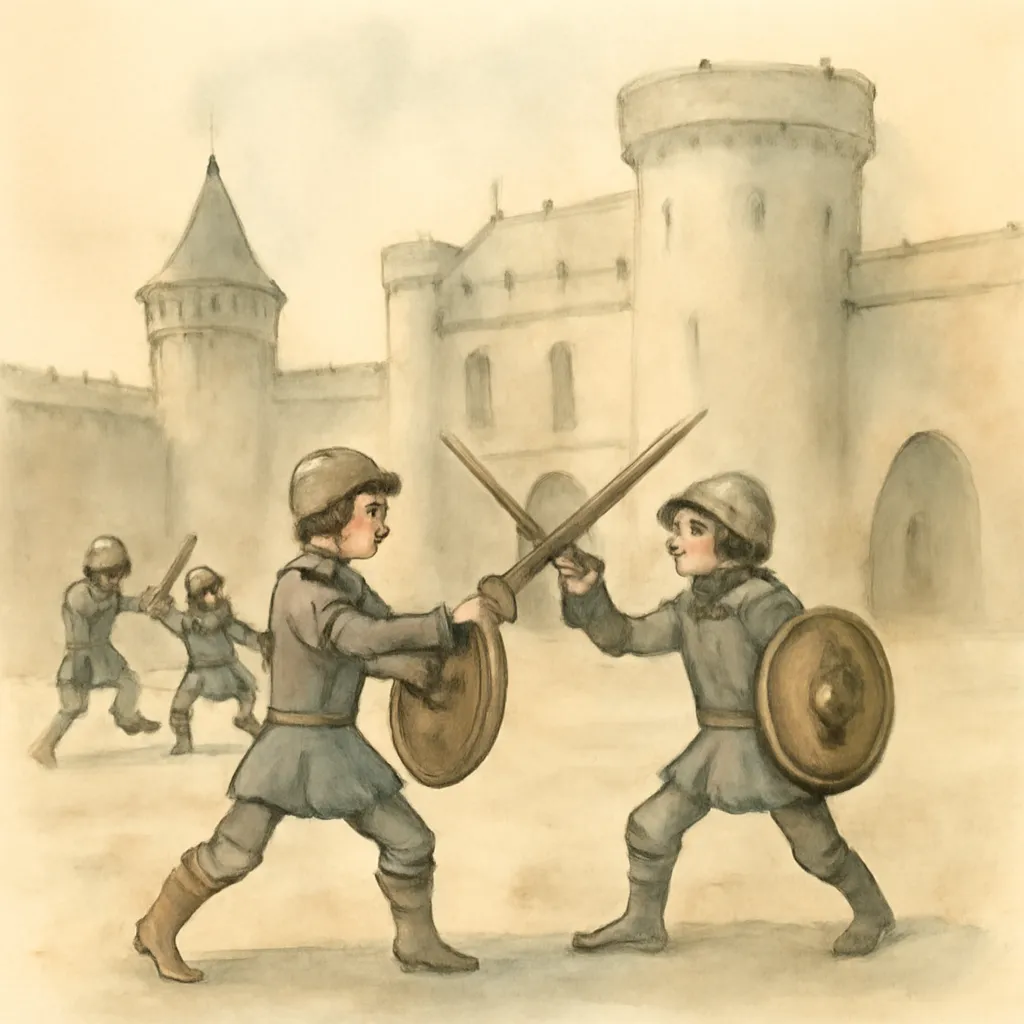
The chivalric code that emerged during the medieval period introduced a new perspective on physical training. Knights were expected to be both warriors and gentlemen, leading to a more structured approach to physical education. The training of young boys for knighthood included rigorous physical exercises, emphasizing skills such as horsemanship, swordsmanship, and other martial disciplines. This training was not only about physical prowess but also about moral character and social responsibility. The ideals of chivalry celebrated physical fitness as a means to serve both God and country, thus reinforcing the importance of physical education within the context of societal values and expectations. The emphasis on developing a noble character through physical training influenced the education of young men, shaping them into responsible citizens. Furthermore, tournaments and duels became popular, showcasing the importance of physical fitness and skill as integral to a knight's identity.
7.The Renaissance and the Rebirth of Physical Education
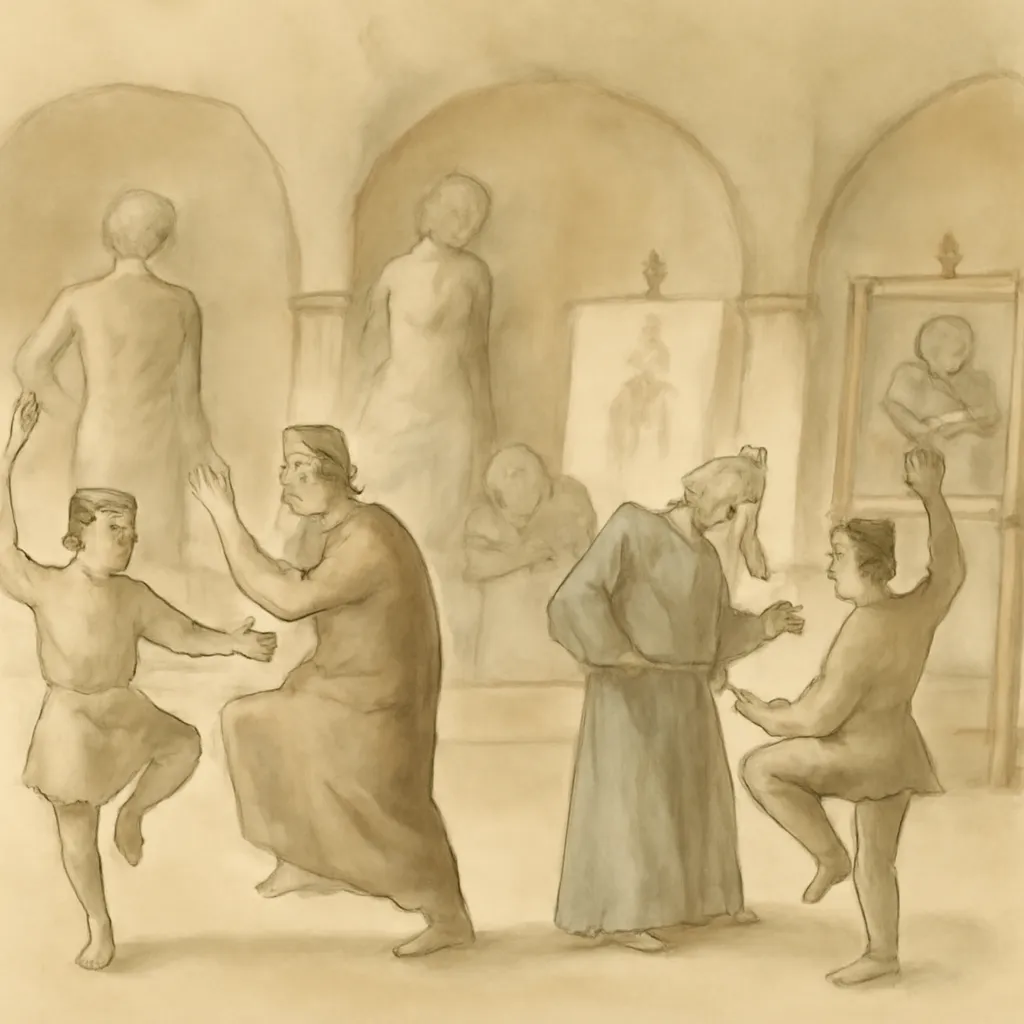
The Renaissance sparked a revival of interest in the classical ideals of physical education. Humanists sought to restore the balance of body and mind, emphasizing the importance of physical training alongside intellectual pursuits. This period saw the emergence of influential educators such as Vittorino da Feltre, who integrated physical education into his curriculum for the children of nobility. Da Feltre's approach involved a variety of physical activities, including dancing, riding, and sports, which complemented the study of literature and philosophy. His methods highlighted the belief that physical fitness was essential for developing a well-rounded individual capable of contributing to society. The Renaissance laid the foundation for modern physical education by promoting the idea that a healthy body was essential for a well-rounded individual. The focus on human potential and achievement during this time encouraged a more holistic approach to education, paving the way for future reforms that would further integrate physical education into formal curricula.
8.The Enlightenment and Philosophical Contributions
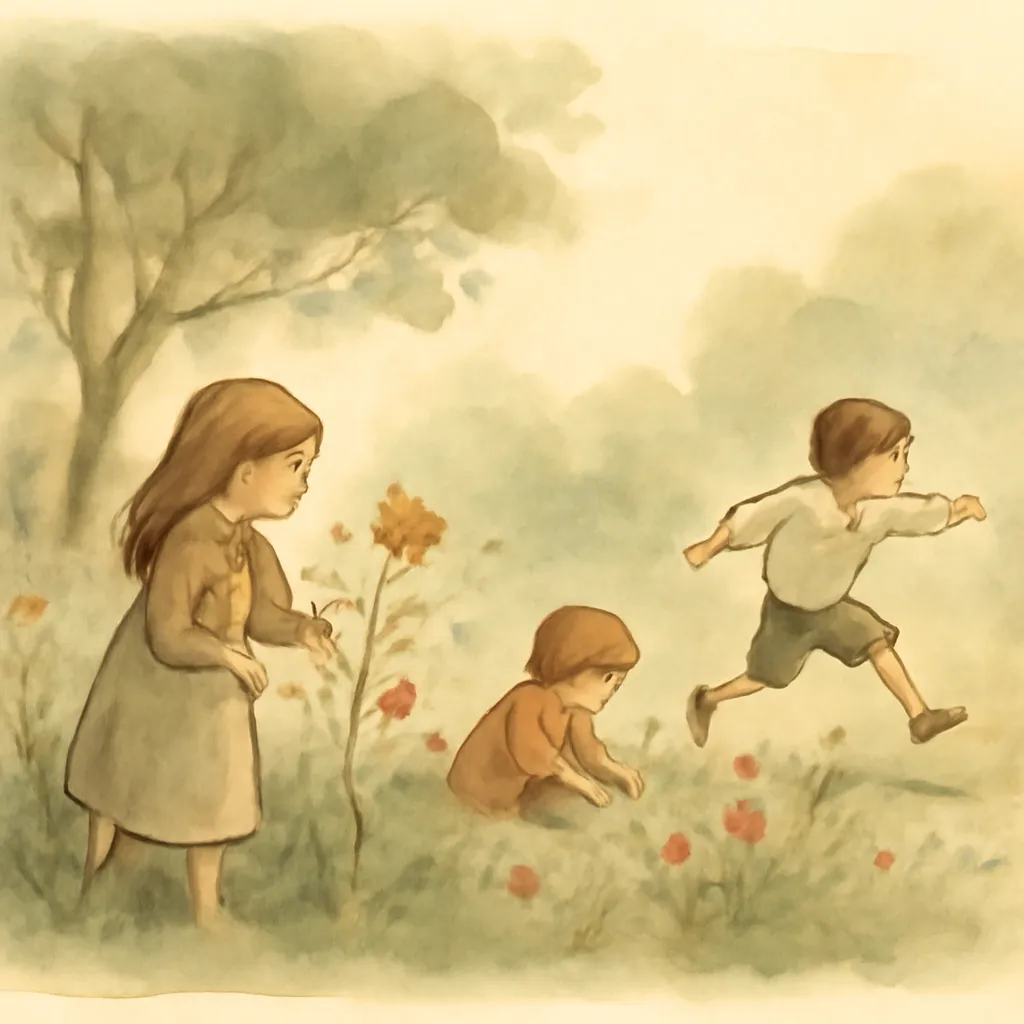
The Enlightenment brought about a shift in educational philosophy, with thinkers like John Locke and Jean-Jacques Rousseau advocating for a more natural and experiential approach to education. Locke emphasized the importance of physical health as a foundation for mental well-being, arguing that a 'sound mind in a sound body' is essential for a fulfilling life. He believed that children's natural instincts should guide their learning, including the development of their physical capacities. Rousseau, through his work 'Émile,' championed the idea that physical education should be an integral part of a child's upbringing, promoting activities that develop strength and agility. Their ideas challenged the prevailing ascetic views and laid the groundwork for modern educational practices that recognize the importance of physical fitness in overall development. Rousseau’s assertion that education should prioritize the body as well as the mind marked a significant departure from centuries of neglect of physical training in formal education.
9.The Emergence of Modern Physical Education in Germany
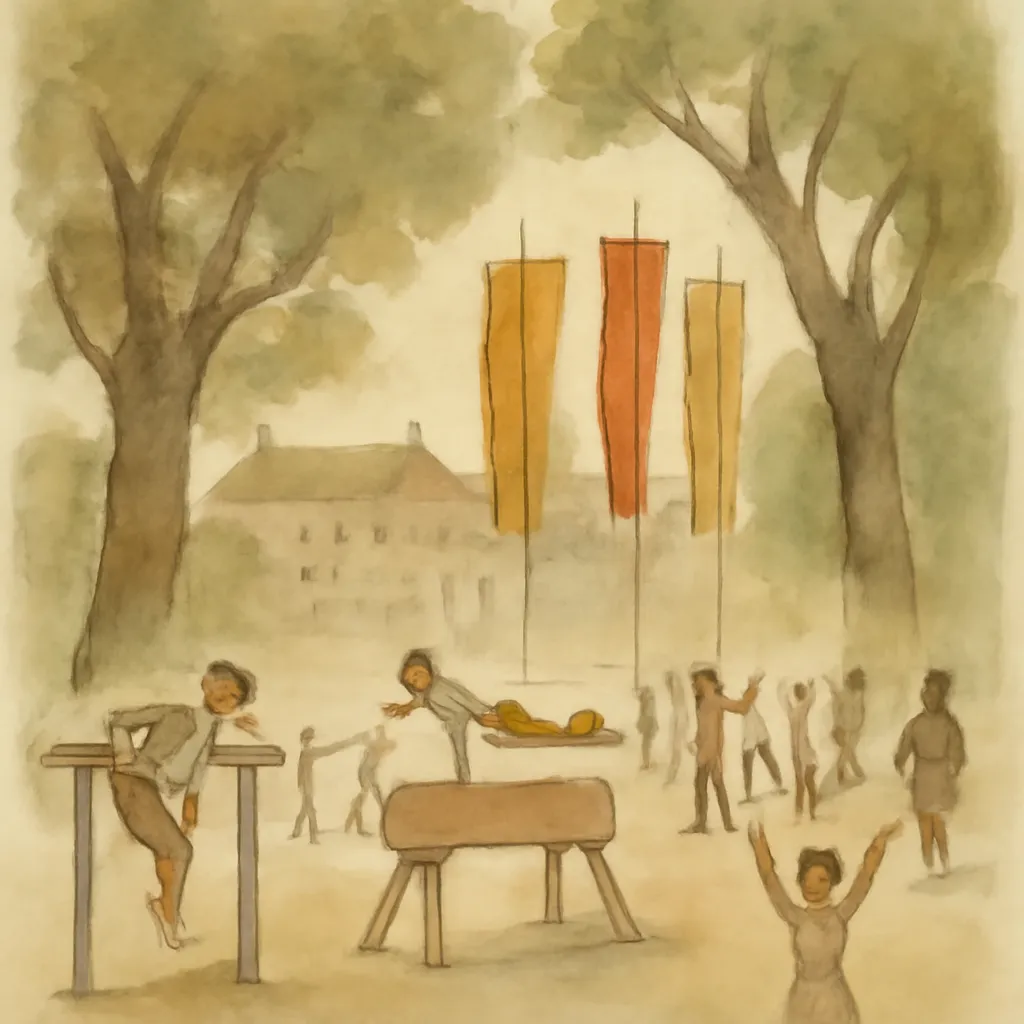
The late 18th and early 19th centuries marked a pivotal moment for physical education in Germany, largely due to the efforts of pioneers like Johann Bernhard Basedow and Friedrich Ludwig Jahn. Basedow established the Philanthropinum, a model school that combined physical training with intellectual education, emphasizing the need for a balanced development of the mind and body. Jahn advocated for popular gymnastics, emphasizing the importance of physical fitness for all citizens, not just the elite. His movement led to the establishment of gymnasiums and organized sports societies, which became integral to the educational system. This movement not only promoted physical health but also fostered a sense of national identity and community among participants, highlighting the role of physical education in shaping societal values. The emphasis on gymnastics became a significant cultural phenomenon, influencing educational practices across Europe and laying the groundwork for national physical education systems.
10.The Playground Movement and Its Impact on Education
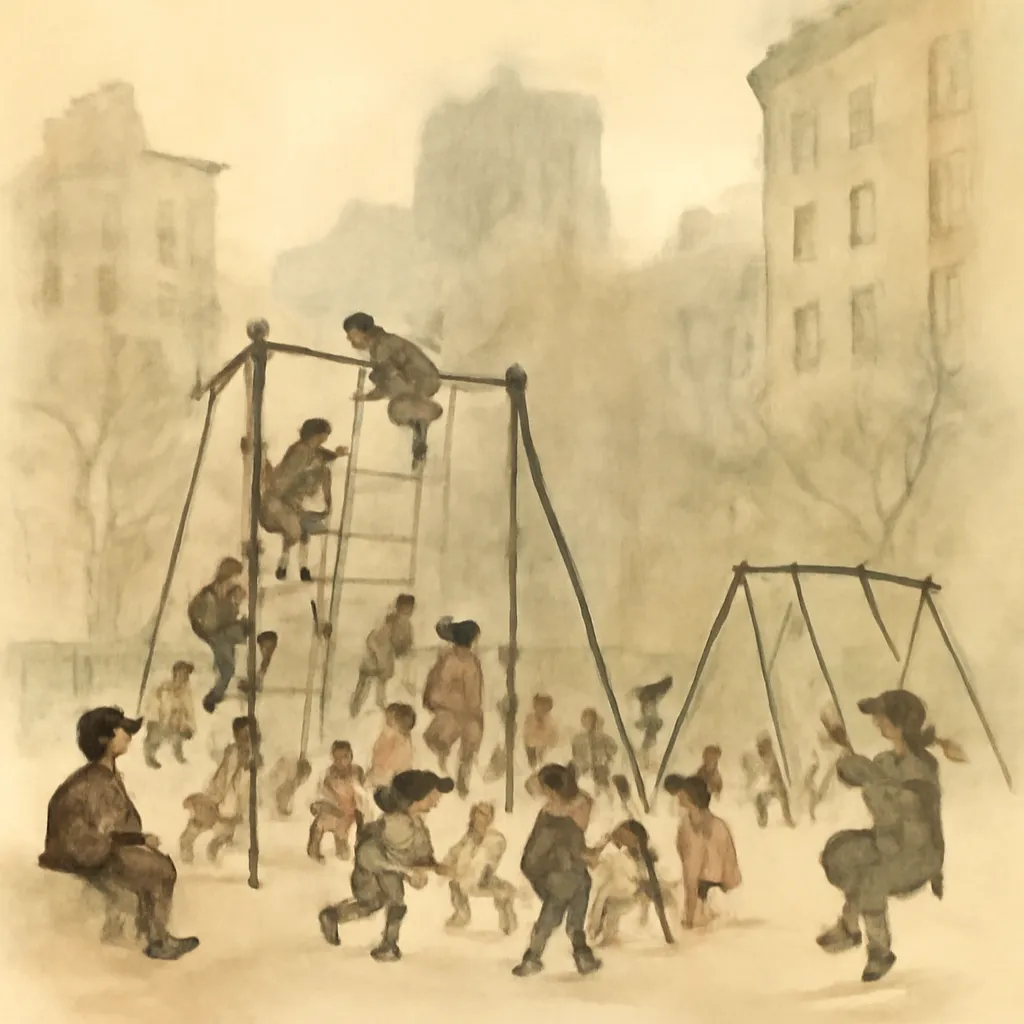
In the late 19th century, the playground movement emerged as a response to the need for structured physical activity for children. Educators recognized that play was essential for healthy development, leading to the establishment of playgrounds as integral parts of urban planning and school curricula. Figures like Konrad Koch in Germany advocated for organized games and sports, emphasizing their role in fostering social skills and teamwork among children. The introduction of playgrounds provided children with safe spaces to engage in physical activities, promoting not only fitness but also socialization and creativity. This movement laid the groundwork for contemporary physical education, highlighting the importance of play as a fundamental aspect of learning and development. The playground became a symbol of the evolving understanding of physical education as not just a discipline but a vital component of childhood experiences, helping to shape educational policies that prioritize children's holistic development.
11.International Developments and the Globalization of Physical Education
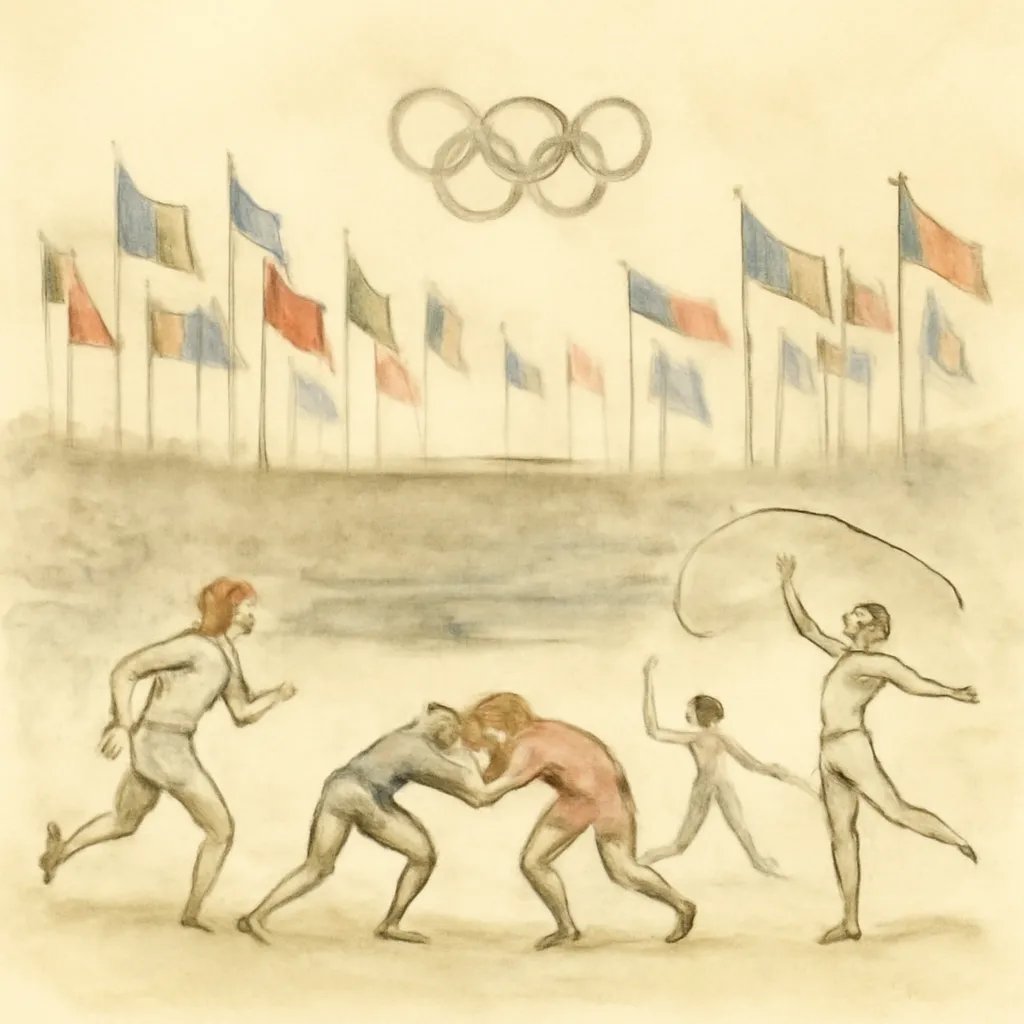
As physical education evolved, it began to transcend national boundaries, leading to the emergence of international organizations and gatherings. The establishment of the International Olympic Committee and various gymnastic federations facilitated the exchange of ideas and practices across countries. This globalization of physical education allowed for the incorporation of diverse cultural practices and philosophies into national curricula. The interactions between different systems of physical training, such as the German Turnverein and the British athletic traditions, enriched the global understanding of physical education. These developments underscored the importance of collaboration and shared knowledge in promoting physical fitness and well-being worldwide. The international nature of physical education in the modern era highlights the ongoing dialogue among nations about the best practices for developing healthy, active citizens, reflecting a collective commitment to fostering well-being across different cultures.