

Explore the rich tapestry of physical education's evolution from ancient Greece to modern practices
Read full overviewShow less›
The history of physical education is a fascinating journey that reflects humanity's evolving understanding of the body, mind, and spirit. This guide delves into the origins, transformations, and cultural influences that shaped physical education through the ages. From the athletic traditions of ancient Greece to the structured systems of modern education, the book highlights key figures, philosophies, and practices that have contributed to our current approach to physical fitness. Readers will gain insights into how historical events, societal changes, and educational reforms have intertwined to create the diverse landscape of physical education we see today. By examining this history, one can appreciate the profound significance of physical education in shaping healthy, well-rounded individuals.
The history of physical education reflects humanity's evolving relationship with the body, emphasizing its importance in personal development and societal well-being. From the athletic contests of ancient Greece to the structured systems of modern education, the journey has been shaped by cultural, philosophical, and political influences. Understanding this history allows us to appreciate the significance of physical education in fostering healthy, well-rounded individuals. As we continue to advance our educational practices, drawing from the past can inspire a future where physical fitness is recognized as a fundamental component of a holistic education. Ultimately, the evolution of physical education is not just a story of practices and systems but a testament to our commitment to nurturing the whole person.
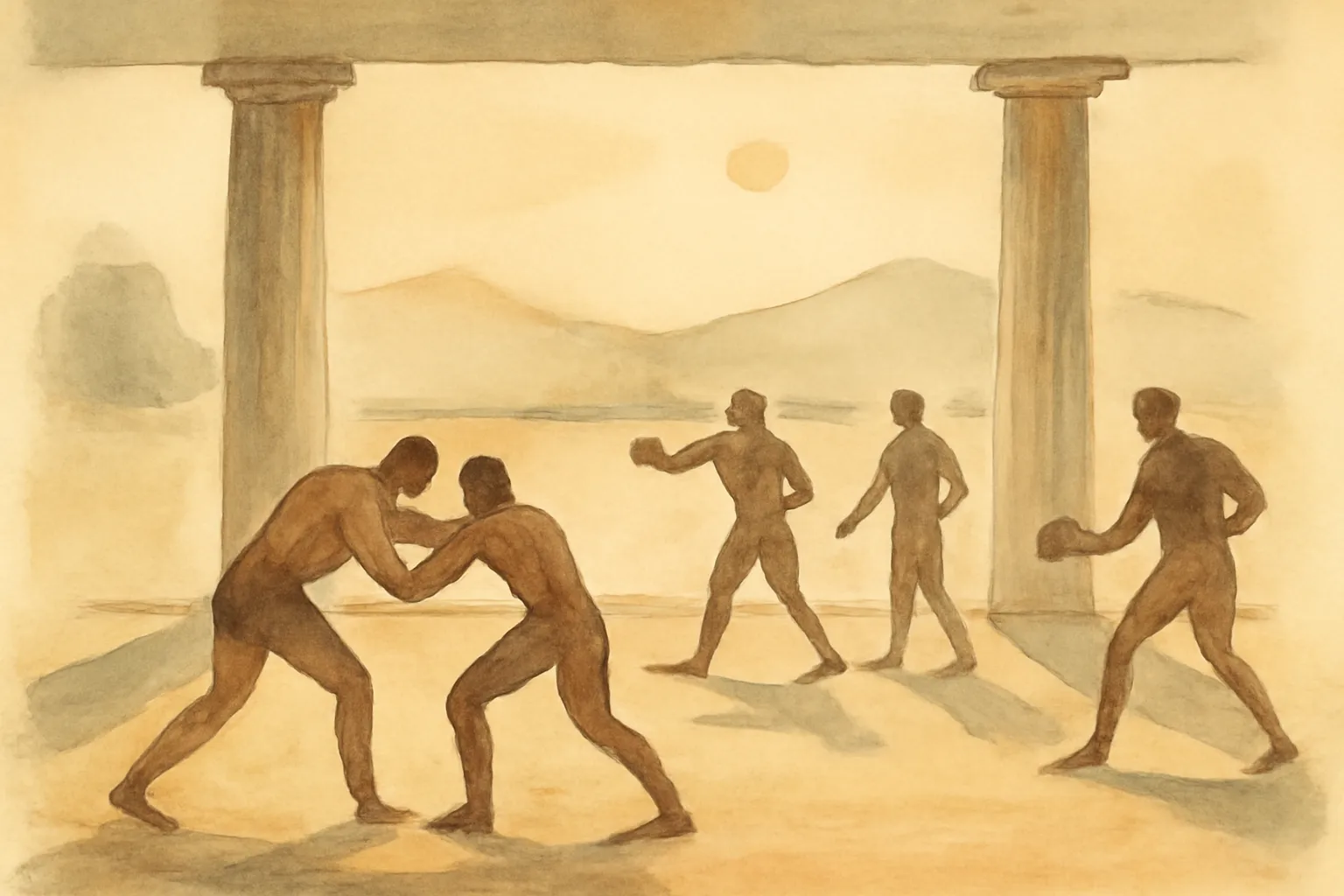
- 1The Greek Foundations of Physical Education
- 2Roman Pragmatism in Education
- 3The Influence of the Teutonic Tribes
- 4Asceticism in Early Christianity and Its Impact
- 5The Monastic and Cathedral Schools' Influence
A glimpse inside

The roots of physical education can be traced back to ancient Greece, where it was deeply integrated into the educational framework. Read moreThe roots of physical education can be traced back to ancient Greece, where it was deeply integrated into the educational framework. The Greeks believed in the importance of 'gymnastics' as a necessary component of a well-rounded education. This was not merely for physical prowess but also for the development of character and intellect. Public establishments supported by the state provided venues for training youths and men in various physical activities, emphasizing the connection between physical health and civic duty. The Greek ideal of beauty in the human form, as seen in their sculptures, was directly influenced by the athletic contests held during national festivals. Notably, events like the Olympic Games celebrated not just winning but the pursuit of excellence and the cultivation of virtue, highlighting the societal value placed on physical education. This focus on balance between physical and intellectual development laid the groundwork for future educational models, where cultivating both mind and body was seen as essential to producing capable citizens. Show less
As physical education evolved, the Romans introduced a practical approach that diverged from the Greek ideals of beauty and harmony. Read moreAs physical education evolved, the Romans introduced a practical approach that diverged from the Greek ideals of beauty and harmony. For the Romans, education aimed to prepare citizens for active participation in public life and military service, reflecting their expansionist culture. The emphasis was on developing robust health rather than artistic expression. Parents were primarily responsible for their children's education until the state began to take a more active role in the later empire. The Roman focus on utility meant that physical training was often related to military preparedness, with games and exercises designed to foster strength and endurance. The Roman schools, which began to emerge after the Greek influence, emphasized physical activities such as wrestling and running as essential training for young boys. Unlike the Greeks, who celebrated the aesthetics of the body, the Romans valued the functionality of physical training as a means to maintain the strength of their armies and uphold civic virtue. Show less
Read the full text — free
About the author
Read Fred Eugene Leonard's work free on Lumina — the complete text plus an 8-minute summary and key ideas, no account needed