1.Imabari: A Town of Simple Charms
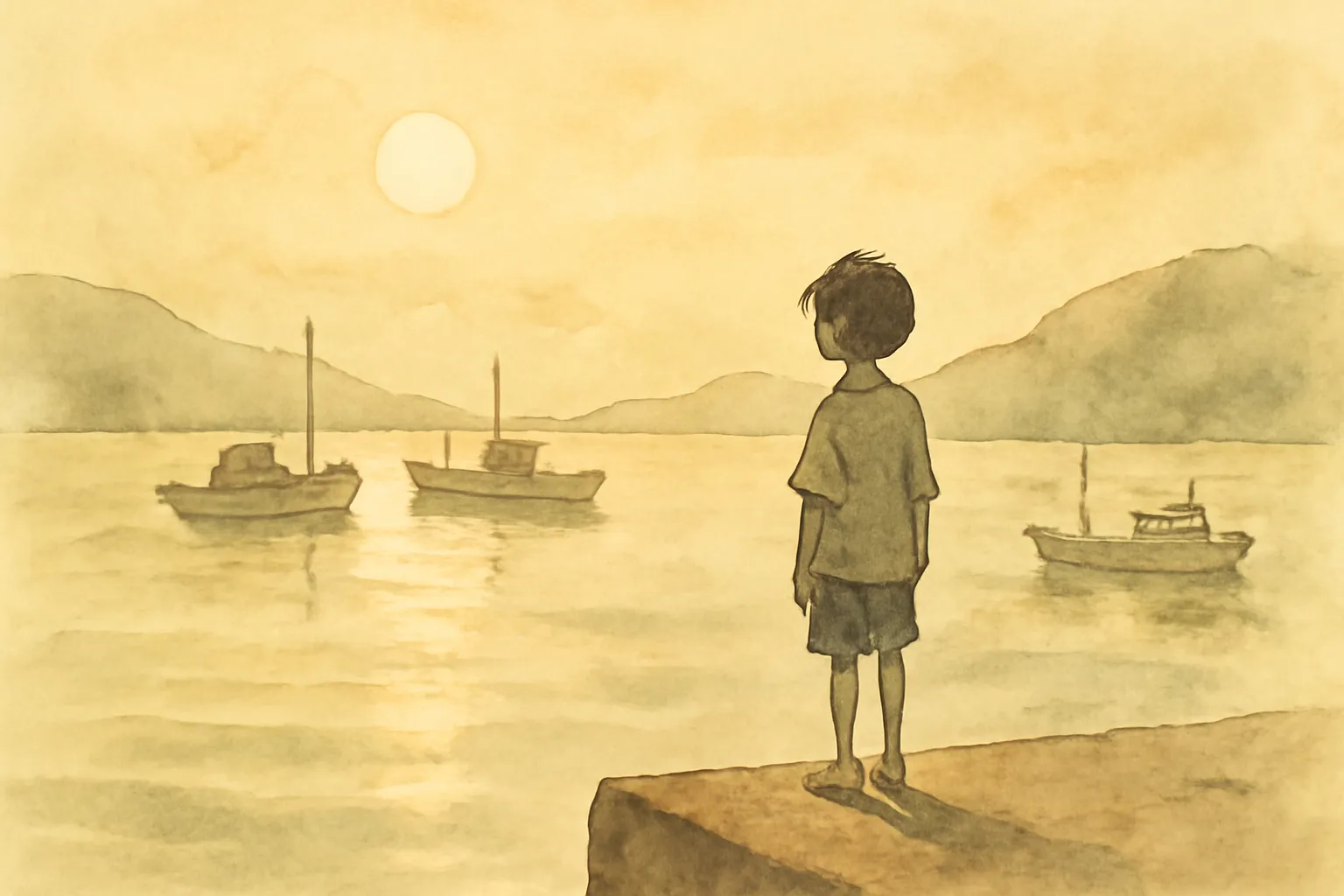
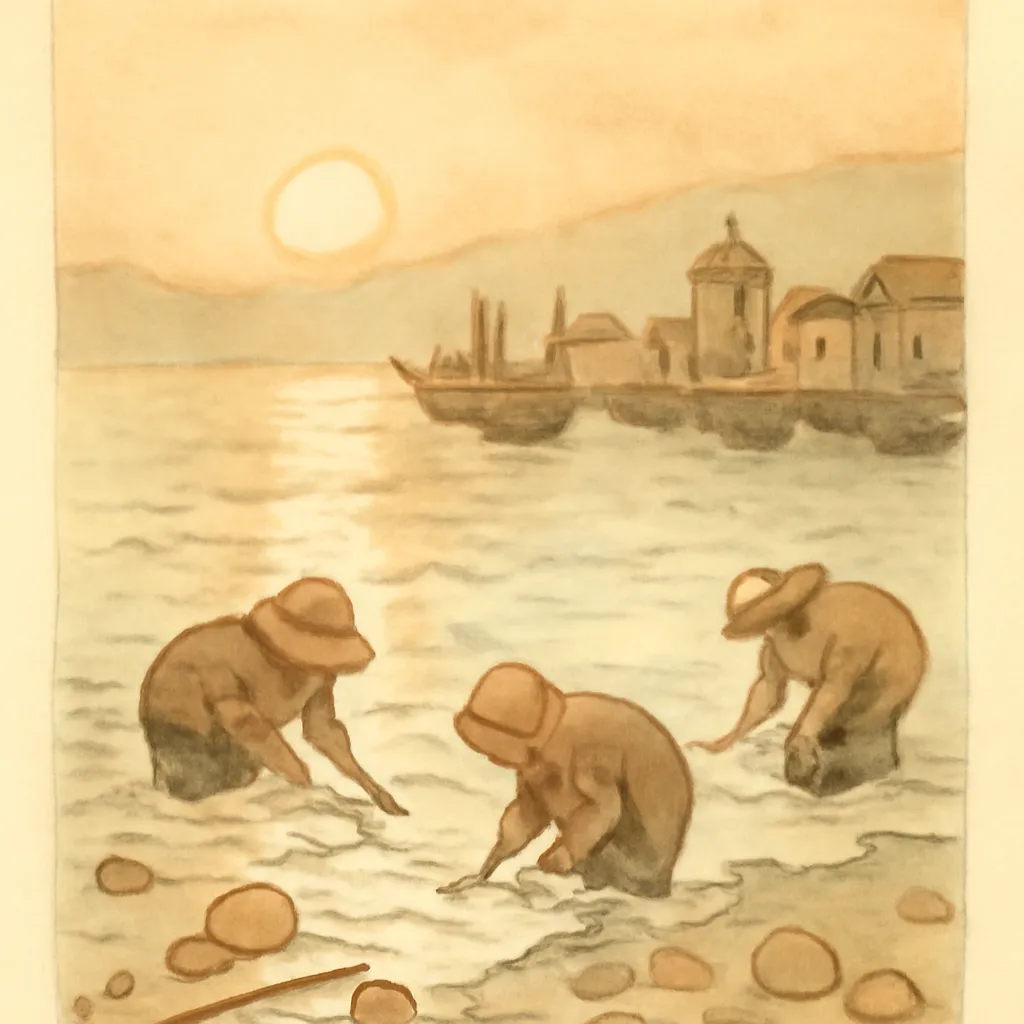
Imabari is depicted as a quaint seaport town, characterized by its modest harbor and the daily lives of its inhabitants. The harbor, described as a 'miserable ditch,' comes alive with the activities of clam diggers and fishermen, highlighting the town's connection to the sea. Junks and small boats dot the landscape, serving as vessels for trade and sustenance. The imagery of merchants bargaining for rice and coolies lifting heavy bags brings forth a vivid picture of the local economy and the labor that sustains it. This setting not only provides a backdrop for the author’s childhood but also encapsulates the simplicity and struggles of rural Japanese life, making it relatable to anyone familiar with the rhythms of small-town existence.
2.The Foundations of Education
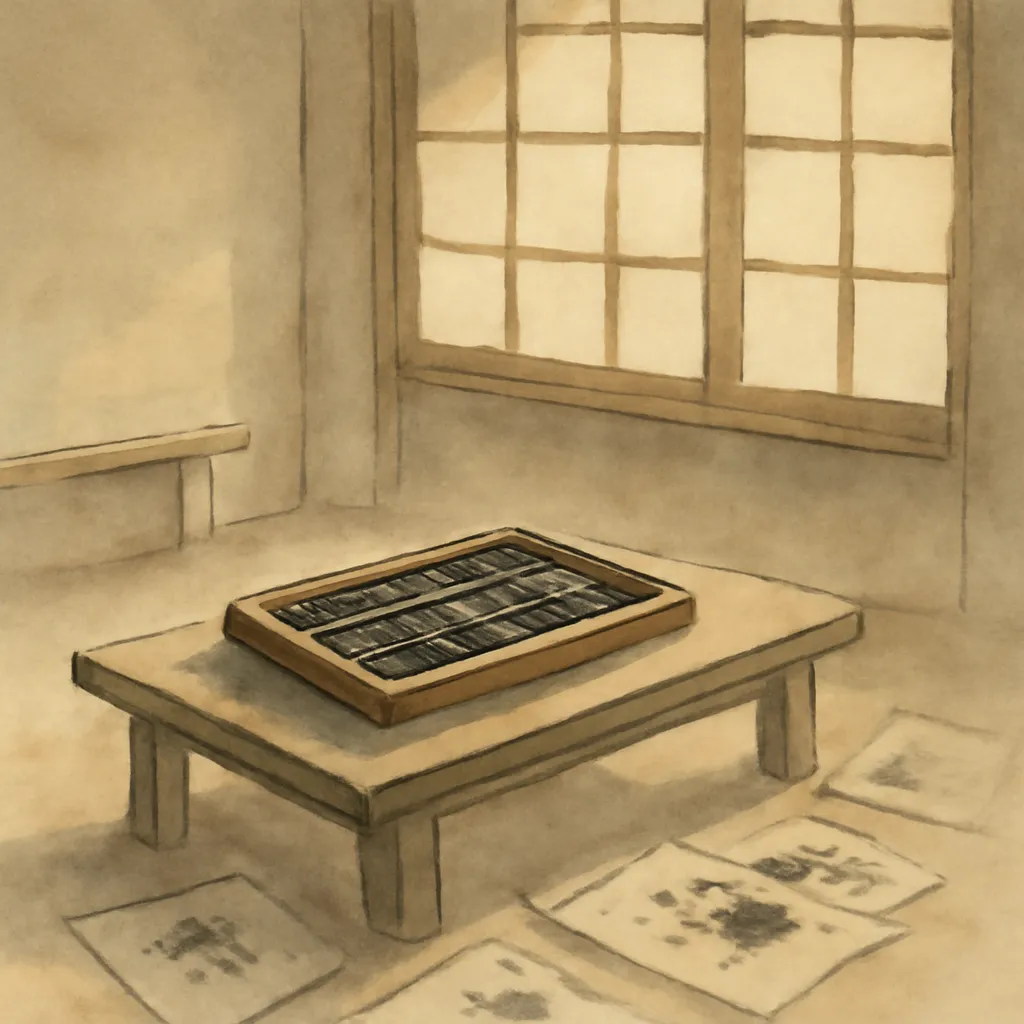
The author reflects on his early education, which took place at a private gentleman's school, a stark contrast to the formal school systems we see today. Classes focused primarily on penmanship and arithmetic, utilizing wooden frames with beads, known as soroban, to teach basic math. This method, while traditional, fostered a hands-on approach to learning, emphasizing practical skills over theoretical knowledge. The author’s schoolmaster, a Yamabushi priest, embodied a unique blend of spiritual and educational guidance, demonstrating the deep intertwining of culture and learning in Japan. Through these experiences, the narrative illustrates how education was less about rote memorization and more about engaging with the material, fostering a love for learning that resonates with modern educational philosophies.
3.Childhood Innocence and Mischief
The author's recollections of school life are colored by the innocence and mischief typical of childhood. With ink-stained hands and faces, the boys would rush home, only to be sent back to wash before dinner—a ritual that highlights the simplicity of daily life. The absence of modern conveniences, such as running water, brings forth a sense of nostalgia for a time when life was unhurried and connected to nature. The playful camaraderie among the boys, engaging in games like hide-and-seek and others, showcases the joys of childhood friendships and the importance of play in personal development. These moments serve as a reminder that childhood is a universal experience, filled with laughter, learning, and the occasional mischief.
4.Cultural Rituals in Daily Life
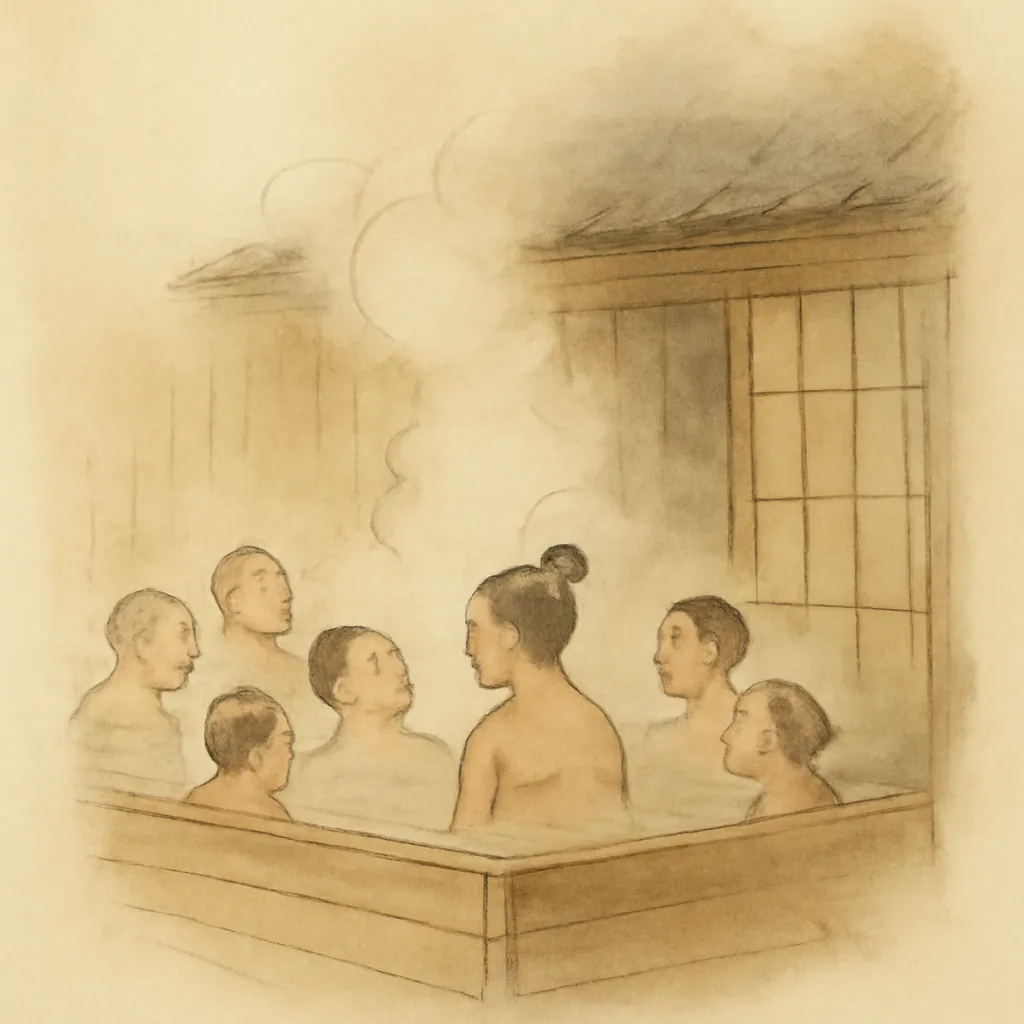
The narrative delves into the cultural rituals that punctuated the author's childhood, particularly the significance of communal bathing in public bathhouses. These establishments served as social hubs, where townspeople gathered to relax and converse, reinforcing community ties. The detailed description of the bathhouse experience reveals much about Japanese customs surrounding cleanliness and social interaction. The author’s observations about the unique methods of bathing, such as the use of rice-bran bags, illustrate the resourcefulness and traditions embedded in daily routines. This cultural insight not only enriches the reader's understanding of Japanese life but also highlights the universal need for community and connection.
5.Family Dynamics and Gender Roles
The author's reflections on family life reveal the dynamics between parental figures, particularly the contrasting personalities of his mother and father. The mother, depicted as nurturing and social, enjoys the company of young people, while the father finds solace in solitary pursuits like fishing and mushroom hunting. This duality reflects broader societal norms regarding gender roles and familial expectations in Japan. The father's calm demeanor and the mother's lively spirit create a balanced home environment, illustrating how different approaches to life can coexist harmoniously. The author’s appreciation for both parents underscores the importance of diverse influences in shaping a child's character and values.
6.Holidays: A Time of Joy and Tradition
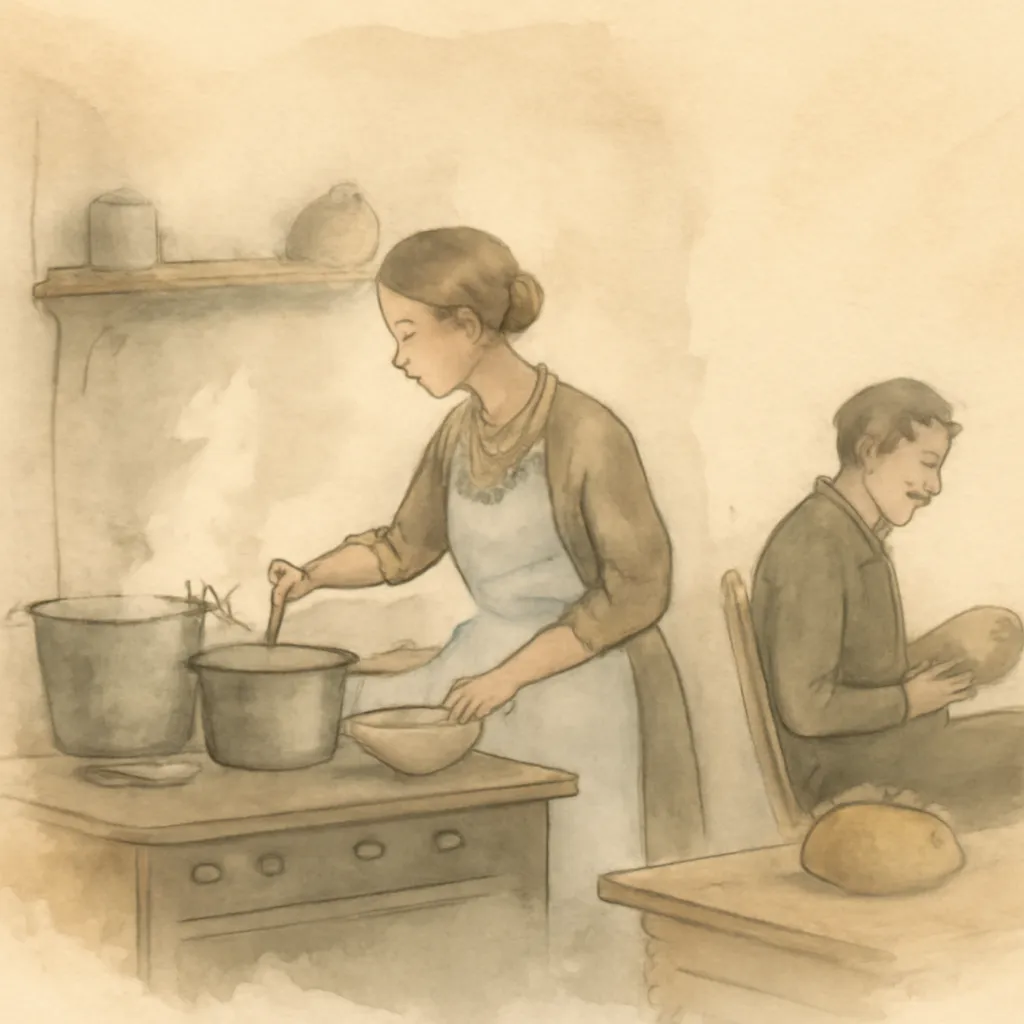
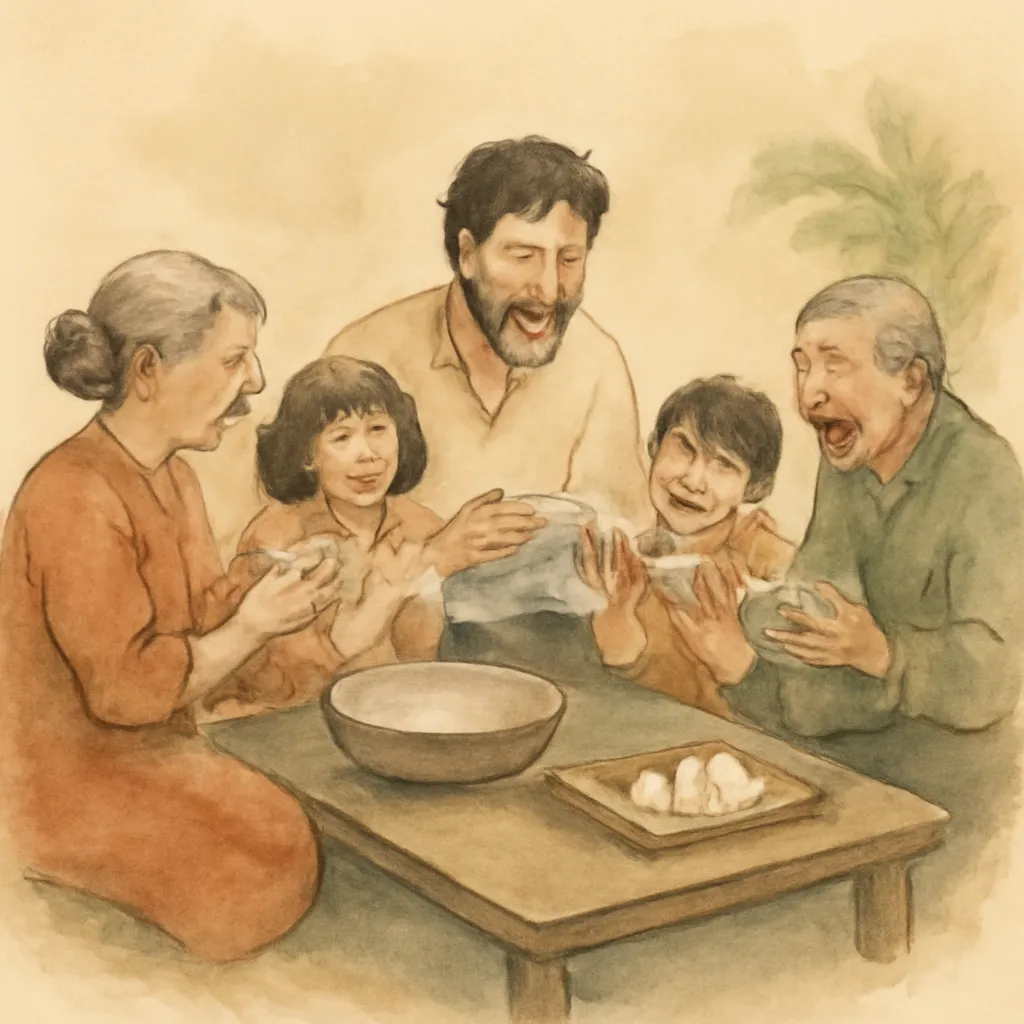
Holidays hold a special place in the author’s memories, with New Year’s Day standing out as the most significant celebration. The excitement surrounding the preparation of mochi, a traditional rice cake, captures the spirit of family and community. The author’s vivid descriptions of the mochi-making process, filled with anticipation and joy, highlight the importance of culinary traditions in Japanese culture. Beyond New Year’s, various festivals throughout the year, such as the Feast of Dolls and the Tanabata festival, further enrich the narrative, showcasing the diversity of Japanese celebrations. Each holiday brings unique customs and delicacies, fostering a sense of belonging and continuity in the author's life.
7.The World of Play: Games and Competitions
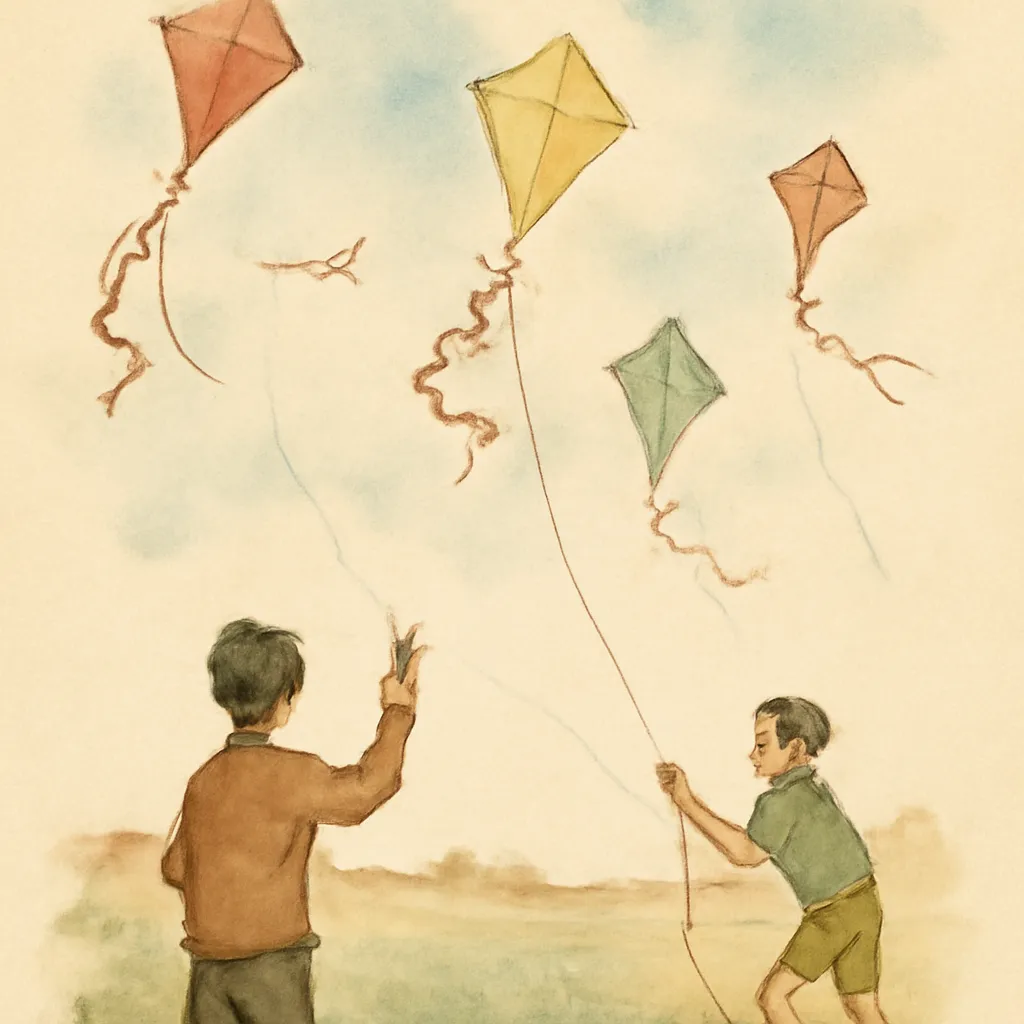
Play is a central theme in the author’s childhood, with various games reflecting both competition and cooperation among peers. The descriptions of kite flying, with its vibrant colors and the thrill of battles to cut strings, illustrate the joy and excitement of outdoor activities. The author’s engagement in traditional games, such as throwing chips and hide-and-seek, reveals how play fosters social skills and camaraderie. These moments of lightheartedness are juxtaposed with the more serious undertones of competition, reflecting a healthy balance between fun and rivalry. Through these games, the narrative underscores the significance of play in childhood development, serving as a foundation for lifelong friendships and skills.
8.The Role of Nature in Childhood
Nature plays a pivotal role in shaping the author’s experiences and memories. The serene landscapes of Imabari, with its rivers, beaches, and mountains, provide a backdrop for exploration and adventure. The author’s fishing trips with his father exemplify the bond between parent and child, strengthened by shared experiences in nature. The vivid imagery of the natural world—the scent of the sea, the rustling of leaves, and the beauty of the changing seasons—evokes a deep appreciation for the environment. This connection to nature not only enriches the author’s childhood but also instills a sense of respect and wonder for the world around him. It serves as a reminder of the importance of outdoor experiences in fostering creativity and curiosity.
9.Health and Healing Traditions
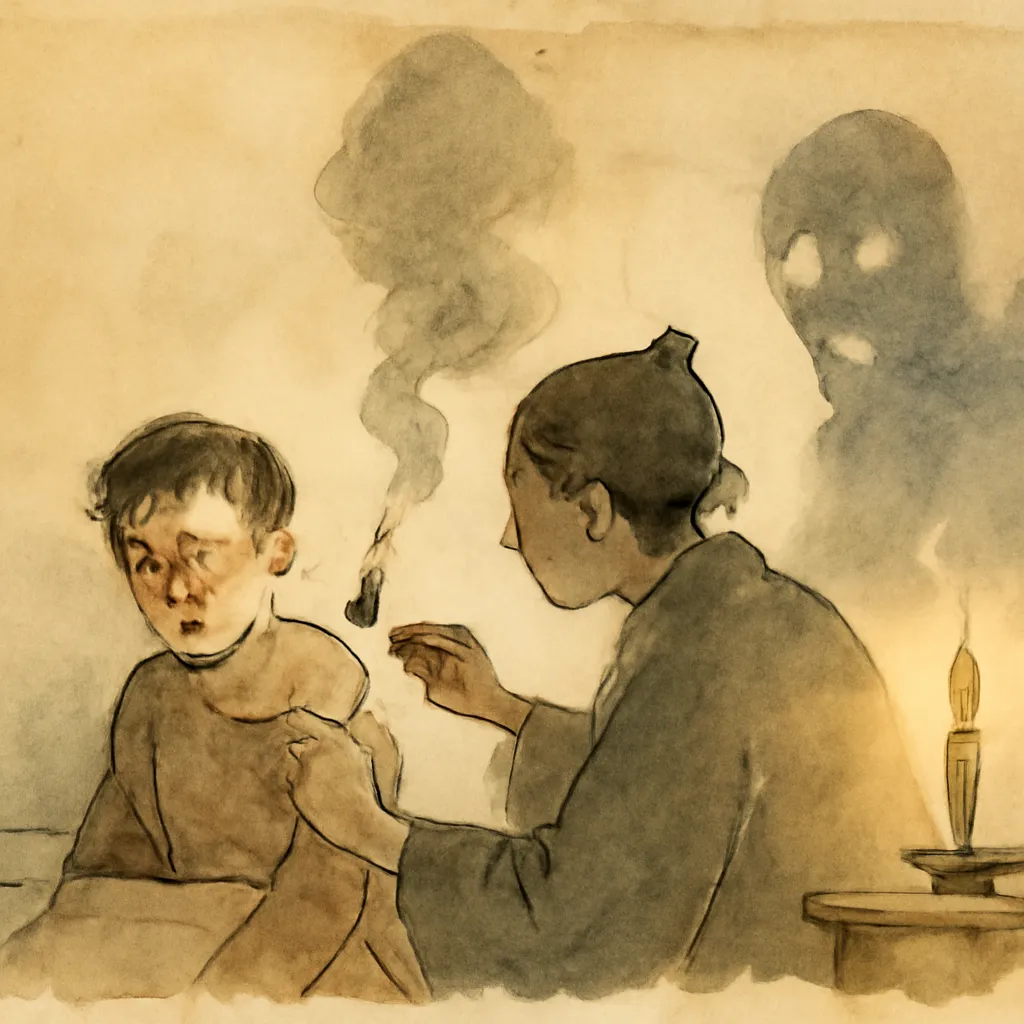
The author’s experiences with traditional healing practices, such as the yaito, reveal deep cultural beliefs surrounding health and wellness in Japan. Described as a painful but necessary treatment involving burning moxa on the skin, the author’s childhood fear of this practice highlights the complexities of parental care and cultural rituals. Despite the discomfort, the yaito is portrayed as an effective remedy, illustrating the trust placed in traditional medicine. This relationship between pain and healing reflects a broader theme of resilience and the acceptance of discomfort for the sake of health. The narrative encourages readers to consider how cultural practices shape our understanding of well-being and the lengths families go to protect their loved ones.
10.Religious and Spiritual Influences
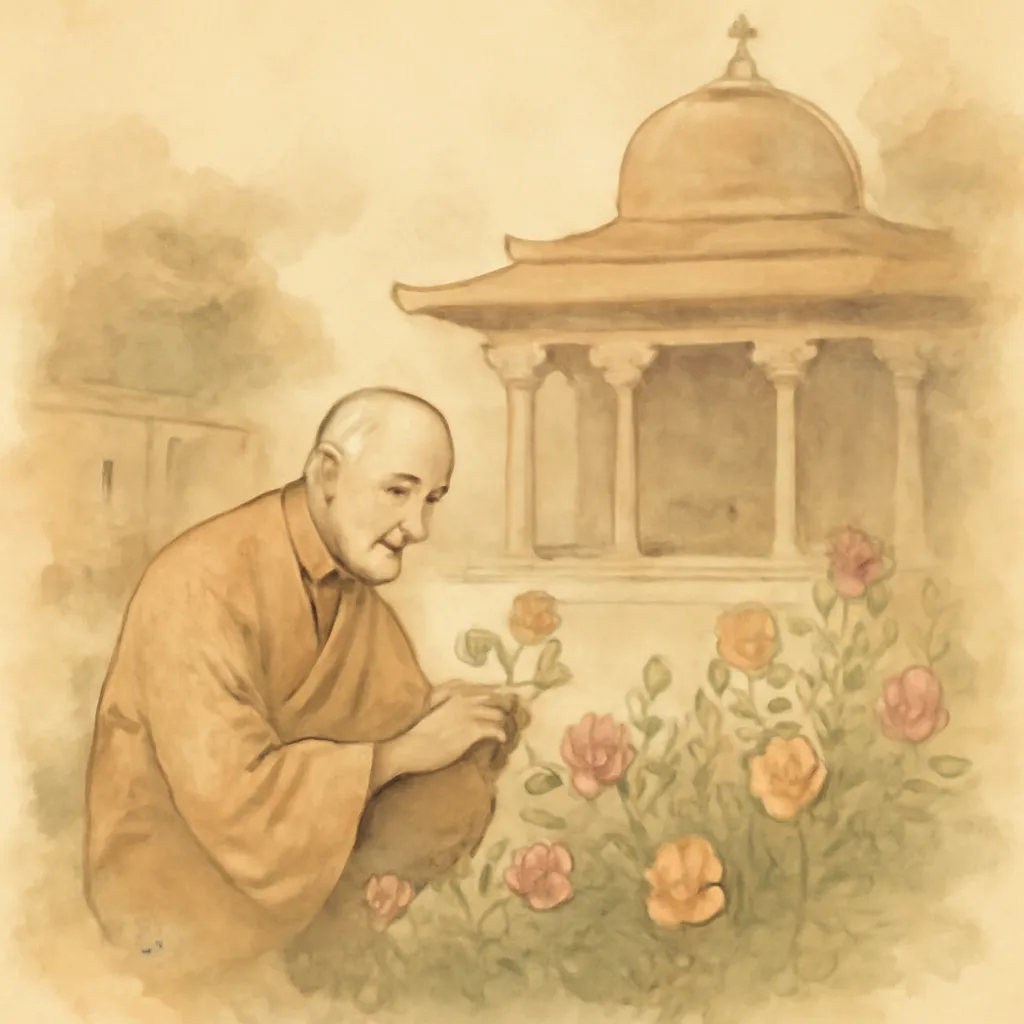
The author’s interactions with local temples and festivals reveal the significant role of religion and spirituality in community life. The gentle head-priest, with his love for children and flowers, embodies the nurturing aspect of spirituality, offering comfort and kindness to the young narrator. The rituals surrounding temple visits and festivals, filled with prayers and offerings, highlight the deep-rooted traditions that connect individuals to their cultural heritage. The vivid descriptions of festivals, with their vibrant lights and communal celebrations, illustrate how spirituality permeates daily life, fostering a sense of belonging and continuity. This exploration of religious influences invites readers to reflect on their own beliefs and the role they play in shaping community and identity.
11.A Tapestry of Memories: The Power of Reflection
Throughout the narrative, the author reflects on the power of memory in shaping identity and understanding the past. Each recollection, whether joyful or painful, contributes to a rich tapestry of experiences that define who he is. The act of writing serves as a means of preserving these memories, allowing the author to reconnect with his childhood and the values instilled by his family and culture. This introspection emphasizes the importance of storytelling in understanding one’s roots and the experiences that shape us. As readers, we are reminded of the significance of our own memories and the stories that connect us to our heritage, urging us to cherish and reflect on our unique journeys.