1.The Significance of Family Legacy

The narrative opens with an emphasis on the Delmé family mansion, a 'vast and venerable pile' that embodies their rich heritage and noble standing. This setting is not mere background; it serves as a character in itself, reflecting the family's history and traditions. The Delmés are depicted as an old Norman family, whose legacy is marked by benevolence and respect for their tenants. Sir Henry Delmé's commitment to maintaining these relationships, even as society shifts towards a more self-serving aristocracy, illustrates his deep understanding of the importance of loyalty and duty. The narrative shows how Sir Henry spurns the advice of those who would have him distance himself from his tenants, choosing instead to cultivate strong bonds that enhance both his social standing and moral integrity. This dedication to family and heritage not only shapes Sir Henry's decisions but also influences the actions of his siblings, creating a familial dynamic steeped in tradition and responsibility. As the story unfolds, the weight of this legacy becomes increasingly apparent, influencing the characters' choices and the trajectory of their lives.
2.The Glow and Trials of Young Love

In the early chapters, the narrative captures the exuberance of young love through the interactions of Emily Delmé and Clarendon Gage. Their reunion after his travels is marked by a palpable energy, showcasing the joy and innocence of their blossoming romance. Emily's radiant demeanor and playful banter reflect the idealism often associated with youthful affection. The descriptions of Emily looking radiant and Clarendon’s evident happiness serve to create a vivid tableau of their affection, reminiscent of the carefree nature of young love. However, this joy is juxtaposed with the complexities that later emerge, particularly as Sir Henry develops feelings for Acmé, a beautiful and spirited Greek woman. The early portrayal of love stands in stark contrast to the emotional turmoil that will arise as the characters confront societal expectations and personal desires. This duality invites readers to reflect on the nature of love, particularly how it evolves and the trials it faces as individuals mature. Christie effectively shows that love is not merely an idyllic feeling but a complex journey fraught with obstacles, misunderstandings, and the inevitable drift toward maturity.
3.Memory and Its Emotional Weight
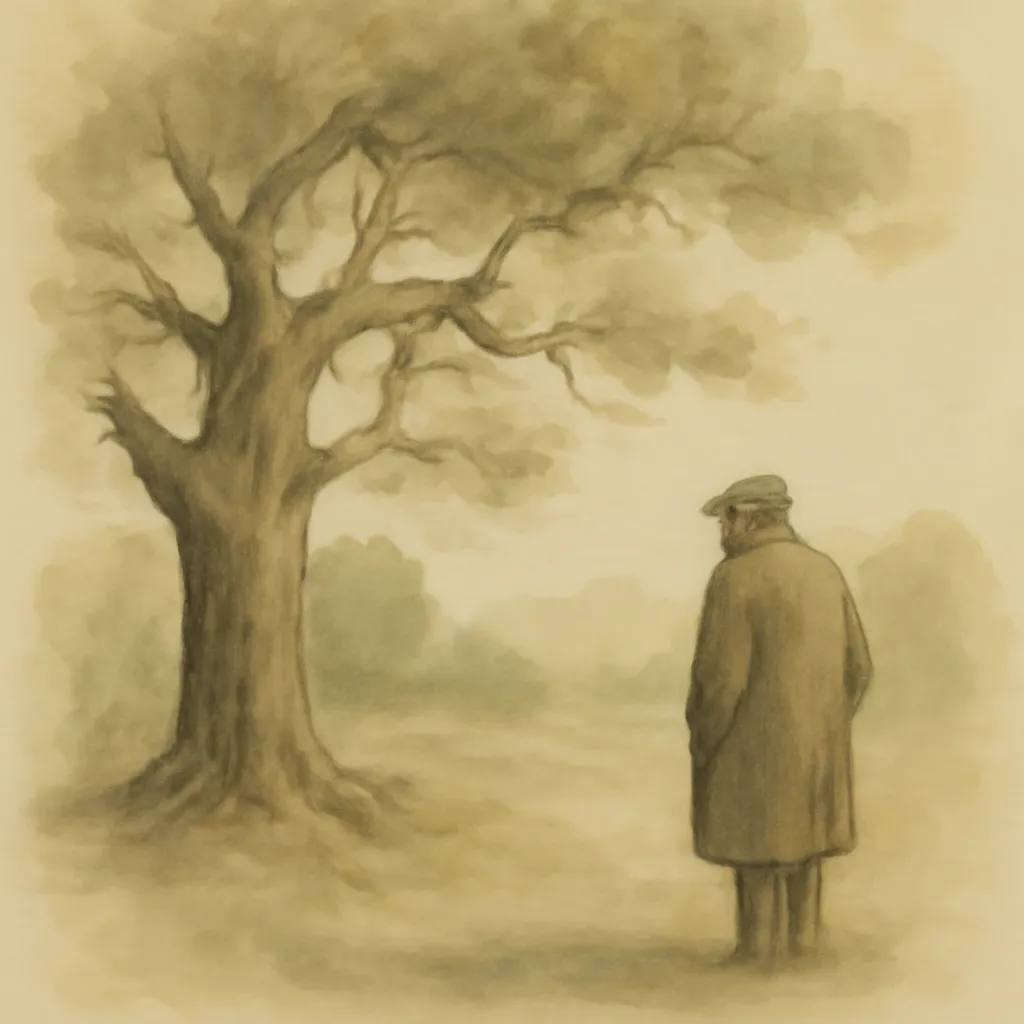
Memory acts as a powerful force throughout the narrative, shaping the characters' identities and influencing their actions. Sir Henry often reflects on the history of Delmé Park and the memories associated with it, revealing how the past informs the present. The reminiscences of his mother and the idyllic past of the family underscore the emotional weight that memories carry. For instance, moments of nostalgia provide depth to Sir Henry's character, highlighting his struggles as he balances familial duty with personal aspirations. The exploration of memory is not solely a retrospective lens; it actively impacts the decisions characters make in their relationships, particularly in moments of doubt or grief. As Emily and Sir Henry navigate their emotional landscapes, the memories they hold become intricate threads weaving together the fabric of their identities. Memory serves to connect the past with the present, illustrating how experiences shape character traits and future actions. The narrative illustrates how memory can serve as both a comfort and a burden, emphasizing that the recollection of happier times can be bittersweet when faced with harsh realities.
4.Romantic Complexities and Societal Pressures

As the story progresses, the intricacies of romantic relationships come to the forefront, particularly through the evolving dynamics among Sir Henry, Emily, and Clarendon. The narrative carefully examines the expectations placed upon each character, especially as Sir Henry's feelings for Acmé complicate the relationships he shares with his sister and her fiancé. This love triangle introduces tension, underscoring the societal pressures that dictate their actions and feelings. Sir Henry's conflict becomes pronounced as he navigates his burgeoning love for Acmé while feeling a sense of obligation to uphold his familial ties and protect Emily's feelings. Christie adeptly illustrates the theme that love is seldom straightforward; it often requires navigating a maze of emotions, expectations, and social norms. The misunderstandings stemming from competing loyalties serve to heighten the drama, prompting readers to consider the complexities of love and the sacrifices it demands. Ultimately, the narrative reveals that societal expectations can significantly impact personal happiness, as characters grapple with the tension between individual desires and communal obligations.
5.The Strength of Sibling Bonds

The sibling relationship between Emily and Sir Henry serves as a cornerstone of the narrative, emphasizing the importance of familial loyalty amidst the trials they face. Their bond is characterized by mutual support and understanding, particularly as they navigate George's illness and the impact it has on their family dynamics. Emily's unwavering dedication to her brother exemplifies the strength of their connection, as she strives to maintain harmony and protect their familial legacy. This theme of sibling loyalty is further emphasized by their shared memories and commitments. The narrative showcases moments of tenderness and solidarity, allowing readers to observe how their bond serves as a source of strength during challenging times. The portrayal of their relationship highlights the idea that family ties can provide profound emotional support, reinforcing the notion that loyalty and love within a family unit can endure even in the face of adversity. Christie suggests that such bonds are essential not only for individual well-being but also for maintaining the integrity of family legacies.
6.The Shadows of Grief and Loss

As the story unfolds, the theme of grief emerges powerfully, particularly through George Delmé's traumatic experiences that profoundly affect his mental and emotional state. His struggle with the loss of loved ones, combined with the weight of familial expectations, illustrates the harsh realities of life that the characters must confront. The narrative does not shy away from depicting the complexities of grief, showcasing how it can alter character dynamics and lead to moments of despair. George's journey through loss serves as a poignant reminder of the fragility of life and the resilience required to navigate such heartache. Acmé's role as a source of comfort and healing underscores the transformative power of love, highlighting how connections forged in adversity can provide strength and solace. George’s illness, compounded by his emotional turmoil, adds a layer of urgency to the unfolding drama, as the family grapples with their fears and hopes for his recovery. The exploration of grief adds depth to the narrative, inviting readers to reflect on their own experiences with loss and the healing power of love in the aftermath.
7.Cultural Encounters and Identity

The characters' experiences in Malta provide a rich tapestry for exploring themes of cultural identity and the intersections of different worlds. Acmé, as a Greek woman, represents a blending of cultures and her relationship with George Delmé serves as an exploration of cross-cultural romance. Their love story highlights the complexities that arise from differing cultural backgrounds and societal norms, particularly as they navigate the expectations placed upon them. Christie skillfully illustrates the challenges of cultural integration, showcasing the tension between Acmé's Greek heritage and George's British upbringing. Their relationship becomes emblematic of the broader theme that love transcends cultural boundaries, yet it also requires understanding, compromise, and acceptance. The narrative underscores that cultural encounters can lead to profound personal transformations, as characters confront their identities in relation to one another. This exploration invites readers to consider the broader implications of love across cultures, emphasizing the potential for connection and understanding that transcends societal divides.
8.Nature's Role in Emotional Landscapes

Nature serves as a significant backdrop throughout the narrative, mirroring the emotional states of the characters and enhancing the overall depth of the story. The lush landscapes of Malta and the grandeur of the Delmé mansion evoke a sense of beauty and tranquility, providing a stark contrast to the characters' inner turmoil. The descriptions of the serene natural settings serve as a counterbalance to the emotional chaos experienced by the characters, creating a lyrical quality to the narrative. Nature becomes a refuge for characters seeking solace, as they often retreat to the outdoors during moments of reflection and distress. This connection to nature underscores the theme of renewal and healing, illustrating how the beauty of the environment can offer comfort in times of grief. The imagery of the landscapes serves to amplify the emotional currents running through the narrative, inviting readers to connect with the characters’ journeys on a visceral level. Nature’s ability to reflect and influence human emotions adds a rich layer to the storytelling, deepening the reader's engagement with the characters’ experiences.
9.The Quest for Happiness and Fulfillment

At its core, 'A Love Story' delves into the universal quest for happiness and fulfillment amidst societal expectations and personal desires. The characters grapple with their aspirations and the roles they are expected to fulfill, particularly as they navigate the challenges posed by love and loss. Sir Henry's journey toward self-discovery, juxtaposed with Emily's longing for affection and acceptance, illustrates the complexity of pursuing true happiness. As the narrative unfolds, it becomes clear that the pursuit of fulfillment is fraught with obstacles that require courage and resilience. Christie emphasizes that true contentment lies not in societal approval but in the genuine connections forged with others and the courage to follow one's heart, even when the journey is uncertain. The characters’ struggles with their desires and limitations serve as a mirror for readers, prompting reflection on their own pursuits of happiness and the sacrifices required to achieve it. Ultimately, the narrative suggests that the quest for happiness is a deeply personal journey, shaped by love, loss, and the bonds that unite us.