
A Love Story intricately weaves the themes of love, loss, and familial duty against the backdrop of societal expectations and personal desires
Read full overviewShow less›
In 'A Love Story' by William Harvey Christie, readers are transported into the world of the Delmé family, exploring the tangled web of their relationships amidst the challenges of 19th-century England and Malta. The narrative unfolds with vivid descriptions and multifaceted characters, who each grapple with their emotions, societal pressures, and personal aspirations. As love blossoms and grief lingers, Christie delves into how these experiences shape the characters' identities and fates. The story navigates the spectrum of human emotions, revealing the contrasts between joy and sorrow, duty and desire, ultimately illustrating the timeless quest for happiness and connection in a world rife with challenges.
William Harvey Christie’s 'A Love Story' is a profound exploration of love's complexities, the intricacies of familial ties, and the enduring struggle for happiness amidst societal expectations. Through its richly drawn characters and evocative settings, the narrative invites readers to reflect on their own experiences with love and loss while embarking on a journey of self-discovery. The interplay of memory, cultural identity, and emotional landscapes deepens the story, making it a resonant tale that speaks to the human experience. Ultimately, the novel serves as a powerful reminder of love's transformative power, the resilience of the human spirit, and the importance of family bonds in navigating life's trials.
- 1The Significance of Family Legacy
- 2The Glow and Trials of Young Love
- 3Memory and Its Emotional Weight
- 4Romantic Complexities and Societal Pressures
- 5The Strength of Sibling Bonds
Notable quotes
“It was a vast and venerable pile.”
“Oh that the desert were my dwelling place, With one fair spirit for my minister; That I might all forget the human race, And, hating no one, love but only her.”
“Hues which have words, and speak to ye of heaven.”
A glimpse inside

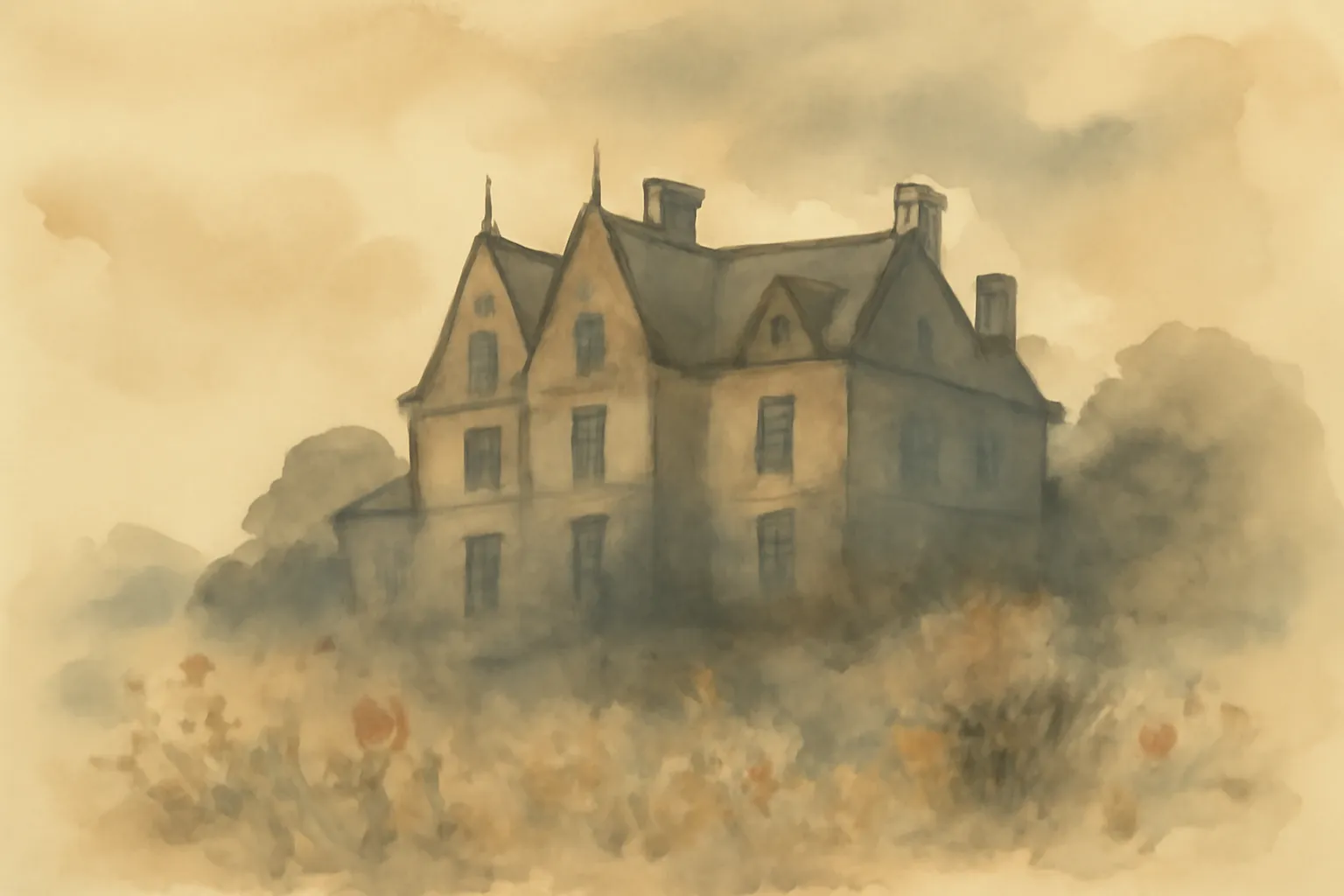
The narrative opens with an emphasis on the Delmé family mansion, a 'vast and venerable pile' that embodies their rich heritage and noble standing. Read moreThe narrative opens with an emphasis on the Delmé family mansion, a 'vast and venerable pile' that embodies their rich heritage and noble standing. This setting is not mere background; it serves as a character in itself, reflecting the family's history and traditions. The Delmés are depicted as an old Norman family, whose legacy is marked by benevolence and respect for their tenants. Sir Henry Delmé's commitment to maintaining these relationships, even as society shifts towards a more self-serving aristocracy, illustrates his deep understanding of the importance of loyalty and duty. The narrative shows how Sir Henry spurns the advice of those who would have him distance himself from his tenants, choosing instead to cultivate strong bonds that enhance both his social standing and moral integrity. This dedication to family and heritage not only shapes Sir Henry's decisions but also influences the actions of his siblings, creating a familial dynamic steeped in tradition and responsibility. As the story unfolds, the weight of this legacy becomes increasingly apparent, influencing the characters' choices and the trajectory of their lives. Show less
In the early chapters, the narrative captures the exuberance of young love through the interactions of Emily Delmé and Clarendon Gage. Read moreIn the early chapters, the narrative captures the exuberance of young love through the interactions of Emily Delmé and Clarendon Gage. Their reunion after his travels is marked by a palpable energy, showcasing the joy and innocence of their blossoming romance. Emily's radiant demeanor and playful banter reflect the idealism often associated with youthful affection. The descriptions of Emily looking radiant and Clarendon’s evident happiness serve to create a vivid tableau of their affection, reminiscent of the carefree nature of young love. However, this joy is juxtaposed with the complexities that later emerge, particularly as Sir Henry develops feelings for Acmé, a beautiful and spirited Greek woman. The early portrayal of love stands in stark contrast to the emotional turmoil that will arise as the characters confront societal expectations and personal desires. This duality invites readers to reflect on the nature of love, particularly how it evolves and the trials it faces as individuals mature. Christie effectively shows that love is not merely an idyllic feeling but a complex journey fraught with obstacles, misunderstandings, and the inevitable drift toward maturity. Show less
Read the full text — free
About the author
Read William Harvey Christie's work free on Lumina — the complete text plus an 8-minute summary and key ideas, no account needed