1.The Pioneering Spirit of Exploration
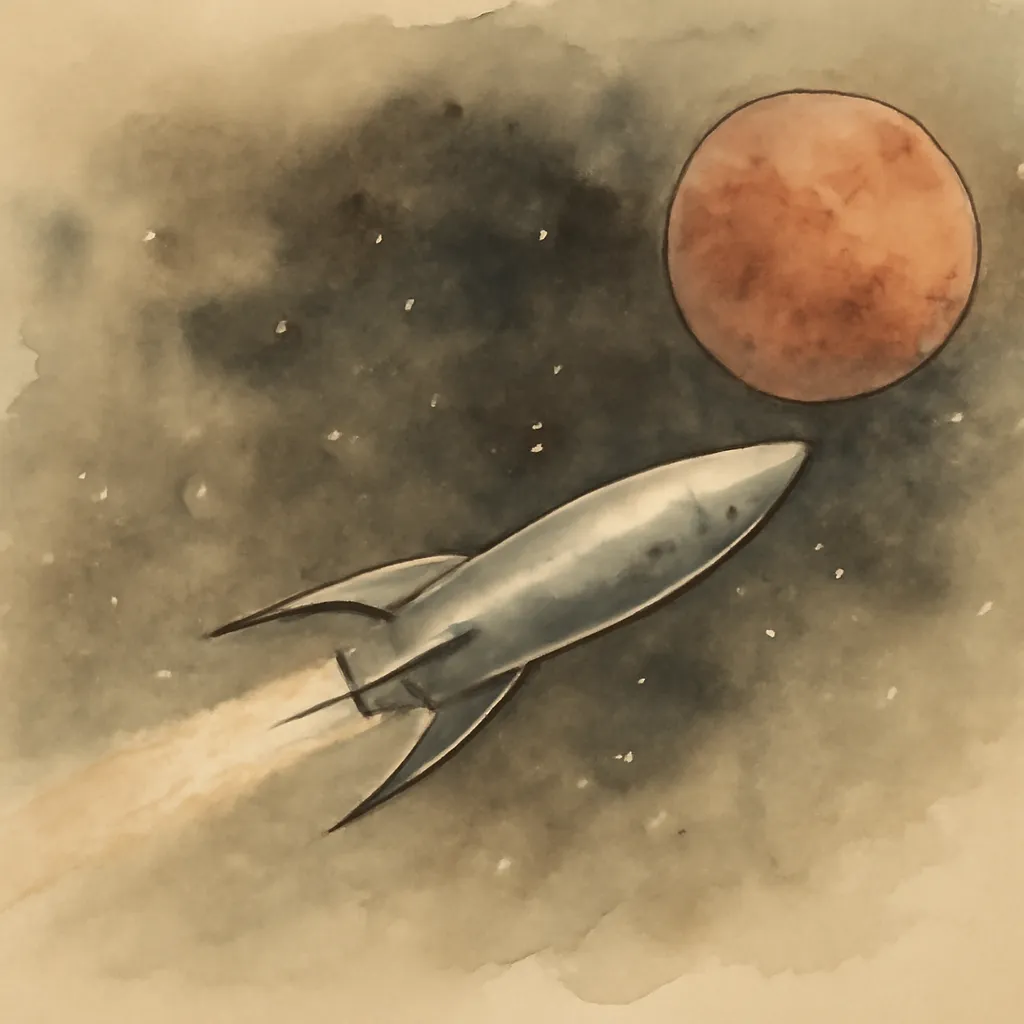
The story begins with the crew of the Ares, who represent the pioneering human spirit that drives exploration beyond Earth. Their journey to Mars marks a significant milestone in human history, being the first successful crew to leave the Earth-moon system. The characters face numerous hardships, from acclimatization to the Martian environment to the risks of navigating the unknown. This spirit of adventure is not just about physical exploration; it embodies the quest for knowledge and understanding of the universe. Their excitement and trepidation highlight the dual nature of exploration: the thrill of discovery and the fear of the unknown. The narrative captures how these explorers embody humanity's intrinsic desire to push boundaries, confront fears, and seek out the mysteries that lie beyond the familiar.
2.Tweel: The Alien Friend
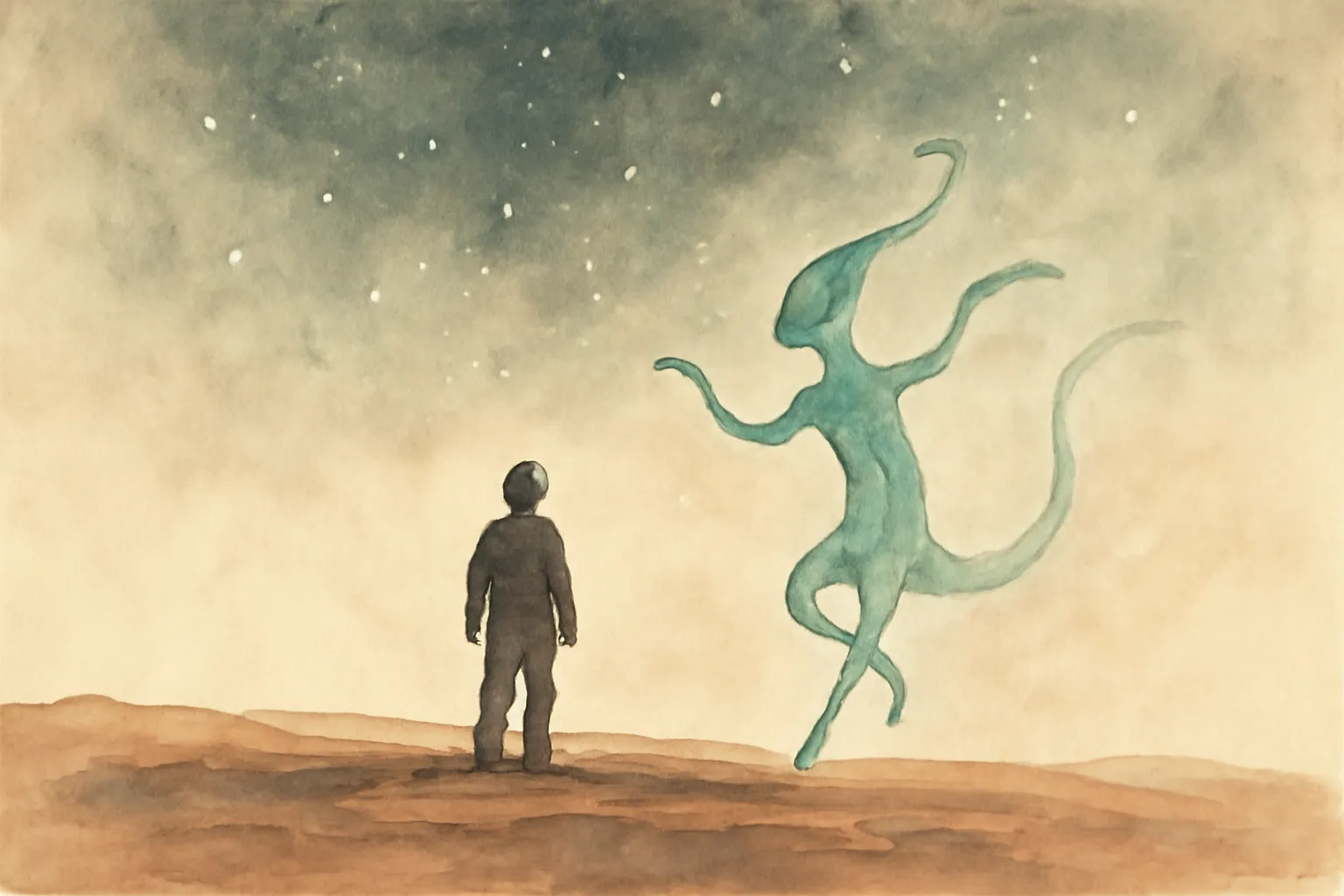
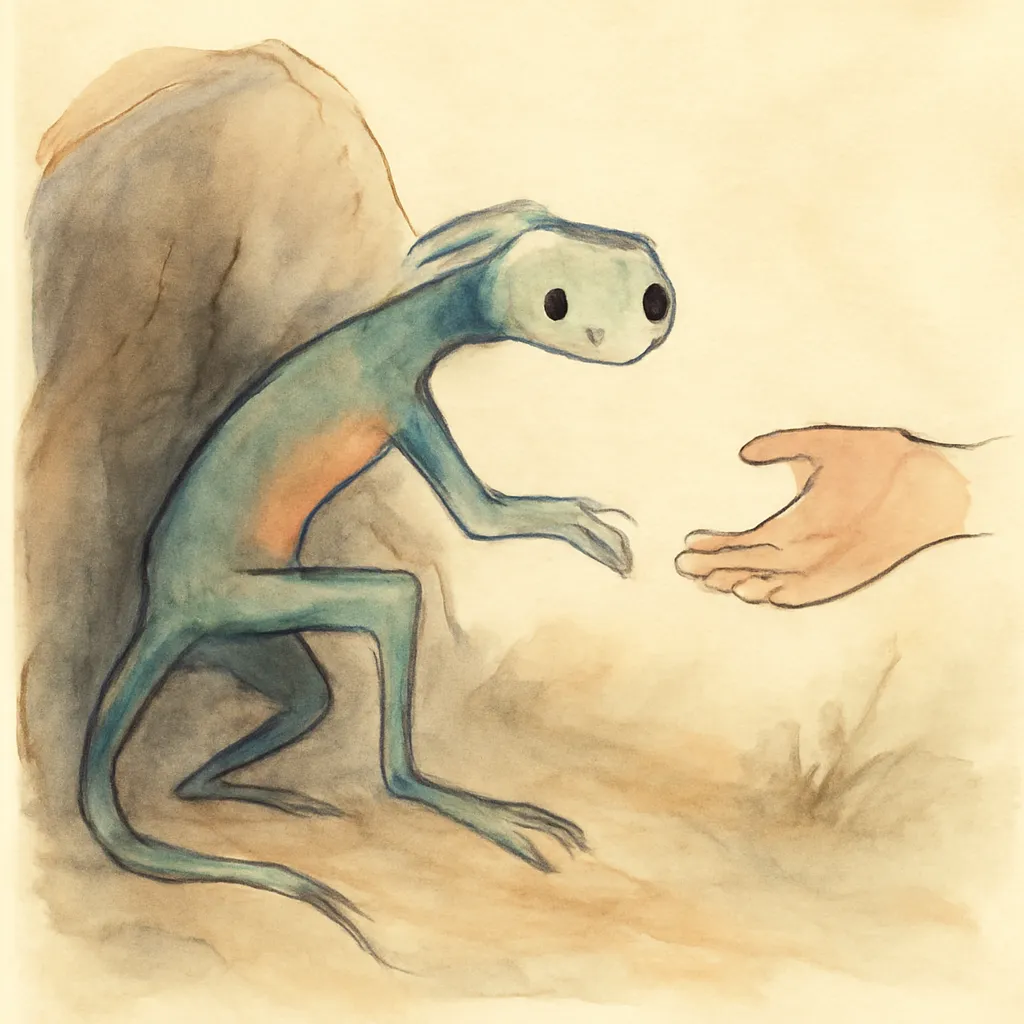
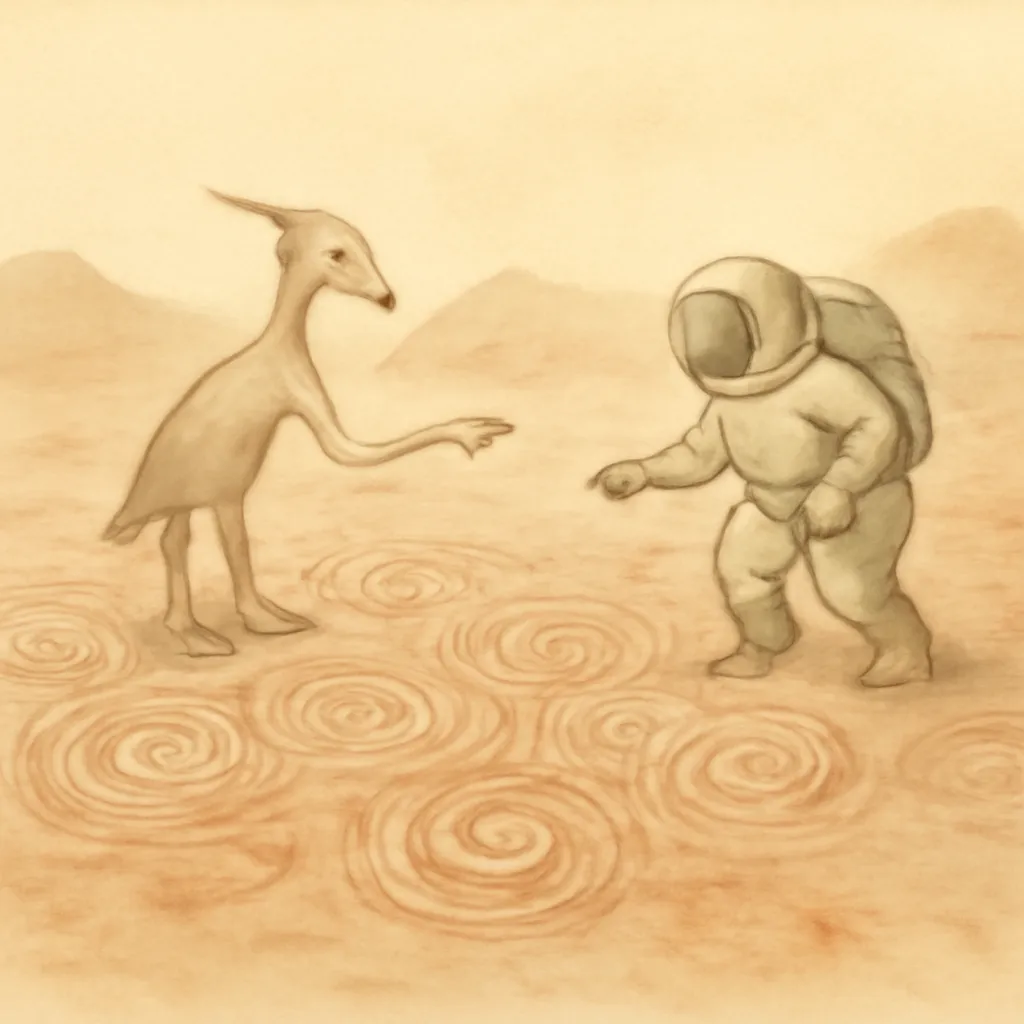
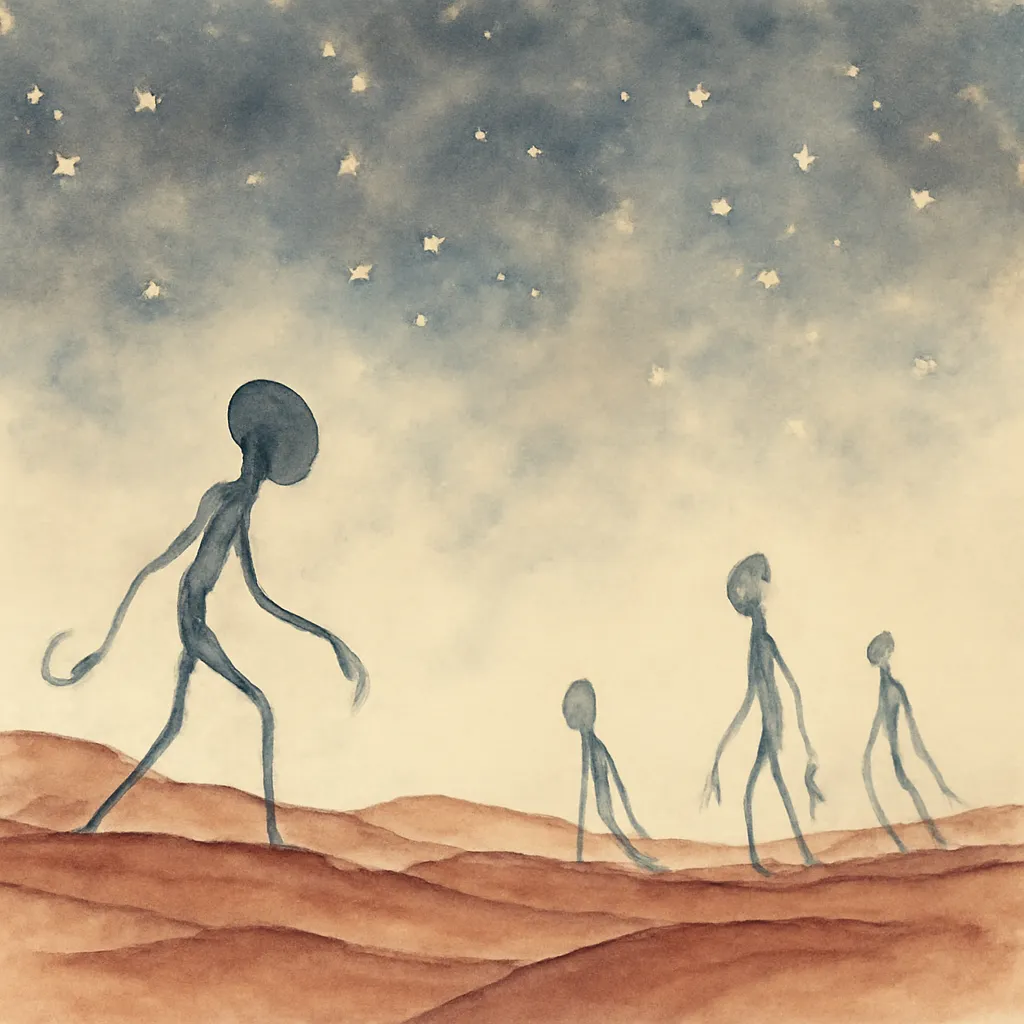
Jarvis's encounter with Tweel, an alien creature, serves as the crux of the narrative, illustrating the potential for friendship between vastly different beings. Despite the initial language barrier—Jarvis knowing only a handful of English words—Tweel demonstrates a form of intelligence that transcends human understanding. Through their interactions, Jarvis comes to appreciate Tweel's unique perspective on life and survival on Mars. Tweel’s behavior, such as his ability to adapt to the harsh environment and his peculiar communication methods, challenges the notion of what it means to be intelligent. The relationship between Jarvis and Tweel exemplifies the idea that friendship is rooted in understanding and empathy, even when traditional forms of communication are absent. This connection ultimately serves as a reminder that intelligence can be expressed in diverse ways, enriching our own understanding of what it means to relate to others.
3.The Landscape of Mars: A Character in Itself
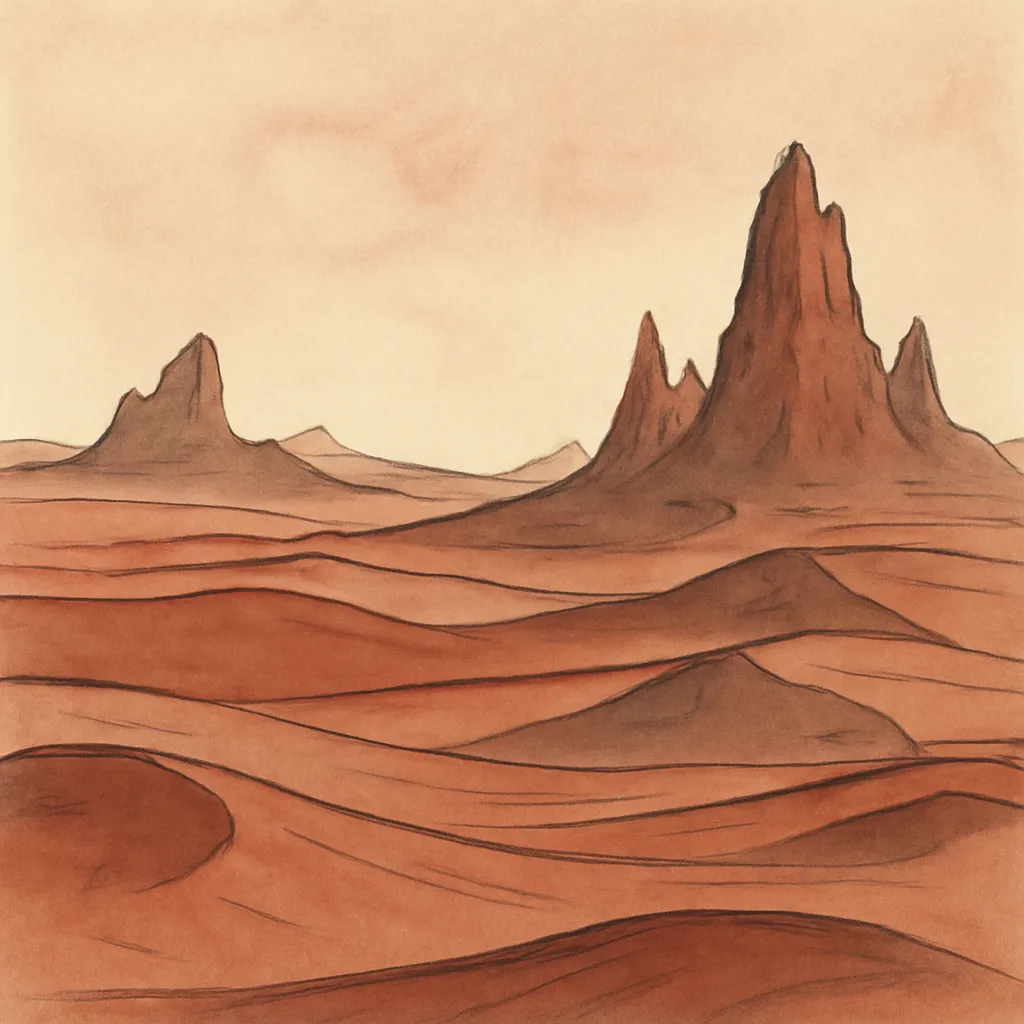
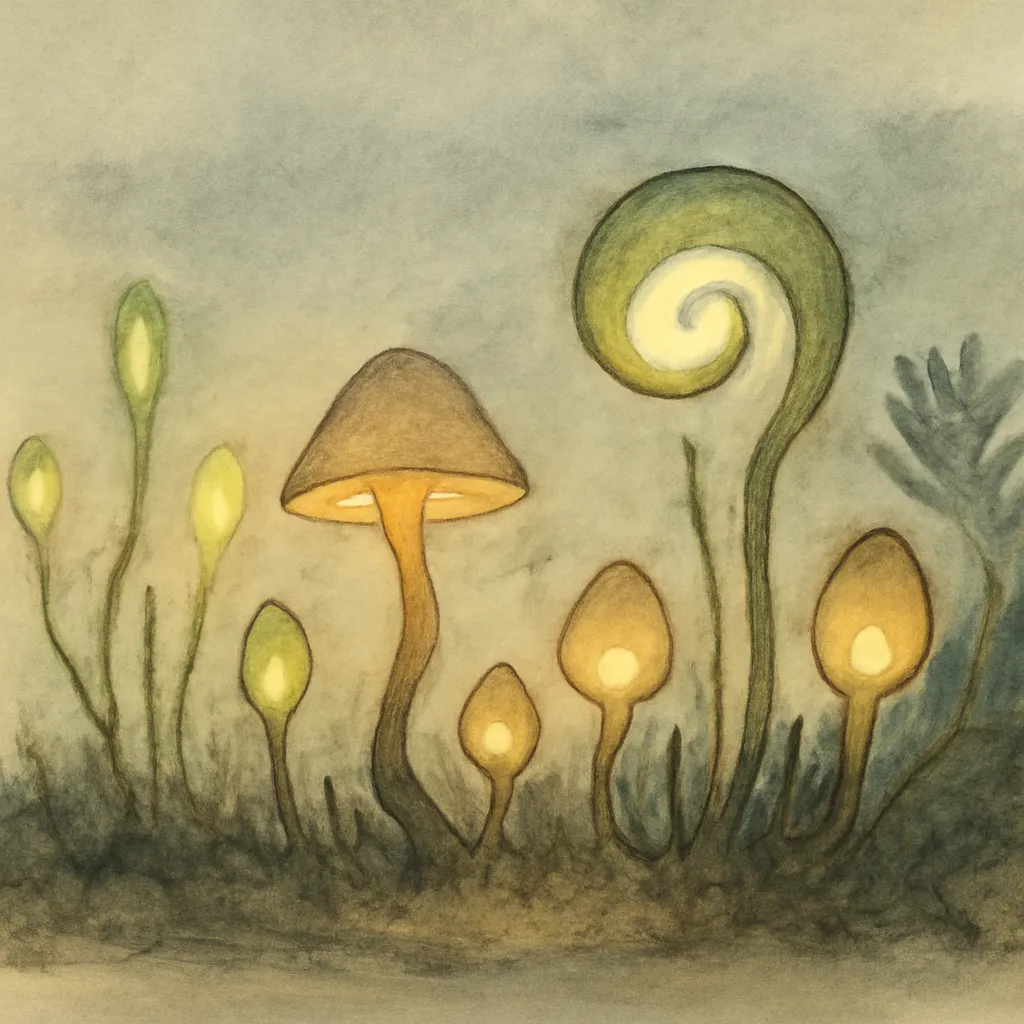
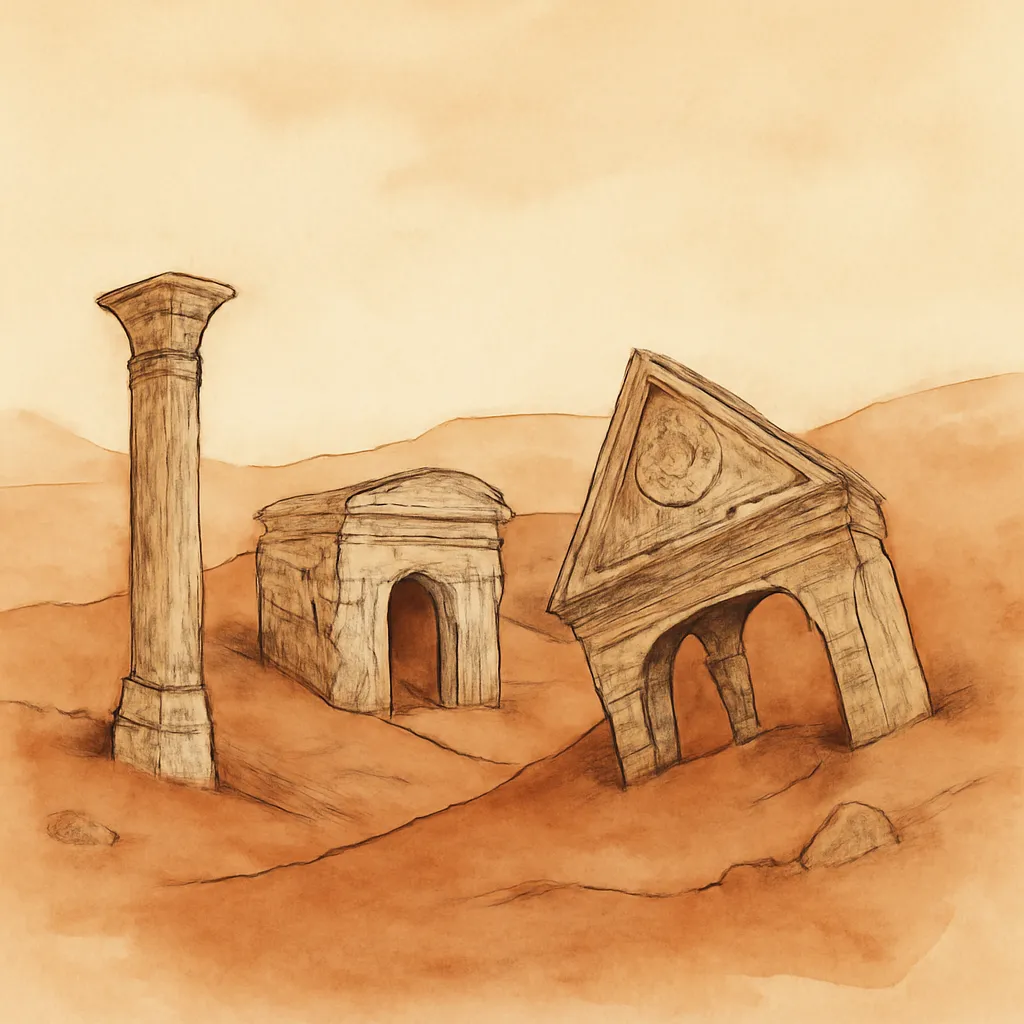
Mars is not merely a backdrop for human adventure; it is a character that shapes the narrative and influences the characters’ experiences. The desolate beauty of the Martian landscape, with its endless plains and bizarre flora, creates both a sense of wonder and foreboding. The Mare Chronium, or Sea of Time, represents the monotony and isolation that Jarvis feels as he traverses the planet. This stark environment forces the crew to confront their vulnerabilities and fears, as they are stripped of the comforts of Earth. The challenges posed by the terrain and weather, such as sand storms, add tension to the expedition and serve as metaphors for the unpredictability of exploration and discovery. The detailed descriptions of this alien landscape enrich the narrative, allowing readers to vividly imagine the Martian environment while underscoring its role in shaping the expedition's dynamics.
4.Communication Beyond Language
The interactions between Jarvis and Tweel reveal the complexities of communication that extend beyond spoken language. Jarvis learns to interpret Tweel's gestures and behaviors, understanding that communication can take many forms. This theme underscores the idea that true connection is not solely reliant on words but also on empathy and the willingness to understand another's perspective. The exploration of how two beings from different worlds can find common ground highlights the potential for cooperation and friendship despite inherent differences. The narrative illustrates that the essence of communication is rooted in intent and understanding rather than mere verbal exchange. As Jarvis navigates this new form of communication with Tweel, he learns to appreciate the subtleties of non-verbal cues and emotional expressions, deepening their bond.
5.The Concept of Intelligence
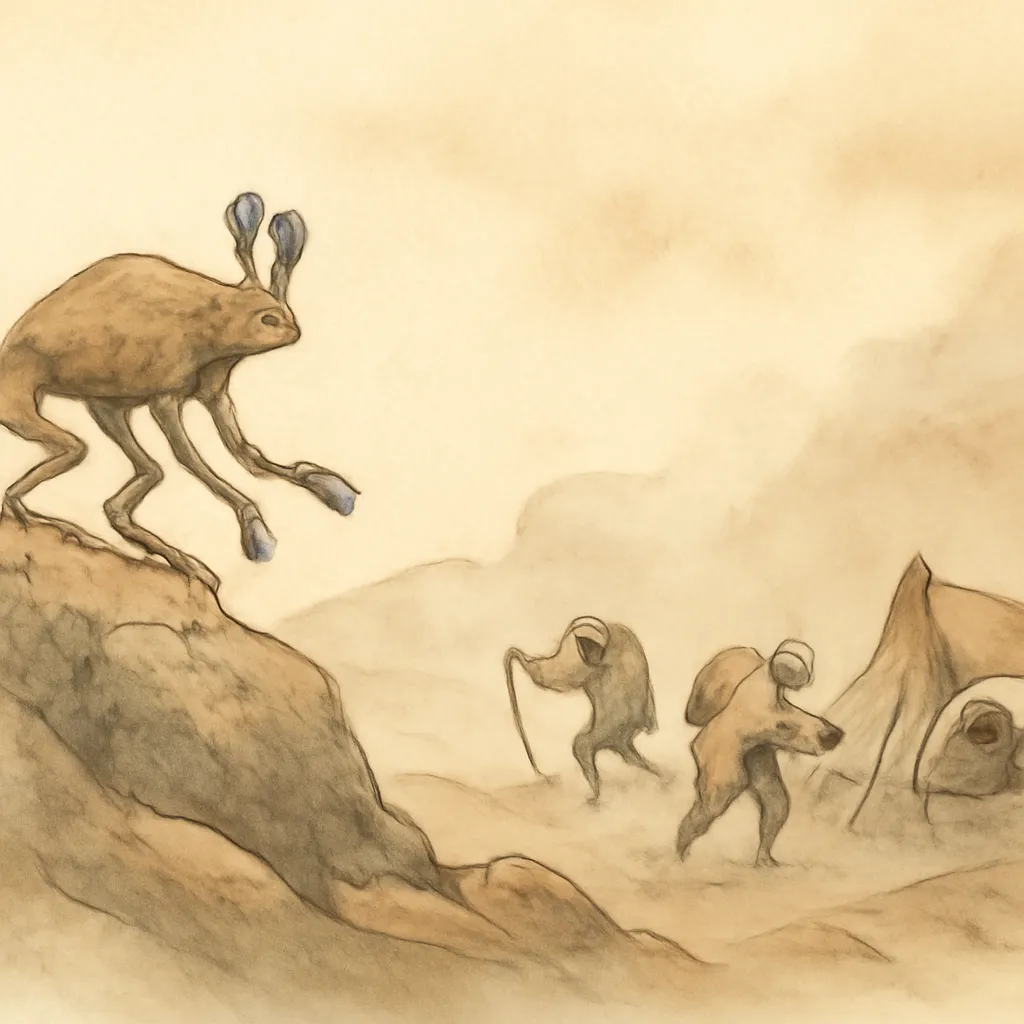
Weinbaum delves into the concept of intelligence through the lens of Jarvis's experiences with Tweel and other Martian creatures. The narrative raises questions about what constitutes intelligence and how it can be measured. Tweel, while not human, exhibits problem-solving skills and adaptability that suggest a form of intelligence that is different yet equally valid. The contrast between Tweel and the more incomprehensible creatures Jarvis encounters later in the story emphasizes that intelligence is not a singular trait but a spectrum. This exploration encourages readers to reflect on their own biases regarding intelligence and to recognize the value of diverse cognitive abilities. The notion that intelligence can manifest in various forms complicates the human-centric view of superiority, urging a broader understanding of the capabilities of life beyond our planet.
6.Encounters with the Unknown
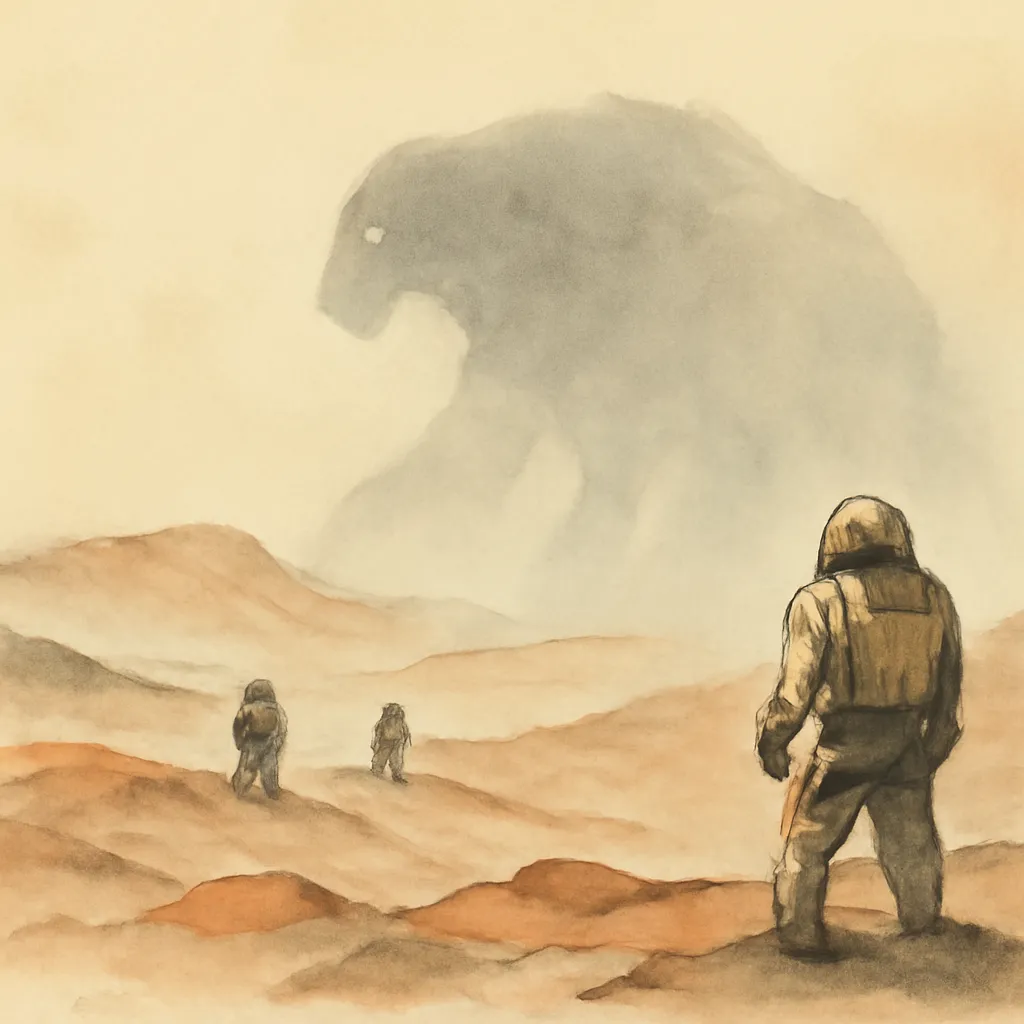
As the Ares crew delves deeper into the Martian landscape, they encounter various life forms that challenge their perceptions of life and intelligence. The 'dream-beast' and the 'silicon-monster' are examples of creatures that defy conventional understanding, pushing the boundaries of what is considered alive. These encounters serve as a reminder of the vastness of the universe and the countless forms life can take. Each creature introduces new challenges and mysteries, highlighting the unpredictability of exploration. These experiences reflect the broader theme of confronting the unknown and the importance of maintaining an open mind in the face of the unfamiliar. The crew's reactions to these creatures reveal their evolving understanding of life, prompting them to reconsider their assumptions about alien beings and their ecological roles.
7.The Duality of Survival
Survival on Mars is a central theme that manifests through both the human crew and the alien creatures they encounter. Jarvis and his companions must rely on their ingenuity and resourcefulness to navigate the hostile environment, while Tweel demonstrates his own adaptations to survive in the desert landscape. The story juxtaposes the human struggle for survival against the backdrop of an alien world, illustrating the shared instinct to persevere. This duality emphasizes that, regardless of species, the drive to survive is a fundamental aspect of existence. It also raises ethical questions about survival strategies and the lengths to which beings will go to protect themselves and their kin. The narrative invites readers to reflect on the nature of survival and the moral implications of competing for resources in a shared ecosystem.
8.The Nature of Alien Civilizations
Jarvis's reflections on the existence of alien civilizations on Mars suggest a rich tapestry of cultures and societies waiting to be discovered. His belief that there is a civilization equal to or surpassing humanity's challenges readers to consider the implications of contact with advanced beings. This notion opens a dialogue about the responsibilities that come with such encounters and the potential for collaboration or conflict. The idea that communication is possible, albeit challenging, with these civilizations adds layers to the narrative, inviting readers to ponder the future of interstellar relations. It emphasizes the need for patience, understanding, and respect when engaging with those who are different from us. Jarvis's observations urge readers to be mindful of the ways in which they approach unfamiliar cultures, advocating for a stance of curiosity rather than conquest.
9.The Role of Technology in Exploration
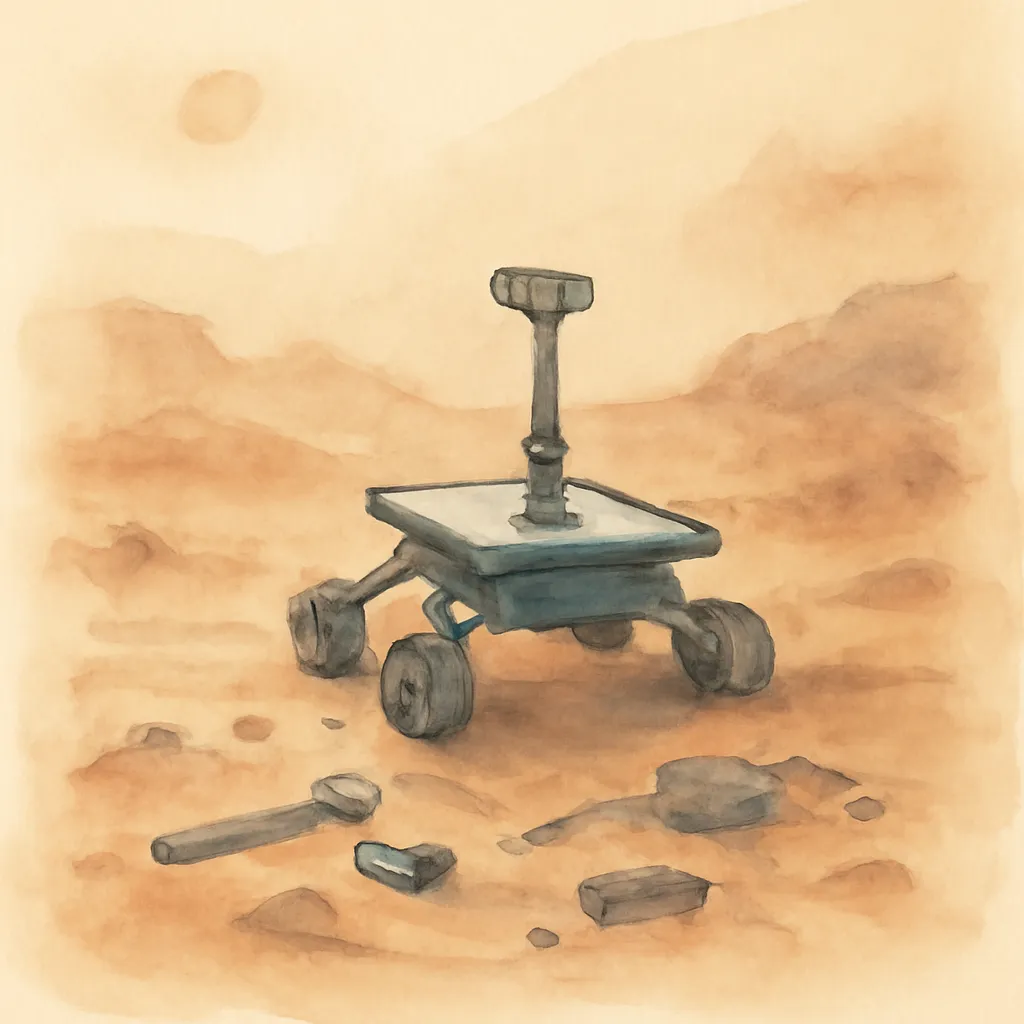
The technology of the Ares expedition, from their spacecraft to their weapons, plays a crucial role in their ability to explore and survive on Mars. Weinbaum illustrates how advancements in technology have enabled humanity to reach beyond Earth, but he also highlights the limitations and risks associated with these tools. For instance, the crew's reliance on their rocket and its systems underscores the fragility of human technology in the vastness of space. The crystal weapon used by Tweel serves as a reminder that technology can take many forms and that innovation is not exclusive to humans. This exploration prompts a reflection on the ethical implications of technology in exploration and the balance between advancement and responsibility. As the crew navigates the potential of their technology, they are faced with the reality that it can both empower and endanger them in the unfamiliar Martian landscape.
10.Philosophical Reflections on Existence
Throughout 'A Martian Odyssey,' philosophical questions about existence, intelligence, and the nature of life are woven into the narrative. The interactions between Jarvis and Tweel prompt deep reflections on what it means to be alive and how different beings perceive reality. The story challenges readers to consider their own beliefs about intelligence, connection, and the value of life, regardless of its form. These philosophical undercurrents elevate the narrative beyond mere adventure, inviting readers to engage with profound existential questions. By presenting a universe filled with diverse forms of life and intelligence, Weinbaum encourages a broader understanding of existence and our place within it. The narrative ultimately serves as a meditation on the nature of consciousness and the intricate threads that connect all living beings, regardless of their origins.