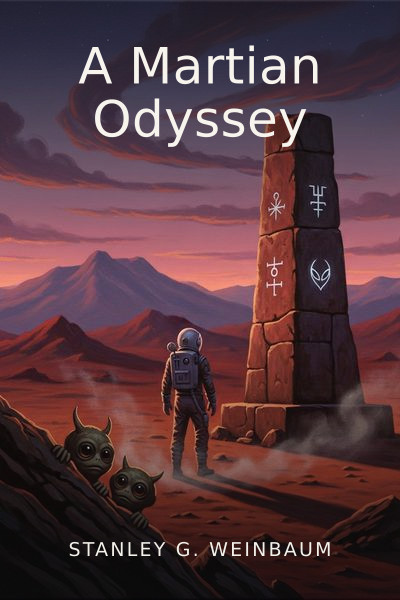

A thrilling exploration of the unknown, where friendship transcends the boundaries of species on the mysterious planet Mars
Read full overviewShow less›
In 'A Martian Odyssey,' Stanley G. Weinbaum invites readers to journey into the uncharted territories of Mars, showcasing the adventures of Dick Jarvis and his crew as they encounter bizarre life forms and alien intelligence. This narrative not only captivates with its imaginative landscapes and strange beings but also challenges our understanding of communication and friendship across species. As Jarvis navigates the Martian terrain, he forms an unlikely bond with an alien named Tweel, revealing profound insights about intelligence and the essence of connection. By blending science fiction with deep philosophical questions, the story encourages readers to reconsider what it means to be 'intelligent' and how we define relationships with those who are fundamentally different from us.
'A Martian Odyssey' is more than a tale of adventure; it is a profound exploration of friendship, communication, and the complexities of intelligence across species. Through the experiences of Jarvis and Tweel, readers are encouraged to reflect on their own perceptions of life and intelligence, challenging the boundaries of understanding. The rich Martian landscape serves as a backdrop for these explorations, reminding us of the beauty and unpredictability of discovery. Ultimately, Weinbaum's narrative invites us to embrace the unknown, fostering a sense of curiosity and empathy towards those who are different from us. This timeless story resonates with contemporary themes of coexistence and understanding, making it a significant contribution to the science fiction genre.
- 1The Pioneering Spirit of Exploration
- 2Tweel: The Alien Friend
- 3The Landscape of Mars: A Character in Itself
- 4Communication Beyond Language
- 5The Concept of Intelligence
A glimpse inside

The story begins with the crew of the Ares, who represent the pioneering human spirit that drives exploration beyond Earth. Read moreThe story begins with the crew of the Ares, who represent the pioneering human spirit that drives exploration beyond Earth. Their journey to Mars marks a significant milestone in human history, being the first successful crew to leave the Earth-moon system. The characters face numerous hardships, from acclimatization to the Martian environment to the risks of navigating the unknown. This spirit of adventure is not just about physical exploration; it embodies the quest for knowledge and understanding of the universe. Their excitement and trepidation highlight the dual nature of exploration: the thrill of discovery and the fear of the unknown. The narrative captures how these explorers embody humanity's intrinsic desire to push boundaries, confront fears, and seek out the mysteries that lie beyond the familiar. Show less
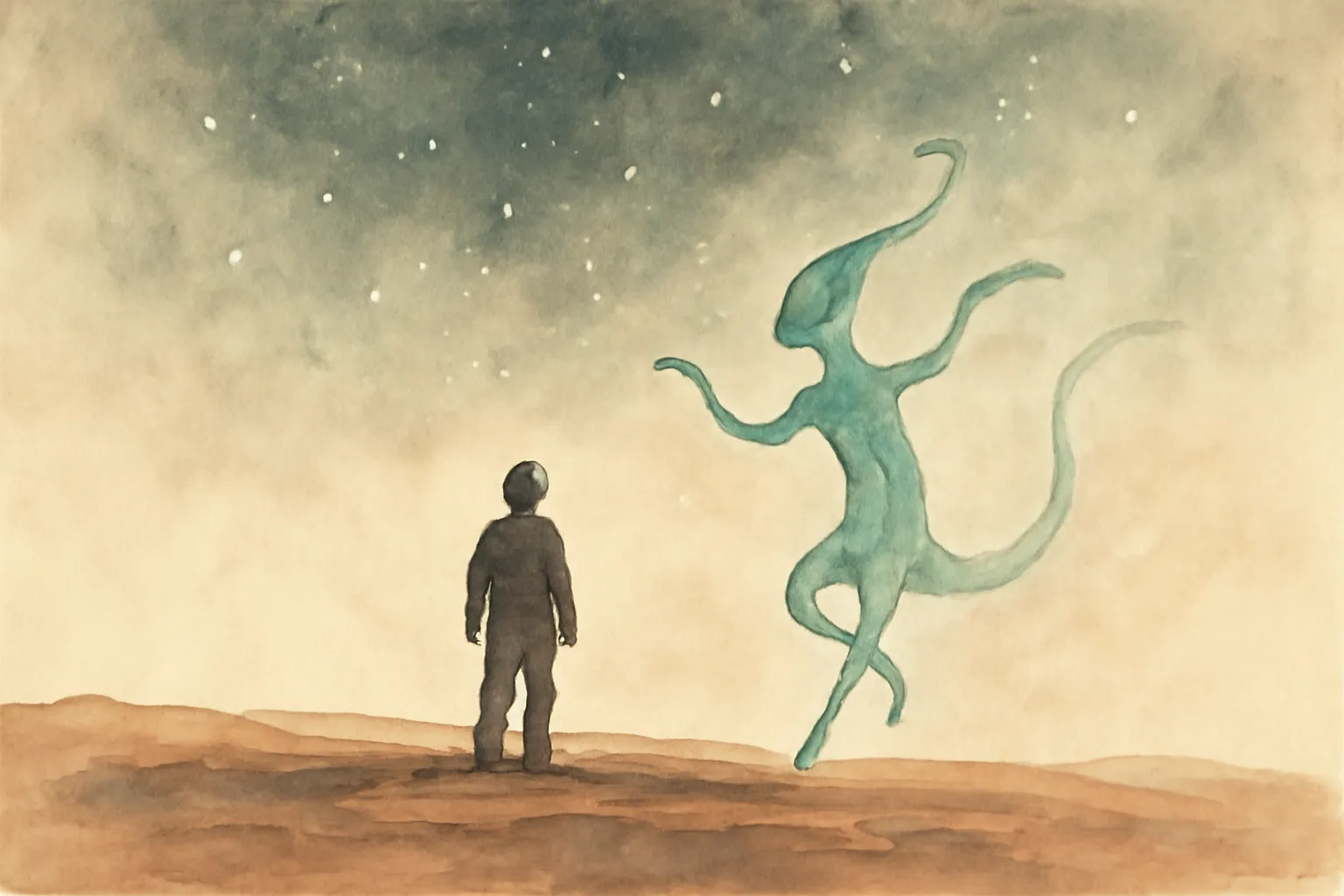
Jarvis's encounter with Tweel, an alien creature, serves as the crux of the narrative, illustrating the potential for friendship between vastly different beings. Read moreJarvis's encounter with Tweel, an alien creature, serves as the crux of the narrative, illustrating the potential for friendship between vastly different beings. Despite the initial language barrier—Jarvis knowing only a handful of English words—Tweel demonstrates a form of intelligence that transcends human understanding. Through their interactions, Jarvis comes to appreciate Tweel's unique perspective on life and survival on Mars. Tweel’s behavior, such as his ability to adapt to the harsh environment and his peculiar communication methods, challenges the notion of what it means to be intelligent. The relationship between Jarvis and Tweel exemplifies the idea that friendship is rooted in understanding and empathy, even when traditional forms of communication are absent. This connection ultimately serves as a reminder that intelligence can be expressed in diverse ways, enriching our own understanding of what it means to relate to others. Show less
Read the full text — free
About the author
Read Stanley G. Weinbaum's work free on Lumina — the complete text plus an 8-minute summary and key ideas, no account needed