1.The Burden of the Past
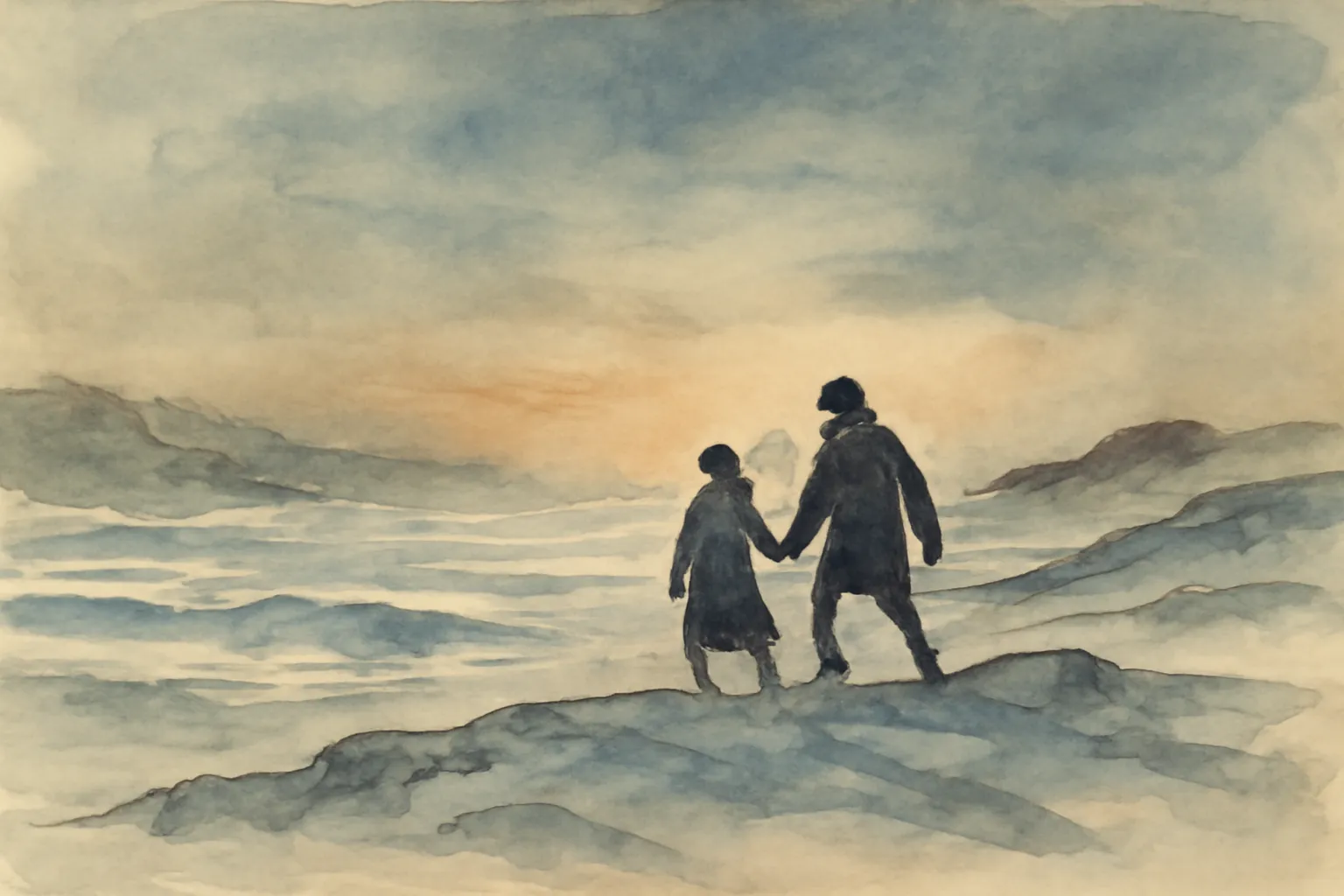
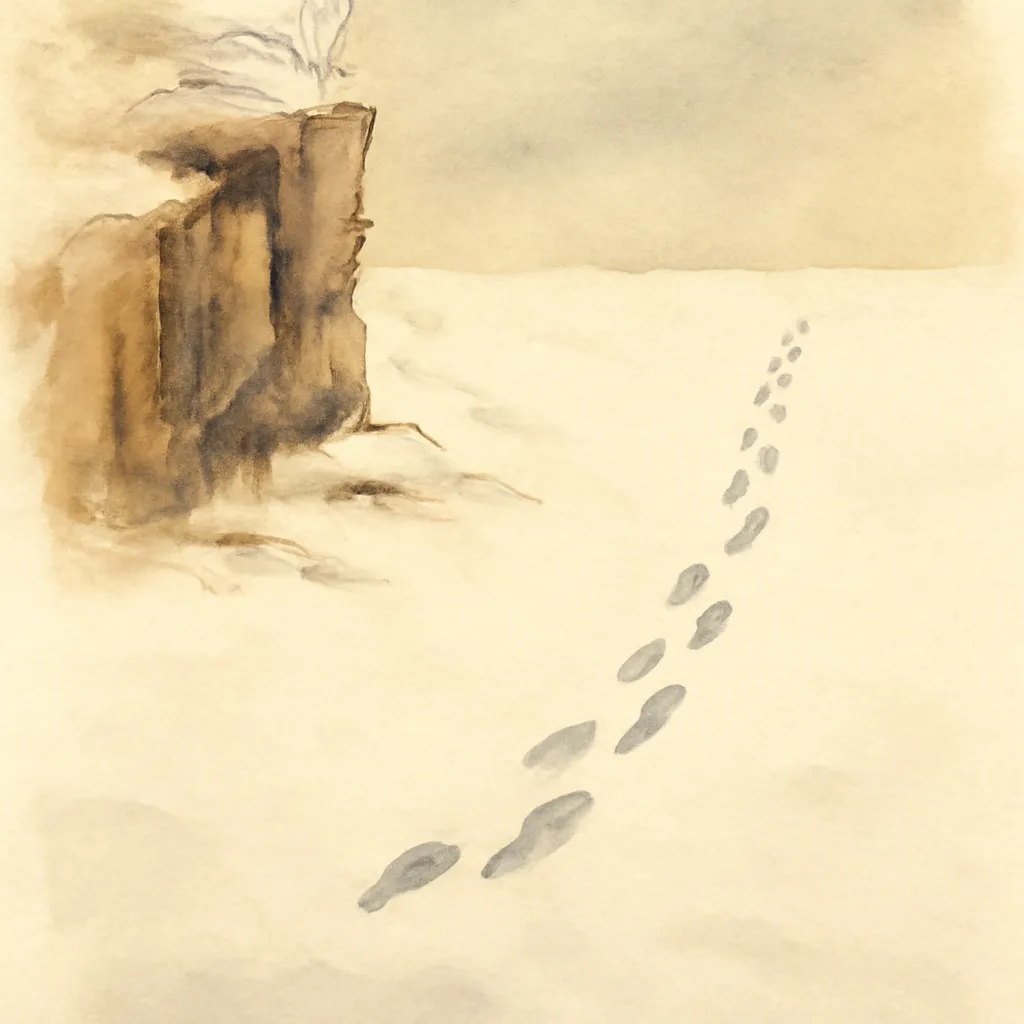
Hubert Stane is marked by a past that haunts him throughout the narrative. He is a man who has faced serious accusations leading to his imprisonment, and the shadow of this history colors his interactions and self-perception. When he finds himself in the wilderness with Helen, he grapples with feelings of guilt and inadequacy. His internal conflict is exacerbated by the societal stigma attached to his past, which he fears will taint his relationship with Helen. This theme of the burden of the past is prevalent in their interactions, as Stane struggles to reconcile his desire for redemption with the fear of rejection. The wilderness serves as a harsh mirror, reflecting his inner turmoil and forcing him to confront the man he wishes to become versus the man he has been. Stane's journey is defined by this struggle, as he moves from a place of self-doubt to a burgeoning sense of hope and purpose, ultimately seeking to redefine his identity beyond his past mistakes.
2.Nature as an Adversary and Ally
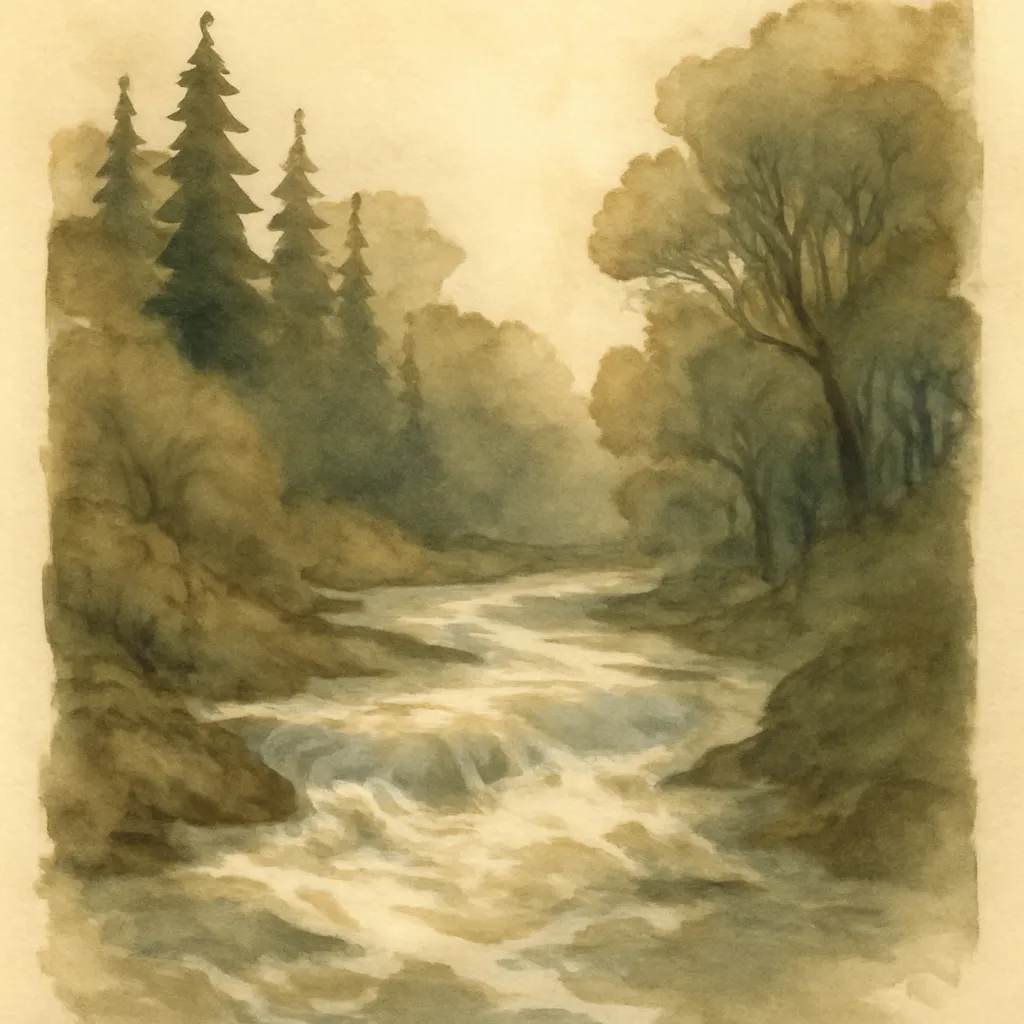
The northern wilderness is depicted as both a formidable adversary and a nurturing ally. Binns paints a vivid picture of the landscape, emphasizing its beauty as well as its dangers. The characters must learn to respect and navigate the wild, adapting to its rhythms and challenges. For instance, the midnight sun presents both a sense of wonder and a challenge to their sleep patterns, while the river becomes a symbol of both life and peril. The struggle against nature is relentless; be it the unpredictable weather, the threat of starvation, or the physical demands of survival, the wilderness constantly tests the characters' limits. Yet, in moments of quiet beauty—like the sight of a tranquil lake or the promise of a new dawn—nature also offers solace and a sense of connection, reinforcing the duality of the wild as both a harsh teacher and a comforting presence. The characters' ability to find beauty and meaning in their environment plays a crucial role in their emotional resilience, showcasing how nature can inspire hope even in dire circumstances.
3.The Complexity of Relationships

At the heart of A Mating in the Wilds is the evolving relationship between Hubert Stane and Helen Yardely. Their bond is tested by external dangers and internal fears, revealing the complexities of human connection. From the initial tension stemming from Stane’s past to the deepening trust formed through shared experiences, their relationship encapsulates the struggle between vulnerability and strength. Helen's character emerges as a symbol of resilience; she challenges Stane's views on masculinity and strength, asserting her own agency in the wilderness. Their interactions highlight the importance of communication and understanding in forging a partnership that can withstand trials. Binns expertly navigates the nuances of their relationship, illustrating how love can thrive even in the most hostile environments when rooted in mutual respect and shared goals. As they face life-threatening challenges, their reliance on each other grows, transforming their initial attraction into a profound emotional bond that ultimately becomes their greatest strength.
4.Survival Instincts and Human Nature
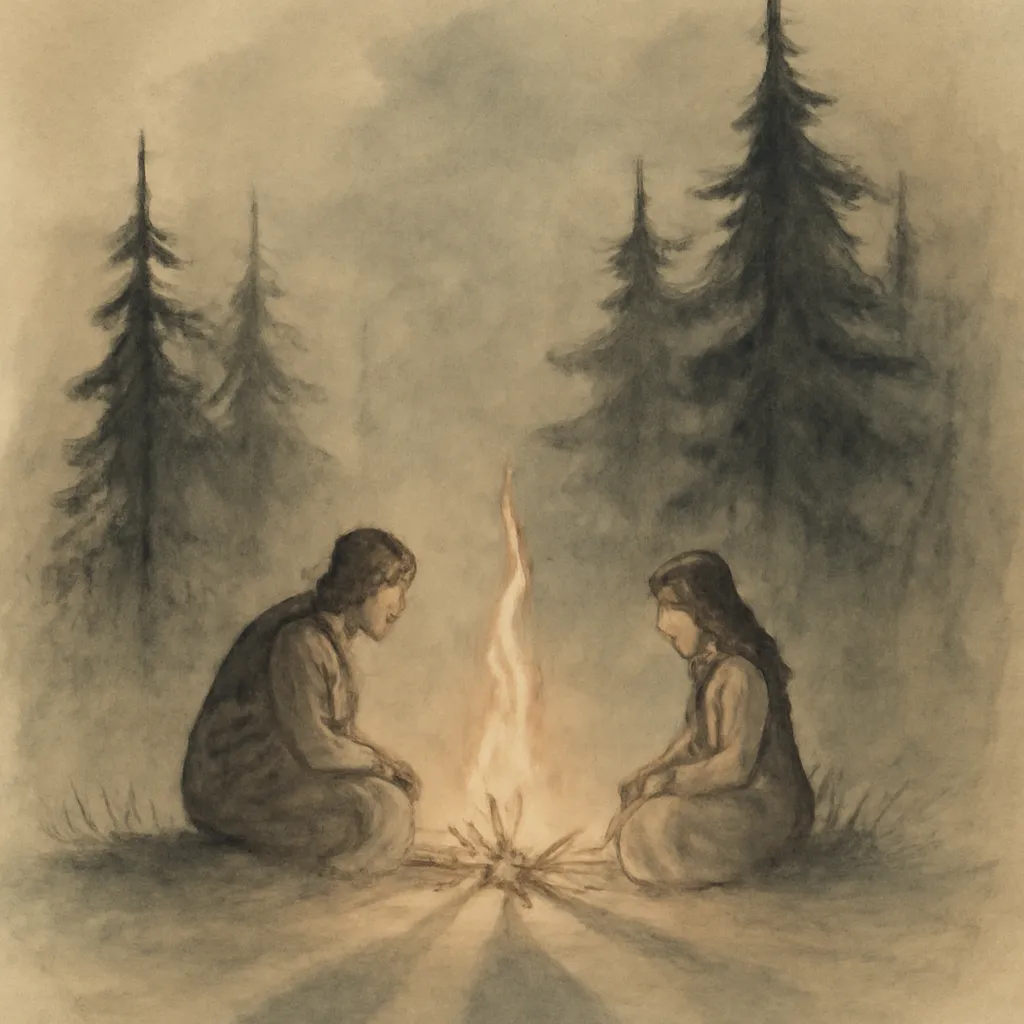
The narrative explores the primal instincts that emerge in the face of survival. Stane and Helen are forced to confront their deepest fears and desires as they navigate the wilderness. The story delves into the psychological transformations that occur when individuals are stripped of societal norms and forced to rely on their instincts. Binns illustrates how desperation can lead to both noble acts of bravery and morally ambiguous choices. The characters face dilemmas that challenge their ethics, such as decisions about stealing food or confronting potential threats. These moments serve to reveal the rawness of human nature, showcasing how survival can sometimes blur the lines between right and wrong. Ultimately, the narrative suggests that within the struggle for survival lies an opportunity for growth and self-discovery. Stane's transformation from a man burdened by his past to one who embraces his instincts highlights the profound impact that dire circumstances can have on personal identity.
5.The Role of Community and Isolation
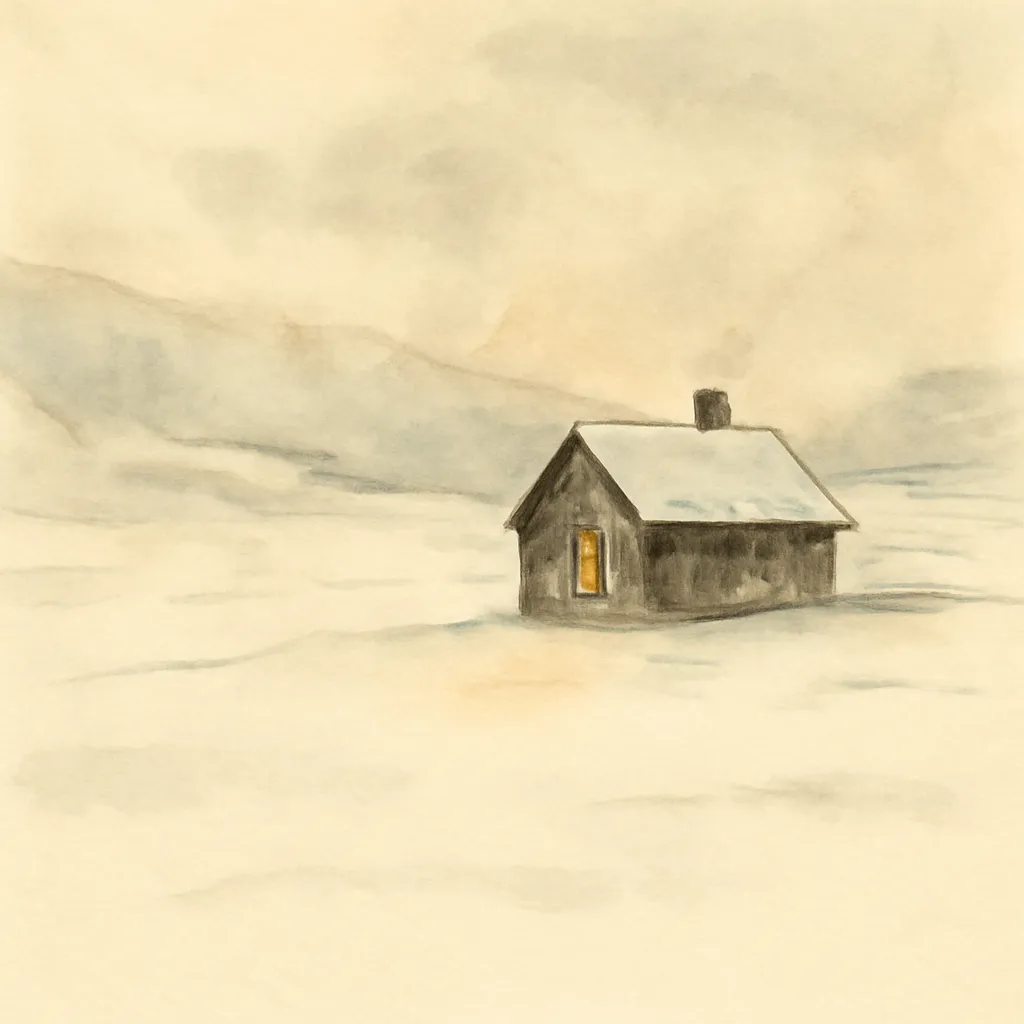
Isolation in the wilderness serves as a backdrop for self-discovery and reflection, yet the characters are also acutely aware of the importance of community. Stane's solitary existence prior to meeting Helen contrasts sharply with the need for companionship that emerges as they face danger together. The presence of other characters, such as Gerald Ainley and the Indian, reinforces the theme of community, illustrating how connections can provide support and influence decisions. Binns highlights the tension between the desire for independence and the necessity of relying on others, particularly in life-or-death situations. The narrative suggests that while solitude can lead to introspection, shared experiences and connections with others are essential for survival and emotional fulfillment. The moments when Stane and Helen are faced with the prospect of being truly alone in the wilderness emphasize the innate human need for connection, demonstrating that even the most rugged individuals can benefit from companionship.
6.Confronting Societal Judgments
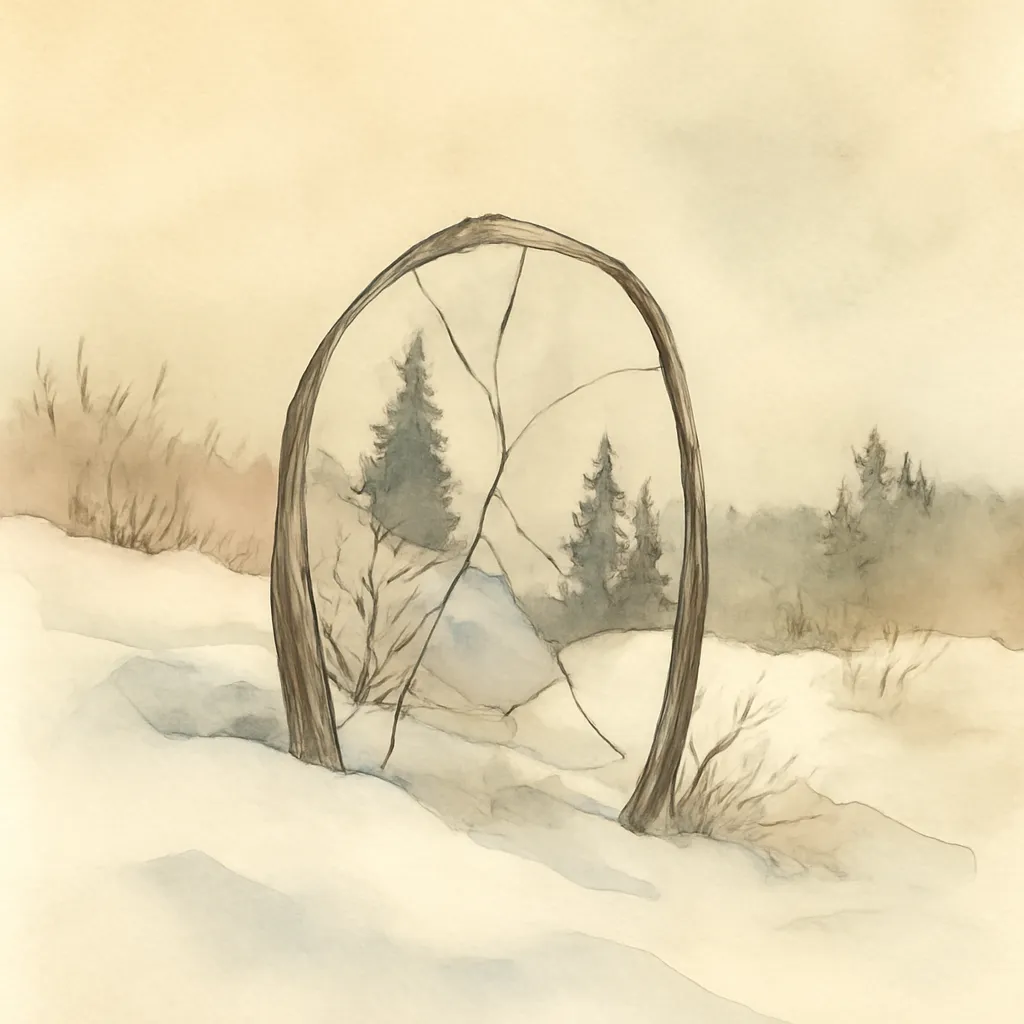
A Mating in the Wilds addresses the societal judgments that haunt Stane throughout his journey. His status as a former convict becomes a significant barrier, influencing how others perceive him and how he perceives himself. The characters grapple with the weight of societal expectations and the fear of being judged based on their pasts rather than their current actions. This theme resonates deeply as Stane and Helen navigate their relationship amidst potential scandal and disapproval. Binns illustrates the internal struggles that arise from societal pressures, emphasizing the importance of self-acceptance and the ability to forge one's path despite external opinions. In moments of vulnerability, Stane must confront the reality that he cannot escape his past entirely; however, he also learns that his worth is defined by his actions in the present. This ongoing battle against societal judgment serves as a backdrop for Stane’s redemption arc, culminating in the realization that he must ultimately define himself outside the confines of societal labels.
7.The Power of Hope and Resilience
Hope emerges as a powerful theme in A Mating in the Wilds, driving the characters forward in their darkest moments. Stane and Helen's journey is fraught with challenges, yet their hope for survival and a better future sustains them. Binns crafts moments of despair that are counterbalanced by glimmers of hope, whether through small victories in their survival efforts or the comfort of each other's presence. The narrative emphasizes that resilience is not merely about physical endurance but also about maintaining a hopeful outlook in the face of adversity. This theme resonates on a broader level, suggesting that hope can catalyze personal transformation and foster connection in even the most isolating circumstances. The characters' ability to find hope in their shared experiences and the beauty of their surroundings illustrates that even in the direst of situations, the human spirit can prevail through optimism and determination.
8.The Influence of the Past on the Present
The characters' histories heavily influence their present actions and decisions. Stane's past as a convict looms large over his interactions, shaping his self-image and the way others perceive him. His struggle for redemption is a central focus, as he seeks to prove himself worthy of Helen's affection and trust. Helen, too, carries her own burdens, having grown up in a society that imposes strict expectations on women. Binns effectively explores how the characters' past experiences inform their responses to current challenges, demonstrating that the past is not easily left behind. This theme invites readers to consider how personal history shapes identity and influences the choices individuals make in the present. Stane's and Helen's journey is a testament to the idea that while the past can weigh heavily on an individual, it can also serve as a catalyst for growth and change when acknowledged and confronted.
9.The Symbolism of the Wilderness

The wilderness itself is a character in A Mating in the Wilds, rich with symbolism that enhances the narrative. It represents both danger and beauty, reflecting the duality of life and the complexities of human emotions. The untamed landscape serves as a backdrop for the characters' trials, mirroring their internal struggles and growth. Binns uses vivid imagery to depict the wild, from serene lakes to treacherous rivers, emphasizing the interconnectedness of nature and human experience. The wilderness challenges the characters, pushing them to their limits, yet it also offers moments of tranquility and beauty that inspire hope and connection. This symbolic relationship between the characters and their environment underscores the theme of resilience in the face of adversity. As Stane and Helen navigate the challenges of the wild, they learn to appreciate the delicate balance between survival and serenity, ultimately finding strength in their connection to nature.
10.The Journey Towards Self-Discovery
Throughout A Mating in the Wilds, both Stane and Helen undergo significant journeys of self-discovery. The isolation and challenges of the wilderness force them to confront their innermost fears, desires, and capabilities. Stane, burdened by the weight of his past, finds himself re-evaluating his identity and purpose as he fights for survival alongside Helen. Her presence compels him to reflect on his values and aspirations, leading him to redefine what it means to be a man in a world that often defines masculinity through strength and dominance. Helen’s journey is equally transformative; as she navigates the wilderness, she discovers her own resilience and strength, challenging societal norms that dictate her behavior and choices. Binns beautifully illustrates how the raw and unforgiving environment serves as a catalyst for personal growth, emphasizing that true self-discovery often arises from moments of crisis and adversity.