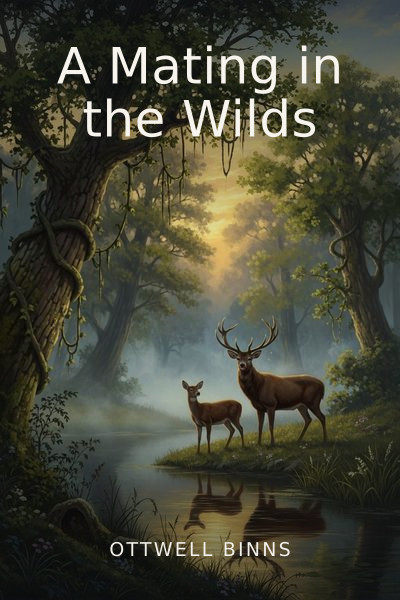

In the wilds of northern Canada, love, danger, and survival intertwine in a gripping tale of resilience and redemption
Read full overviewShow less›
A Mating in the Wilds by Ottwell Binns immerses readers in a vivid exploration of human relationships against the backdrop of the harsh wilderness. The story follows Hubert Stane and Helen Yardely as they navigate not only the physical challenges posed by the wild but also the emotional landscapes shaped by their pasts and desires. As they confront danger from both nature and other humans, their bond deepens, revealing the complexities of love, trust, and survival. This tale is not just about the struggle for existence; it is also a poignant reflection on societal judgments, personal redemption, and the transformative power of love amidst adversity. Readers will find themselves captivated by the characters' journeys, both external and internal, as they forge their paths in a world that tests their limits.
A Mating in the Wilds is a profound exploration of love, survival, and the complexities of human nature set against the breathtaking yet unforgiving backdrop of the wilderness. Through the journeys of Hubert Stane and Helen Yardely, Binns crafts a narrative rich with themes of redemption, resilience, and the transformative power of connection. As they navigate their struggles, both external and internal, readers are invited to reflect on the nature of hope and the human spirit's capacity to endure. Ultimately, the story serves as a reminder that even in the wildest of circumstances, love and understanding can flourish, leading to personal growth and a deeper appreciation of life’s beauty amidst adversity.
- 1The Burden of the Past
- 2Nature as an Adversary and Ally
- 3The Complexity of Relationships
- 4Survival Instincts and Human Nature
- 5The Role of Community and Isolation
Notable quotes
“The steamer can't have come yet. It probably means nothing except that the factor is expecting its arrival.”
“Should auld acquaintance be forgot And never brought to min'? Should auld acquaintance be forgot And days o' lang syne?”
“I never enjoyed a meal so much in my life.”
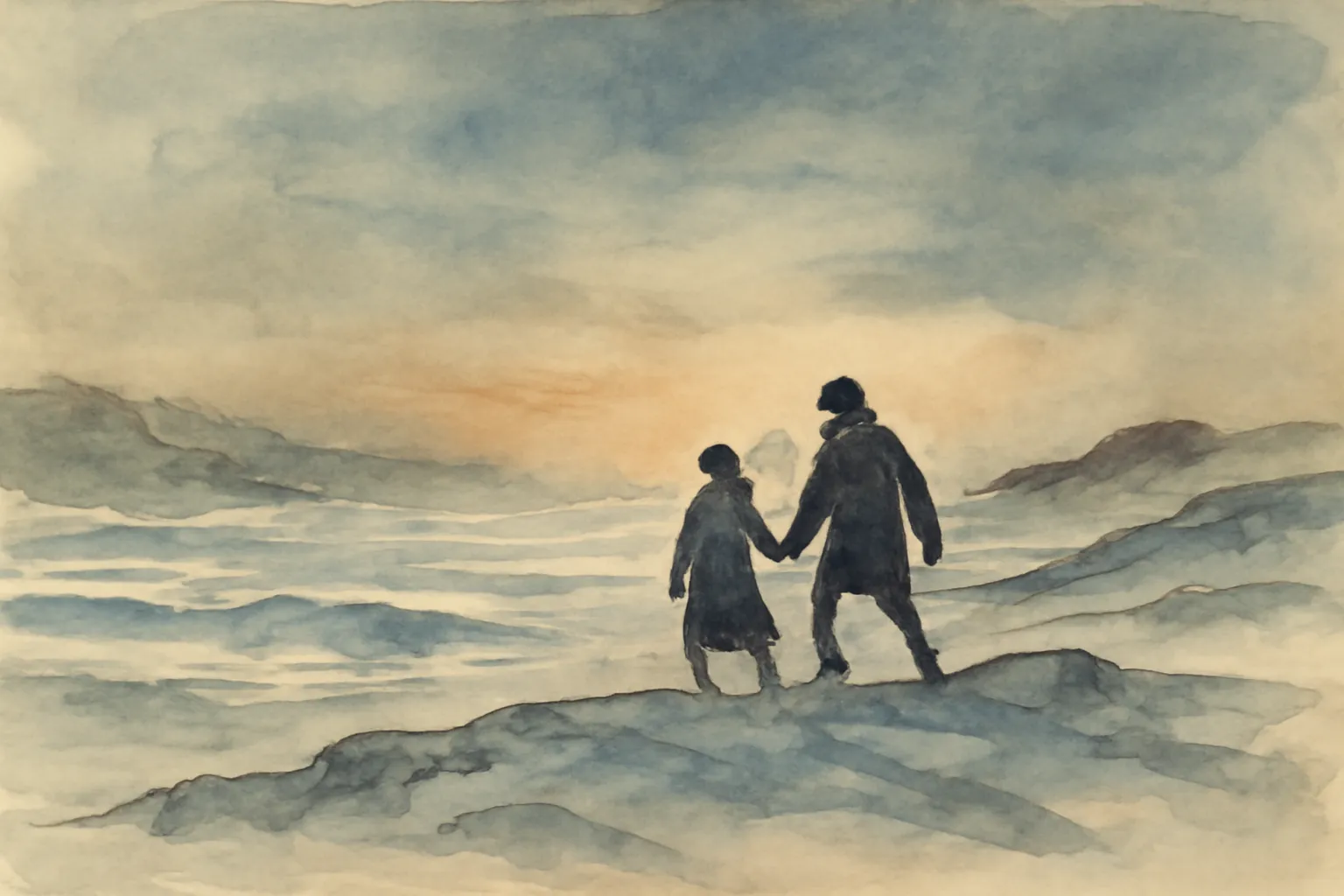
A glimpse inside

Hubert Stane is marked by a past that haunts him throughout the narrative. He is a man who has faced serious accusations leading to his imprisonment, and the shadow of th… Read moreHubert Stane is marked by a past that haunts him throughout the narrative. He is a man who has faced serious accusations leading to his imprisonment, and the shadow of this history colors his interactions and self-perception. When he finds himself in the wilderness with Helen, he grapples with feelings of guilt and inadequacy. His internal conflict is exacerbated by the societal stigma attached to his past, which he fears will taint his relationship with Helen. This theme of the burden of the past is prevalent in their interactions, as Stane struggles to reconcile his desire for redemption with the fear of rejection. The wilderness serves as a harsh mirror, reflecting his inner turmoil and forcing him to confront the man he wishes to become versus the man he has been. Stane's journey is defined by this struggle, as he moves from a place of self-doubt to a burgeoning sense of hope and purpose, ultimately seeking to redefine his identity beyond his past mistakes. Show less
The northern wilderness is depicted as both a formidable adversary and a nurturing ally. Binns paints a vivid picture of the landscape, emphasizing its beauty as well as… Read moreThe northern wilderness is depicted as both a formidable adversary and a nurturing ally. Binns paints a vivid picture of the landscape, emphasizing its beauty as well as its dangers. The characters must learn to respect and navigate the wild, adapting to its rhythms and challenges. For instance, the midnight sun presents both a sense of wonder and a challenge to their sleep patterns, while the river becomes a symbol of both life and peril. The struggle against nature is relentless; be it the unpredictable weather, the threat of starvation, or the physical demands of survival, the wilderness constantly tests the characters' limits. Yet, in moments of quiet beauty—like the sight of a tranquil lake or the promise of a new dawn—nature also offers solace and a sense of connection, reinforcing the duality of the wild as both a harsh teacher and a comforting presence. The characters' ability to find beauty and meaning in their environment plays a crucial role in their emotional resilience, showcasing how nature can inspire hope even in dire circumstances. Show less
Read the full text — free
About the author
Read Ottwell Binns's work free on Lumina — the complete text plus an 8-minute summary and key ideas, no account needed