1.The Grievous State of the Poor
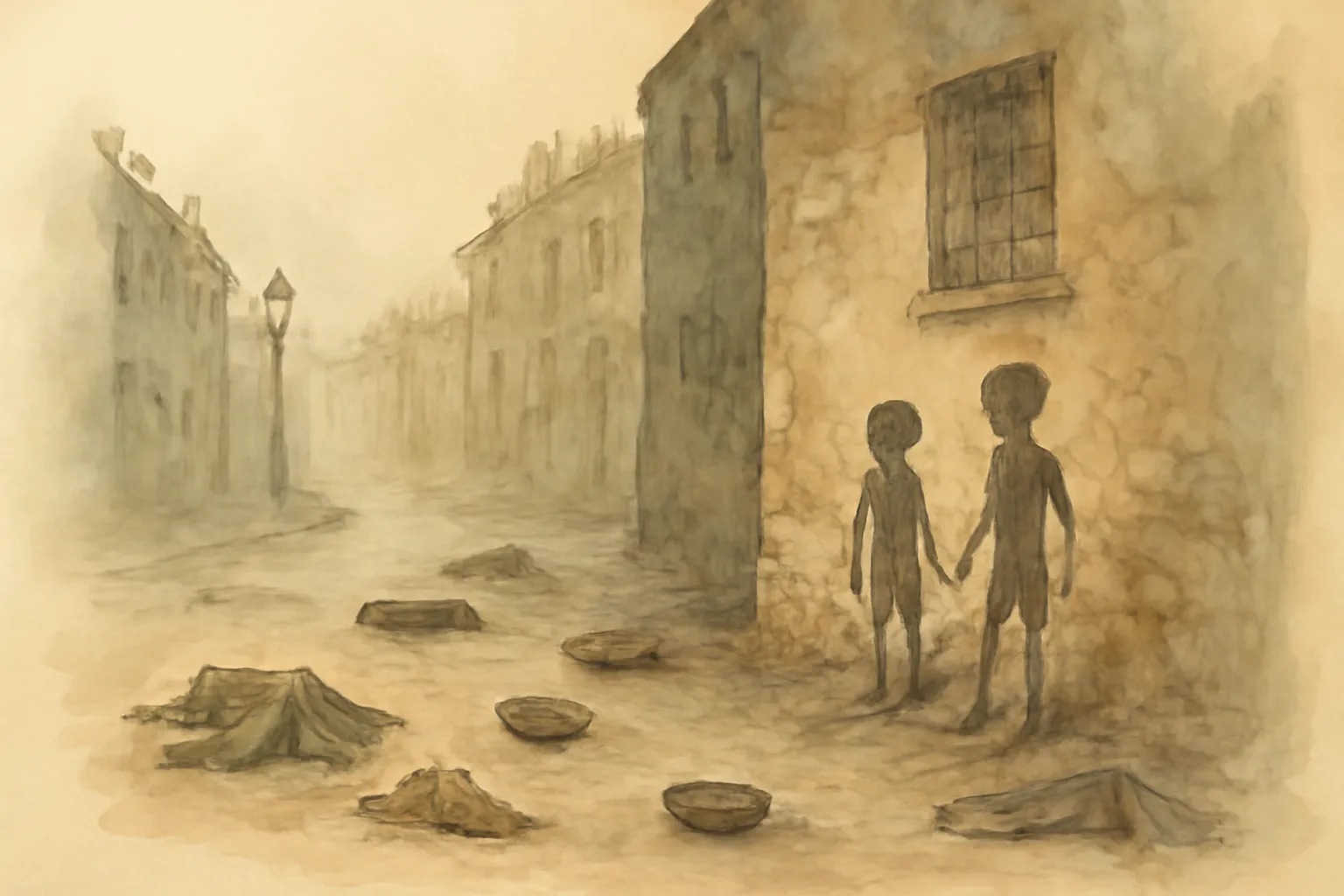
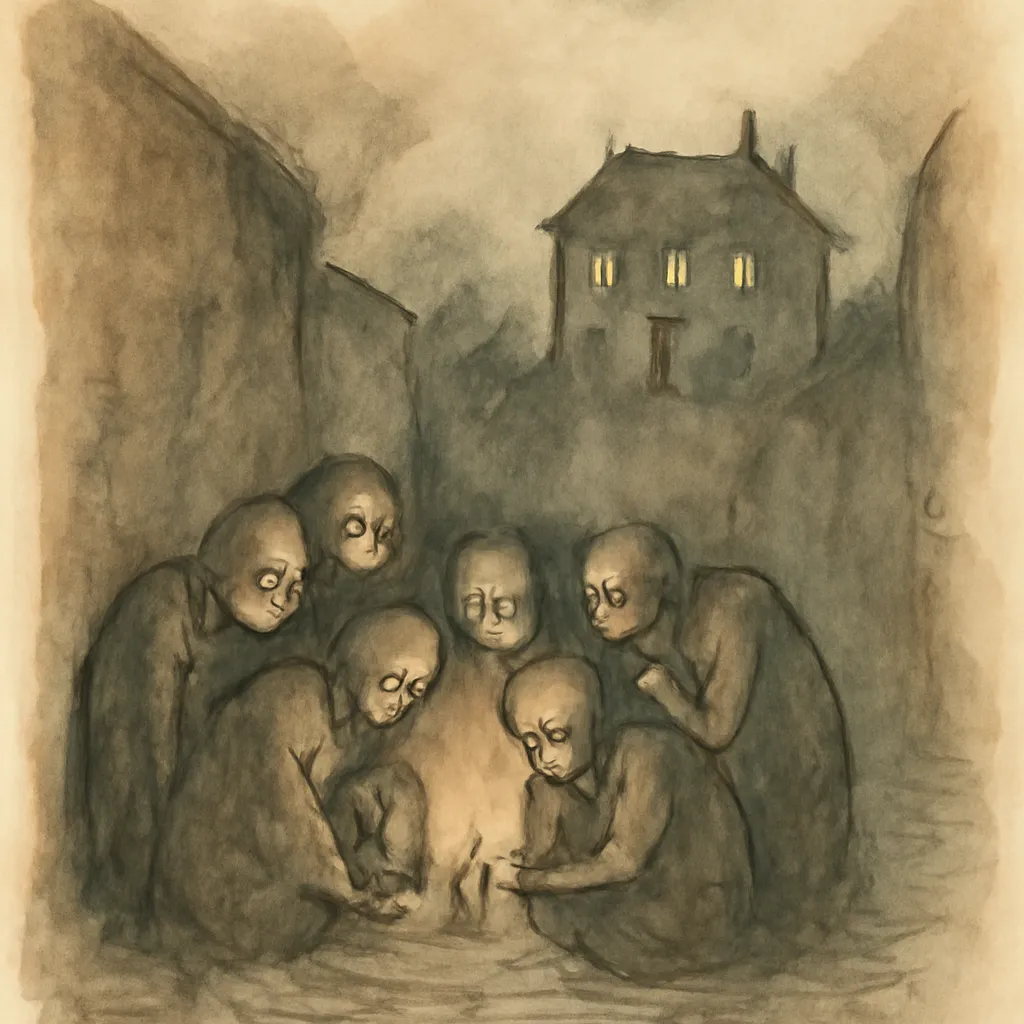
Swift opens with a poignant description of Dublin's streets, teeming with beggars and their ragged children. His words evoke a deep sense of melancholy, illustrating the dire predicament of these families who are unable to secure a livelihood. The mothers are depicted as being so burdened that they cannot work, trapped in a cycle of poverty that forces them to beg for alms. Swift emphasizes that the sight of these impoverished families is a national grievance, one that warrants serious reflection and action. He argues that the sheer number of children in distress reflects a failure of society to care for its most vulnerable members. By establishing this context, Swift prepares the reader for the outrageous proposal to follow, highlighting the urgent need for a solution to an all-too-common plight.
2.A Shocking Proposal
At the heart of Swift's essay is his proposal to sell impoverished children as a food source for the wealthy. This suggestion is deliberately shocking, designed to provoke outrage and reflection. Swift meticulously calculates the economic advantages of his proposal, arguing that it would relieve the burden on parents while providing a new source of nourishment for the affluent. By framing this grotesque idea in practical terms, he forces readers to confront the absurdity of their indifference to the suffering of the poor. The sheer horror of his suggestion is meant to jolt the audience into awareness of social injustices, challenging them to reconsider their own attitudes and actions towards poverty. Swift's calculated use of tonal dissonance amplifies his critique, making it impossible for the reader to ignore the stark contrast between his proposal and the reality of suffering.
3.Economic Calculations and Benefits
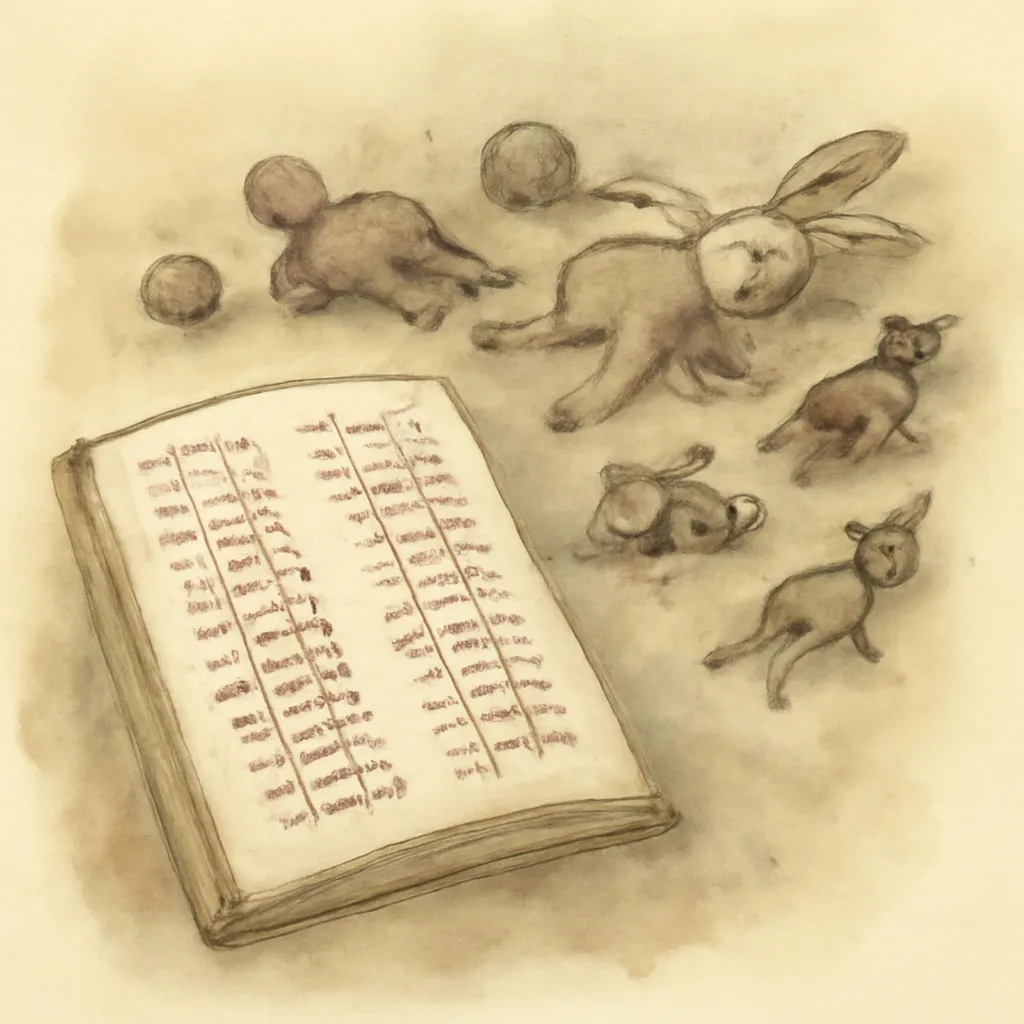
Swift provides detailed economic calculations to support his proposal, declaring that a beggar's child can be raised for just two shillings per year. He argues that a good fat child could fetch ten shillings in the market, making it a profitable venture for impoverished families. This dispassionate breakdown underscores the moral decay of a society that values profit over human life. Swift juxtaposes these cold, hard numbers against the backdrop of human suffering, illustrating the absurdity of treating children as commodities. The economic argument serves to critique a system that prioritizes wealth accumulation over the welfare of its citizens. By positioning his grotesque proposal within a framework of financial reasoning, Swift exposes the depths of societal indifference to the plight of the poor and the moral implications of such calculations.
4.The Role of Women and Motherhood
In his proposal, Swift does not overlook the plight of mothers who find themselves unable to care for their children due to poverty. He argues that by selling their children, these women could regain a sense of agency and profit, thus enabling them to work and contribute to society. This angle provides a critique of how societal structures reduce women to mere beggars, stripping them of their dignity and agency. Swift's portrayal of motherhood in this context highlights the tragic irony of the situation; rather than being nurturers, these women are forced into a position where they must commodify their own offspring for survival. The societal neglect they face underscores the broader issues of gender, class, and economic exploitation, inviting readers to consider the multiple dimensions of poverty affecting women.
5.Critique of the Upper Classes
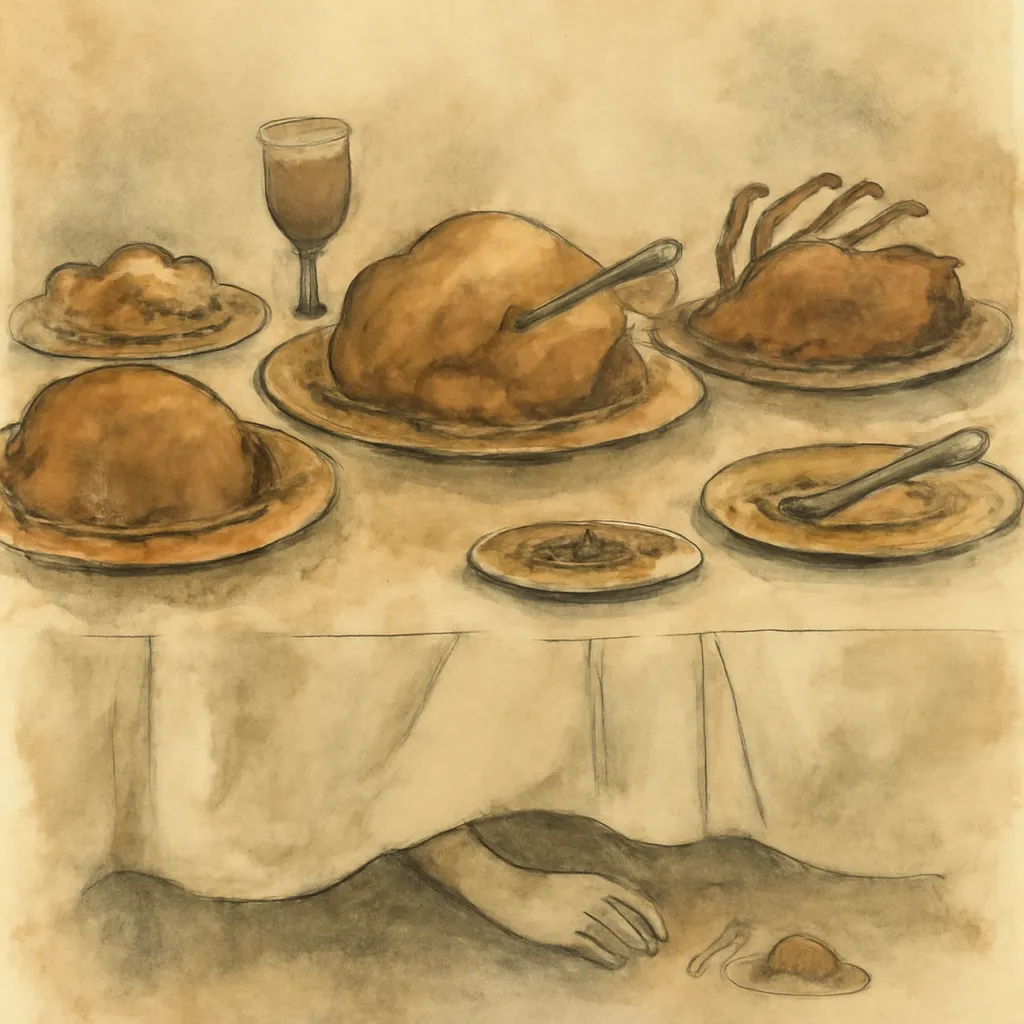
Swift's proposal serves as a scathing indictment of the upper classes and their complicity in the suffering of the poor. By suggesting that the wealthy could feast on the flesh of the poor, he lays bare the grotesque nature of privilege in a society that allows such disparities to flourish. This imagery serves to provoke outrage and reflection, forcing readers to confront the ethical implications of their consumption habits. Swift challenges the moral integrity of the wealthy, suggesting that their indifference to the suffering of the lower classes is tantamount to complicity in their demise. The idea that the upper classes could benefit from such a horrific practice underscores the moral bankruptcy of a society that allows wealth to dictate human value. By holding up this mirror to the affluent, Swift prompts a critical examination of societal values and priorities.
6.Hyperbole as a Tool for Social Change
Swift's use of hyperbole throughout the essay serves to amplify his critique of societal norms and attitudes towards poverty. The outrageousness of his proposal is meant to shock the reader into a state of awareness, forcing them to confront the realities of poverty in a way that conventional arguments often fail to achieve. By employing hyperbolic language, Swift highlights the absurdity of the societal responses to poverty and the moral failings of those in power. This use of extreme satire creates a stark contrast between the grotesque nature of his suggestion and the actual suffering experienced by the impoverished. Through this lens, Swift compels his audience to engage with the complexities of poverty, the ethics of survival, and the societal structures that perpetuate such injustices. The hyperbole functions as a catalyst for discussion, prompting readers to reconsider their perspectives and the actions necessary for change.
7.Moral Implications of Consumption
The central idea of consuming children raises profound moral questions about the value of human life and the ethics of survival. Swift's proposal forces readers to grapple with their own values, challenging them to consider the implications of viewing the poor as expendable. By presenting such a grotesque notion, he encourages a deeper reflection on the true cost of societal neglect and the dehumanization that occurs when individuals are reduced to mere economic units. The reader is left to confront the uncomfortable truth that societal structures often prioritize profit over compassion, leading to a moral crisis where the vulnerable are overlooked. Swift's work invites readers to engage with the ethical dilemmas of survival and the societal obligations owed to every individual, regardless of their socio-economic status.
8.The Absurdity of Policy Recommendations
Swift dismisses traditional solutions to poverty as misguided and ineffective, arguing that they fail to address the root causes of the issue. He ridicules ideas such as taxing absentee landlords or promoting local goods, suggesting that these measures are insufficient to resolve the systemic problems facing Ireland. By presenting his outrageous proposal as a solution, Swift highlights the absurdity of the existing policy landscape and the need for more radical reforms to address social issues. This serves as a call to action for readers to reconsider their understanding of social responsibility and the effectiveness of current policies. By exposing the shortcomings of conventional wisdom, Swift challenges readers to engage with the complexities of poverty and to advocate for more humane and effective solutions to systemic injustices.
9.Satire as a Reflection of Reality
Swift's essay serves as a powerful example of how satire can reflect and critique reality. Through his outrageous proposal, he shines a light on the dire conditions faced by the poor and the complacency of the wealthy. This reflection forces readers to confront uncomfortable truths about their society and their own roles within it. The exaggerated nature of Swift's suggestions amplifies the urgency of the issues at hand, creating a stark contrast between the grotesque satire and the real suffering of the impoverished. By using satire as a vehicle for social commentary, Swift invites readers to engage with the complexities of poverty and the moral imperatives that arise from it. This approach not only critiques existing systems but also fosters a deeper understanding of the societal dynamics at play, urging readers to reflect on their own responsibilities in addressing social injustices.
10.A Call for Genuine Change
Ultimately, Swift's proposal serves as a provocative call for genuine change in how society addresses poverty. By shocking his audience into awareness, he highlights the urgent need for compassion and action in the face of suffering. The grotesque nature of his suggestion is not meant to be taken literally; rather, it serves as a vehicle for sparking dialogue about the responsibilities of the wealthy and the moral obligations of society. Swift's work encourages readers to move beyond apathy and engage with the pressing issues of poverty, urging them to consider more humane and effective solutions. In doing so, he reaffirms the importance of empathy and social responsibility in creating a just society, challenging readers to reflect on their values and the actions necessary to foster genuine change in the world around them.