1.Paris as Inspiration and Myth
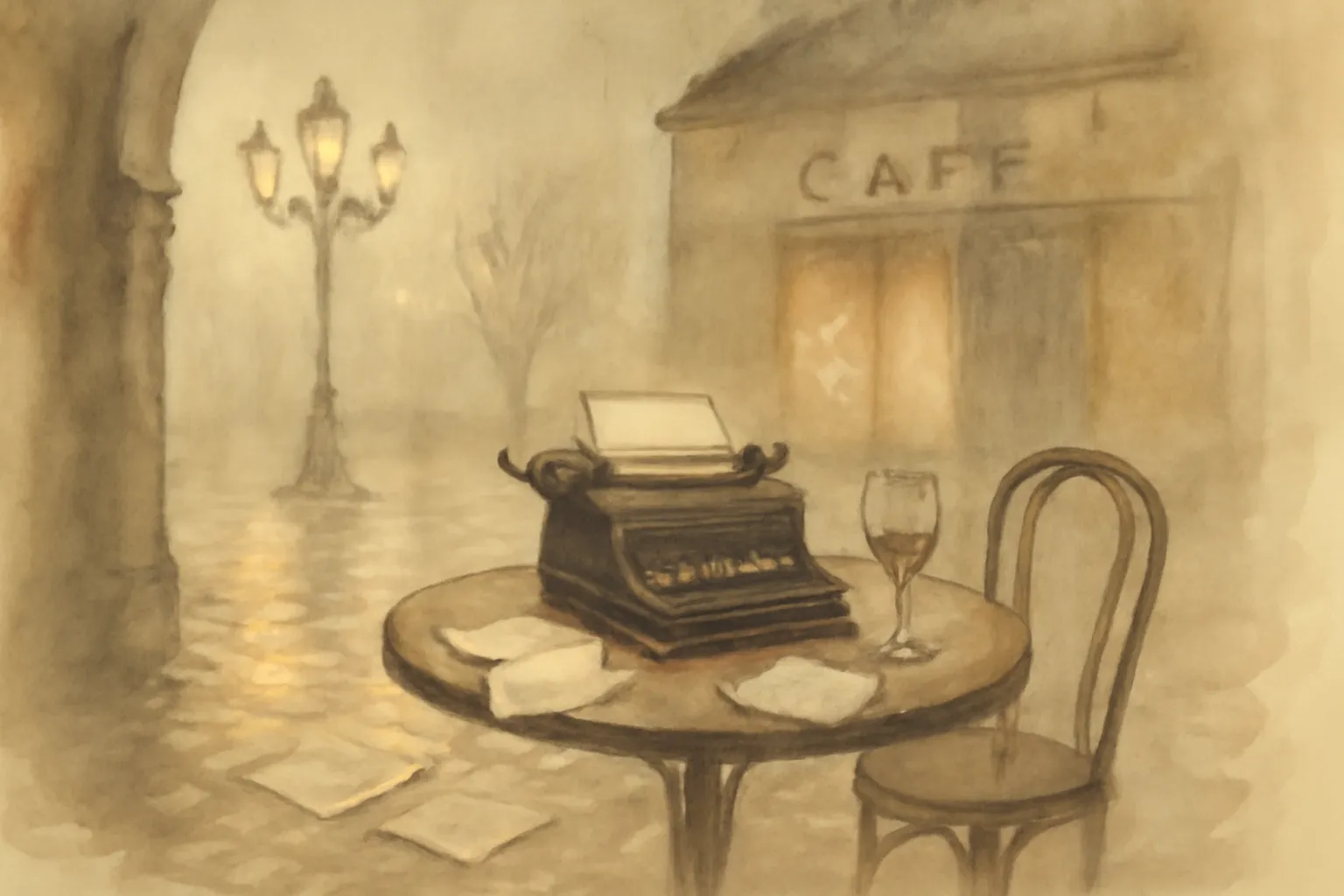
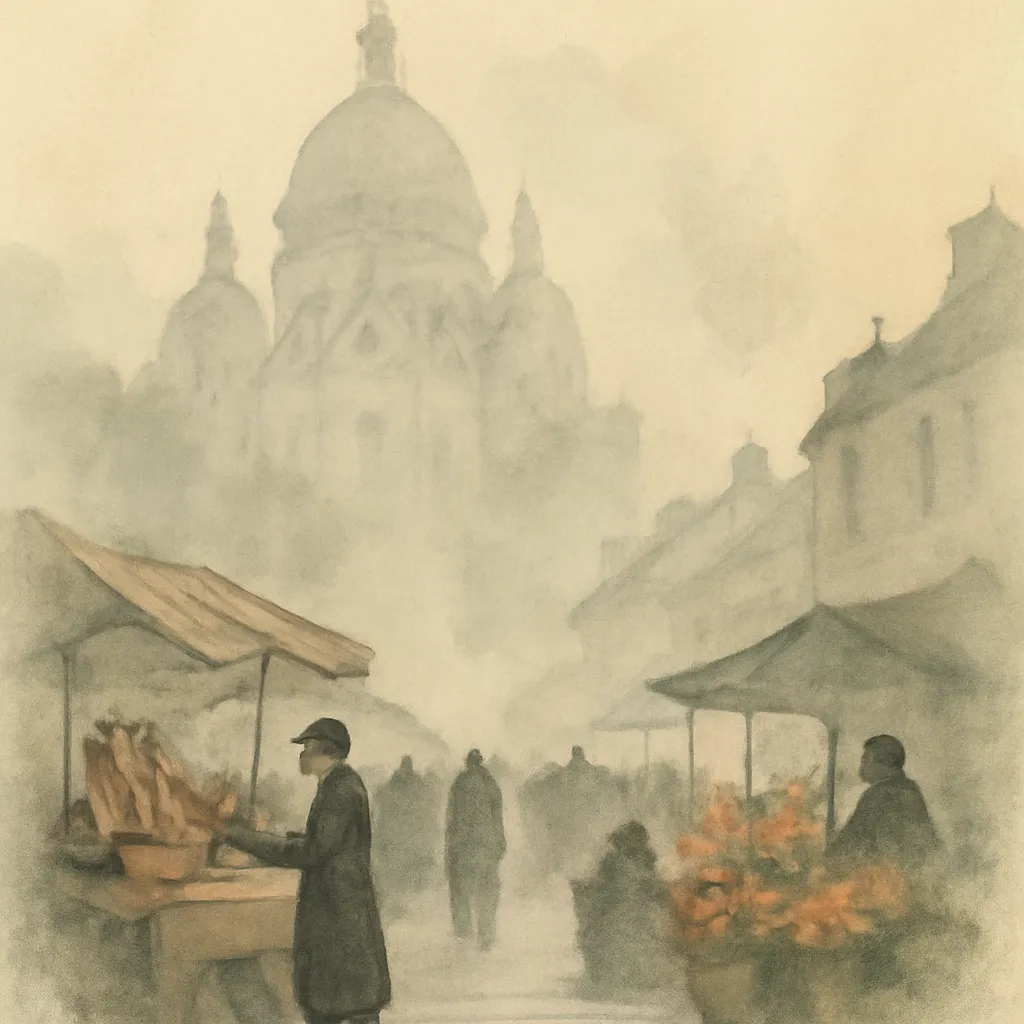
Hemingway’s Paris is more than a setting—it’s a character in itself. The city, with its cafés, markets, and rain-swept streets, becomes a crucible for creativity and self-discovery. Hemingway captures the intoxicating blend of poverty and possibility that shaped his early work, suggesting that place can deeply influence artistic identity. Paris is depicted as both real and idealized, a city that lives on in memory and art, and that, once experienced, becomes 'a moveable feast' that stays with you forever.
2.The Lost Generation and Literary Community
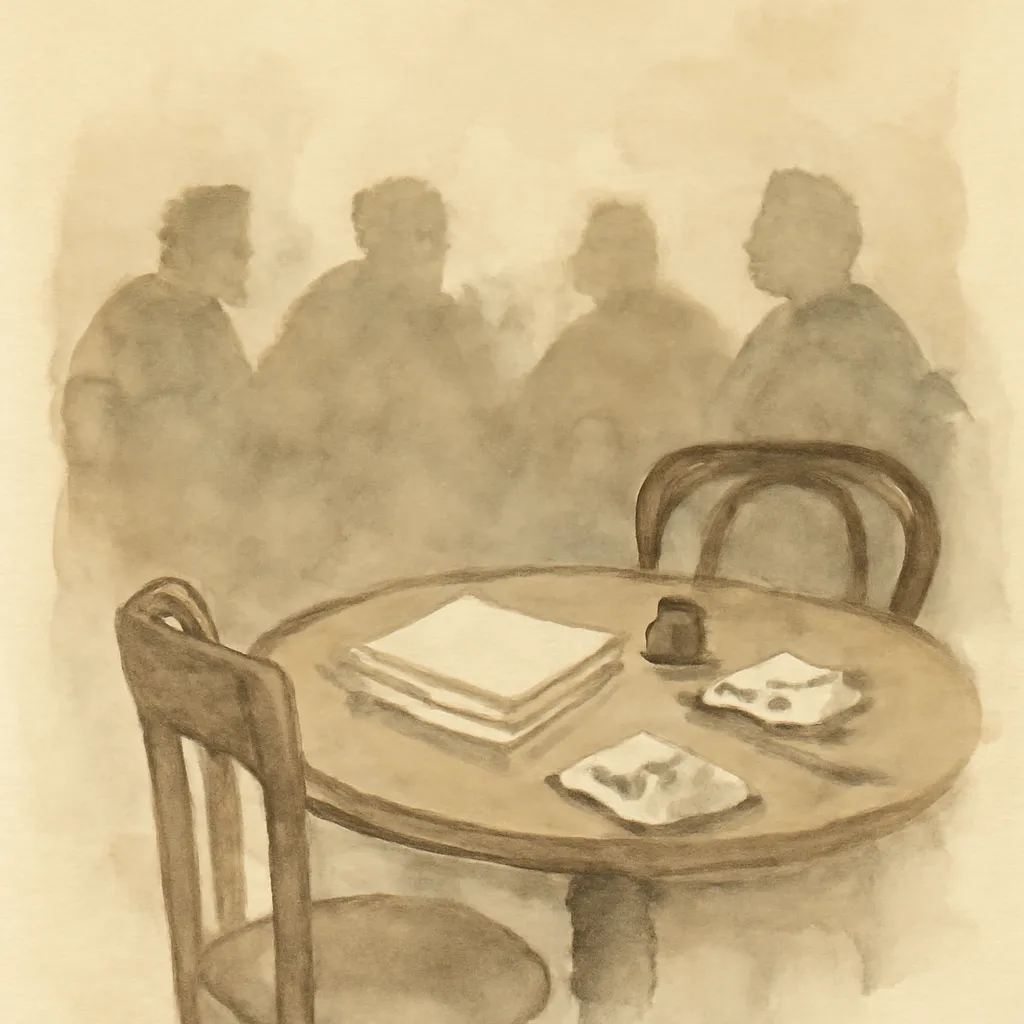
The memoir offers vivid portraits of fellow expatriate artists—F. Scott Fitzgerald, Gertrude Stein, Ezra Pound, and others—whose friendships, rivalries, and eccentricities defined the era. Hemingway explores the camaraderie and competition among these writers, showing how their interactions fueled creativity but also bred insecurity and jealousy. The book captures the sense of a generation searching for meaning after World War I, united by artistic ambition and existential uncertainty.
3.Artistry, Discipline, and the Writer’s Life
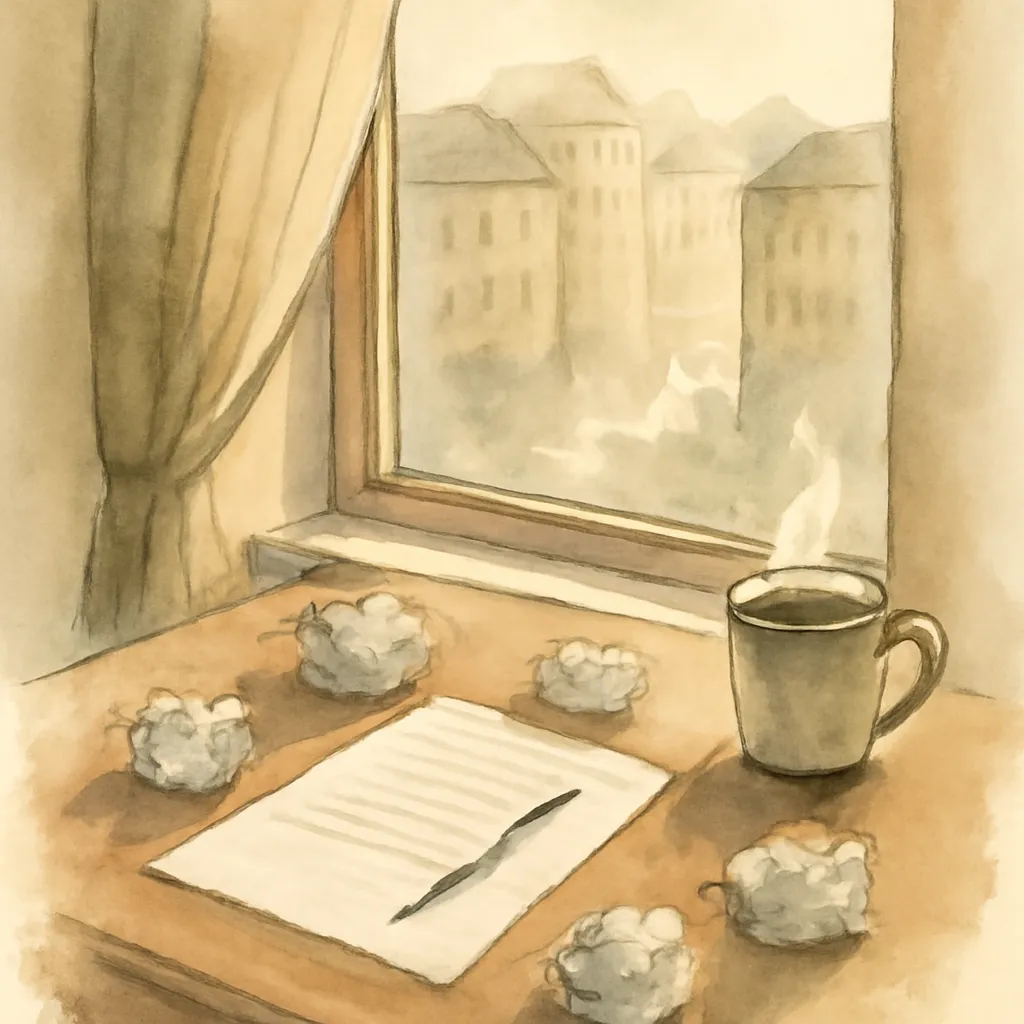
A Moveable Feast is a meditation on the discipline and sacrifices required to become a writer. Hemingway describes his daily routines, struggles with money, and the relentless pursuit of clarity and truth in his prose. He emphasizes the importance of observation, revision, and emotional honesty, offering practical insights into the craft of writing. The memoir reveals that literary greatness is forged in solitude, persistence, and a willingness to confront one’s own flaws.
4.Love, Marriage, and Regret
Central to the memoir is Hemingway’s relationship with his first wife, Hadley Richardson. Their partnership is depicted with tenderness and nostalgia, but also with an undercurrent of regret as Hemingway reflects on his later infidelities and the dissolution of their marriage. The book becomes a meditation on love lost and the cost of ambition, suggesting that personal happiness and artistic achievement are often at odds.
5.Memory and the Art of Reminiscence
Written decades after the events it describes, A Moveable Feast is shaped by the selective, sometimes unreliable nature of memory. Hemingway acknowledges the act of remembering as both creative and subjective, blending fact with feeling. The memoir’s structure—episodic, impressionistic—mirrors the way memory works, raising questions about truth, nostalgia, and the stories we tell ourselves about the past.
6.The Enduring Allure of Bohemian Paris
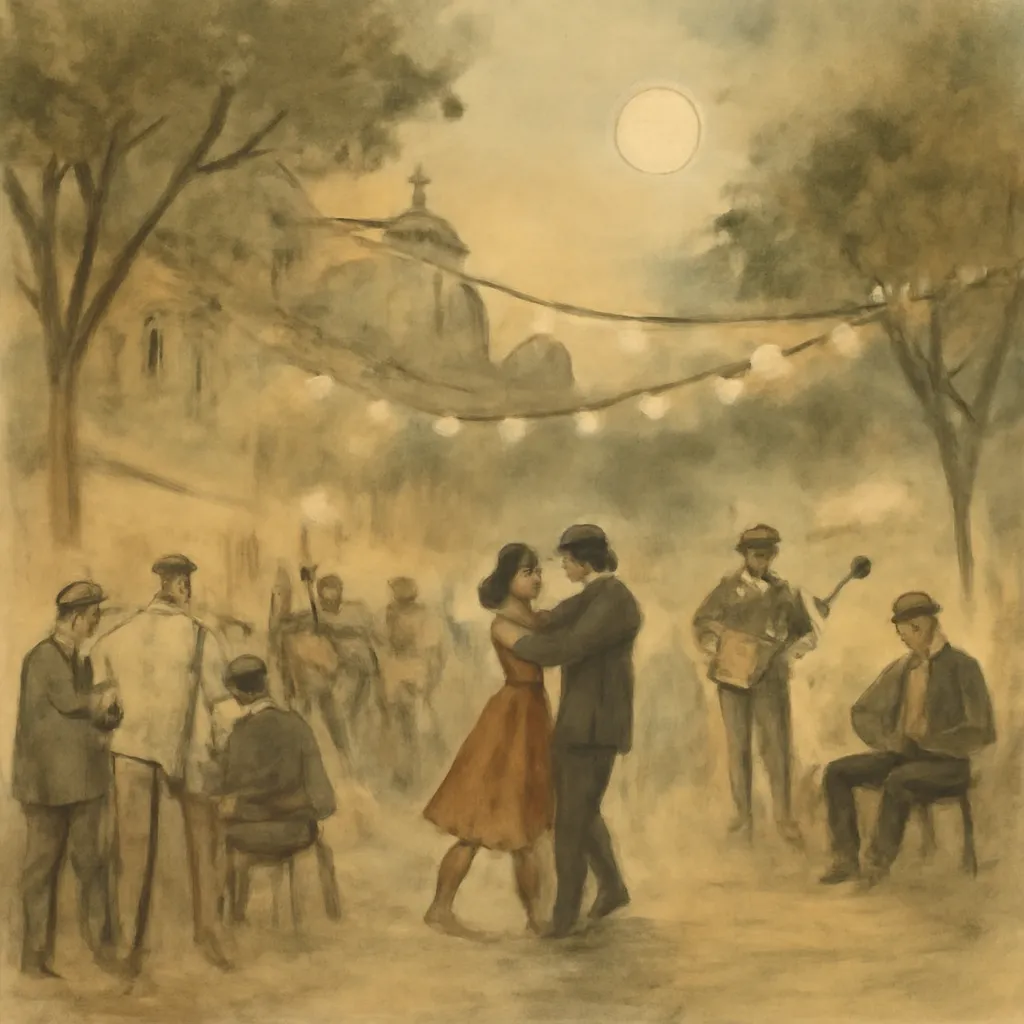
Beyond its personal narrative, the book immortalizes a mythic Paris that has captivated generations. Hemingway’s depictions of literary salons, smoky cafés, and artistic struggle have helped define the popular image of 1920s Paris as a haven for creativity and freedom. The memoir’s influence extends far beyond literature, shaping how we imagine both the city and the artistic life.