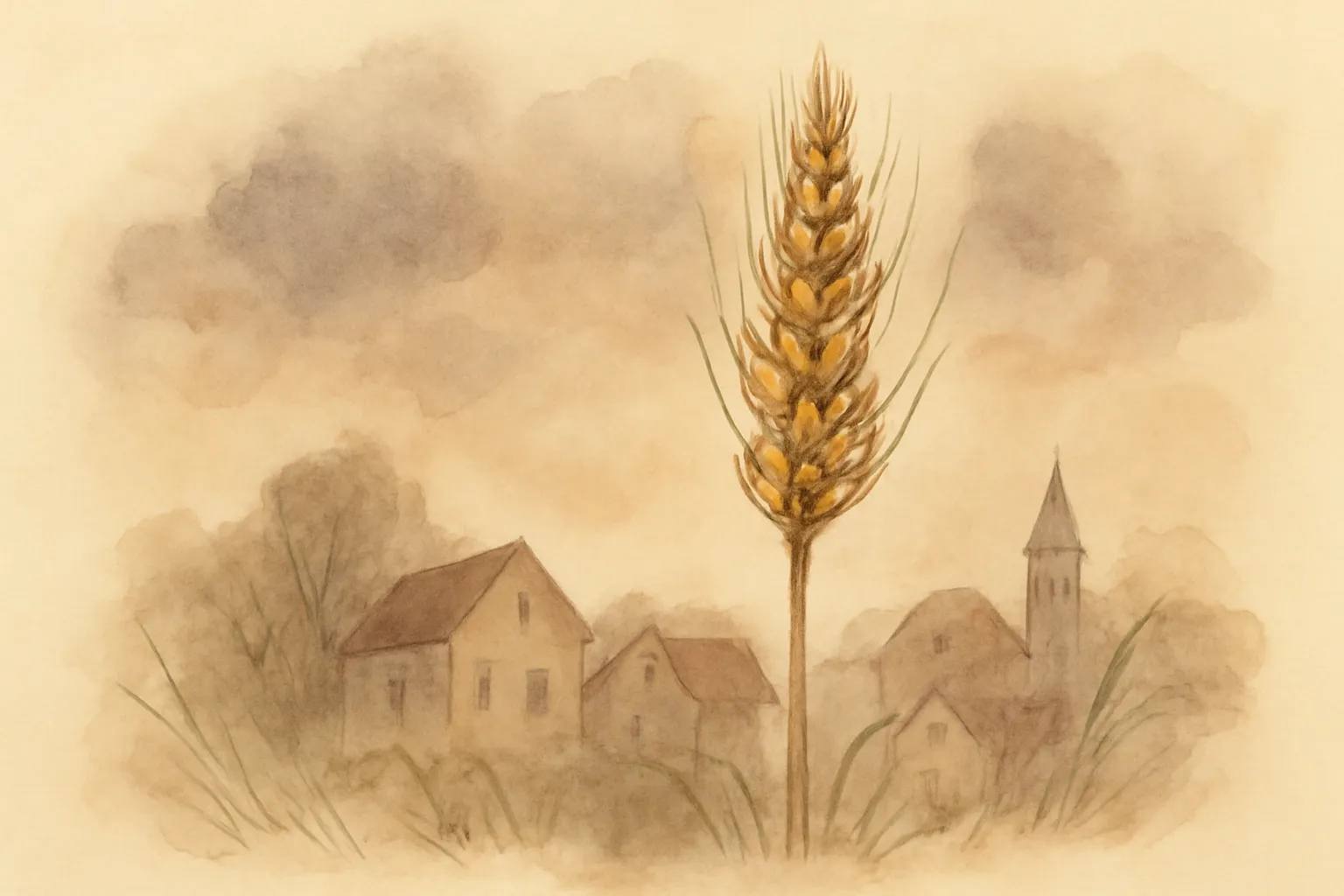
1.Dinah Brome's Stoic Existence
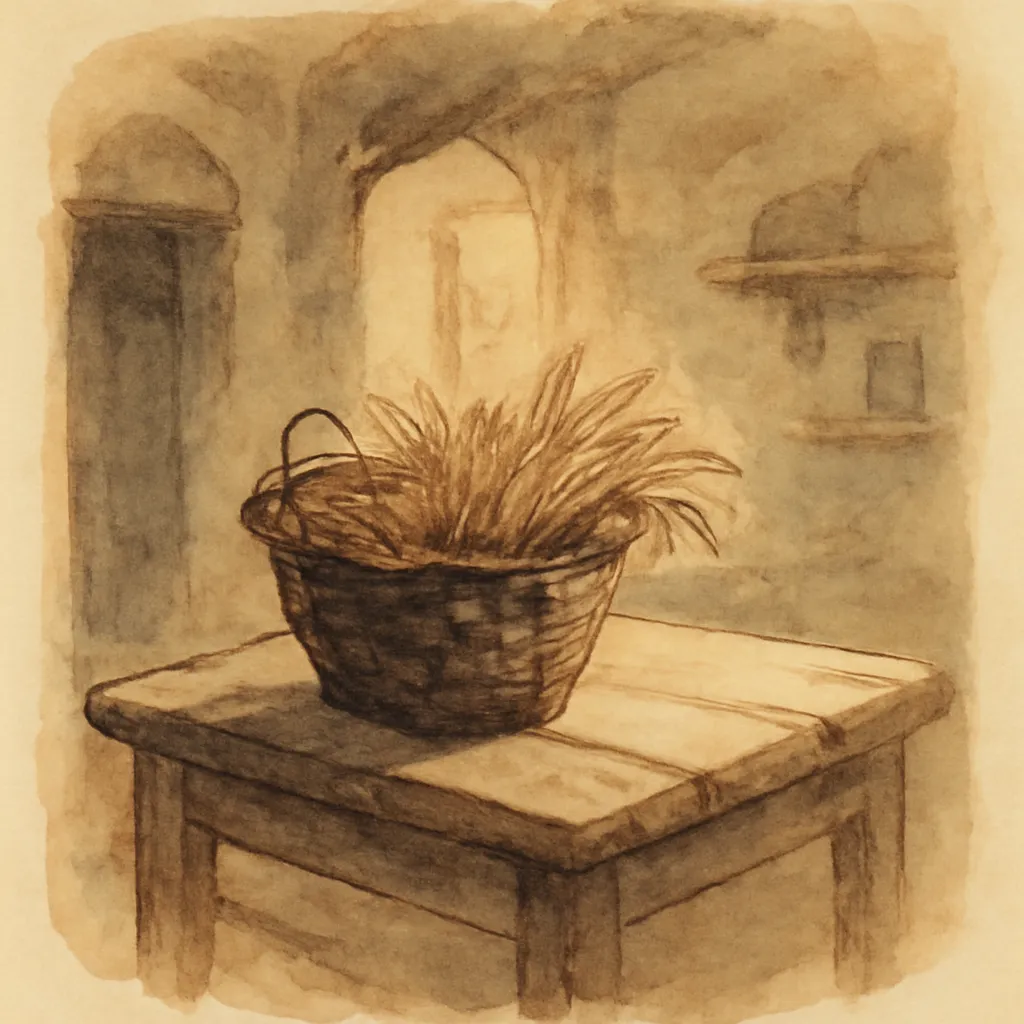
Dinah Brome embodies the archetype of the dutiful villager, a woman who appears strong and capable but harbors a profound emptiness. Her interactions in the village shop reveal a woman who is respected for her industriousness yet is devoid of personal passion or character. The way she conducts her shopping—insistent on getting the best quality butter and sugar—mirrors her approach to life; she focuses on the practical and the necessary, neglecting the emotional and social responsibilities that come with being part of a community. When confronted with the plight of her neighbor, Depper's wife, she remains indifferent, asserting that the doctor should tend to her needs rather than expecting others to step in. This highlights a critical theme in the book: the tension between individual responsibility and community obligation. Dinah's quiet refusal to engage with the suffering of others serves as a reflection of her own inner desolation, raising questions about the cost of self-sufficiency and the emotional toll of isolation.
2.The Burden of Grief and Loss
The character of Depper, who seeks solace in Dinah after the death of his wife, exemplifies the profound effects of grief on human behavior. His desperation to connect with Dinah, despite her brusque demeanor, underscores the loneliness that often accompanies loss. Mann captures this moment with sensitivity, portraying Depper as a man stripped of his former life, seeking refuge in the past and in the company of a woman who, while strong, offers no emotional comfort. This interaction reflects a broader commentary on how grief can lead individuals to cling to any semblance of connection, even when it is unreciprocated. The contrast between Dinah's stoicism and Depper's vulnerability illuminates the complexities of mourning and the varied ways individuals cope with their emotional burdens. Mann's exploration of grief is not just about loss but also about the yearning for connection, making it a poignant aspect of the narrative.
3.The Contrast of Youth and Despair
Peter, Clomayne's clerk, represents youthful optimism clashing with the stark realities of life. His visit to the doctor reveals his deep-seated insecurities about his health and future, particularly as he grapples with the fear of being passed over in life due to his medical condition. The dialogue between Peter and Cicely, a girl who seems to embody hope and determination, juxtaposes Peter's despondency with her unyielding belief in his potential. Cicely's insistence that the doctor must help Peter is a reflection of youthful naivete but also showcases the power of hope in the face of adversity. Mann uses their relationship to explore themes of aspiration versus reality, highlighting how the dreams of youth can often be thwarted by circumstances beyond one's control. This dynamic serves as a reminder of the fragility of youth and the burdens that come with the transition into adulthood.
4.The Doctor's Dilemma

The doctor in 'A Sheaf of Corn' serves as a moral compass throughout the narrative, grappling with his own responsibilities towards his patients while reflecting on the societal expectations placed upon him. His internal monologue reveals a man who, despite his professional success, feels a sense of helplessness regarding the plight of those he cannot save or support adequately. He expresses a desire to help Peter, yet he is also aware of the limitations of his influence. This tension illustrates the broader theme of the healthcare system and the challenges faced by medical professionals, particularly in small communities where resources are scarce. The doctor's reflections prompt readers to consider the ethical implications of care, the emotional toll of witnessing suffering, and the struggle to balance personal feelings with professional duties. Mann's portrayal of the doctor highlights the complexity of compassion in a world where not all problems can be solved, leading to a deeper understanding of the human experience.
5.Interpersonal Relationships and Community Dynamics

Mann intricately weaves the relationships between characters to showcase how interpersonal dynamics shape the fabric of community life. The interactions between Dinah, Mrs Littleproud, and the shopkeeper illustrate the delicate balance of friendship, rivalry, and social obligation. While Dinah is portrayed as a hardworking woman, her relationships reveal her emotional distance from others, which is echoed in Mrs Littleproud's gossip about the villagers. This gossip not only serves to entertain but also reinforces social norms and expectations, demonstrating how community members navigate their interconnected lives. The novel highlights the importance of relationships in shaping individual identities and the risks of isolation when one chooses to remain emotionally detached. Mann's exploration of community dynamics emphasizes the significance of empathy and support, suggesting that personal fulfillment is often found in the connections we forge with others.
6.The Weight of Expectations
Throughout 'A Sheaf of Corn', characters grapple with societal expectations that dictate their behavior and choices. Dinah's reluctance to help her neighbor is not just a reflection of her character but also an indication of the pressures she feels as a capable woman in a traditional society. The expectations placed upon her to be industrious and self-sufficient create a tension between her personal desires and the needs of others. Mann illustrates how these societal norms can lead to internal conflict, as characters like Dinah and Depper struggle to reconcile their roles within the community with their individual feelings of inadequacy and despair. This theme resonates with readers as it raises questions about the nature of duty, the impact of social conventions, and the sacrifices individuals make to conform to expectations. Mann's nuanced portrayal of these pressures invites reflection on the broader societal structures that shape human behavior and relationships.
7.The Role of Compassion in Healing

Compassion emerges as a central theme in 'A Sheaf of Corn', particularly through the interactions between characters facing hardship. The doctor’s desire to help Peter and his reflections on the importance of kindness highlight the healing power of empathy. Mann suggests that true healing extends beyond physical ailments; it encompasses emotional support and human connection. The doctor’s commitment to keeping an eye on Peter, despite his initial forgetfulness, signifies the importance of being present for others in times of need. This theme resonates throughout the narrative, as characters often find solace in the compassion of those around them. Mann's exploration of compassion serves as a reminder that while societal structures may fail individuals, the simple act of caring for one another can create profound change and foster resilience. This perspective encourages readers to consider how they can cultivate compassion in their own lives, particularly in their communities.
8.The Complexity of Love and Loneliness
Love and loneliness are intricately intertwined in 'A Sheaf of Corn', as characters grapple with their emotional needs in a world that often feels isolating. Dinah's interactions with Depper reveal her struggle to connect on a deeper level, despite his clear need for companionship. The novel portrays love as a double-edged sword, capable of providing comfort yet also exposing vulnerabilities. This complexity is further explored through Peter and Cicely's relationship, where youthful affection is tinged with uncertainty and fear of rejection. Mann adeptly illustrates how the quest for love can lead to feelings of isolation, particularly when societal expectations inhibit genuine connection. The characters’ experiences serve as a poignant reminder of the human desire for intimacy and the pain that often accompanies it, encouraging readers to reflect on their own relationships and the barriers that may hinder emotional closeness.
9.The Cycle of Life and Death
Mann poignantly addresses the cycle of life and death throughout the narrative, using the experiences of characters like Depper and Dinah to explore themes of mortality and the fragility of existence. The illness and potential death of Depper's wife serve as a catalyst for the characters' reflections on their own lives and choices. This theme is woven throughout the story, highlighting how the inevitability of death shapes human behavior and relationships. Mann's exploration of mortality is not just about the end of life but also about the legacy individuals leave behind and how they are remembered by those they touch. The cycle of life and death serves as a backdrop for the characters' struggles, prompting readers to consider their own mortality and the impact of their actions on future generations. This reflection adds depth to the narrative, reinforcing the importance of living authentically and compassionately in the face of life's uncertainties.
10.The Power of Memory and Reflection
Memory plays a crucial role in 'A Sheaf of Corn', influencing characters' actions and shaping their identities. The doctor’s reflections on his own son and Peter’s memories of his past reveal how the past informs the present. Mann uses memory as a tool for character development, illustrating how individuals carry their experiences with them, often leading to patterns of behavior that affect their relationships. The act of remembering serves as both a burden and a source of strength, as characters navigate their current realities while grappling with their histories. This theme resonates with readers, as it invites contemplation on how personal memories shape our understanding of ourselves and our connections with others. Mann's exploration of memory underscores the significance of reflection in personal growth, suggesting that understanding our past can lead to a more fulfilling present.