Fiction
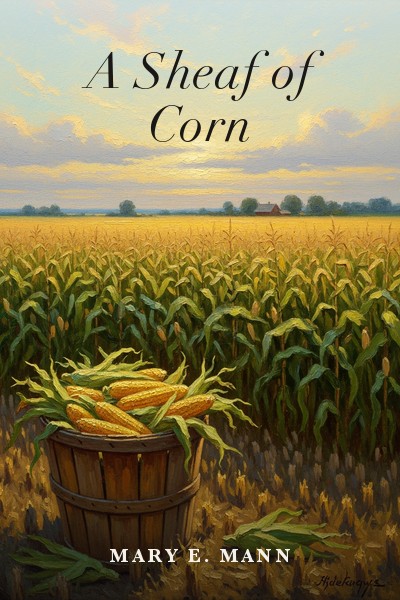
A Sheaf of Corn by Mary E. Mann — Summary, Key Ideas & Full Text
264 pages23 chapters5h 18m read3h 46m speed read✦ 10-min Big ideasFree · no account
Rate it
A Sheaf of Corn reveals the intricate tapestry of human relationships, societal expectations, and the quiet resilience of everyday lives
In Mary E. Mann's 'A Sheaf of Corn', readers are invited into a world where the lives of ordinary people intertwine in poignant and often unexpected ways. The narrative delves into the complexities of human emotions, moral dilemmas, and the societal norms that shape individual choices. Through the lens of various characters, from the steadfast Dinah Brome to the troubled Peter, the story paints a vivid picture of life in a small village. Readers will discover how personal struggles and community dynamics reflect broader themes of compassion, duty, and the search for happiness amidst adversity. This exploration not only highlights the characters' internal conflicts but also serves as a reflection on the human condition itself, making it a compelling read for anyone interested in the intricacies of life and relationships.
'A Sheaf of Corn' offers a rich and nuanced exploration of human relationships, societal expectations, and the emotional landscapes that define our lives. Through the interconnected stories of its characters, Mann delves into the complexities of love, loss, and the search for meaning in a seemingly indifferent world. The novel invites readers to reflect on their own lives, urging them to consider the impact of their actions and the importance of empathy and connection. Mann's storytelling resonates on multiple levels, revealing the beauty and pain of the human experience. Ultimately, 'A Sheaf of Corn' serves as a poignant reminder of the power of compassion and the enduring strength of the human spirit in the face of adversity.
“‘Tis a rank shame,' he say, 'there ain't none o' these here lazy women o' Dulditch with heart enough to go to help that poor critter in her necessity,' he say.”
“‘You should ha' heered 'm run on! 'Where be that Dinah Brome?' he say, 'that ha' showed herself helpful in other folks' houses. Wha's she a-doin' of, that she can't do a neighbour's part here?”
“‘You're a rum un ter call yerself a man and a husban'—you are!' Dinah Brome ejaculated; but she came downstairs and opened her door.”
Read Mary E. Mann's work free on Lumina — the complete text plus an 8-minute summary and key ideas, no account needed