1.The Power of Ambition and Betrayal
The story begins with the rivalry between Cyrus and his brother Artaxerxes, illustrating the destructive nature of ambition and betrayal within royal families. Darius, their father, summons both sons as he nears death, setting the stage for conflict. Cyrus, the younger brother, is depicted as a charismatic leader who commands loyalty from his troops, while Artaxerxes is influenced by Tissaphernes, who sows discord by accusing Cyrus of treachery. Their relationship exemplifies how familial bonds can be strained by the pursuit of power, ultimately leading to Cyrus's tragic downfall. This conflict serves as a catalyst for the Greek mercenaries' journey, highlighting the consequences of ambition when it turns into betrayal. The story demonstrates that ambition, while a powerful motivator, can also destroy relationships and lead to catastrophic consequences.
2.Cyrus's Strategic Leadership
Cyrus's ability to gather and inspire a diverse army of Greek hoplites and barbarian warriors showcases his exceptional leadership skills. He recruits Hellenes under the guise of protecting their cities from Tissaphernes, demonstrating cunning in military strategy. His charisma not only wins the loyalty of his troops but also fosters a sense of camaraderie among them. Cyrus's careful planning and secretive operations exemplify the importance of strategy in warfare, highlighting how effective leadership can galvanize a disparate group into a cohesive fighting force. His methods underscore the idea that success in battle often hinges on the ability to outsmart one's opponents rather than sheer numbers or brute force. The narrative thus portrays leadership as a complex interplay of strategy, personal charm, and political manipulation, revealing the multifaceted nature of authority in times of conflict.
3.The Shock of Loss and Leadership Vacuum
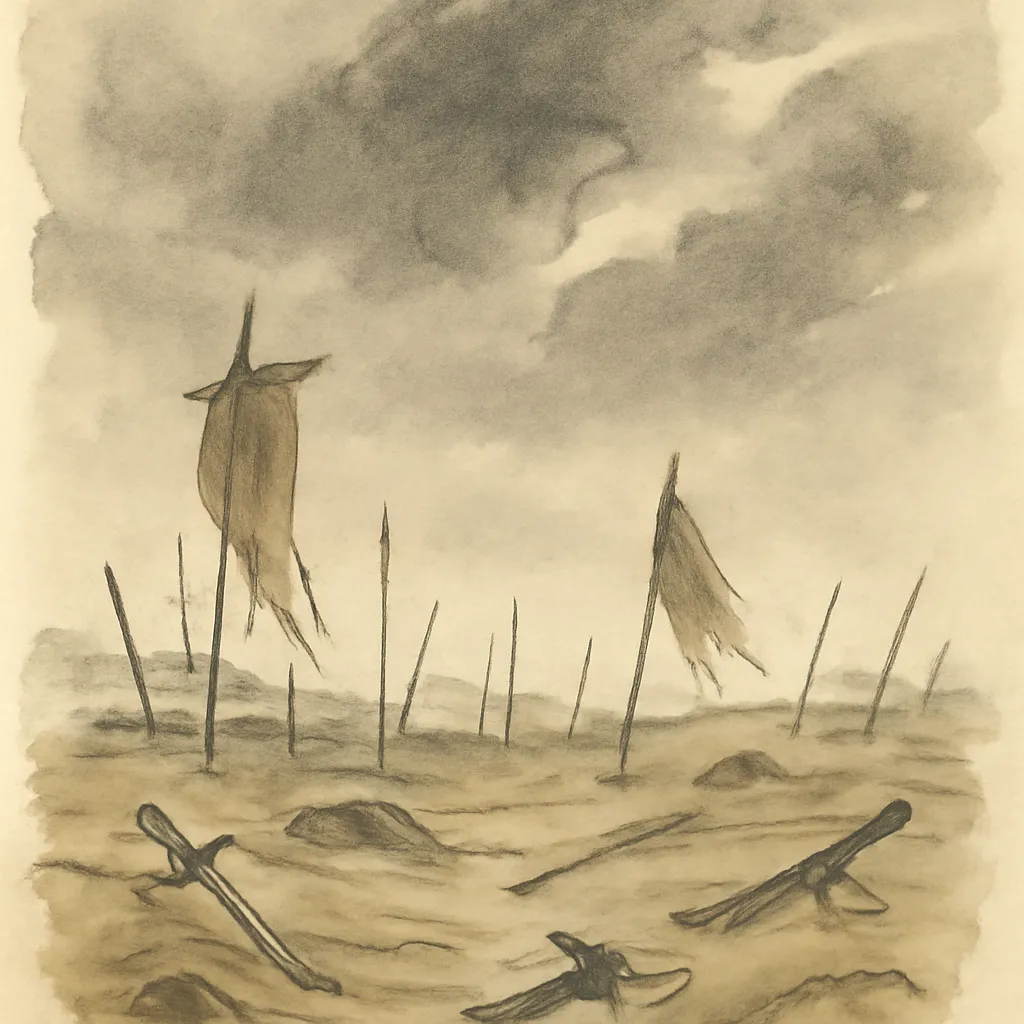
The death of Cyrus during the battle against Artaxerxes creates an immediate crisis for the Greek mercenaries, plunging them into confusion and despair. His absence leaves a vacuum in leadership, and the soldiers are initially unsure of their next steps. This pivotal moment highlights the fragility of their situation, as they find themselves stranded thousands of miles from home, surrounded by hostile forces. The generals' urgent meeting reveals their vulnerability, emphasizing how quickly fortunes can change in warfare. The shock of loss deeply affects the morale of the troops, with many struggling to cope with their grief and fear. This theme of loss resonates throughout the narrative, as the soldiers grapple with the consequences of their ambitions and the harsh reality of their predicament. It serves as a powerful reminder of the emotional toll of war, where the death of a leader can dismantle the very fabric of an army's cohesion.
4.Desperation and Unity in Adversity
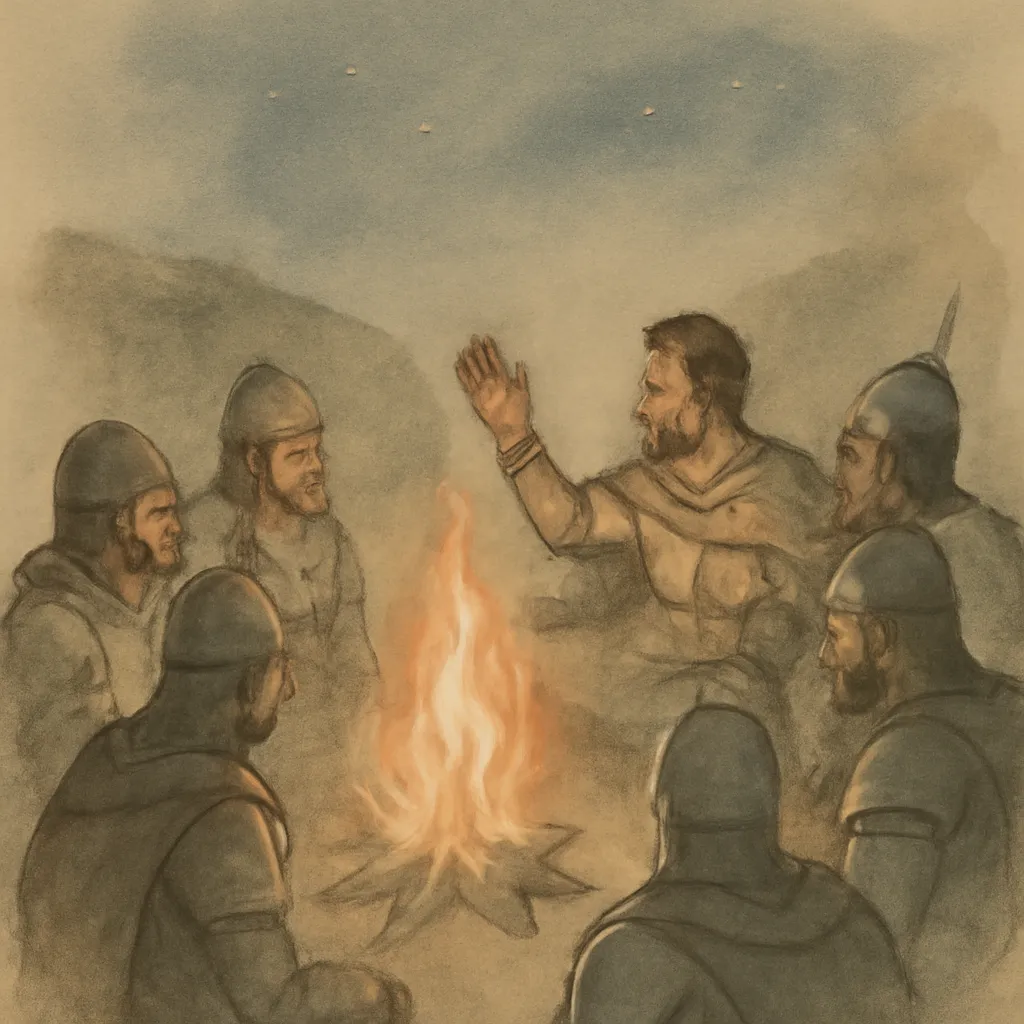
After Cyrus's death, the Greek soldiers face an existential crisis, trapped in enemy territory with no clear path to safety. The initial despair is palpable, as many soldiers struggle with thoughts of home and the possibility of never returning. However, this adversity also fosters a sense of unity among the men, as they collectively confront their dire circumstances. Clearchus's rallying speech encourages them to claim victory over Artaxerxes, igniting a spark of hope. This moment illustrates how shared suffering can forge strong bonds among individuals, as they come together to support one another in the face of overwhelming odds. The concept of unity amid adversity transforms their desperate situation into a source of strength, allowing them to cling to the hope of survival. The narrative deftly portrays how collective resilience can emerge in the wake of tragedy, emphasizing the importance of solidarity in overcoming challenges.
5.The Harsh Realities of Warfare
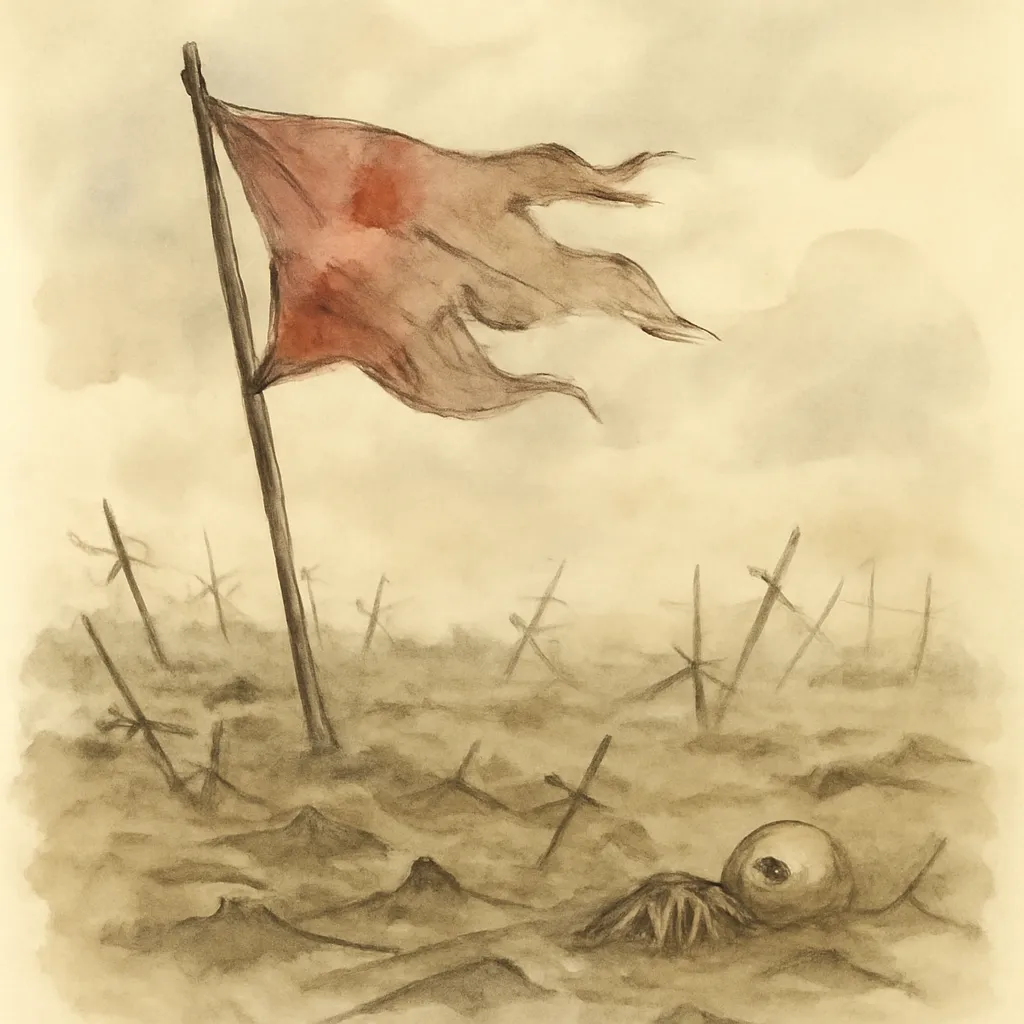
Xenophon's narrative starkly depicts the brutal realities of warfare, from the physical dangers to the psychological toll it takes on soldiers. The journey home is fraught with peril, including hostile encounters with various tribes and the treacherous terrain of the Carduchian mountains. Soldiers face starvation, exhaustion, and the constant threat of ambush, underscoring the unpredictability of their situation. This portrayal of warfare serves as a commentary on the sacrifices made by soldiers and the harsh conditions they endure. Xenophon's detailed descriptions of their struggles emphasize the resilience required to survive in such an unforgiving landscape, revealing the often-overlooked human cost of conflict. The challenges they encounter, including poor supplies and fierce enemies, paint a vivid picture of the harsh conditions soldiers must navigate, challenging the romanticized notions of glory in warfare. The narrative forces the reader to confront the grim realities faced by those who serve in battle.
6.Leadership Challenges and Decision-Making

As the Greeks navigate their way back home, the challenges of leadership become increasingly apparent. With the death of Cyrus, the generals must make critical decisions regarding their route and strategy. Conflicting opinions arise regarding whether to push forward or retreat, creating tension within the ranks. Xenophon emerges as a voice of reason, advocating for careful planning and resource management. His insights into leadership highlight the necessity of adaptability and clear communication during crises. The narrative serves as a case study in decision-making under pressure, illustrating how effective leaders must balance authority with collaboration to navigate complex situations. The struggles among the generals mirror real-life dilemmas faced by leaders, where the stakes are high and the costs of miscalculation can be catastrophic. This theme reinforces the idea that successful leadership is not just about commanding but also about listening and adapting to the needs of the group.
7.The Journey Through Hostile Territories
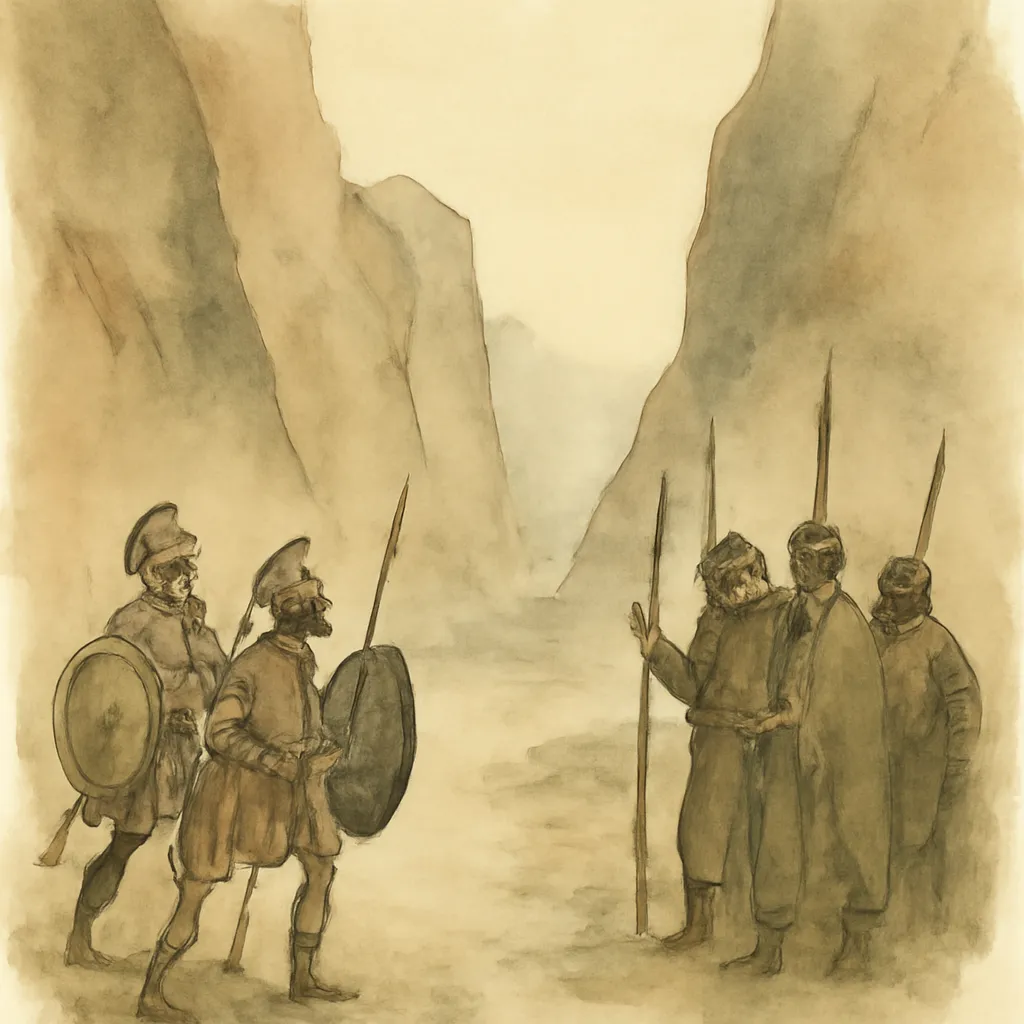
The Greeks' journey back home takes them through various hostile territories, each presenting unique challenges. Encounters with local tribes reveal the complexities of cultural interactions and the need for diplomacy. Xenophon emphasizes the importance of understanding and navigating these dynamics, as the Greeks must balance aggression with negotiation to ensure their survival. As they traverse unfamiliar lands, they encounter hostility and need to employ strategy and tact to forge temporary alliances and secure safe passage. The narrative illustrates how military might is not the only tool at a leader's disposal; diplomacy and respect for local customs are equally vital. This theme of cultural awareness resonates deeply, reminding readers of the intricacies involved in traversing unfamiliar lands and the necessity of adaptability in diverse environments. The soldiers learn that survival often depends as much on their ability to negotiate and understand others as it does on their combat skills.
8.The Role of Fortune and Fate

Throughout Anabasis, the influence of fortune and fate looms large, shaping the destinies of the characters involved. The Greeks experience moments of unexpected fortune, such as finding provisions or escaping ambushes, juxtaposed with instances of misfortune that lead to loss and hardship. This interplay between human agency and the whims of fate raises questions about the extent to which individuals control their destinies. Xenophon subtly weaves this theme into the narrative, suggesting that while strategic planning and leadership are crucial, external factors often play an equally significant role in determining outcomes. The characters' journeys often hinge on chance events outside their control, highlighting the unpredictable nature of life and warfare. This reflection on fate adds a philosophical layer to the story, inviting readers to ponder the balance between human effort and the unpredictable forces of life, suggesting that sometimes, despite all plans, fortune can be a fickle ally.
9.The Psychological Toll of the Journey
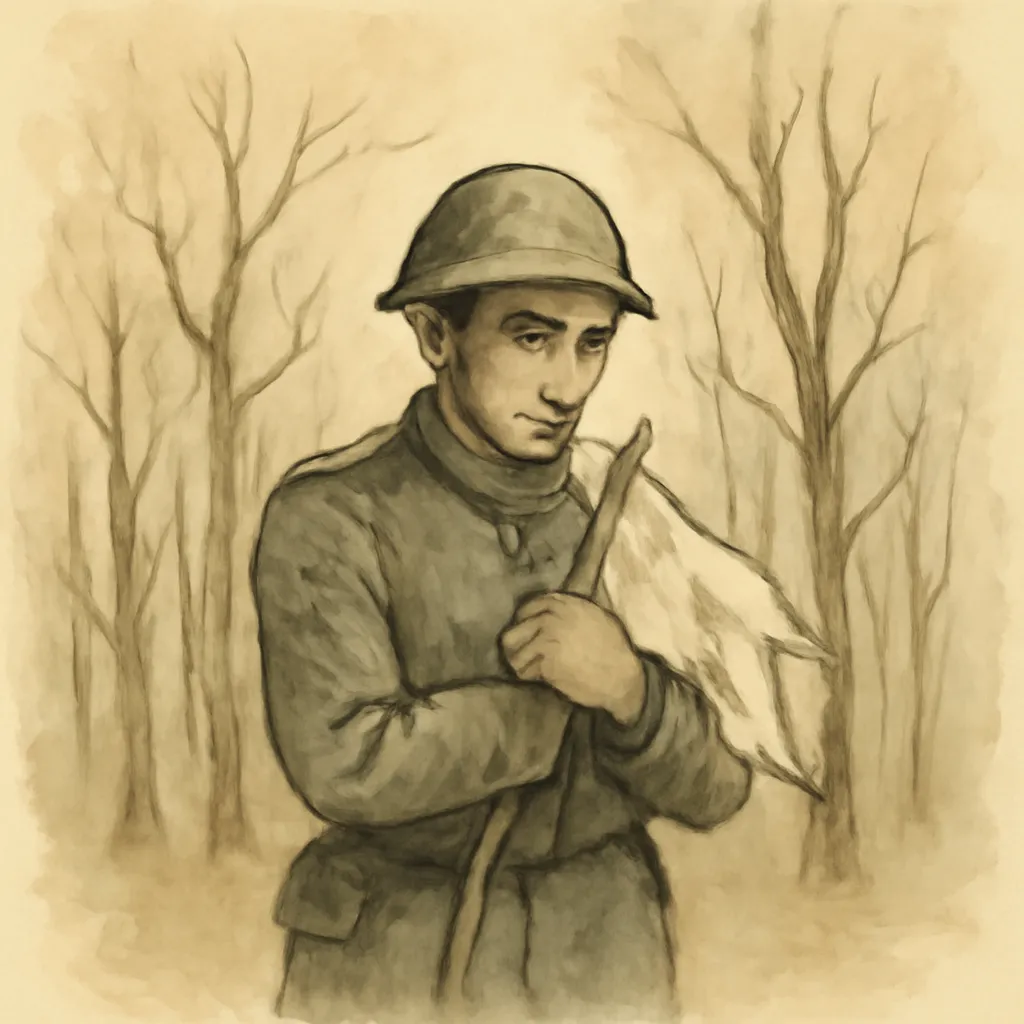
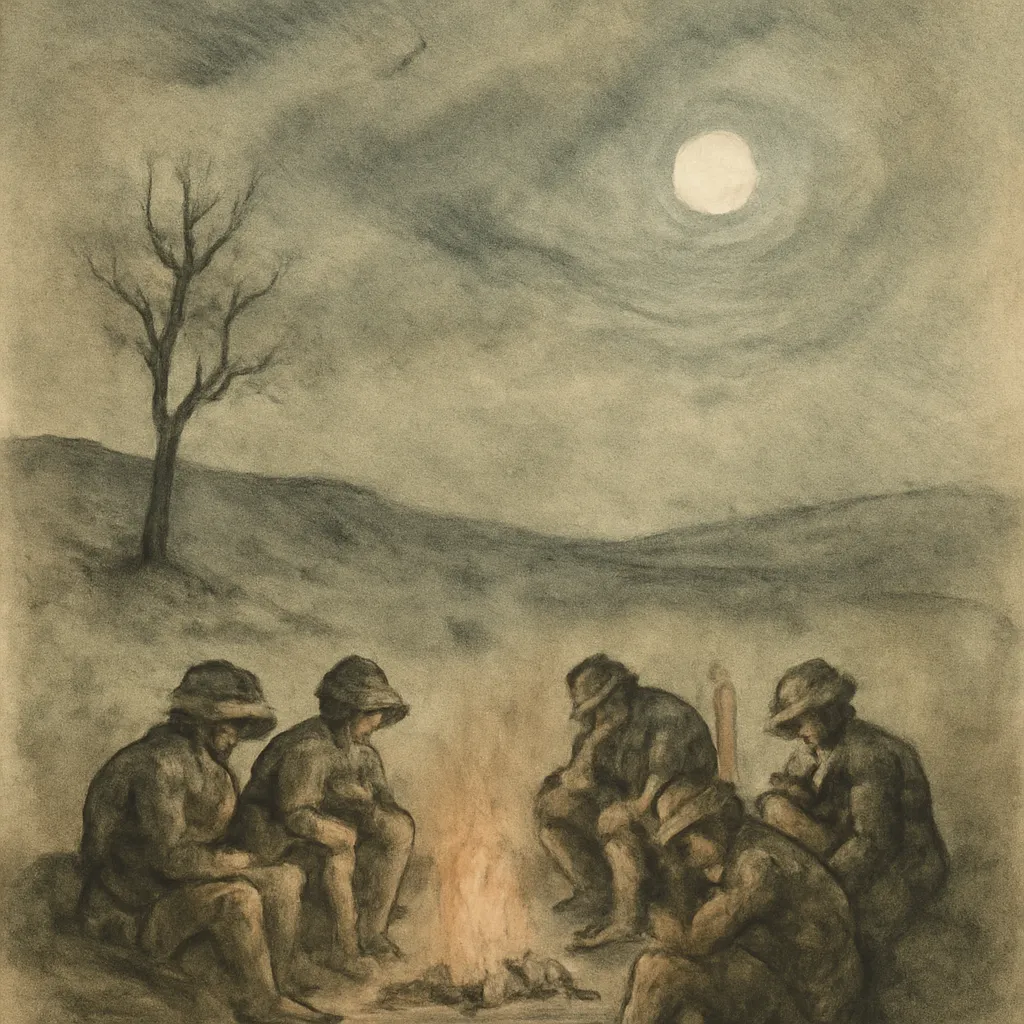
The psychological impact of the journey on the Greek soldiers is a recurring theme in Anabasis, as they grapple with fear, uncertainty, and longing for home. The emotional landscape of the narrative reveals the internal struggles faced by individuals in the face of adversity. Many soldiers experience a deep sense of loss, not only for their fallen leader but also for their homeland and loved ones. The bond formed among the men provides some solace, yet the weight of their circumstances often leads to despair. Xenophon's exploration of these psychological challenges adds depth to the narrative, reminding readers that the journey is as much about the mind as it is about the physical trek home. The narrative captures moments of introspection and doubt, showcasing how the soldiers cope with their grief and longing. This theme emphasizes the importance of mental resilience and camaraderie in overcoming life's obstacles, reflecting the complexity of the human experience in times of crisis.
10.The Importance of Homecoming

The ultimate goal of the Greek soldiers throughout their arduous journey is to return home, a theme that resonates powerfully in Anabasis. The longing for their homeland serves as a motivating force, driving them forward despite the numerous obstacles they face. The sacrifices made along the way highlight the profound connection individuals have to their roots and the lengths they will go to reclaim a sense of belonging. Xenophon poignantly captures the emotional weight of homecoming, as the soldiers navigate both physical and emotional landscapes on their way back. Each step taken towards home becomes symbolic of their struggle for identity and freedom, and the narrative reinforces the idea that home is not just a physical place but also a state of mind. This idea encapsulates the universal experience of longing for home and the significance of place in shaping identity. The journey home becomes a metaphor for resilience and the enduring human spirit in the face of adversity.