Adventure · Fiction
Anabasis by Xenophon — Summary, Key Ideas & Full Text
314 pages7 chapters6h 18m read4h 28m speed read✦ 9-min Big ideasFree · no account
Rate it
Anabasis reveals the resilience of the human spirit in the face of overwhelming odds and the quest for home
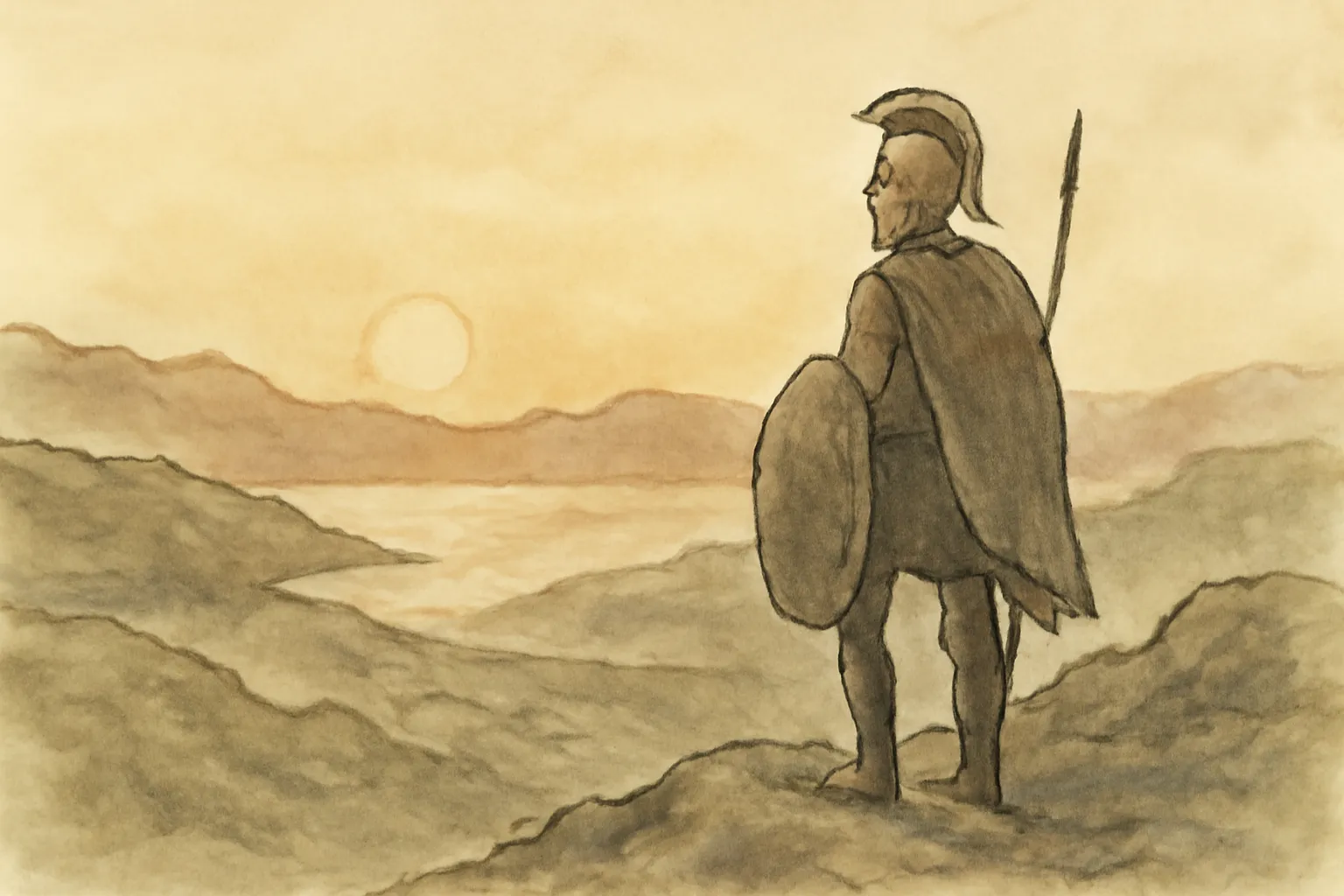
Xenophon's Anabasis chronicles the harrowing journey of Greek mercenaries stranded deep in enemy territory following the death of their leader, Cyrus. It explores themes of leadership, camaraderie, and survival against the backdrop of the ancient Persian Empire. The narrative not only provides a gripping adventure but also serves as a rich historical document, offering insights into the political dynamics and cultural interactions of the time. Readers will discover the complexities of loyalty and strategy in warfare, the struggles of the human condition, and the indomitable will to return home after calamity. This account is both a personal odyssey and a universal tale of perseverance that resonates through the ages.
Anabasis is a timeless exploration of the human spirit's resilience when faced with adversity, framed by Xenophon's vivid narrative of a perilous journey. The themes of leadership, ambition, and the longing for home resonate deeply, offering insights that extend beyond the context of ancient warfare. Through the plight of the Greek mercenaries, readers witness the complexities of human relationships, the weight of decision-making, and the psychological toll of conflict. Ultimately, the tale serves as a powerful reminder of the enduring quest for belonging and the strength found in unity amid hardship. Xenophon's account not only captures a historical moment but also invites reflection on the universal struggles that define the human experience.
“Would that Cyrus were yet alive!”
“If you like to send me to him, I think I can safely promise to return with some men-of-war and other vessels which will carry us.”
“The sole desire I now have is to cease from all these pains, and for the future, since here we have the sea before us, to sail on and on, 'stretched out in sleep,' like Odysseus, and so to find myself in Hellas.”
Read Xenophon's work free on Lumina — the complete text plus an 8-minute summary and key ideas, no account needed