1.The Ultimate Locked-Room Mystery
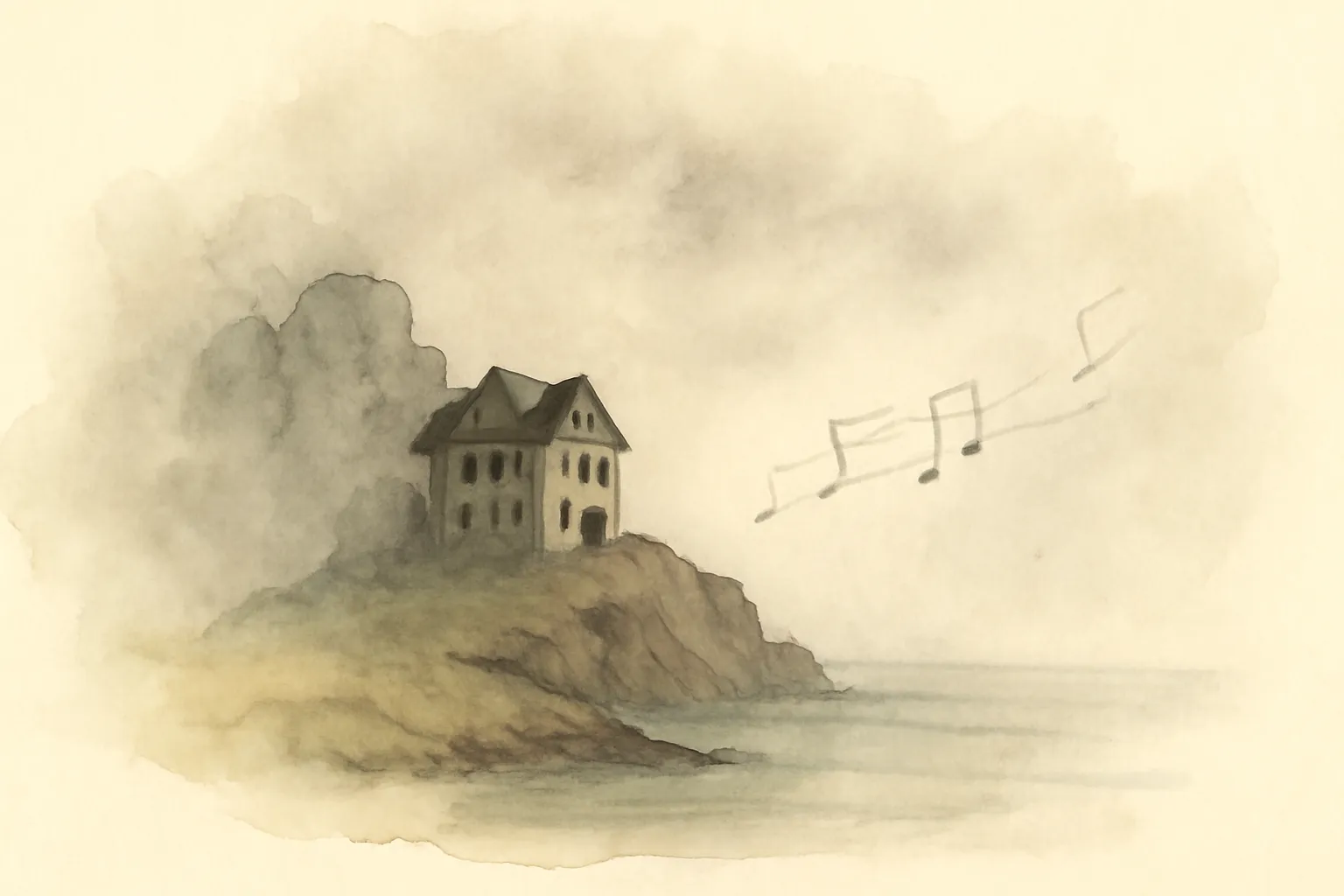
Christie crafts a scenario where ten strangers are lured to a remote island, cut off from the world, and systematically killed according to a chilling nursery rhyme. The isolation and absence of any apparent murderer create an atmosphere of paranoia and claustrophobia. The novel redefines the 'locked-room' trope by making the entire island the locked space, pushing both characters and readers to question not only who the killer is, but how the murders are even possible.
2.Justice and Moral Ambiguity
Each guest on the island is accused of a crime that the law could not punish, raising questions about justice, guilt, and retribution. The killer acts as judge, jury, and executioner, forcing characters (and readers) to confront the limits of legal versus moral responsibility. The story probes whether true justice can ever be served by human hands, and whether anyone is truly innocent.
3.Psychological Tension and Paranoia
As the guests are picked off one by one, suspicion and fear escalate. Christie expertly explores how isolation and the threat of death strip away social veneers, exposing the characters’ deepest fears and secrets. The psychological unraveling of each person is as compelling as the physical danger, making the book a study in how people react under extreme stress.
4.The Power of Guilt and Conscience
Guilt is a pervasive force in the novel. Many characters are haunted by their past actions, and the killer exploits this, using psychological torment as much as physical threat. The story suggests that conscience can be as punishing as any external force, and that the weight of unacknowledged guilt can drive people to desperation.
5.Deceptive Appearances
Throughout the novel, Christie plays with appearances and reality. The guests all seem respectable on the surface, but each harbors a dark secret. The killer manipulates perceptions, and the narrative constantly subverts expectations, forcing readers to question what they think they know about each character and about the nature of evil itself.
6.Structure and Innovation
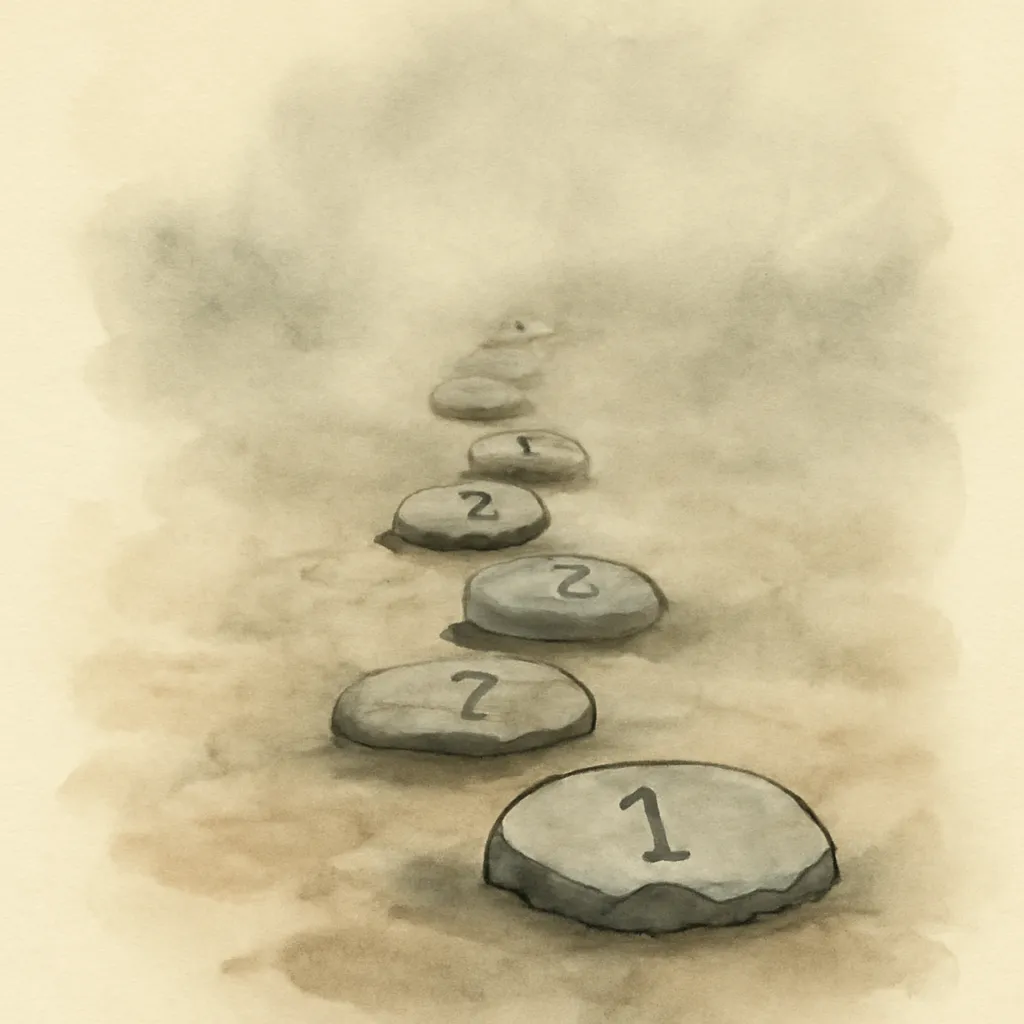
The novel’s structure, mirroring the countdown of the nursery rhyme, creates a relentless sense of inevitability. Christie’s use of multiple perspectives and shifting points of view keeps readers off-balance and engaged. The book’s innovative plot construction has influenced countless mysteries and thrillers since its publication.