1.The Harsh Reality of Prison Life
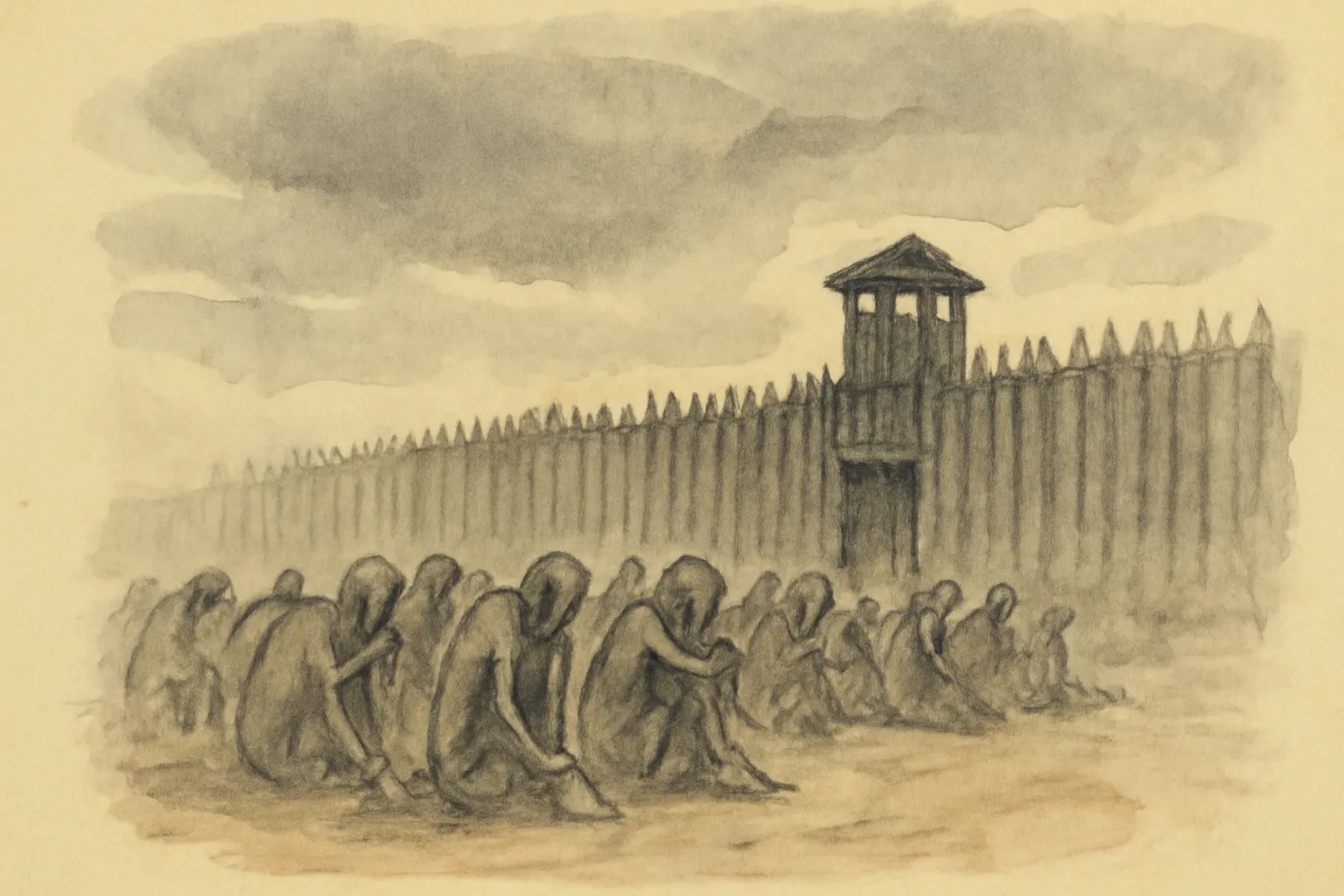
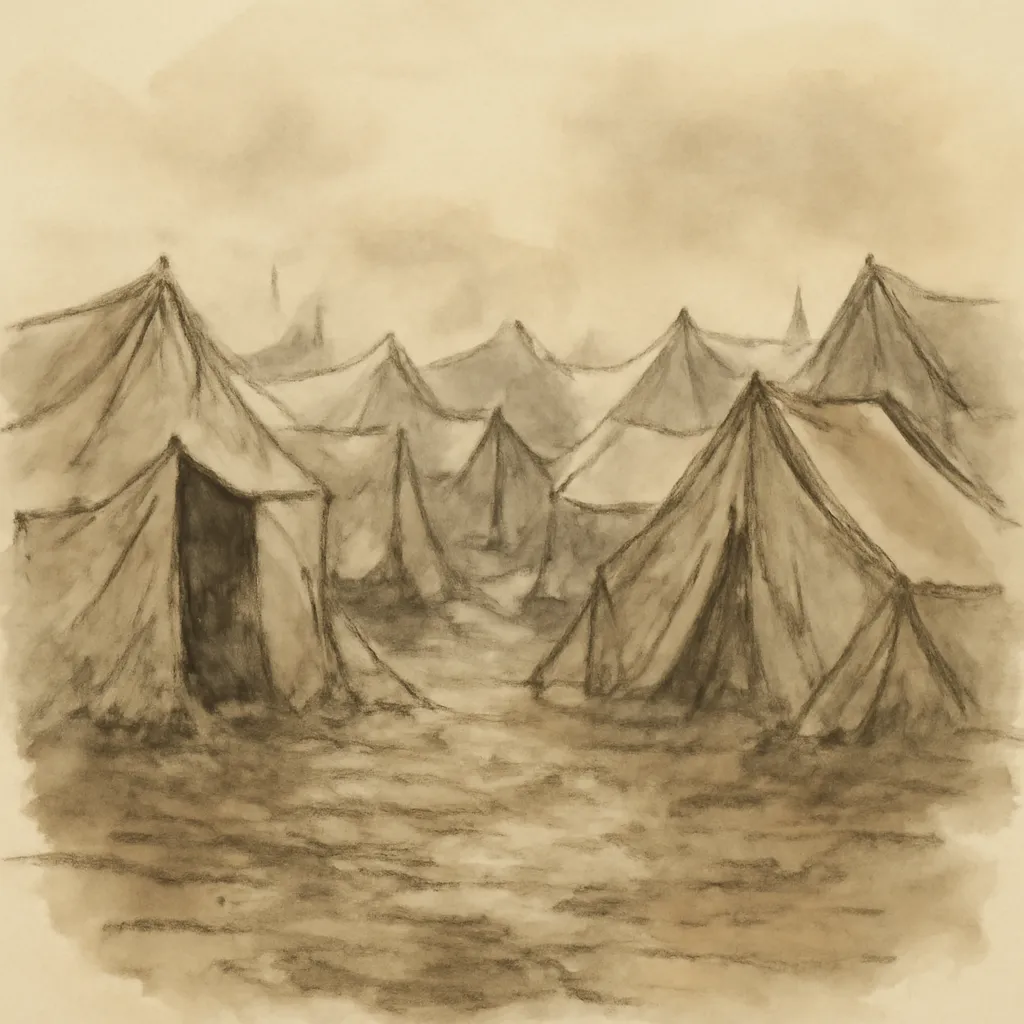
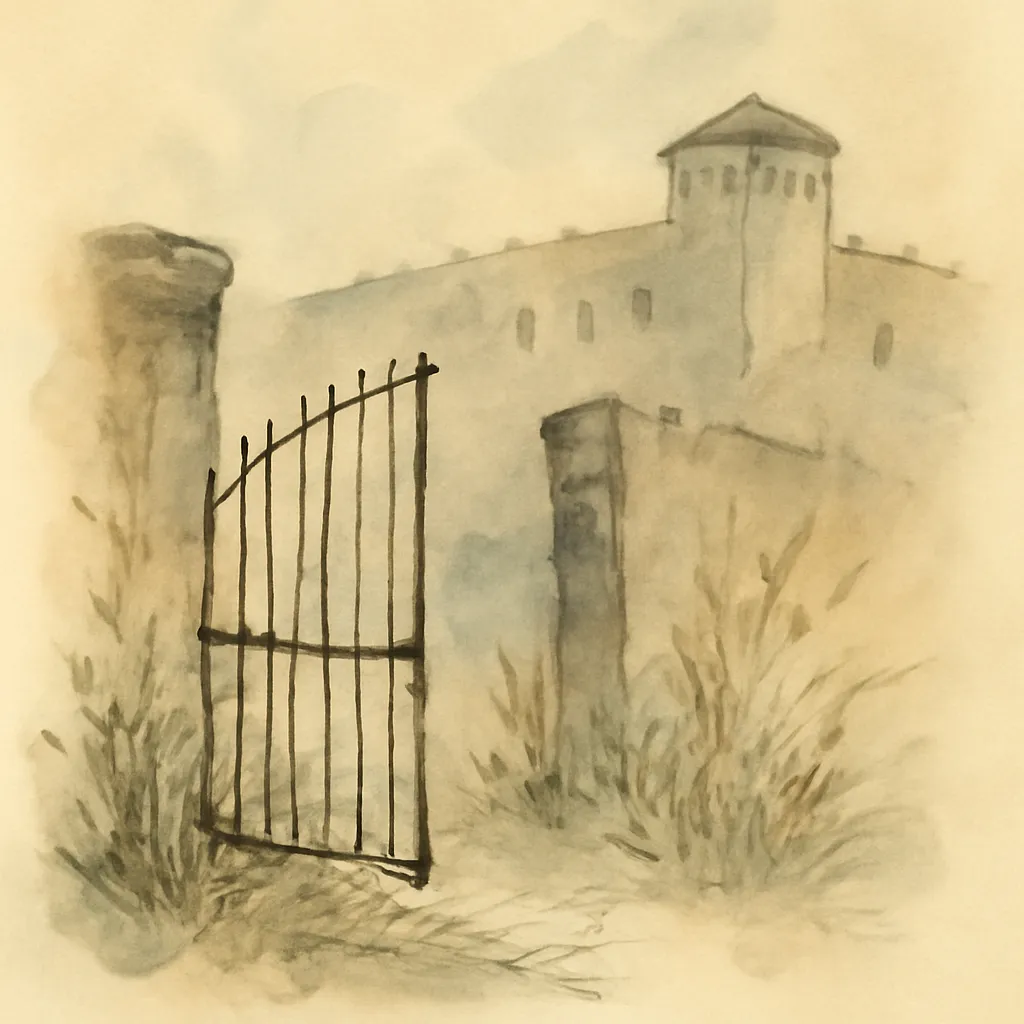
McElroy vividly describes the brutal conditions that prisoners faced in Andersonville, a place characterized by overcrowding, scarce rations, and rampant disease. The prison was essentially a stockade, enclosed by logs, where thousands of soldiers were confined in appalling circumstances. The walls were made of hewn logs, rising twenty feet high, offering little protection from the elements. The psychological effects of such conditions were profound, leading to despair and hopelessness among the men. McElroy notes that many prisoners were often forced to lie on the cold ground, exposed to harsh weather, with little hope for relief. The constant presence of death and disease compounded the suffering, creating an atmosphere of despair and helplessness. This depiction serves as a stark reminder of the consequences of war, not just on the battlefield but in the places where soldiers were meant to be protected.
2.The Struggle for Food
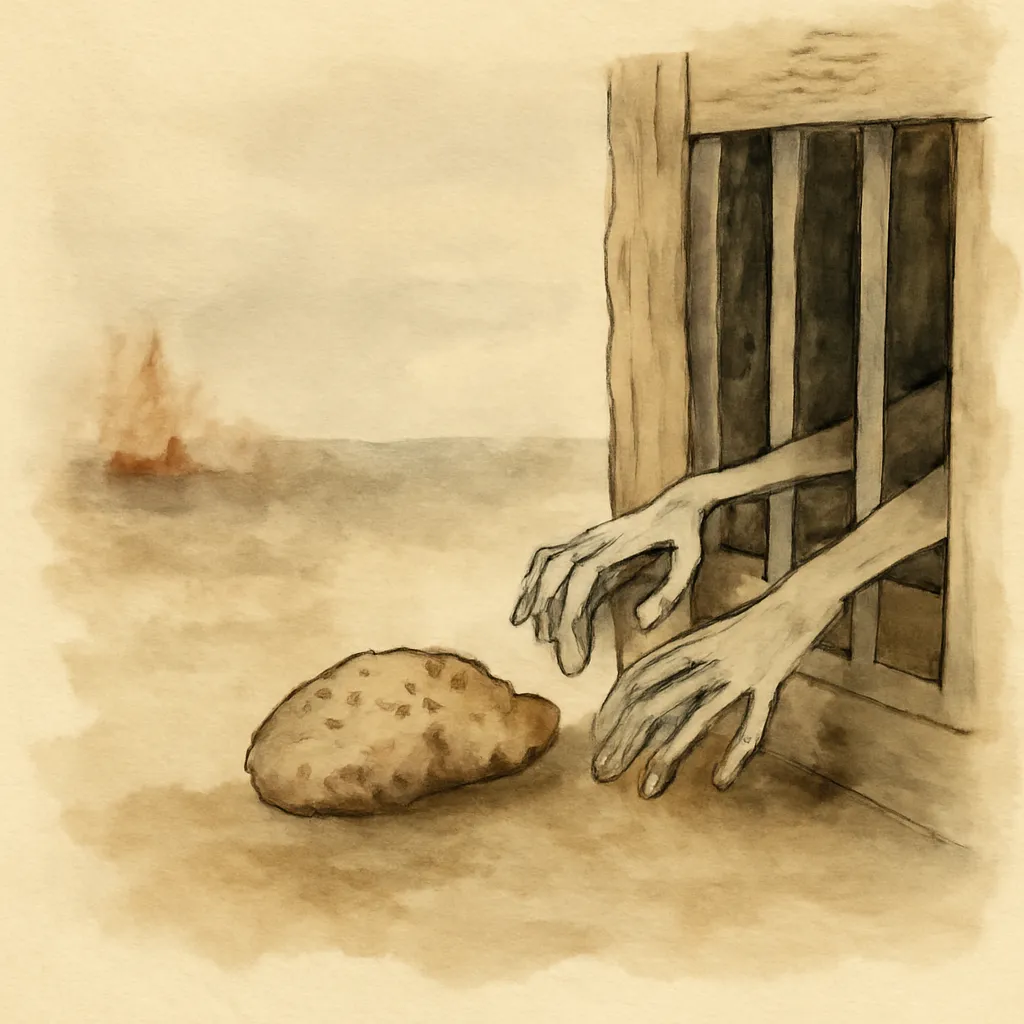
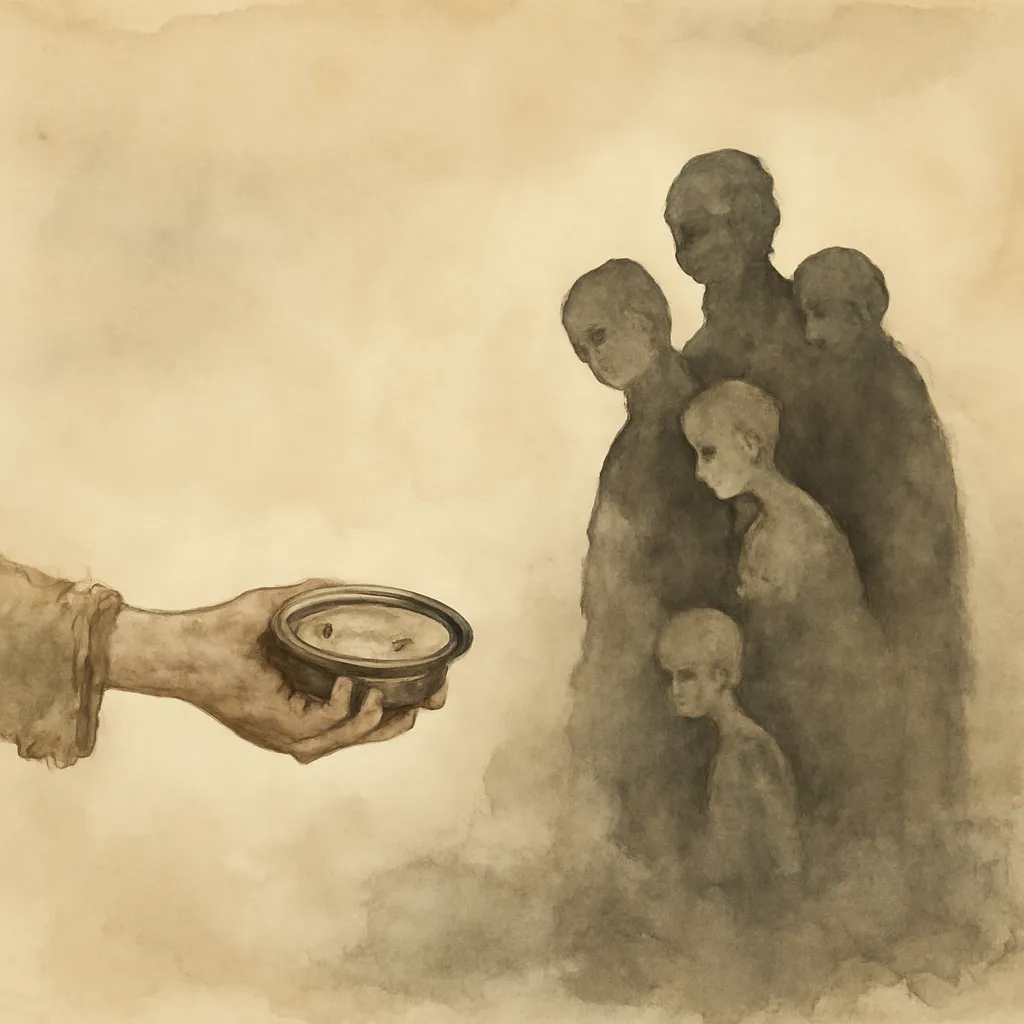
One of the most critical aspects of life in Andersonville was the struggle for food. Rations were constantly dwindling, with prisoners often receiving only a fraction of what was necessary for survival. McElroy recounts how the daily ration included a small loaf of coarse bread, occasionally supplemented with a meager portion of corned beef or beans, which were often infested with bugs. The scarcity led to desperate measures among the prisoners, including trading and bartering for food. This struggle highlighted not only the physical toll of hunger but also the moral dilemmas faced by men who were once soldiers, now reduced to scavenging for survival. The psychological impact of hunger created a pervasive atmosphere of anxiety and desperation, where the simple act of eating became a daily battle. McElroy emphasizes that hunger gnawed at their spirits as much as it did at their bodies, contributing to a sense of hopelessness and undermining the resolve of many.
3.The Role of Leadership and Command
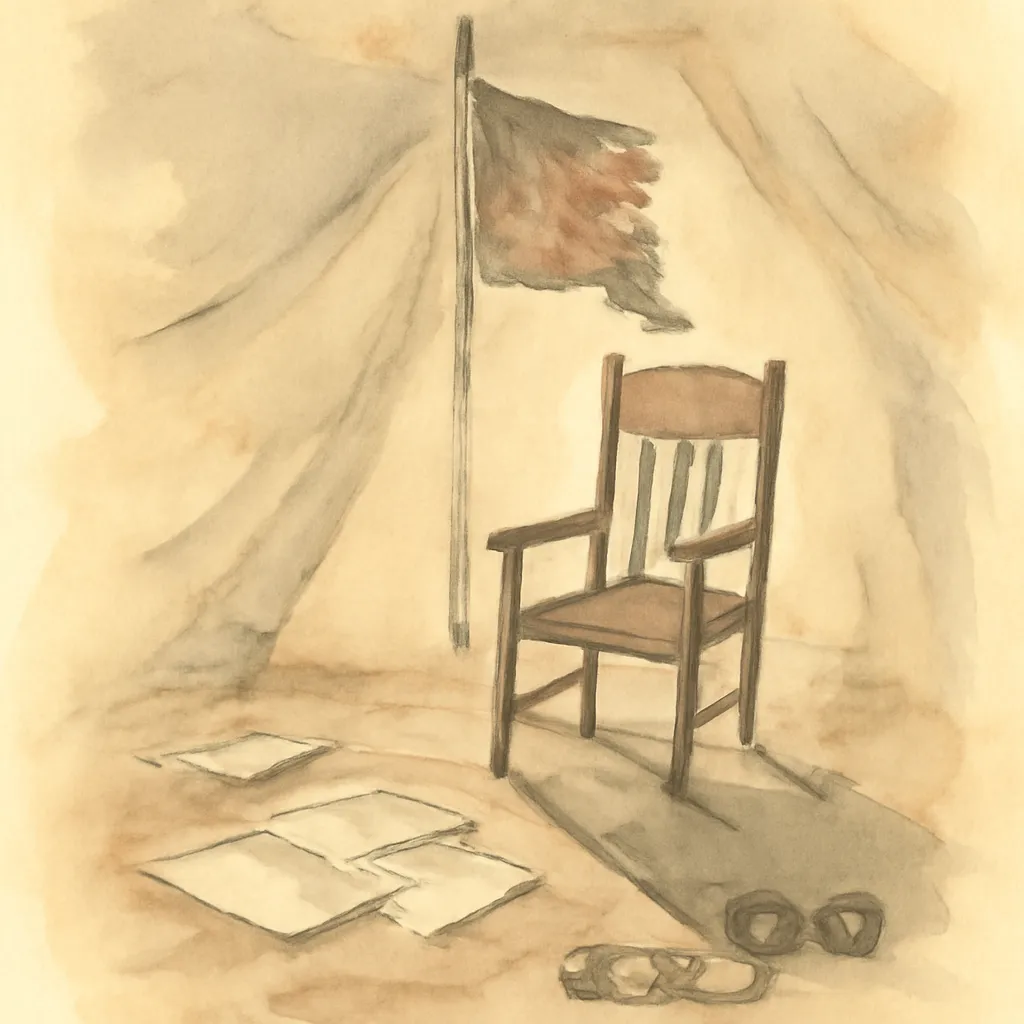
McElroy introduces Captain Henri Wirz, the commandant of Andersonville, whose leadership style was marked by cruelty and neglect. Wirz's actions, often characterized by a lack of empathy for the suffering prisoners, contributed significantly to the dire conditions within the stockade. The contrast between the leadership styles of different guards, particularly between the Georgians and Alabamians, is telling; the Alabamians were generally more honorable, while the Georgians often resorted to brutal tactics. McElroy portrays Wirz as a small-minded individual, whose incompetence and cruelty led to unnecessary deaths and suffering. This observation raises important questions about the nature of authority in wartime and the responsibilities of leaders to those under their command. The author emphasizes that leadership can profoundly affect the morale and well-being of those in captivity, and Wirz’s failures serve as a case study in how the abuse of power can lead to tragic consequences.
4.The Psychological Toll of Imprisonment
Life in Andersonville was not only a physical battle but also a psychological one. McElroy discusses the mental strain that came from constant fear, uncertainty, and the loss of comrades. Many prisoners suffered from depression and anxiety as they grappled with their situation and the reality of their potential fate. The camaraderie that developed among prisoners provided some relief, as they shared stories, food, and hope, but the constant threat of death loomed large. This exploration of the mental aspects of imprisonment is crucial in understanding the full impact of war on soldiers, illustrating that the scars of war are not only physical. McElroy’s narrative vividly captures the toll of isolation and despair on the human psyche, conveying how the bonds of friendship and shared suffering became essential for survival. The camaraderie that formed amidst the chaos provided strength and a sense of purpose, highlighting the power of human connection in dire circumstances.
5.The Search for Escape
Throughout his narrative, McElroy highlights the prisoners' relentless desire to escape from Andersonville. Various schemes and plans were devised, showcasing the ingenuity and resilience of the men confined within the stockade. The prisoners held secret meetings to discuss their escape plans, and McElroy describes how they gathered information about the surrounding terrain and potential routes to freedom. However, the reality of escape was fraught with danger; the presence of guards and the threat of death for those caught made the stakes exceedingly high. This theme of escape not only illustrates the desperation of the prisoners but also their enduring hope for freedom. The longing for liberation served as a powerful motivator, driving men to take risks that could lead to their demise or their salvation. McElroy reveals how the desire for freedom became a beacon of hope, illuminating the dark realities of their confinement.
6.The Impact of Disease and Medical Neglect
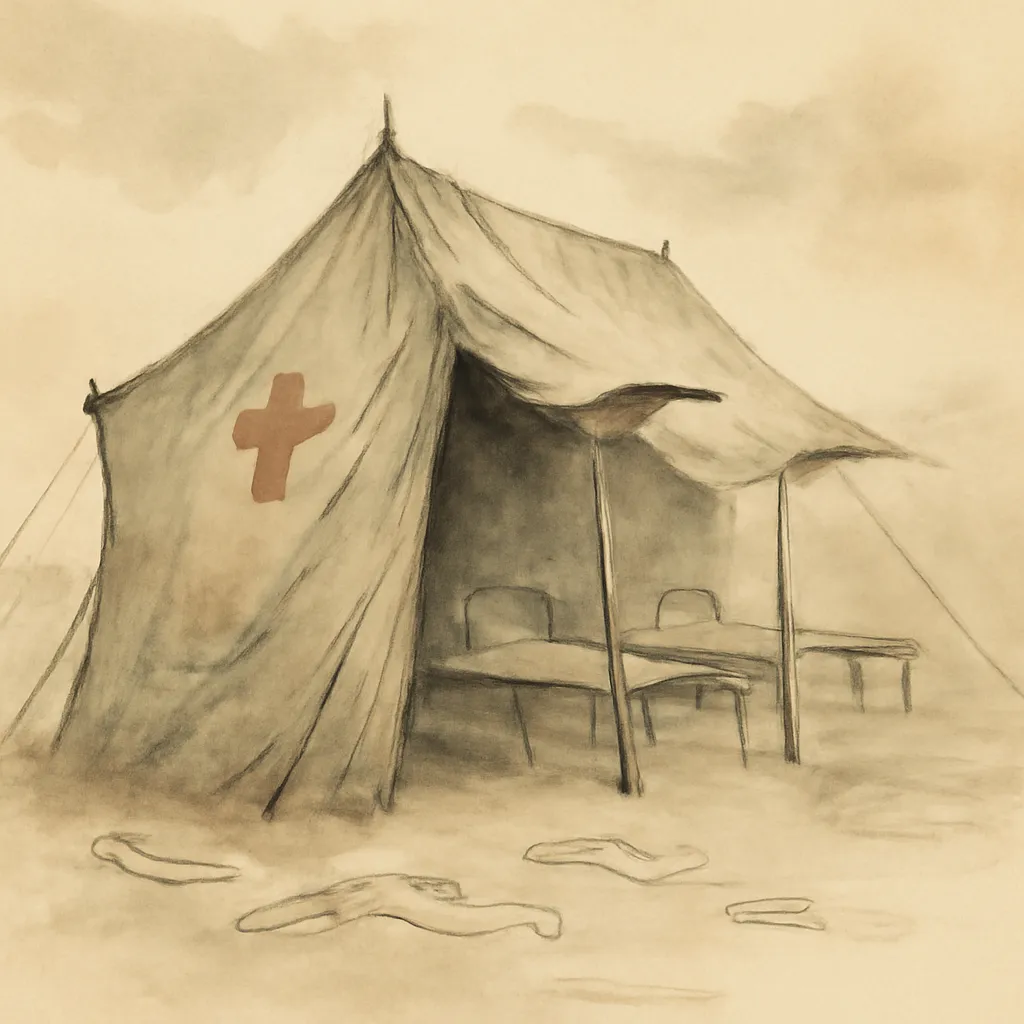
Disease ran rampant in Andersonville, exacerbated by the unsanitary conditions and lack of medical care. McElroy details how many prisoners fell ill due to malnutrition and exposure, with diseases like dysentery and scurvy claiming countless lives. The prison’s medical facilities were woefully inadequate, with few doctors available to treat the sick. As conditions worsened, the mortality rate soared, and McElroy paints a grim picture of the makeshift hospitals where men suffered without proper care. The neglect raises profound ethical questions about the treatment of prisoners during the war and reflects broader themes of humanitarianism in times of conflict. The indifference of the authorities to the suffering of the prisoners highlights the moral failings that can occur during wartime. McElroy’s account serves as a stark reminder of the human cost of war, urging readers to reflect on the importance of ethical treatment of all individuals during conflicts.
7.The Bonds of Brotherhood
Amidst the suffering and despair, McElroy emphasizes the strong bonds of brotherhood that formed among the prisoners. These connections provided emotional support and a sense of community in an otherwise isolating and dehumanizing environment. Men shared their rations, helped each other cope with the psychological toll of imprisonment, and offered companionship in the darkest times. This sense of solidarity became a source of strength, as they relied on each other to survive both physically and mentally. The stories of camaraderie serve as a poignant reminder of the capacity for human connection even in the bleakest circumstances, illustrating that hope and resilience often emerge from shared hardship. McElroy illustrates how these bonds transcended individual suffering, creating a collective identity among the prisoners that bolstered their resolve to endure.
8.The Role of Women in Wartime
McElroy's narrative also touches upon the role of women during the Civil War, particularly in the context of the prisoners’ stories. The longing for home and the women they left behind played a significant part in the emotional landscape of the men in Andersonville. Letters from loved ones served as lifelines, reminding them of what they were fighting for and who they were fighting to return to. The women’s contributions, whether through direct support or through the emotional sustenance they provided, were crucial in maintaining the morale of the soldiers. This aspect of the narrative underscores the often-overlooked roles women played during the war, both on the home front and in supporting their loved ones in the field. McElroy’s reflections on the women in their lives serve to humanize the experience of war, highlighting the interconnectedness of the home front and the battlefield.
9.The Historical Significance of Andersonville
Andersonville stands as a symbol of the broader issues surrounding the treatment of prisoners of war during the Civil War. McElroy's account provides a detailed examination of how the prison's conditions reflected the larger ethical dilemmas faced by both the Union and Confederate forces. The treatment of prisoners often became a point of contention, influencing public opinion and policy regarding wartime conduct. This narrative raises important questions about accountability and the moral responsibilities of governments to their soldiers. Andersonville serves as a historical lesson on the consequences of neglect and cruelty, reminding future generations of the importance of humane treatment even in times of war. McElroy’s exploration of Andersonville invites readers to consider the long-term implications of how societies treat their prisoners, pressing the need for compassion and humanity.
10.The Aftermath and Legacy of Andersonville
The legacy of Andersonville extends beyond the Civil War, influencing how future conflicts would address the treatment of prisoners. McElroy’s narrative invites readers to reflect on the implications of the prison's history for contemporary discussions on human rights and the treatment of detainees. The horrors endured by the prisoners at Andersonville have become a cautionary tale, reminding society of the importance of compassion and the need for ethical standards in wartime. This legacy continues to resonate in modern discussions about the treatment of prisoners, making McElroy’s account not just a historical document but a relevant commentary on ongoing issues of justice, morality, and humanity in conflict. The legacy of Andersonville challenges us to confront our values during times of crisis and to advocate for humane treatment of all individuals.