Fiction
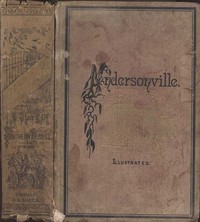
Andersonville: A Story of Rebel Military Prisons by John McElroy — Summary, Key Ideas & Full Text
627 pages83 chapters12h 35m read8h 56m speed read✦ 9-min Big ideasFree · no account
Rate it
A harrowing account of survival and suffering that exposes the brutal realities of Civil War prisons
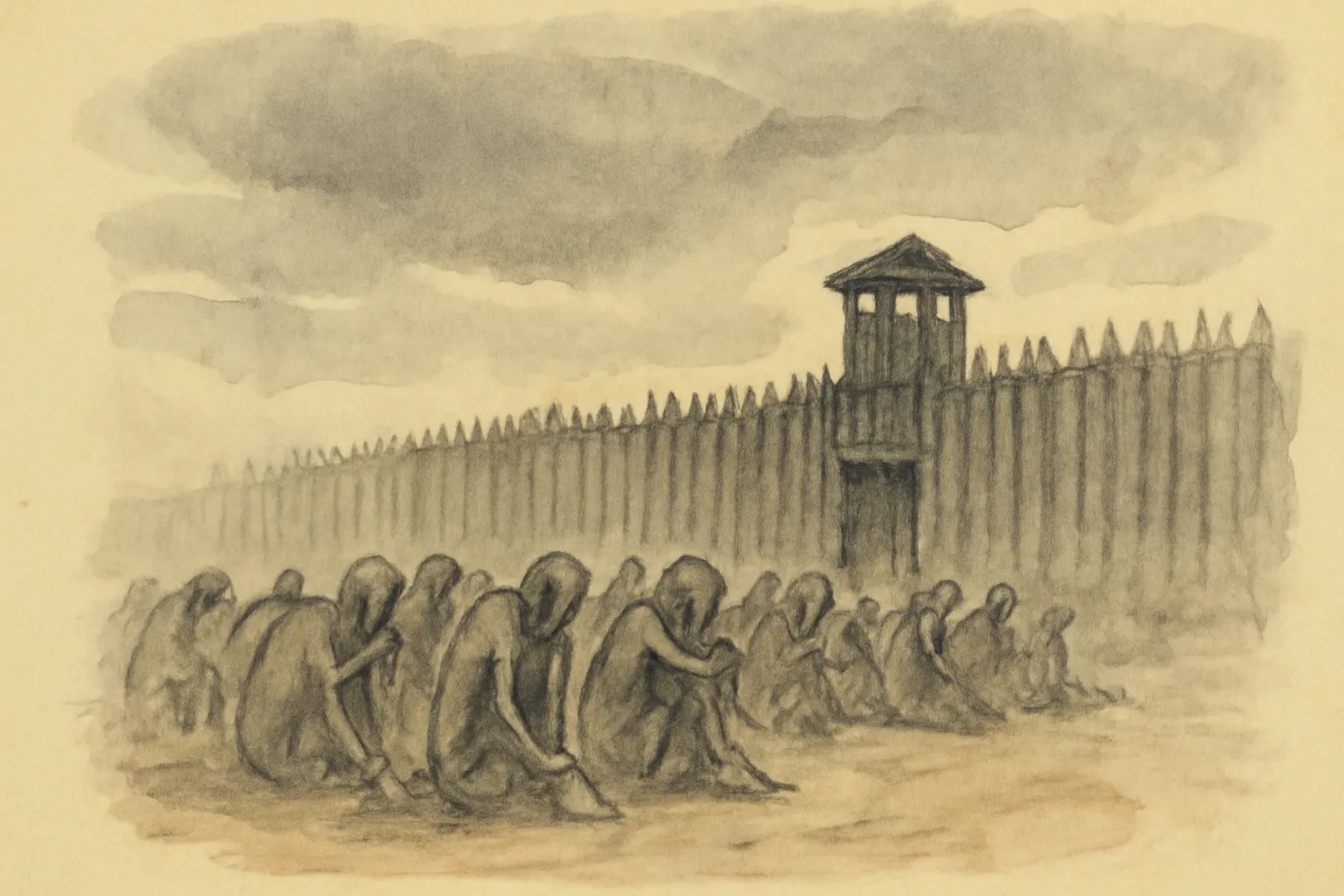
John McElroy's 'Andersonville: A Story of Rebel Military Prisons' offers a visceral and deeply personal account of life inside one of the most notorious Confederate prisons during the American Civil War. Drawing from his own experiences as a prisoner, McElroy details the harsh conditions, the psychological toll of captivity, and the indomitable spirit of the men who endured unimaginable hardships. Readers will gain insight into the moral complexities of war, the resilience of the human spirit, and the historical significance of prisoner treatment in wartime. This narrative is not just a story of suffering; it is also a testament to camaraderie, hope, and the struggle for survival against overwhelming odds.
John McElroy’s 'Andersonville: A Story of Rebel Military Prisons' is not just a recounting of historical events; it is a profound exploration of human resilience, suffering, and the ethical complexities of war. Through McElroy's eyes, readers witness the harrowing realities faced by soldiers in captivity, the bonds of brotherhood forged in adversity, and the moral questions surrounding the treatment of prisoners. This narrative serves as a reminder of the past's lessons, urging society to reflect on the importance of humanity even in the darkest times. As we consider the legacy of Andersonville today, it challenges us to uphold the values of compassion and justice in all circumstances, ensuring that the horrors of the past are never repeated.
“The comfortless gray dawn was crawling sluggishly over the mountain-tops, as if numb as the animal and vegetable life which had been shrinking all the long hours under the fierce chill.”
“There was now issued to every two men a loaf of coarse bread—made of a mixture of flour and meal—and about the size and shape of an ordinary brick.”
“He went into the Army solely as a matter of principle, and did his duty with the unflagging zeal of an olden Puritan fighting for liberty and his soul’s salvation.”
Read John McElroy's work free on Lumina — the complete text plus an 8-minute summary and key ideas, no account needed