1.Fate's Unpredictable Hand
The theme of fate is paramount in 'Antony Gray,—Gardener', illustrating how life can change in an instant. The novel opens with a vivid description of a chaotic March day, symbolizing the unpredictability of existence. Antony receives a letter that sets him on a transformative path, dramatically altering his life's trajectory. This moment acts as a poignant reminder that while we can make choices, we are often subject to the whims of fate. The narrative explores how the unexpected events that shape our lives can serve as catalysts for personal growth. As Antony reflects on the implications of his inheritance, he grapples with the emotional weight of these changes. This exploration of fate, intertwined with the protagonist's journey, compels readers to consider how much of their lives are truly within their control, raising questions about destiny's role in shaping identity.
2.The Quest for Identity
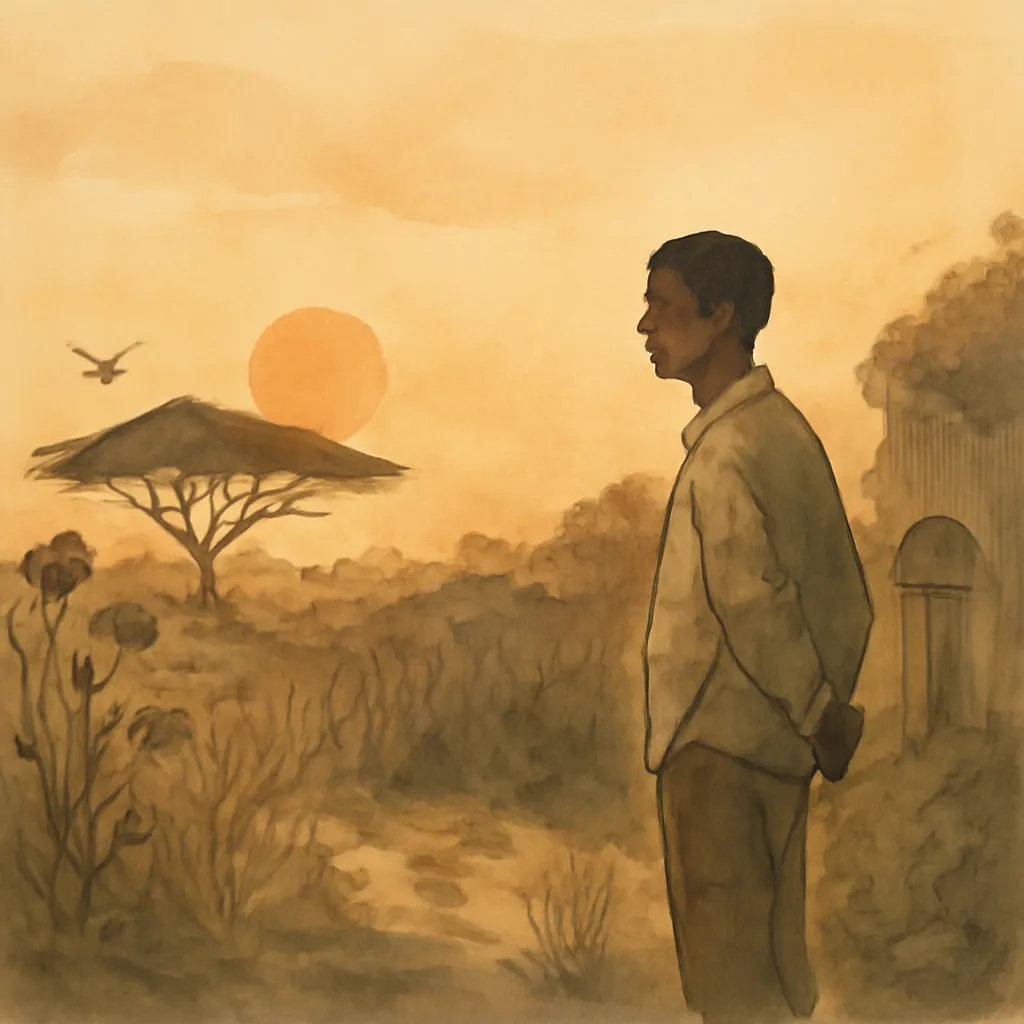
Antony's journey serves as a profound quest for identity, reflecting the inner turmoil many experience when their circumstances shift dramatically. Initially, he finds solace in the simplicity of his life on the African veldt, yet the responsibilities that come with his newfound wealth force him to confront who he is and who he wishes to become. His internal struggle is further complicated by the arrival of the Duchessa, whose presence challenges Antony's understanding of class and belonging. This dynamic forces him to examine the societal expectations that influence his self-perception. Throughout the novel, identity is portrayed as fluid, molded by experiences, relationships, and the environments one inhabits. Antony's evolution underscores that understanding oneself often requires looking beyond societal labels and embracing personal truths, inviting readers to reflect on their own identities in a changing world.
3.Nature as a Reflective Mirror
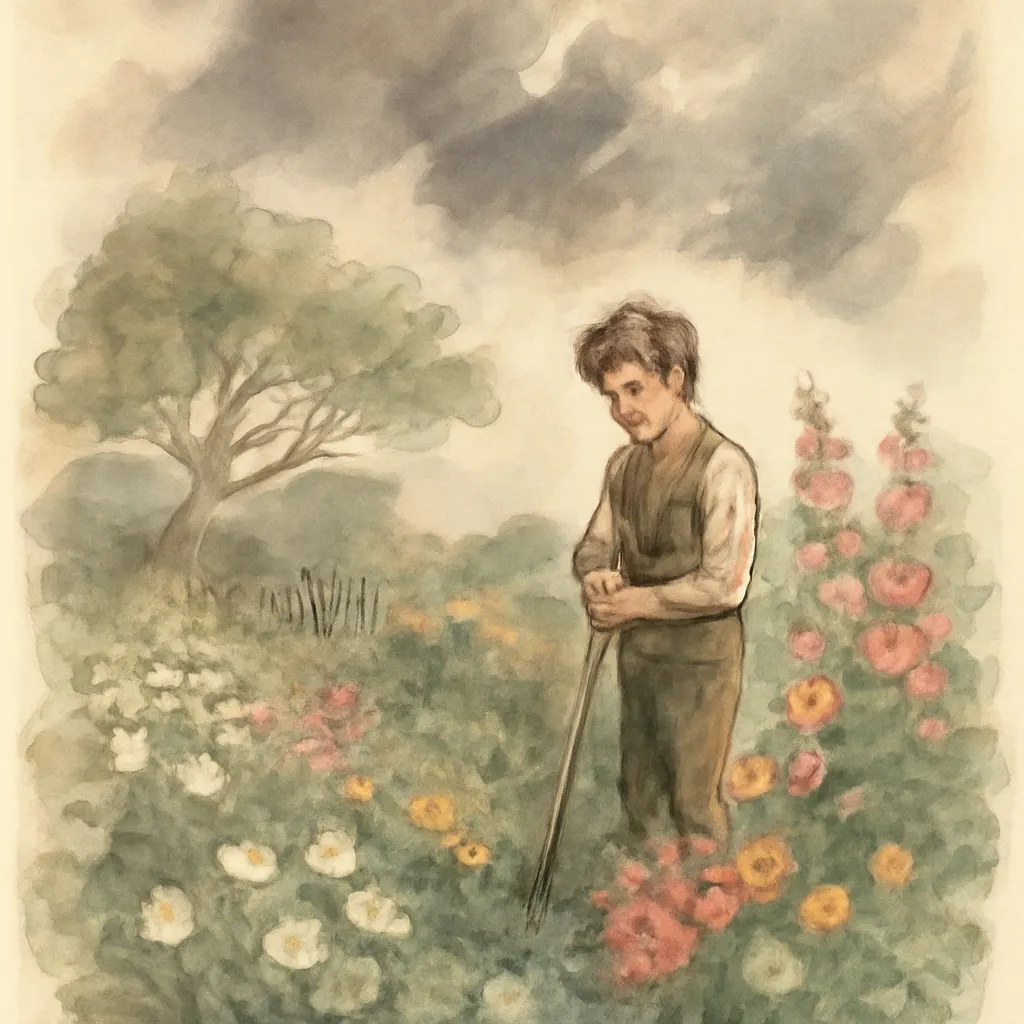
The natural world serves as a vibrant backdrop, mirroring Antony's emotional journey and growth throughout the narrative. The tumultuous storm at the beginning resonates with his inner conflict, while the calm beauty of the gardens he later tends symbolizes renewal and potential. The gardens of Chorley Old Hall, once renowned for their splendor, become a metaphor for Antony's capacity to flourish. Through his interactions with the earth—planting, nurturing, and tending—he discovers the significance of patience and care, both for the garden and for his own self. Nature's cycles of growth and decay reflect the complexities of human experiences, emphasizing that life’s beauty often emerges from nurturing our passions and cultivating relationships. The garden becomes not merely a physical space but a sanctuary for introspection and healing, showcasing how profoundly our lives are intertwined with the natural world and how it can inspire personal transformation.
4.Friendship and Its Complexities

The relationships that Antony nurtures throughout the novel serve as a profound exploration of friendship, loyalty, and the human condition. His bond with his puppy, Josephus, exemplifies unconditional love, grounding him amid the turbulence of his journey. Josephus is not just a pet; he embodies loyalty and companionship that provide comfort and stability. Additionally, Antony's evolving friendship with the Duchessa complicates his understanding of love and connection. Their relationship is marked by unspoken societal barriers, creating tension that prompts both characters to navigate their feelings carefully. The narrative suggests that true friendship transcends class boundaries, emphasizing the deep human desire for connection despite societal constraints. Through these relationships, Antony learns that love and loyalty are essential for weathering life's storms, underscoring the importance of companionship in the face of uncertainty and the human need for trust and understanding.
5.The Weight of Memory
Memory plays a critical role in shaping Antony's decisions and emotional landscape throughout the novel. As he reflects on his past life in Africa, he experiences a profound longing for the familiarity and simplicity it represented. This nostalgia is not merely sentimental; it drives his yearning for authenticity amidst change. The juxtaposition of his memories with his new life in England creates a rich tension, revealing how our past can significantly influence our present perceptions. The narrative illustrates that while we carry our histories with us, they need not dictate our futures. Antony learns to embrace both his memories and the possibilities that his new experiences offer, striking a balance that facilitates personal growth. By reconciling with his past, he recognizes that every stage of life presents opportunities for renewal and self-discovery, prompting readers to reflect on the impact of their memories on their identities and choices.
6.Class and Societal Expectations
The novel delves into the complexities of class and societal expectations, particularly through Antony's interactions with the elite. His initial discomfort with the trappings of wealth highlights the disparities between his humble beginnings and the luxurious lifestyle of those he now encounters. The Duchessa embodies the intricacies of high society, challenging Antony to reconsider his preconceived notions about class and privilege. The story critiques the rigid social structures of the time, suggesting that true worth lies not in one’s status but in character and integrity. Through Antony's eyes, readers witness the absurdities and contradictions of societal norms, prompting reflections on their own beliefs about class and belonging. This exploration of class dynamics serves to underscore the idea that human connections and personal values transcend societal labels, inviting readers to question the barriers that often limit interpersonal relationships.
7.Love’s Many Faces

Themes of love and sacrifice are intricately woven throughout the narrative, particularly through Antony's evolving feelings for the Duchessa. Their connection is rife with societal expectations that complicate their relationship, forcing both characters to navigate their emotions amid unspoken rules. This tension illustrates the sacrifices individuals often make for love—whether conforming to social norms or relinquishing personal desires for the sake of another. The narrative suggests that love, in its many forms, requires courage and vulnerability, often demanding sacrifices that can lead to profound personal growth. As Antony grapples with his feelings, he comes to understand that love is not merely a romantic ideal but a powerful transformative force that shapes identity and drives individuals toward self-discovery. The nuances of love depicted in the story emphasize its complexity, showing that it can be both a source of joy and a catalyst for difficult choices.
8.Gardening as a Metaphor for Life

Gardening emerges as a significant metaphor throughout the novel, symbolizing Antony's journey of self-discovery and personal growth. As he assumes the role of under-gardener, he learns that cultivating a garden demands patience, dedication, and a deep understanding of the natural world. This mirrors his own need for growth and the nurturing of his identity amidst significant changes. The act of tending to the garden symbolizes the care required to nurture relationships and foster one’s personal development. Through his experiences in the garden, Antony discovers the importance of resilience, commitment, and the beauty of transformation. The connection to the earth deepens his understanding of life’s cycles, revealing that just as flowers bloom anew, so too can individuals reinvent themselves through care, effort, and love. This metaphor extends to how individuals can cultivate their own lives by investing in their passions and fostering connections with others.
9.The Influence of the Past on Present Choices
Antony's past continually influences his present, shaping his actions and decisions in profound ways. His memories of Africa evoke a sense of longing that complicates his adaptation to his new life in England. This contrast between the vibrant landscapes of his childhood and the ordered gardens of Chorley Old Hall serves to illustrate the tension between nostalgia and the desire for a fresh start. The narrative suggests that while our past experiences shape us, they need not confine us to specific identities or fates. Antony learns to embrace both his memories and the possibilities of his new experiences, striking a balance that facilitates personal growth. By reconciling with his past, he recognizes that every stage of life holds opportunities for renewal, inviting readers to consider how their histories inform their current paths and the potential for reinvention in their lives.
10.Emotional Resilience and Growth
Antony's journey is marked by emotional resilience as he confronts the uncertainties and challenges of his new life. He faces various obstacles—from societal expectations to personal relationships—that test his character and resolve. Learning to navigate these complexities requires introspection and adaptability. The narrative illustrates that resilience is not merely the ability to withstand hardship but also the capacity to learn, adapt, and emerge stronger. Antony's growth throughout the story serves as a testament to the human spirit's ability to confront adversity. His journey emphasizes that while life may present difficulties, the strength to overcome them often leads to profound personal transformation and deeper insights into oneself and others. Through his experiences, readers are inspired to reflect on their own resilience and the ways in which they can adapt to life's changing landscapes.