1.The Burden of Personal Reflection

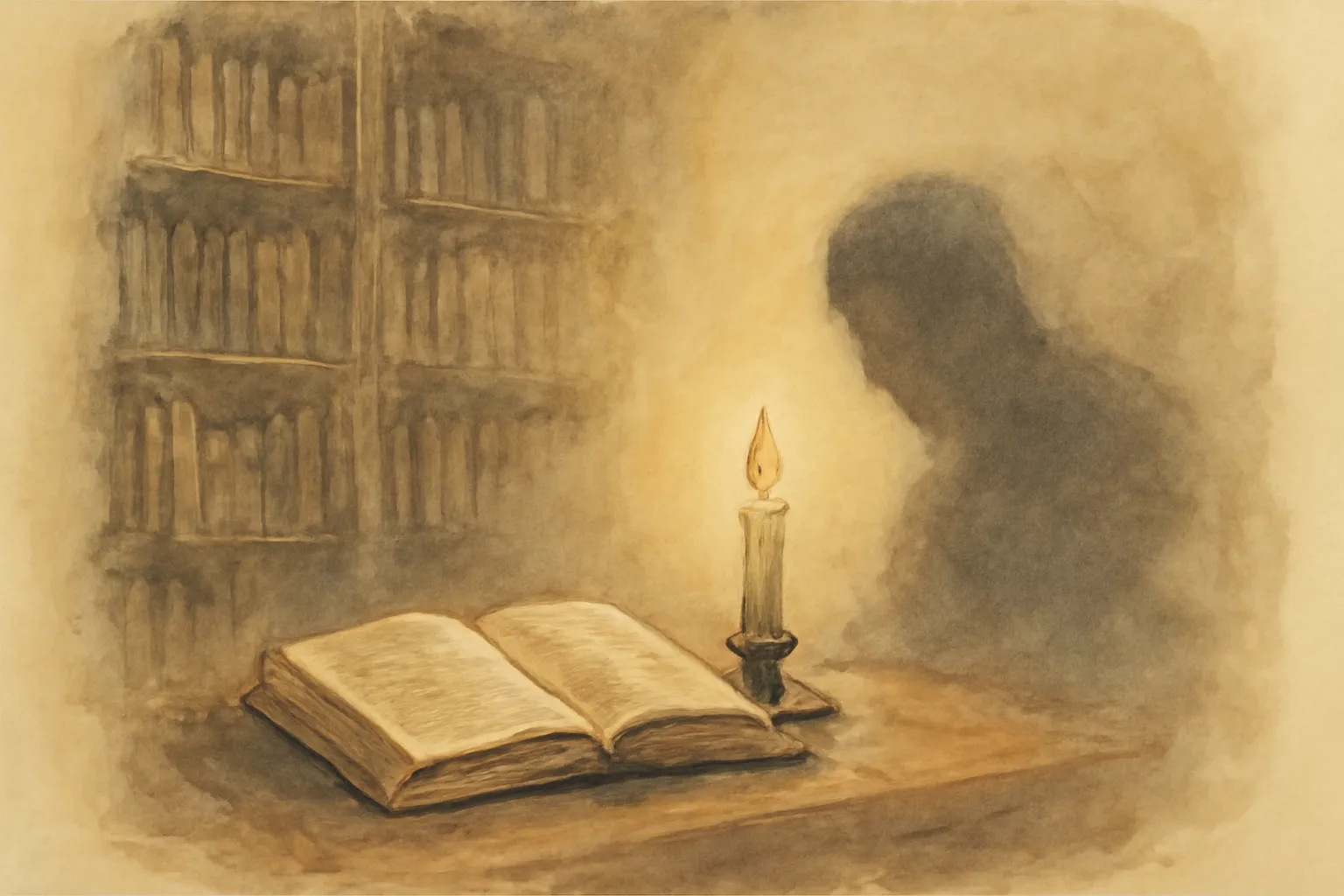
Newman acknowledges the challenge of writing about his own life and beliefs, stating, 'the words, "Secretum meum mihi," keep ringing in my ears.' This highlights the tension between the desire for privacy and the necessity of public explanation, especially when faced with accusations and misunderstandings. He grapples with the implications of sharing his inner thoughts, recognizing that the act of self-disclosure can be both a burden and a means of clarifying his journey. The process of reflection becomes a way for him to articulate the complexities of faith and the personal struggles he encountered, ultimately serving as a cathartic release. By confronting his past and the motivations behind his beliefs, Newman opens up a dialogue about the role of personal experience in shaping one's spiritual path. This interplay of public and private life reveals the intricacies of faith, as Newman's personal reflections illuminate the broader implications of his conversion.
2.The Role of Early Influences

Newman reflects on his childhood and early religious experiences, illustrating how they shaped his later convictions. He describes his delight in reading the Bible and the formative impact of his studies, stating, 'I had no formed religious convictions till I was fifteen.' This admission underscores the gradual nature of his spiritual development and the importance of formative experiences in cultivating faith. He recalls moments of imaginative exploration, expressing a desire for deeper understanding and connection with the divine, as evidenced by his wish that 'the Arabian Tales were true.' Such reflections reveal how early influences, both literary and educational, played a crucial role in nurturing his spiritual curiosity and setting the stage for his eventual conversion. The formative nature of his upbringing illustrates the significance of guidance and education in one's faith journey, showing how early impressions can leave lasting marks on our beliefs and values.
3.The Anglican Church and Its Challenges
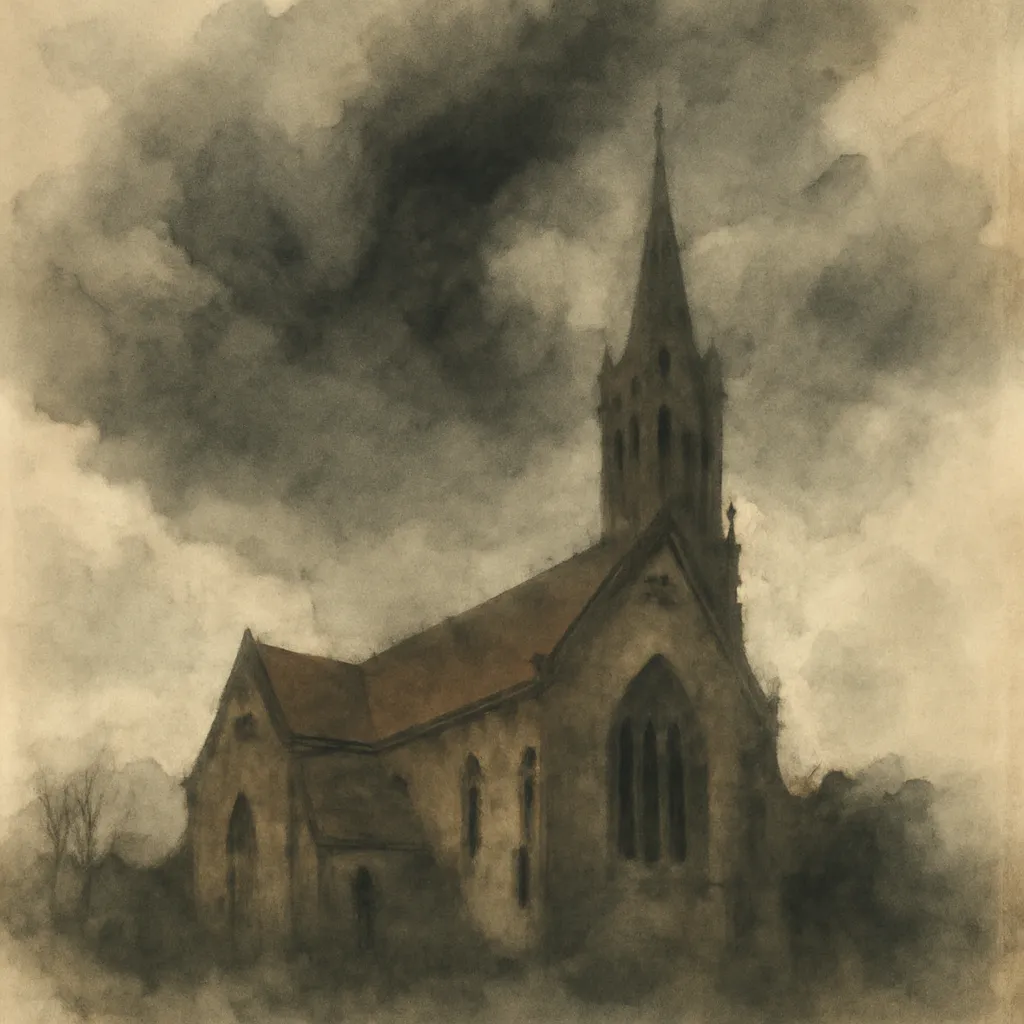
Newman describes the tumultuous environment of the Anglican Church during his ministry, marking it as a significant backdrop for his eventual conversion. He notes the 'specific danger which at that time was threatening the religion of the nation and its Church,' emphasizing the theological and political tensions present in the Anglican community. The zealous efforts of his contemporaries to combat liberalism and the challenges posed by contemporary biblical interpretations were pivotal to his journey. This context is vital for understanding his motivations and the urgency behind his actions. The collaboration with influential figures, such as Mr. Keble and Hurrell Froude, illustrates a collective response to perceived threats against traditional beliefs. Newman's involvement in these movements reflects his commitment to defending what he considered essential truths while grappling with the evolving landscape of religious thought. This struggle within the Anglican Church not only shaped Newman’s beliefs but also exposed the profound conflicts between tradition and modernity that many faced during that era.
4.The Process of Conversion
The narrative of Newman's conversion is marked by introspection and a gradual realization of his spiritual needs. He describes a 'tedious decline' in his membership with the Anglican Church, indicating that his transition was not abrupt but rather a complex process. As he navigated his evolving beliefs, Newman experienced a growing discontent with the limitations of Anglicanism, ultimately leading to his conversion to Catholicism. He acknowledges the emotional turmoil of this transition, describing it as a 'death-bed,' implying a slow and painful departure from his previous beliefs. This metaphor captures the essence of his struggle, highlighting the psychological and spiritual challenges that accompany profound changes in belief. Newman's detailed recounting of this process reveals that conversion is often not a single moment of epiphany but rather a journey fraught with doubts, questions, and moments of clarity that challenge one’s understanding of faith.
5.Intellectual and Emotional Struggles

Newman candidly addresses the intellectual and emotional struggles that accompanied his conversion, stating, 'I was not conscious of any change, intellectual or moral, wrought in my mind.' He emphasizes that despite the turmoil, he found a profound sense of peace upon embracing Catholicism. This paradox reflects the complexity of faith, where emotional upheaval can coexist with a deep sense of fulfillment. Newman's admission that he did not experience a definitive shift in his intellect or morals speaks to the idea that faith can be a deeply personal journey, often defying external expectations or categorizations. He acknowledges the intellectual difficulties inherent in both Protestant and Catholic doctrines, asserting that such challenges do not equate to doubt. Through this lens, Newman argues for a nuanced understanding of faith that can accommodate both struggle and belief, illustrating how doubt can coexist with deep conviction and a strong adherence to religious truths.
6.The Experience of Peace
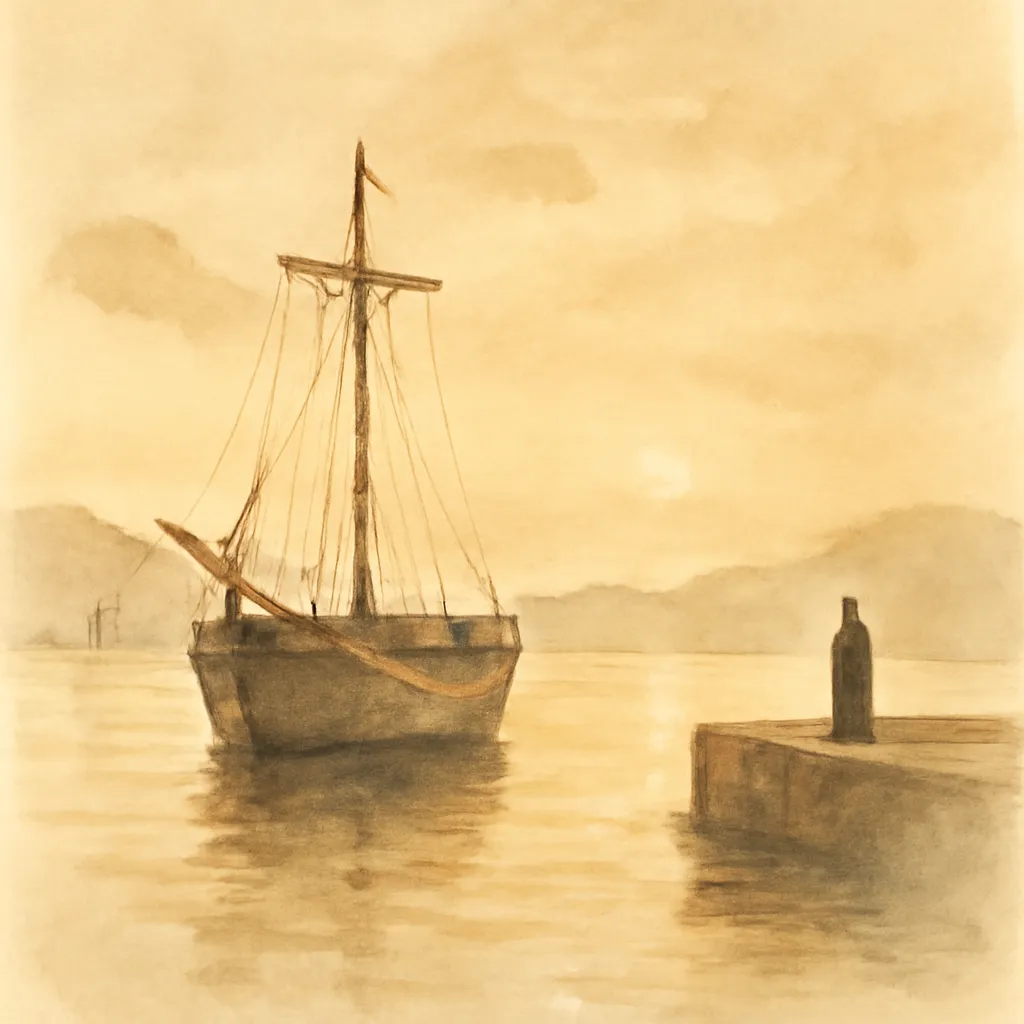
Upon his conversion, Newman describes the profound peace he felt, likening it to 'coming into port after a rough sea.' This metaphor captures the relief and contentment he experienced after navigating the tumultuous waters of doubt and uncertainty. He reflects on how this newfound peace transformed his spiritual life, stating, 'I have been in perfect peace and contentment; I never have had one doubt.' This assertion underscores the transformative power of faith and the emotional stability that can arise from embracing one's beliefs fully. Newman's experience of peace serves as a testament to the idea that true conviction can lead to a sense of belonging and security within the spiritual realm, suggesting that the journey of faith, while often fraught with challenges, can ultimately lead to profound inner tranquility. This sense of peace is not merely a personal experience but also a reflection of the universality of faith, as it can provide solace and strength in times of turmoil.
7.The Nature of Religious Truth
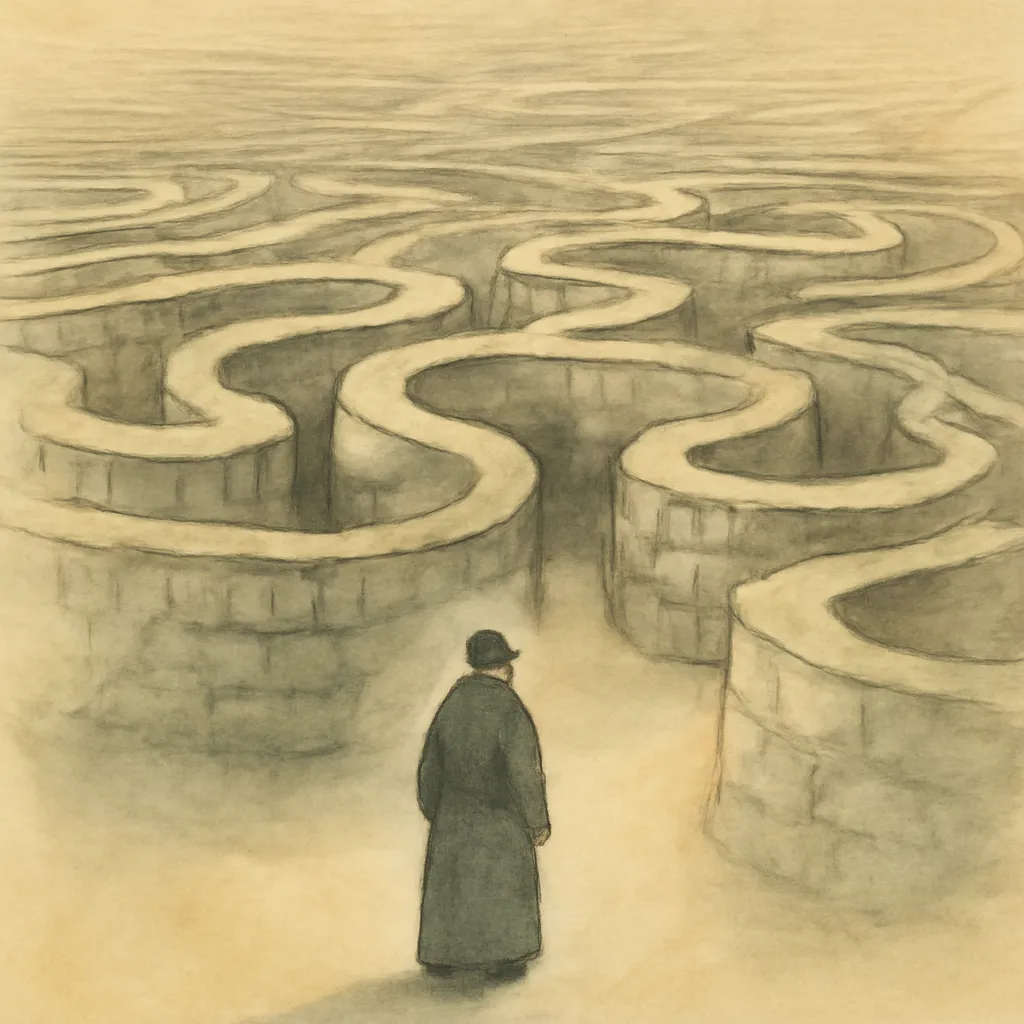
Newman delves into the nature of religious truth, grappling with the complexities of doctrine and belief. He argues that every article of faith, whether Catholic or Protestant, is fraught with intellectual difficulties, yet insists that these challenges do not diminish the validity of belief. He articulates that 'ten thousand difficulties do not make one doubt,' emphasizing the distinction between intellectual struggle and the act of believing. This insight invites readers to reflect on their own experiences with faith, encouraging an understanding that doubt and difficulty are inherent to the human experience. Newman’s exploration of truth challenges simplistic notions of faith, advocating for a nuanced understanding that embraces complexity. He illustrates that faith is often a dance with uncertainty and that grappling with difficult questions is a vital part of spiritual development. This perspective promotes a more robust faith that acknowledges the complexities of life while striving for deeper understanding.
8.A New Perspective on the Anglican Church
After his conversion, Newman reflects on his changed perspective of the Anglican Church, stating, 'I felt a great change in my view of the Church of England.' This shift illustrates the profound impact of his experiences and newfound beliefs on his perception of his former faith community. He describes a sense of astonishment at having once viewed Anglicanism as part of the Catholic Church, revealing how conversion can radically alter one's understanding of religious identity. Newman’s candid acknowledgment of this transformation invites readers to consider how personal journeys can reshape collective beliefs and challenge preconceived notions of faith and community. This new perspective serves as a crucial point of reflection for those navigating their own religious identities, suggesting that belief is not static but rather evolves through personal experiences and revelations. Furthermore, it raises questions about the nature of belonging within religious communities and how one's journey shapes their understanding of faith.
9.The Role of Documentary Evidence
Throughout his narrative, Newman relies on documentary evidence to support his claims, recognizing that personal memory can be unreliable. He emphasizes the importance of letters and other documents in reconstructing his journey, stating that 'my narrative must be in great measure documentary.' This reliance on concrete evidence highlights the significance of historical context in understanding religious transformation. By incorporating letters and formal correspondence, Newman provides a richer, more nuanced account of his experiences and the influences that shaped his beliefs. This approach underscores the value of documentation in personal narratives, particularly when discussing complex subjects like faith and belief. Newman's use of evidence not only grounds his reflections in reality but also serves as a reminder of the importance of accountability and transparency in one's spiritual journey.
10.The Quest for Authentic Belief
Newman's journey is fundamentally a quest for authentic belief, as he grapples with the implications of his conversion. He seeks to reconcile his intellectual convictions with his emotional experiences, aiming to find a faith that resonates with both. His narrative reveals the struggle between societal expectations and personal truth, illustrating the challenges faced by those who dare to question established norms. This quest for authenticity is a central theme in Newman's work, inviting readers to reflect on their own spiritual journeys and the importance of pursuing genuine conviction amidst external pressures. The pursuit of authentic belief remains relevant today, as individuals navigate the complexities of faith in an increasingly pluralistic world. By sharing his experiences, Newman encourages a deeper exploration of one's own beliefs, advocating for a personal journey that honors both intellect and emotion in the search for truth.