1.The Value of Self-Reflection
Franklin begins his autobiography by emphasizing the importance of self-reflection. He expresses a desire to recollect his life experiences not merely for nostalgia but to impart valuable lessons to future generations. This introspection leads him to analyze the factors that contributed to his rise from poverty to prominence. He notes that understanding one's past is crucial for personal growth and can provide a framework for others facing similar challenges. By documenting his journey, Franklin hopes to offer guidance and encouragement, demonstrating that anyone can overcome adversity with the right mindset and determination.
2.The Role of Education and Reading
Education played a pivotal role in Franklin's life, shaping his character and providing him with the tools to succeed. From a young age, Franklin was an avid reader, often spending his limited funds on books rather than other luxuries. He recounts how this passion for reading opened doors to new ideas and perspectives, fueling his intellectual curiosity. The influence of texts like Plutarch's Lives and Defoe's works instilled in him the values of hard work and moral rectitude. Franklin argues that education is not confined to formal schooling; rather, it encompasses a lifelong commitment to learning and self-improvement, which can empower individuals to achieve their goals.
3.Apprenticeship and Early Career
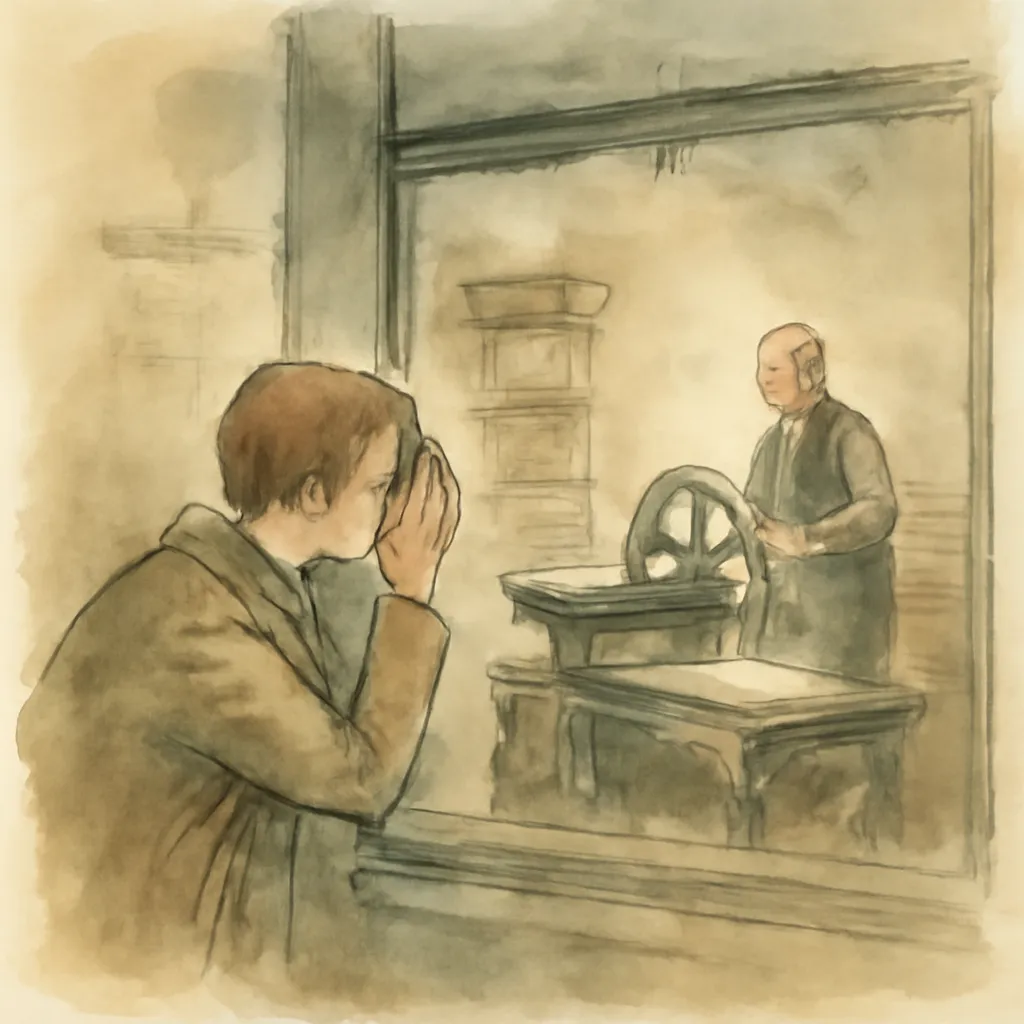
Franklin's journey into the world of printing began with his apprenticeship under his brother James, a decision that would significantly alter the course of his life. Initially resistant to this path, Franklin soon found himself thriving in the printing trade, which not only provided him with a livelihood but also access to a wealth of knowledge. Through his experiences, he learned the importance of skill development and the value of hard work. This early career stage underscored the idea that practical experience is just as vital as theoretical knowledge, a lesson he would carry throughout his life as he ventured into various fields.
4.The Importance of Networking and Relationships
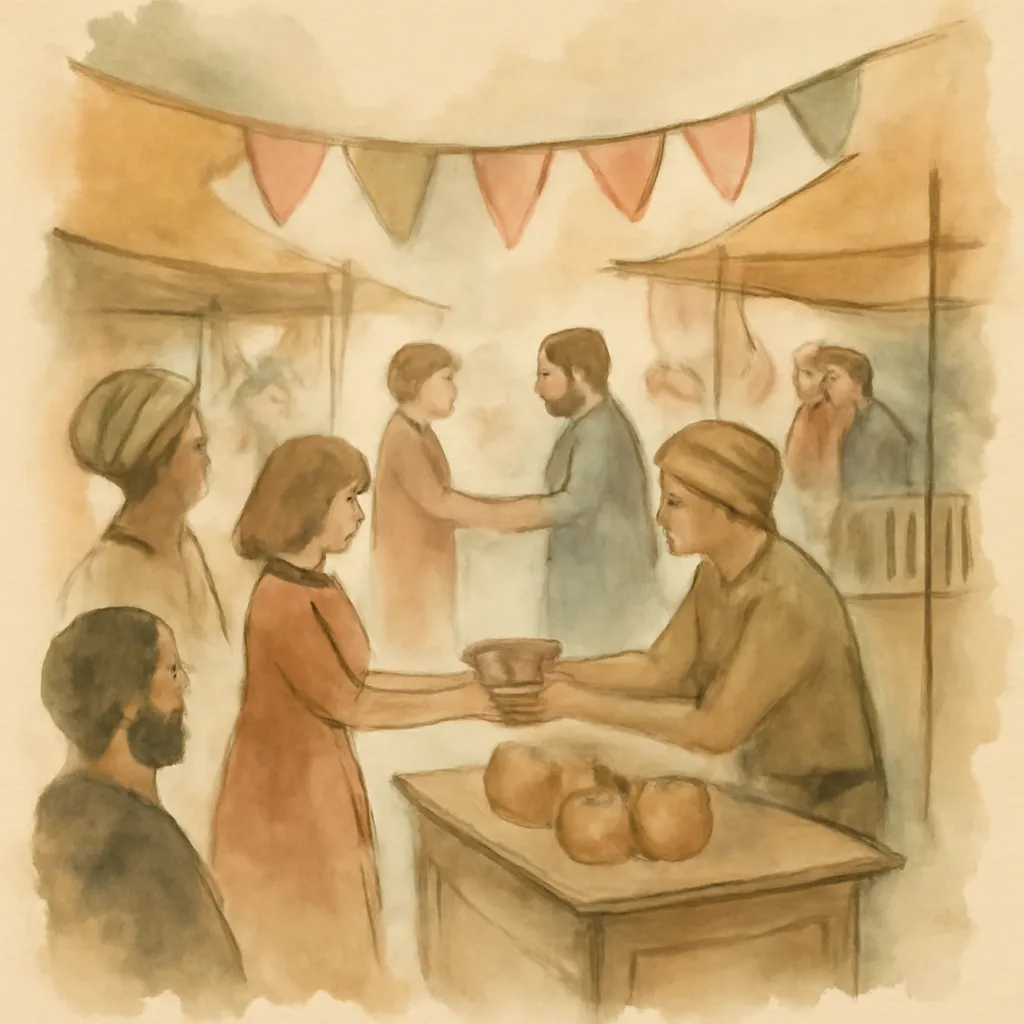
As Franklin moved to Philadelphia, he quickly recognized the significance of building relationships. His interactions with influential figures, such as Governor Keith, exemplified how networking could create opportunities. Franklin's ability to establish rapport with others, regardless of their social standing, allowed him to garner support for his printing business and later, his public initiatives. He highlights that success often hinges on the connections one makes and the willingness to engage with a diverse range of individuals. Franklin's life demonstrates that fostering genuine relationships can lead to unexpected collaborations and advancements.
5.Entrepreneurial Spirit and Innovation
Franklin's entrepreneurial mindset is evident in his various ventures, including the establishment of Poor Richard's Almanack. This publication not only showcased his writing talent but also served as a platform for disseminating practical wisdom to the masses. Franklin's ability to identify gaps in the market and create products that met the needs of his community exemplifies his innovative spirit. He understood that success in business requires adaptability and a keen awareness of societal trends. By sharing proverbs and advice through his almanac, he effectively combined his passion for writing with a strong business acumen, paving the way for future entrepreneurial endeavors.
6.Civic Responsibility and Community Engagement
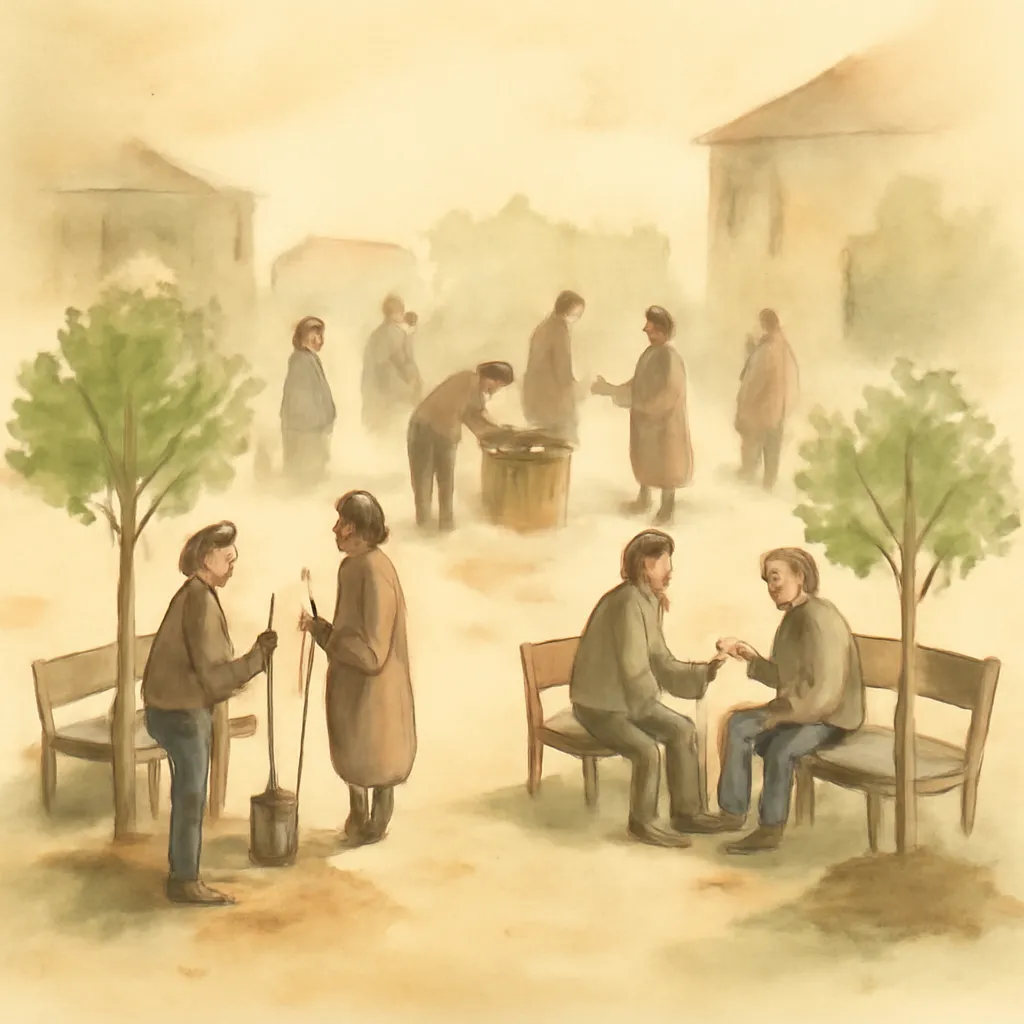
Franklin's commitment to civic engagement is a recurring theme throughout his autobiography. He recognized that individual success is intertwined with the well-being of the community. His involvement in local affairs, from proposing a militia for defense to establishing an academy, highlights his belief in the importance of contributing to society. Franklin understood that true leadership involves addressing the needs of others and working collaboratively to effect change. His establishment of the first public library and fire department in Philadelphia reflects his desire to improve the lives of his fellow citizens. This sense of responsibility serves as a reminder that personal achievements should be accompanied by efforts to uplift the community.
7.Philosophy of Moral Perfection
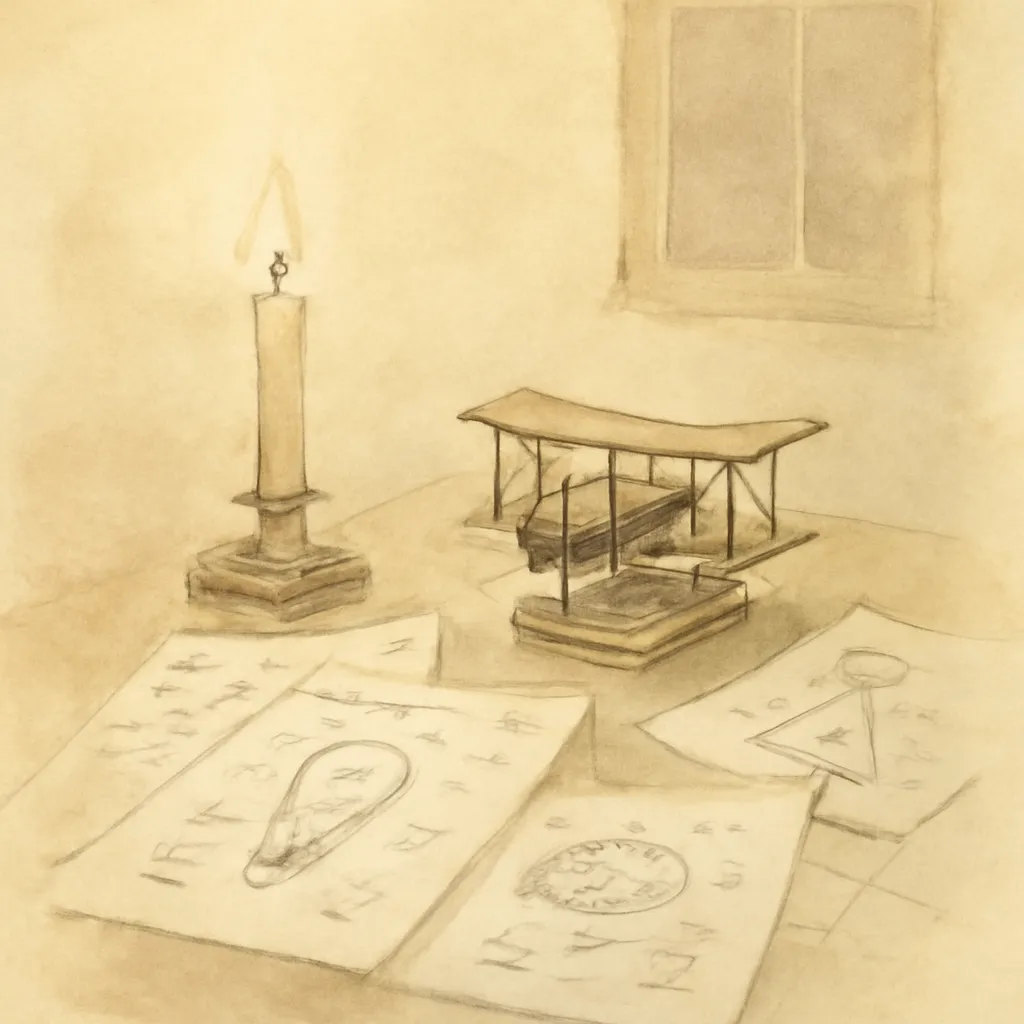
In his pursuit of moral perfection, Franklin devised a systematic approach to self-improvement. He identified thirteen virtues, such as temperance and resolution, and established a personal plan to cultivate these qualities. This endeavor illustrated his belief that character development is an ongoing process requiring intentional effort. Franklin's reflections reveal the challenges he faced in adhering to his principles, underscoring the idea that the path to virtue is fraught with obstacles. Through this framework, he encourages readers to adopt similar practices in their lives, emphasizing that striving for moral excellence can lead to greater fulfillment and integrity.
8.Resilience in the Face of Adversity
Franklin's life was not without its share of challenges and setbacks. He faced numerous obstacles, including familial strife, business failures, and public disputes. However, his resilience and ability to adapt to changing circumstances played a crucial role in his success. Franklin's approach to adversity involved learning from failures, reflecting on experiences, and maintaining a positive outlook. He believed that setbacks could serve as valuable lessons, shaping one's character and fortifying resolve. This perspective on resilience is a powerful reminder that perseverance is essential for achieving long-term goals, and that each challenge can provide an opportunity for growth.
9.The Impact of Poor Richard's Almanack
Poor Richard's Almanack emerged as one of Franklin's most enduring contributions to American culture. Through its witty proverbs and practical advice, the almanac resonated with a broad audience, becoming a staple in households across the colonies. Franklin recognized the power of accessible writing to influence public thought and behavior, using humor and wisdom to impart essential life lessons. The success of the almanac not only provided Franklin with financial stability but also solidified his reputation as a thinker and leader. This work exemplifies how literature can serve as a vehicle for social change and education, impacting generations long after its publication.
10.Legacy of Civic Engagement and Leadership
Franklin's legacy extends far beyond his accomplishments as a printer and writer. His contributions to civic life, education, and public service have left an indelible mark on American society. By advocating for public initiatives, such as the establishment of libraries and educational institutions, Franklin laid the groundwork for future generations to engage in civic duties. His belief in the power of collaboration and community-driven change continues to resonate today. Franklin's life serves as a model for aspiring leaders, demonstrating that true influence comes from a commitment to service and the welfare of others. His autobiography not only chronicles his achievements but also inspires readers to take an active role in their communities.