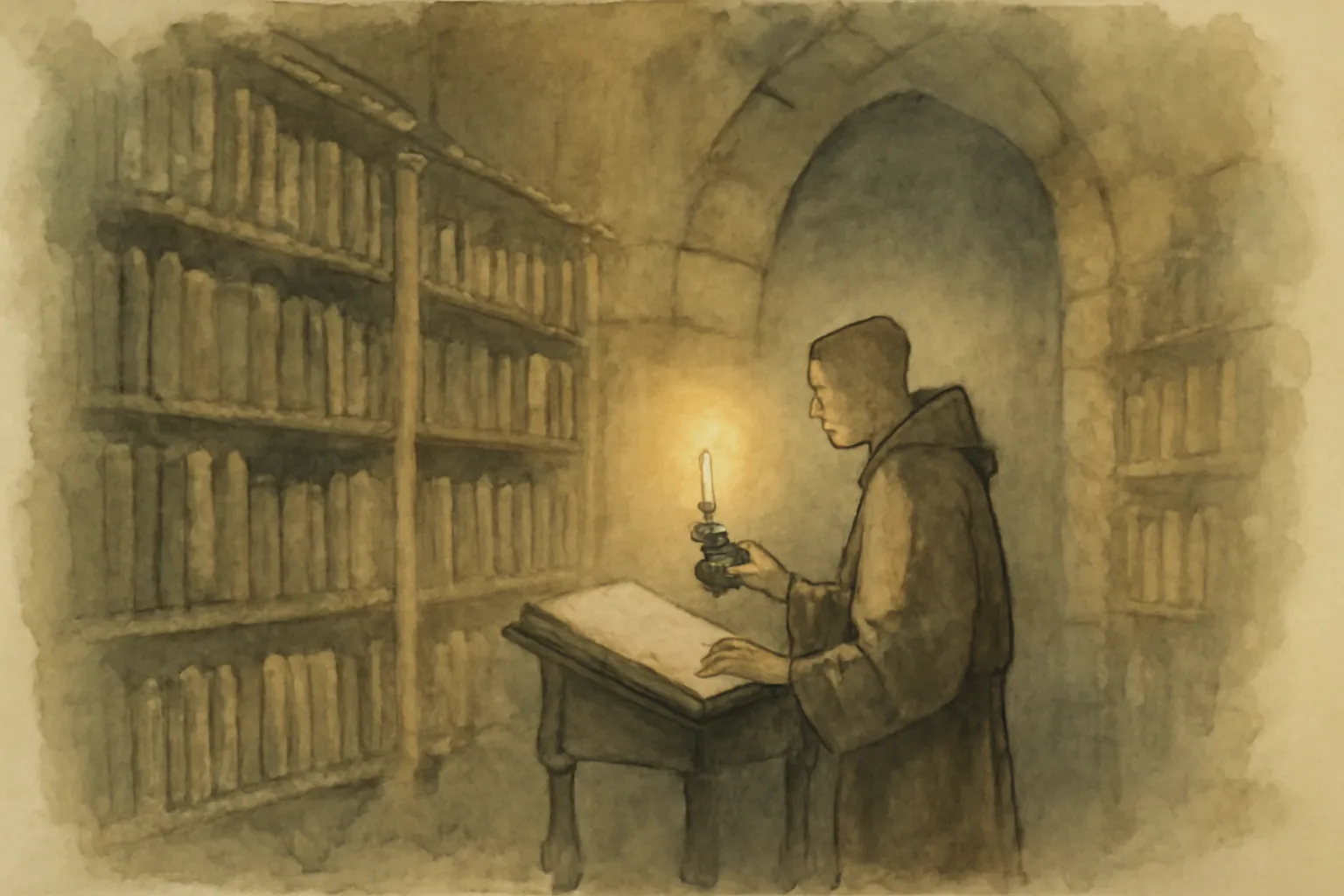
1.The Origins of Bibliomania
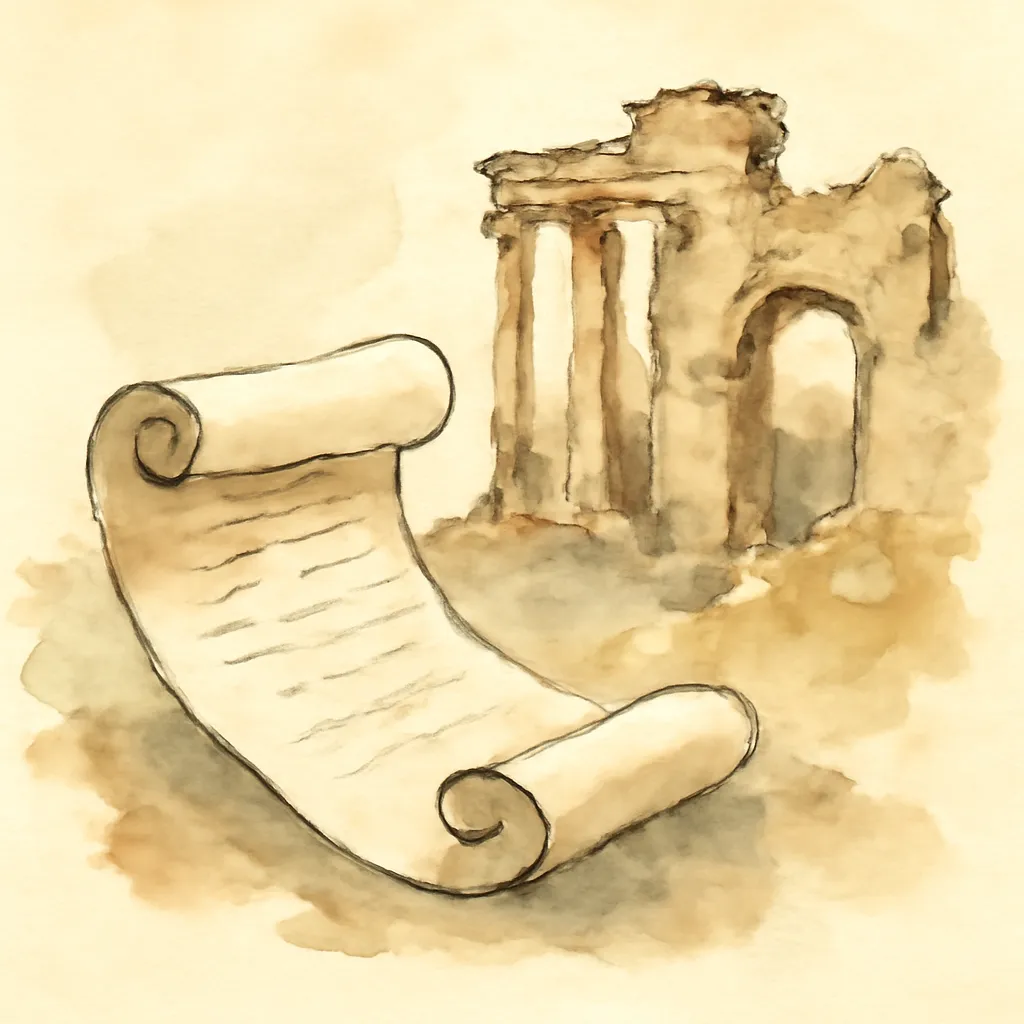
Bibliomania, or the passion for collecting books, can trace its roots back to ancient civilizations, with notable examples emerging in Rome and Athens where book collecting was a fashionable pursuit. Merryweather highlights that even in the first century of the Christian era, bibliophiles were already making their mark. The shift of literary culture from Athens to Alexandria and later to Rome set the stage for the monastic book culture that flourished in the Middle Ages. During this time, monasteries became the centers of learning and preservation, showcasing the evolution of bibliomania as it adapted to the spiritual and scholarly pursuits of monks. Merryweather further cites specific instances of Roman patrons who commissioned texts, illustrating how the appetite for books was not merely about possession but also about status and intellectual engagement among the elite. This historical perspective establishes a foundation for understanding how the love of books transcended time and culture, laying the groundwork for the bibliophilic traditions that would continue into modernity.
2.Redefining the Dark Ages

Merryweather argues against the traditional characterization of the Middle Ages as the 'Dark Ages,' a term often used to imply a lack of learning and culture. Instead, he presents a nuanced view that acknowledges the significant contributions of monastic communities to the preservation and dissemination of knowledge. He points out that while many historians have dismissed this era as devoid of intellectual activity, evidence suggests a vibrant literary culture existed, sustained by dedicated monks who collected and copied texts. The author references historical figures who were pivotal in establishing educational institutions, demonstrating that learning was both a communal and individual pursuit. This redefinition not only challenges long-held stereotypes but also invites readers to appreciate the complexities of medieval scholarship, revealing the monks as critical players in the narrative of Western literature. By shedding light on their efforts, Merryweather elevates the historical significance of this period, encouraging a reevaluation of its contributions to the intellectual landscape.
3.The Role of Monastic Libraries
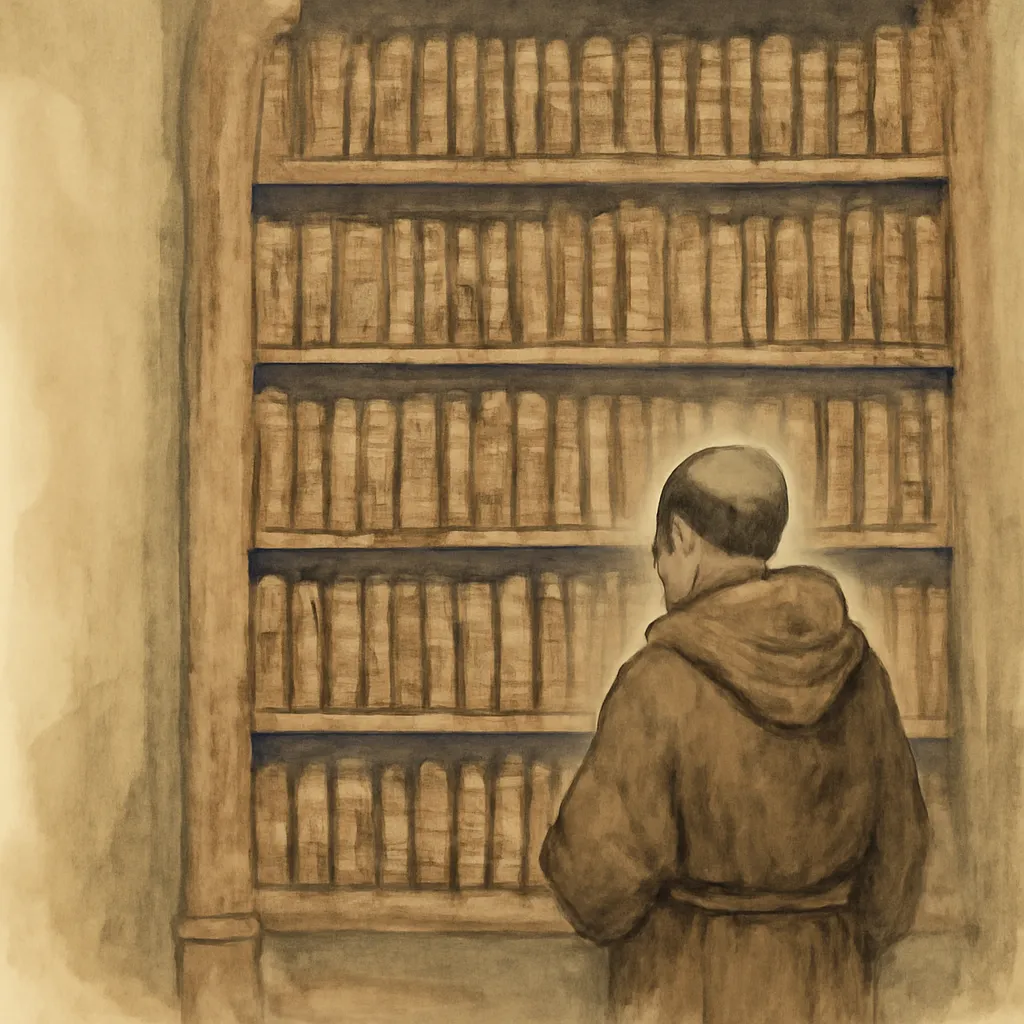
Monastic libraries served as vital repositories of knowledge during the Middle Ages, with their collections reflecting the spiritual and educational priorities of their communities. Merryweather details how these libraries were meticulously organized and overseen by librarians, who were tasked with the care and preservation of books. Each monastery aspired to build a library that represented the pinnacle of intellectual achievement, often competing with others for the most extensive collections. The pride of a monastery was often tied to the richness of its library, which became a symbol of its scholarly ambitions. Monks engaged in the arduous task of copying texts, ensuring that both sacred and secular works were preserved for future generations. For instance, Merryweather notes that a single monastery might hold works in theology, philosophy, medicine, and literature, reflecting the monks' diverse interests. Through the lens of these libraries, readers gain insight into how the physical space of the library fostered a culture of learning, contemplation, and bibliophilia, creating an environment where books were cherished and revered.
4.The Monastic Scriptorium
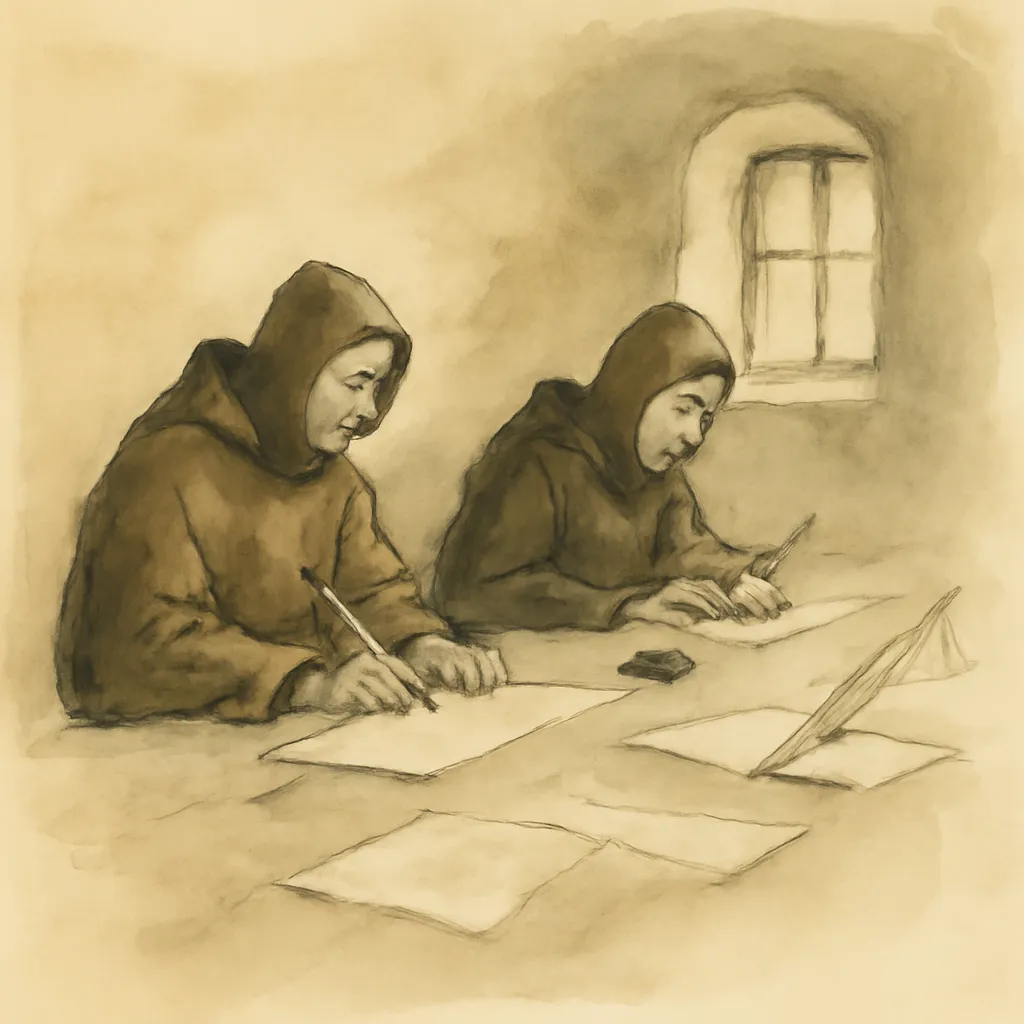
The scriptorium was the heart of monastic book production, where monks painstakingly copied texts by hand, ensuring the survival of literary works. Merryweather emphasizes the care and precision with which these scribes operated, often working in silence and solitude to maintain focus on their sacred task. The chapter explores the various roles within the scriptorium, from the chief scribe to the illuminators who would decorate the manuscripts with intricate illustrations. This chapter delves into the intricacies of the copying process, including the tools used—such as quills, inks, and parchment—and the methods employed to produce beautiful manuscripts. The dedication of these monks not only preserved ancient texts but also fostered a distinctive calligraphic art that became synonymous with medieval scholarship. By exploring the scriptorium's role, Merryweather illustrates how the act of copying was not merely a mechanical task but a spiritual endeavor that connected the monks to the authors and ideas of the past, creating a lasting legacy of literary culture.
5.Book Collecting as a Spiritual Pursuit

For many monks, the act of book collecting transcended mere possession; it was a deeply spiritual pursuit intertwined with their religious devotion. Merryweather discusses how the desire for books often stemmed from a quest for knowledge and a longing to deepen one's faith. Monks sought out texts that enriched their understanding of theology, philosophy, and the natural world, seeing books as vessels of divine wisdom. One notable anecdote illustrates a monk who traveled great distances to acquire a rare manuscript, underlining the lengths to which these bibliophiles would go to satisfy their intellectual hunger. This passion for collecting is exemplified through anecdotes of individual monks who went to great lengths to acquire rare manuscripts, often traveling great distances or engaging in complex trade. The intertwining of spirituality and bibliomania reveals a profound relationship between the written word and the sacred, underscoring the monks' role as both spiritual leaders and guardians of knowledge.
6.Influential Monastic Figures

Throughout the Middle Ages, several influential monks and abbots emerged as key figures in the realm of bibliomania and literary scholarship. Merryweather highlights notable individuals such as St. Dunstan and Alcuin, who not only contributed to the preservation of texts but also actively promoted learning within their communities. These figures often established libraries, initiated educational reforms, and inspired their contemporaries to engage with literature. Alcuin of York, for instance, was instrumental in the Carolingian Renaissance, advocating for the study of classical texts while fostering a sense of intellectual community among monks. The impact of their efforts is seen in the flourishing of monastic libraries that became centers of learning and culture. By exploring the lives of these influential monks, readers can appreciate the human element behind the books and manuscripts, recognizing the dedication and passion that fueled their literary endeavors.
7.Cultural Exchanges and the Spread of Knowledge
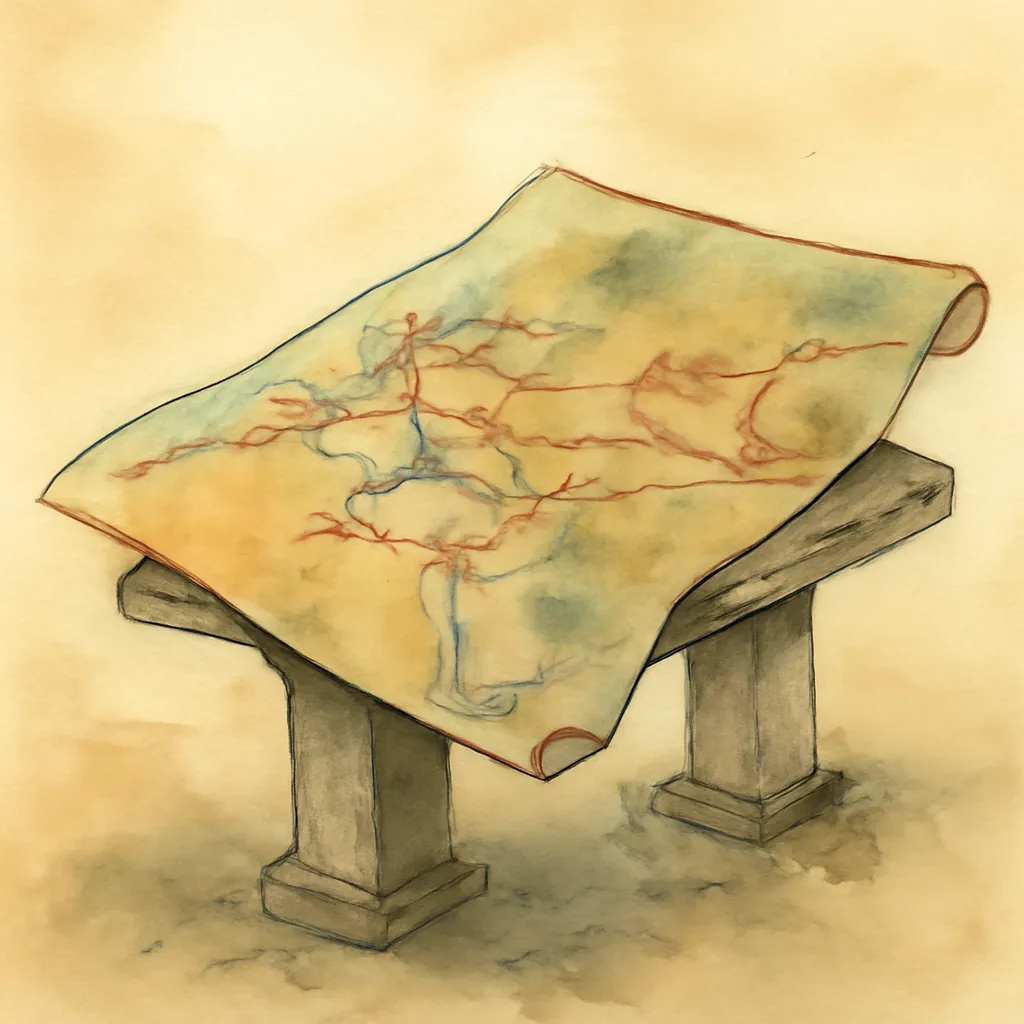
Merryweather illustrates how monastic communities facilitated cultural exchanges that contributed to the spread of knowledge across Europe. As monks traveled for pilgrimage or scholarly pursuits, they brought with them texts and ideas from diverse cultures, enriching their own libraries and communities. The establishment of connections between monasteries, particularly through the exchange of manuscripts, played a crucial role in the dissemination of learning. For example, Merryweather highlights the correspondence between monasteries in England and those in France, where monks would share not only texts but also theological insights and teachings. This chapter emphasizes the importance of collaboration and dialogue among monks, revealing how their collective efforts transcended geographical boundaries and fostered a shared literary heritage. By highlighting these exchanges, Merryweather underscores the interconnectedness of medieval scholarship and the collaborative spirit that defined the monastic pursuit of knowledge.
8.The Impact of the Reformation
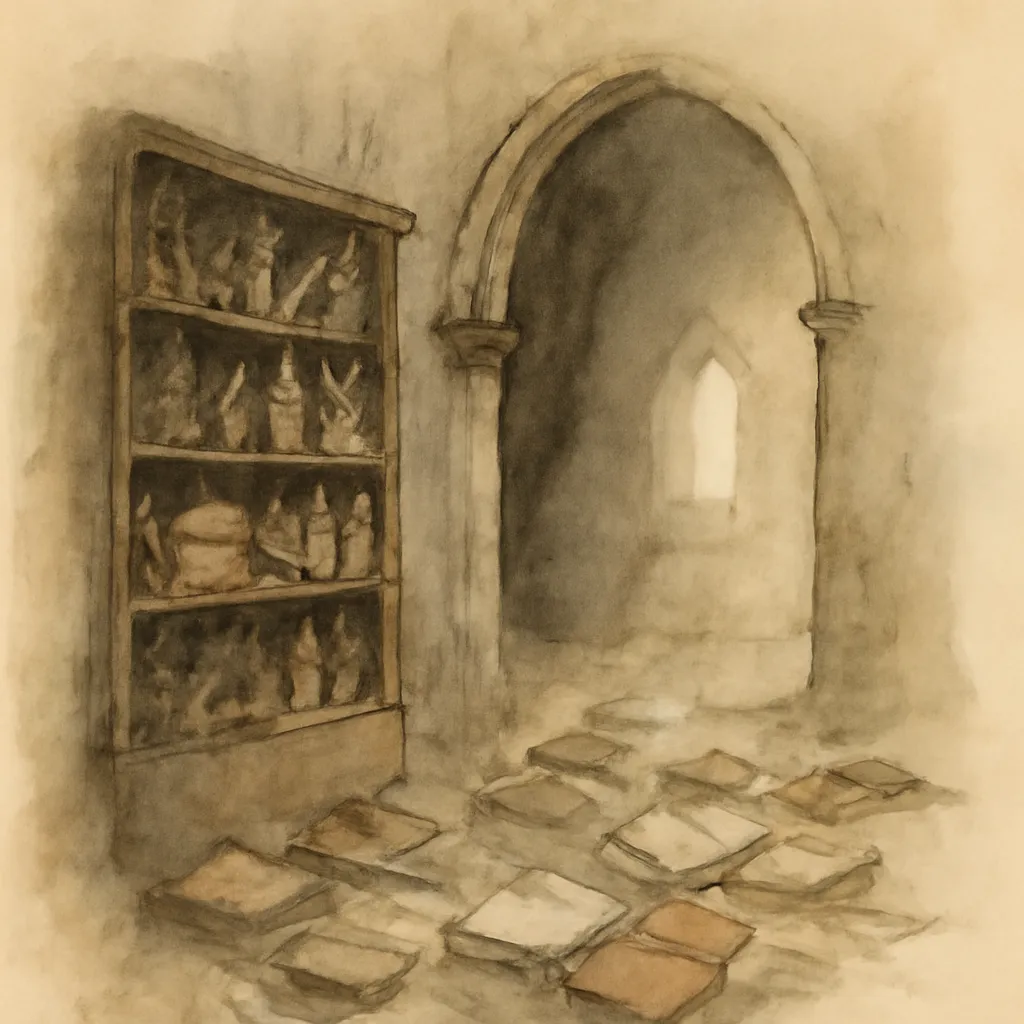
The Reformation brought significant changes to the landscape of monastic learning and book culture, as Merryweather discusses the effects of religious upheaval on monastic libraries. With the dissolution of monasteries and the decline of traditional ecclesiastical authority, many valuable texts were lost or destroyed. Yet, ironically, the Reformation also sparked a renewed interest in scripture and literacy, leading to the proliferation of printed materials. Merryweather explores the paradox of how the Reformation, while detrimental to monastic institutions, ultimately contributed to a broader accessibility of texts and the democratization of knowledge. He provides vivid examples of how pamphlets and translated Bibles became widely circulated, allowing ordinary people to engage with literature in ways that were previously restricted to the monastic elite. This chapter invites readers to consider the complexities of historical change and the ways in which crises can lead to new opportunities for learning and cultural development.
9.The Decline of Monastic Libraries

As the Middle Ages progressed into the Renaissance, the decline of monastic libraries became evident, with many institutions facing dissolution or neglect. Merryweather examines the factors contributing to this decline, including the rise of secular scholarship and the changing priorities of society. With the advent of printing, the role of the monastic library shifted, as books became more widely available and accessible to the general public. This transition marked the end of an era for monastic bibliomania, as the unique culture of book collecting within monasteries began to fade. Merryweather paints a poignant picture of how many libraries were dismantled, their collections dispersed, and how the loss of these institutions represented a significant cultural shift. Yet, despite this decline, Merryweather argues that the legacy of these libraries and their devoted monks continues to resonate in contemporary literary culture, reminding us of the profound impact that these institutions had on the preservation of knowledge and the promotion of learning.
10.The Legacy of Medieval Bibliomania

Merryweather concludes by reflecting on the enduring legacy of medieval bibliomania and its significance for modern readers. The passionate devotion of monks to literature not only preserved ancient texts but also laid the groundwork for the intellectual movements that followed. The transition from manuscript to print heralded a new era of literacy and knowledge dissemination, but it was the monks' tireless efforts that ensured the survival of literary heritage during a tumultuous period. This legacy invites contemporary readers to appreciate the value of books and the importance of preserving knowledge for future generations. By understanding the historical context of bibliomania, readers can cultivate a deeper appreciation for the written word and its power to shape culture and society. In essence, Merryweather leaves readers with a sense of responsibility toward the legacy of literature, urging them to engage with and protect the literary treasures that continue to enrich our lives.