1.Browning's Feminist Lens
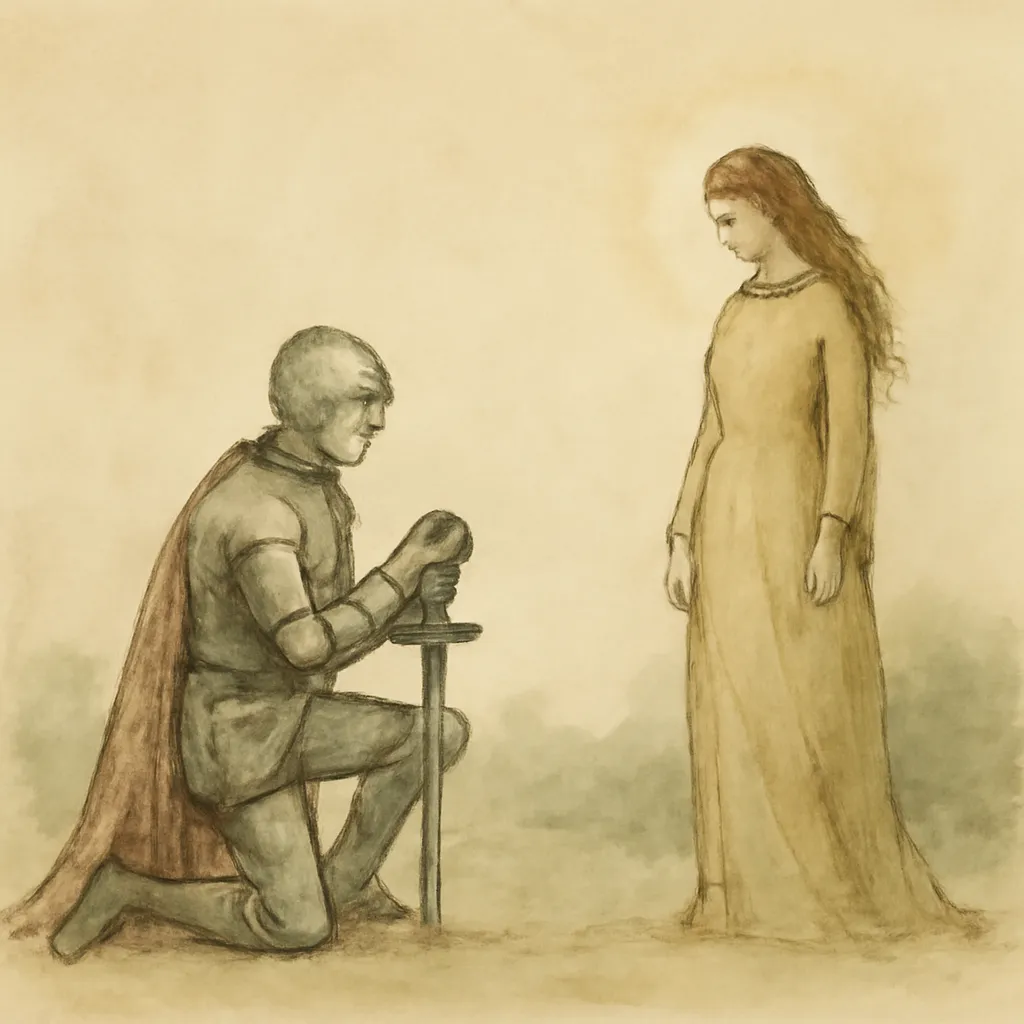
Browning's depiction of women presents a progressive view that elevates their individuality and agency. He portrays his heroines as brave and independent, reminiscent of the knights in traditional poetry. Mayne argues that Browning's work marks a significant shift in the literary portrayal of women, as he captures the essence of girlhood as a profound and distinct phase of life. His characters, such as the girl in 'Count Gismond', embody a spirit of adventure and resilience. This focus on girlhood as a standalone experience is revolutionary; it acknowledges that this phase of life is filled with its own unique joys and challenges. Browning's recognition of a girl's individuality, as seen in the poignant lines of 'Evelyn Hope', underscores the idea that a young woman's life is rich with purpose, independent of romantic relationships. This nuanced understanding of girlhood as a 'thing-by-itself' reflects a cultural shift towards recognizing women's autonomy and potential beyond societal expectations.
2.The Essence of Girlhood
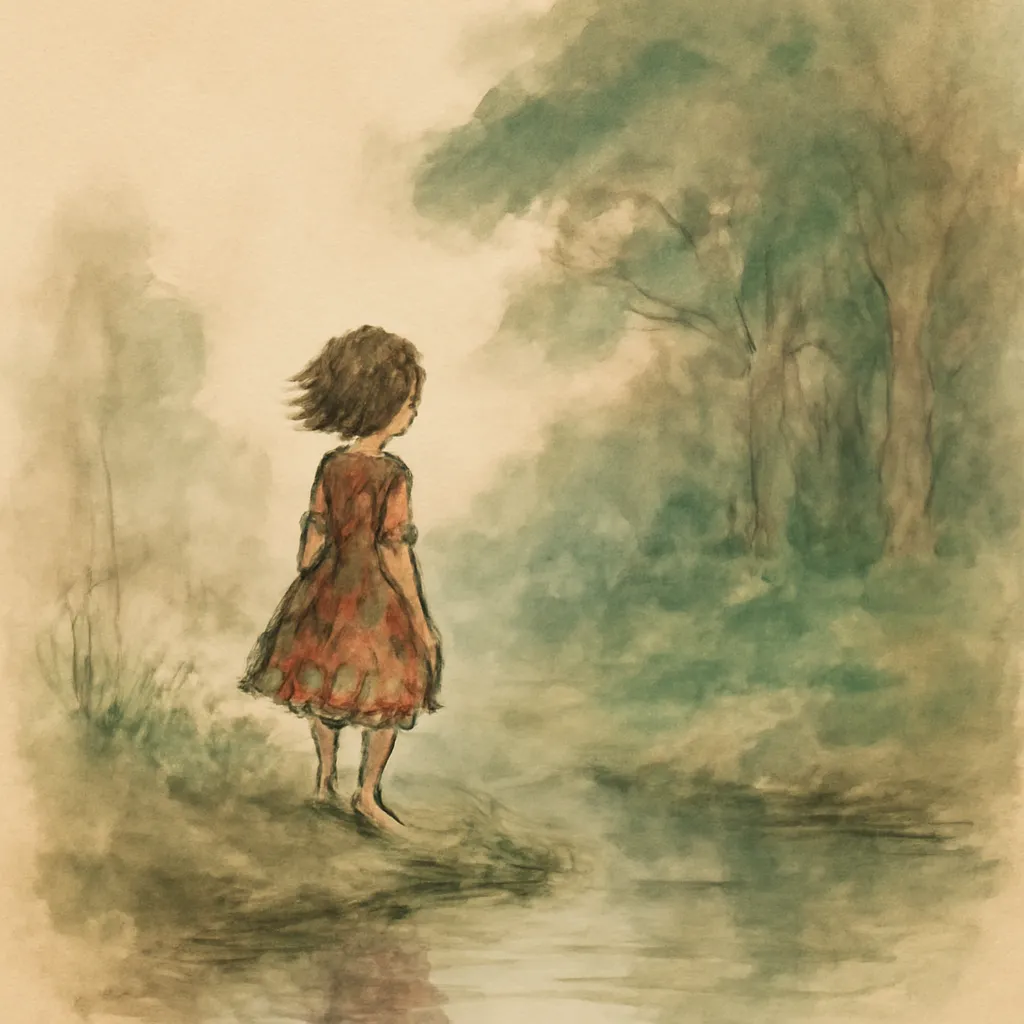
Browning's heroines exemplify the beauty and courage of girlhood, a theme that resonates deeply throughout his work. Mayne highlights how Browning's portrayal of young girls is imbued with a sense of bravery akin to that of heroes in epic tales. His characters, such as the girl in 'Count Gismond', embody a spirit of adventure and resilience. This focus on girlhood as a standalone experience is revolutionary; it acknowledges that this phase of life is filled with its own unique joys and challenges. Browning's recognition of a girl's individuality, as seen in the poignant lines of 'Evelyn Hope', underscores the idea that a young woman's life is rich with purpose, independent of romantic relationships. This nuanced understanding of girlhood as a 'thing-by-itself' reflects a cultural shift towards recognizing women's autonomy and potential beyond societal expectations. The development of these characters often serves as a metaphor for the emergence of modern femininity, illustrating how Browning was ahead of his time in acknowledging the complexities of female identity.
3.Browning's Great Ladies
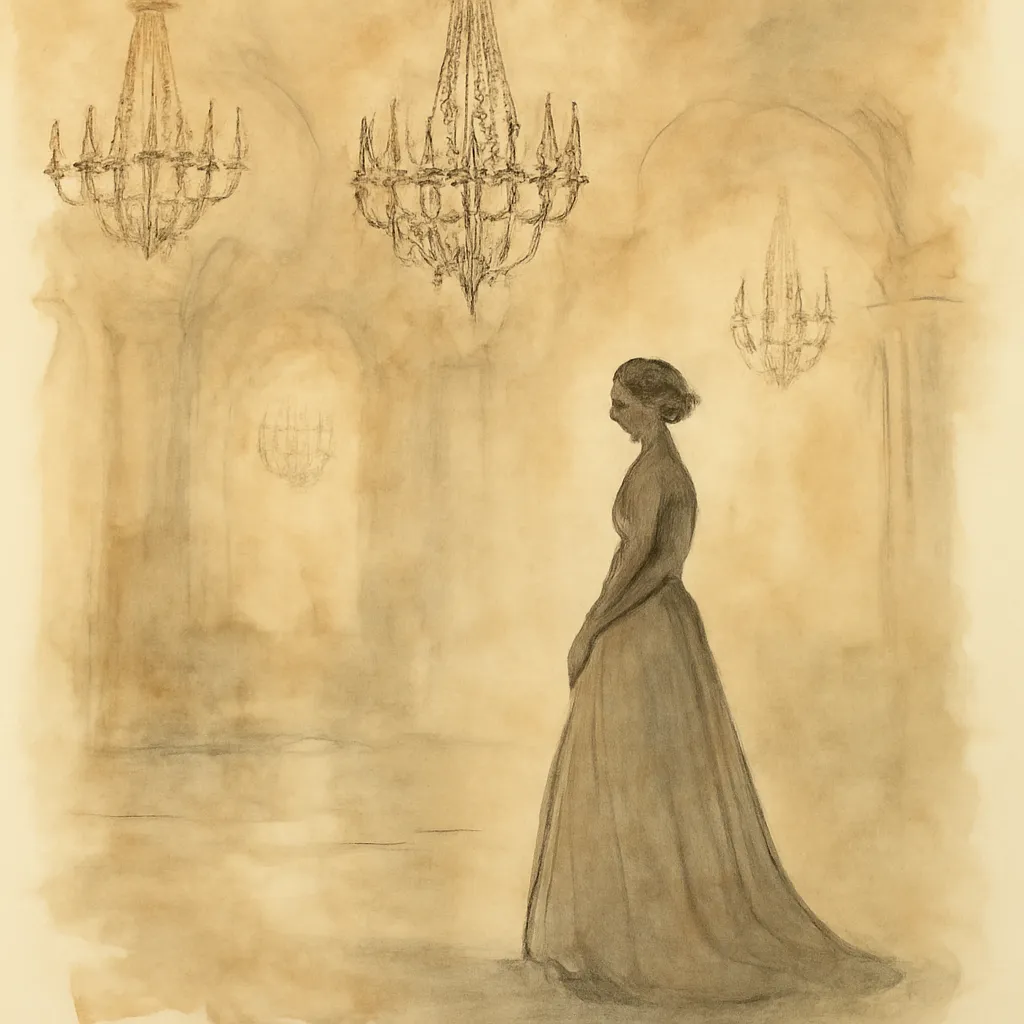
The exploration of class and femininity is vividly portrayed in Browning's works, particularly in poems like 'My Last Duchess' and 'The Flight of the Duchess'. Mayne emphasizes that Browning navigates the complexities of high society with a keen eye, portraying women who are both powerful and constrained by their social positions. His great ladies are not just figures of beauty; they are depicted with depth and emotional richness, revealing their struggles within the confines of societal norms. Browning's ability to transcend class distinctions allows him to portray these women as fully realized characters with desires and fears. This nuanced portrayal invites readers to empathize with their plight, recognizing the interplay between social status and personal identity. Mayne suggests that Browning's great ladies serve as a critique of the societal structures that limit women's agency, making them a vital part of his feminist narrative. The contrast between their outward grace and their inner turmoil reflects the societal expectations placed upon them, emphasizing the struggle for authenticity in a rigid social framework.
4.Love as a Transformative Force

Browning's belief in love as the ultimate adventure of life is a central theme in his poetry, as illustrated in the section 'Lovers Meeting'. He portrays love as a powerful, transformative force that reveals the depths of human experience. Mayne points out that Browning's view of love is free from sentimentality; instead, it is grounded in the realities of human connection. His characters engage in love that challenges and elevates them, pushing them towards personal growth. This perspective on love as a mutual journey rather than a one-sided affair reflects a modern understanding of relationships, where both partners contribute to each other's development. Browning's emphasis on the active role of love in shaping identity and experience underscores the importance of genuine connection in a world often marred by superficiality. The interplay of love and individuality highlights how relationships can serve as a catalyst for self-discovery, allowing both men and women to flourish through their connections with one another.
5.The Complexity of Women's Voices

Mayne's analysis reveals that while Browning's female characters are rich in complexity, they often express their emotions in ways that may seem less expansive compared to their male counterparts. In 'Trouble of Love: The Woman's', Mayne notes that women's expressions of love tend to be more grounded in personal experience, revealing a certain vulnerability. This observation raises questions about the breadth of women's emotional landscapes as portrayed by Browning. While some critics argue that this reflects an inherent limitation in women's voices, Mayne contends that it is more indicative of the societal constraints placed upon women during Browning's era. The nuanced portrayal of women's love as both a source of strength and pain illustrates the multifaceted nature of their experiences, emphasizing that their emotional depth is as significant as that of men. By showcasing the complexities of women's emotions, Browning offers a more democratic view of love that transcends gendered boundaries, inviting readers to empathize with the struggles of his female characters.
6.A Woman's Last Word: Agency and Submission
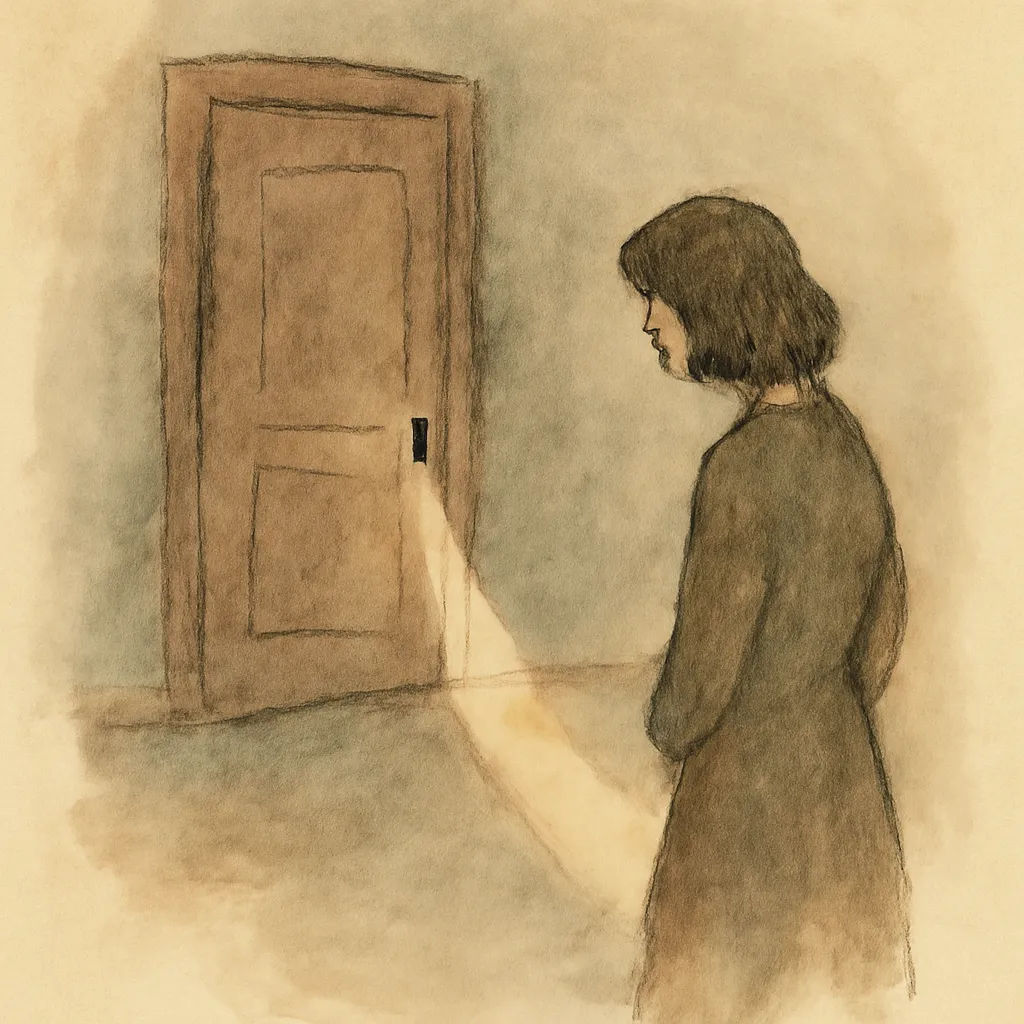
In 'A Woman's Last Word', Browning explores the tension between a woman's desire for agency and the societal expectation of submission in marriage. Mayne highlights the protagonist's internal struggle as she grapples with the idea of yielding to her husband's will. This poem serves as a poignant commentary on the dynamics of marital relationships, questioning whether true love requires self-abnegation. The closing lines express a profound sense of resignation, yet they also hint at the underlying strength of the woman's character. Mayne argues that Browning masterfully captures this duality, illustrating how societal pressures can stifle a woman's voice while simultaneously acknowledging her inherent strength. The complexities of this relationship reflect broader themes of gender dynamics and the quest for identity within the confines of traditional roles. By presenting the woman's perspective in such an intimate manner, Browning challenges readers to reconsider the sacrifices often expected in the name of love and commitment.
7.The Interplay of Desire and Duty

Browning's exploration of the interplay between desire and duty is evident in many of his heroines, who navigate the expectations placed upon them by society. In works like 'James Lee's Wife', the character's internal conflict between her personal desires and her roles as a wife and mother becomes a focal point. Mayne suggests that Browning's portrayal of this struggle speaks to a universal theme of human experience, where individuals must reconcile their personal aspirations with societal obligations. The tension between fulfilling one's desires and adhering to societal norms creates a rich narrative landscape that resonates with readers. Browning's ability to articulate this struggle reflects a deep understanding of the complexities of human relationships, making his characters relatable and timeless. By vividly depicting the characters' dilemmas, Browning invokes empathy in his readers, prompting them to reflect on their own experiences regarding desire, duty, and the sacrifices involved in navigating these often conflicting elements of life.
8.The Evolution of Love's Pain

In the section 'Trouble of Love: The Man's', Mayne discusses how Browning portrays men's experiences of love and the pain it can bring. While previous sections emphasized women's perspectives, this analysis shifts the focus to the male experience, illustrating how love can be both a source of joy and suffering. Browning's male characters often grapple with their vulnerabilities, revealing a more profound emotional range that challenges traditional notions of masculinity. Mayne argues that by presenting love as a complex and sometimes painful experience for men, Browning expands the emotional landscape of his characters, allowing for a more nuanced understanding of love's impact. This exploration not only enriches the narrative but also encourages readers to consider the multifaceted nature of love across gender lines. By portraying men as capable of deep emotional turmoil, Browning dismantles simplistic notions of masculinity, opening the door for a more inclusive conversation about the human experience of love.
9.Browning's Lasting Impact on Feminism

Through Mayne's examination of Browning's heroines, it becomes clear that his work has had a lasting impact on feminist literature. By portraying women as complex, autonomous beings with their own narratives, Browning laid the groundwork for future writers to explore female experiences in depth. Mayne asserts that Browning's heroines challenge the traditional roles assigned to women in literature, inspiring a more nuanced understanding of femininity. This legacy is particularly significant in the context of the feminist movements that followed, where the call for women's voices to be heard became increasingly prominent. Browning's ability to capture the essence of women's experiences has made his work relevant across generations, serving as a reminder of the ongoing struggle for gender equality and representation in literature. His characters not only resonate with the feminist ideals of his time but continue to inspire contemporary discussions about gender roles and identity in the literary landscape.