
Ethel Colburn Mayne's exploration of Browning's heroines unveils their depth, individuality, and the revolutionary lens through which they embody femininity
Read full overviewShow less›
In 'Browning's Heroines', Ethel Colburn Mayne delves into the multifaceted female characters crafted by the poet Robert Browning, revealing their complexities and the cultural context of their creation. This examination not only highlights Browning's unique portrayal of women but also sheds light on the evolving perception of femininity during his time. Mayne argues that Browning's heroines are not mere reflections of their male counterparts but are vibrant, courageous individuals who navigate societal expectations and personal desires. Readers will discover how these characters challenge traditional roles, embody feminist ideals, and resonate with modern sensibilities, making Browning a pioneering voice in the realm of female representation in literature. Through detailed analyses of key poems and characters, this work offers a fresh understanding of Browning's contribution to the literary canon and the significance of his heroines in the broader discourse on gender and identity.
Ethel Colburn Mayne's 'Browning's Heroines' serves as a vital reexamination of Robert Browning's portrayal of women, emphasizing their complexities and individuality in a time when such representations were rare. By dissecting the nuances of Browning's characters, Mayne highlights the poet's pioneering role in feminist literature, revealing how his heroines navigate societal expectations while asserting their agency. The book not only enriches our understanding of Browning's work but also invites contemporary readers to reflect on the ongoing dialogue about gender, identity, and the evolving roles of women in literature. As we continue to explore these themes, Mayne's insights remind us of the importance of giving voice to women's experiences and the power of literature to challenge societal norms.
- 1Browning's Feminist Lens
- 2The Essence of Girlhood
- 3Browning's Great Ladies
- 4Love as a Transformative Force
- 5The Complexity of Women's Voices
Notable quotes
“Sixteen years old when she died! Perhaps she had hardly heard my name; It was not her time to love; beside, Her life had many a hope and aim, Duties enough and little cares, And now was quiet, now astir . . .”
“What so wild as words are?”
“What so false as truth is, False to thee?”
A glimpse inside

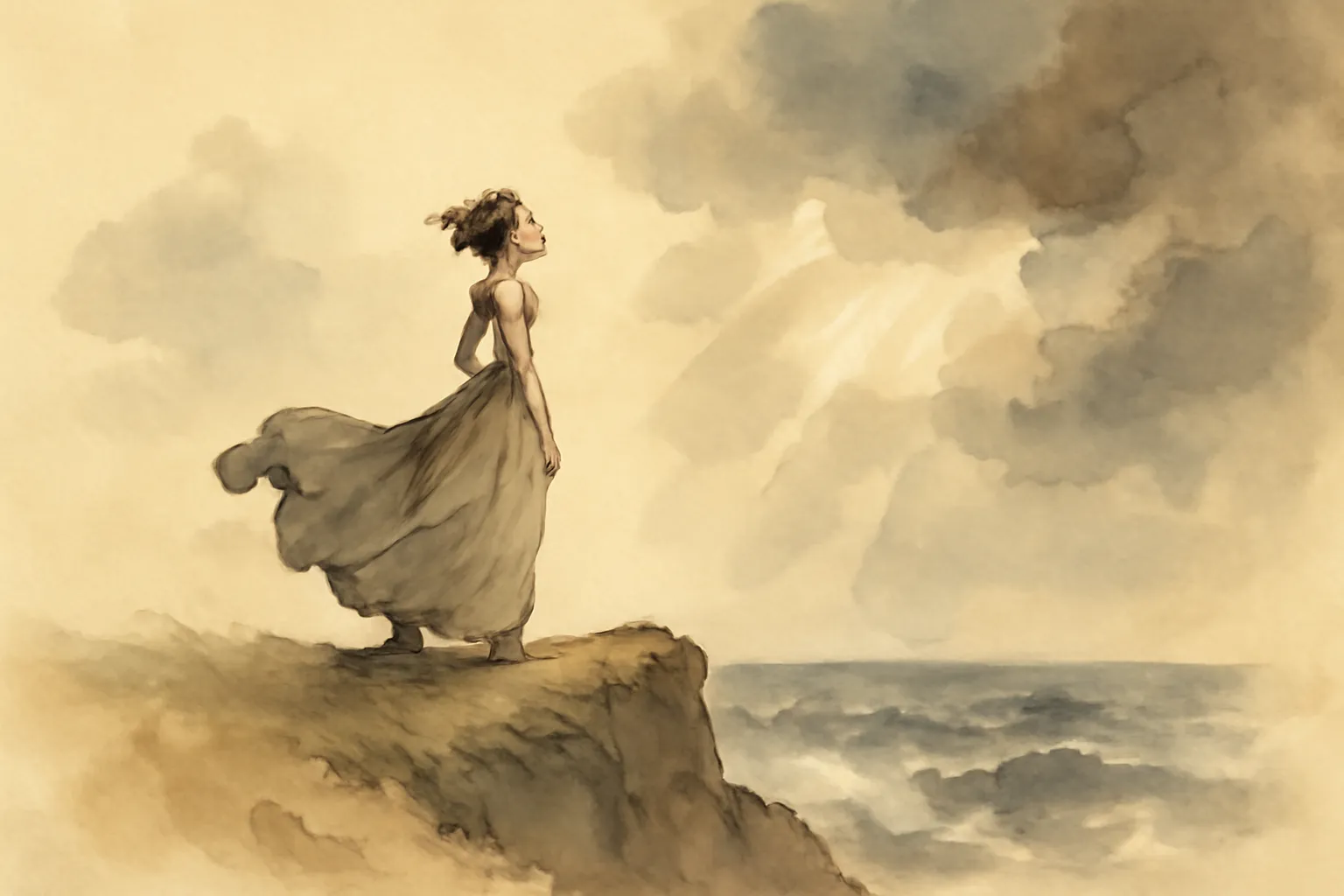
Browning's depiction of women presents a progressive view that elevates their individuality and agency. He portrays his heroines as brave and independent, reminiscent of… Read moreBrowning's depiction of women presents a progressive view that elevates their individuality and agency. He portrays his heroines as brave and independent, reminiscent of the knights in traditional poetry. Mayne argues that Browning's work marks a significant shift in the literary portrayal of women, as he captures the essence of girlhood as a profound and distinct phase of life. His characters, such as the girl in 'Count Gismond', embody a spirit of adventure and resilience. This focus on girlhood as a standalone experience is revolutionary; it acknowledges that this phase of life is filled with its own unique joys and challenges. Browning's recognition of a girl's individuality, as seen in the poignant lines of 'Evelyn Hope', underscores the idea that a young woman's life is rich with purpose, independent of romantic relationships. This nuanced understanding of girlhood as a 'thing-by-itself' reflects a cultural shift towards recognizing women's autonomy and potential beyond societal expectations. Show less
Browning's heroines exemplify the beauty and courage of girlhood, a theme that resonates deeply throughout his work. Mayne highlights how Browning's portrayal of young gi… Read moreBrowning's heroines exemplify the beauty and courage of girlhood, a theme that resonates deeply throughout his work. Mayne highlights how Browning's portrayal of young girls is imbued with a sense of bravery akin to that of heroes in epic tales. His characters, such as the girl in 'Count Gismond', embody a spirit of adventure and resilience. This focus on girlhood as a standalone experience is revolutionary; it acknowledges that this phase of life is filled with its own unique joys and challenges. Browning's recognition of a girl's individuality, as seen in the poignant lines of 'Evelyn Hope', underscores the idea that a young woman's life is rich with purpose, independent of romantic relationships. This nuanced understanding of girlhood as a 'thing-by-itself' reflects a cultural shift towards recognizing women's autonomy and potential beyond societal expectations. The development of these characters often serves as a metaphor for the emergence of modern femininity, illustrating how Browning was ahead of his time in acknowledging the complexities of female identity. Show less
Read the full text — free
About the author
Read Ethel Colburn Mayne's work free on Lumina — the complete text plus an 8-minute summary and key ideas, no account needed