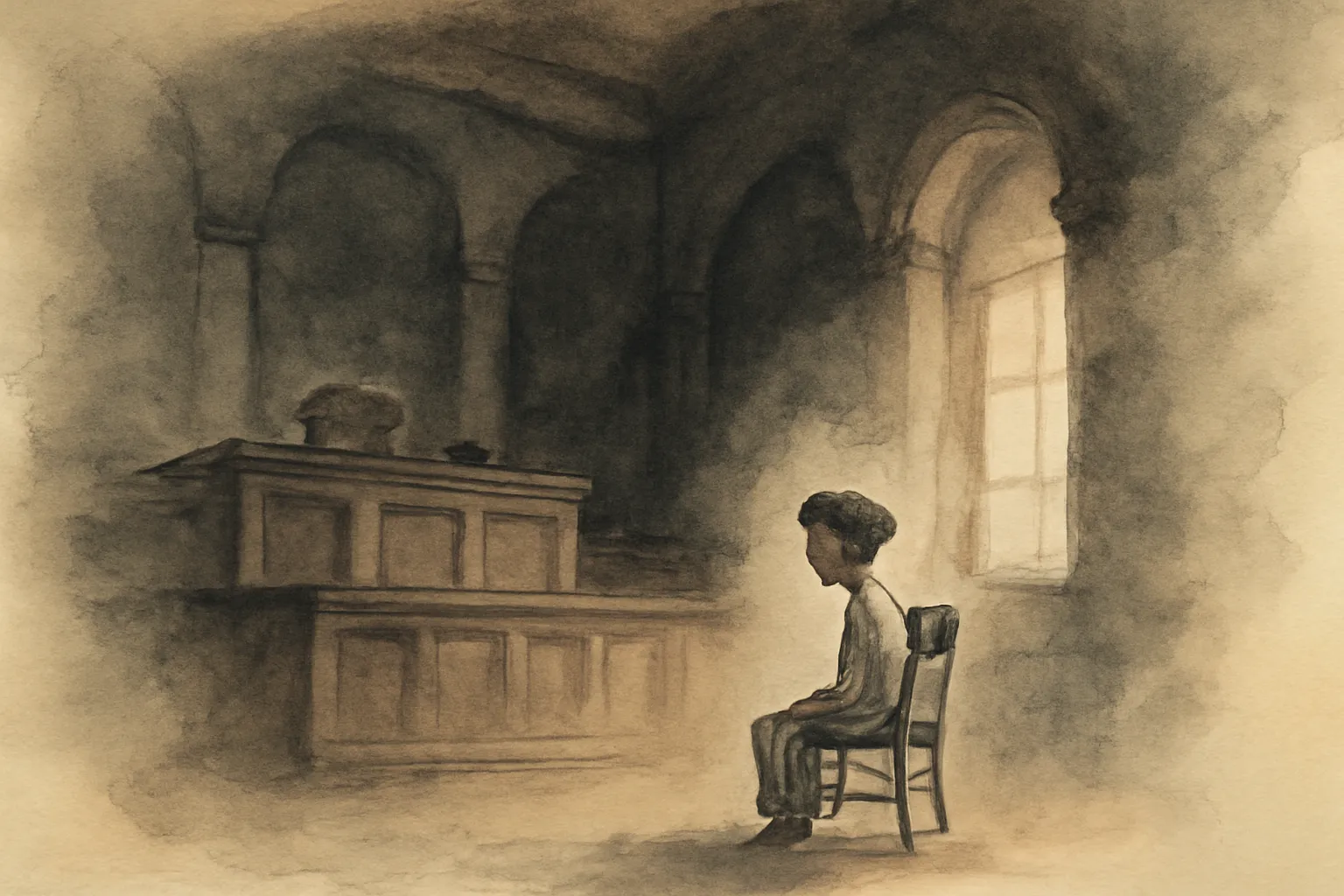
1.The Innocent Victim of Circumstance

The story opens with the seemingly trivial act of a boy throwing a brick through a window, which sets off a cascade of events leading to his wrongful arrest. Tony Mathusek, an innocent bystander, becomes a scapegoat for the misdeeds of others, illustrating how easily the legal system can ensnare those who are vulnerable. This theme resonates throughout the book, as it portrays how societal perceptions can swiftly turn an innocent child into a criminal in the eyes of the law. Train uses Tony's plight to highlight the fragility of justice, particularly for those without the means to defend themselves against the powerful machinery of the legal system. The narrative compels readers to empathize with Tony, drawing them into the emotional turmoil of being wrongfully accused and the fear of losing one's future to a flawed system. Given the circumstances of his arrest, readers can see how a single impulsive action can snowball into a life-altering event, raising questions about the fairness of a system built on assumptions and biases rather than actual evidence.
2.The Role of Authority and Abuse of Power

Train masterfully depicts the characters of Officer Delany and the Assistant District Attorney O'Brien, who embody the corruption and indifference often found within law enforcement and the judicial system. Delany is quick to arrest Tony, motivated not by a quest for truth but by a desire to satisfy the butcher's demands and to bolster his own reputation. O'Brien, on the other hand, represents the complacency of those in power, choosing to delay the trial rather than address the lack of evidence against Tony. This dynamic illustrates a critical point: the legal system can become a tool for oppression rather than justice when those in authority prioritize personal gain over ethical responsibility. The officers' actions not only threaten Tony’s future but also reflect a broader systemic issue where justice is often secondary to maintaining order and appeasing influential voices in the community. Train's portrayal of these characters serves as a cautionary tale about the need for accountability and integrity within the justice system. It urges readers to critically examine the motivations of those in power and the effects their decisions have on the lives of ordinary citizens, emphasizing the importance of ethical leadership and the potential consequences of its absence.
3.Manipulation of the Vulnerable

The character of Mrs. Mathusek, Tony's mother, is emblematic of the struggles faced by the working class in navigating the legal system. When confronted by Mr. Simpkins, Tony's lawyer, she is overwhelmed by the complexities of the law and the threats of financial ruin. Simpkins, while projecting an air of sympathy, manipulates her desperation to extract money for Tony's defense, showcasing how the legal profession can prey on the vulnerable. This manipulation highlights broader societal issues, where the economically disadvantaged are often left without adequate representation, forced to rely on the very system that seeks to exploit them. Train paints a vivid picture of Mrs. Mathusek's emotional turmoil as she pawns her belongings to pay for Tony's defense, illustrating the sacrifices that desperate parents make for their children. Her plight reflects the real-life struggles many families face when entangled in the legal system, where those without resources are often at a significant disadvantage. Train’s narrative underscores the importance of legal literacy and the need for reform to ensure that justice is accessible to all, regardless of socioeconomic status. It serves as a reminder that systemic inequalities continue to affect the lives of the most vulnerable, often compounding their hardships rather than alleviating them.
4.The Illusion of Justice

Throughout 'By Advice of Counsel', Train explores the theme of justice as an illusion, often veiled by the complexities of legal proceedings and the motivations of those involved. The delays in Tony's trial, orchestrated by Hogan and O'Brien, serve to illustrate how the legal process can become a labyrinthine journey that obscures the truth. The book suggests that justice is not always about the outcome of a trial but is also influenced by the perceptions and actions of those who wield power within the system. This illusion is further compounded by the public's perception of crime and punishment, which can lead to hasty judgments and a desire for retribution rather than true justice. Train's exploration of this theme prompts readers to question the efficacy of the legal system and the meaning of justice in a society driven by appearances. The narrative raises critical questions about the responsibilities of legal professionals, the media, and the public in shaping perceptions of justice, ultimately suggesting that the pursuit of fairness is often impeded by preconceived notions and societal pressures.
5.The Ethical Dilemmas of Legal Representation

The character of Raphael B. Hogan, Tony's attorney, embodies the ethical dilemmas faced by legal practitioners. Although he appears to be working in Tony's best interest, his actions reveal a self-serving agenda that compromises the integrity of his representation. Hogan's repeated requests for adjournments serve to prolong the process, not out of a genuine concern for Tony's defense but rather to extract more money from Mrs. Mathusek. This raises significant questions about the moral obligations of lawyers to their clients and the potential for conflicts of interest within the legal profession. Train illustrates that the pursuit of justice can be clouded by personal ambition, leading to a betrayal of the very principles that lawyers are sworn to uphold. This portrayal of Hogan invites readers to reflect on the broader implications of such ethical lapses, as they can undermine public trust in the legal system and diminish the fairness of trials. As Hogan’s motivations come to light, the narrative serves as a stark reminder of the need for ethical standards in legal practice and the importance of putting clients' interests above personal gain.
6.The Impact of Public Perception
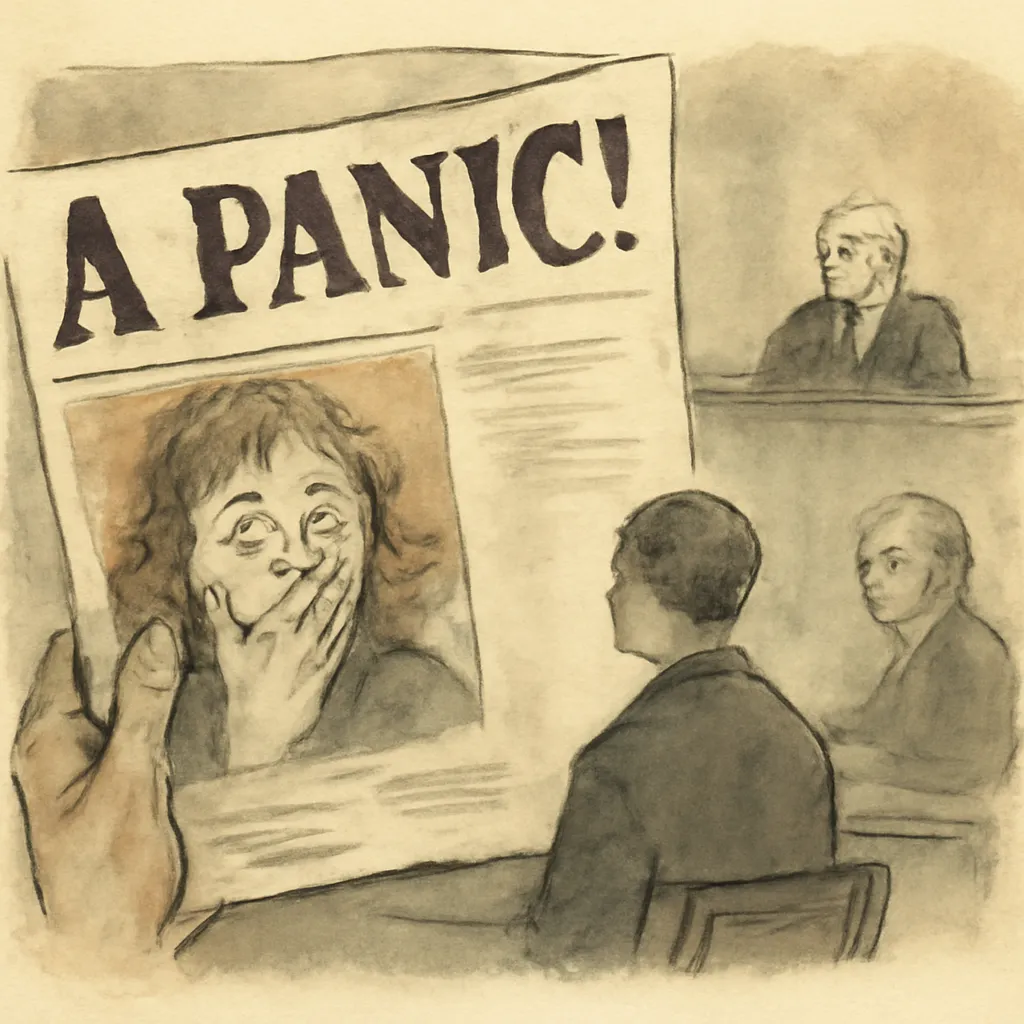
Train's narrative emphasizes the powerful influence of public perception on the legal process, particularly in high-profile cases. The arrest of Tony Mathusek generates a media frenzy, with sensationalism overshadowing the facts of the case. This public scrutiny can lead to a rush to judgment, where the desires for justice and vengeance become intertwined. The character of the elder McGurk illustrates how public outcry can pressure authorities to act, often at the expense of fairness and due process. Train's exploration of this theme serves as a reminder of the responsibility that society bears in ensuring that justice is not only served but is perceived to be served, highlighting the dangers of mob mentality and the potential for wrongful convictions. The narrative invites readers to critically consider their own roles in the justice system, recognizing that public opinion can both shape and distort the course of justice. It underscores the importance of maintaining a balanced perspective, particularly in sensationalized cases, and advocating for fairness and due process, irrespective of public sentiment.
7.The Complexity of Human Nature

Train delves into the complexities of human nature, exploring how individuals can embody both nobility and corruption simultaneously. Characters like Mrs. Mathusek and Tony represent the innocent victims caught in the crossfire of a flawed system, while figures like Hogan and O'Brien illustrate the darker aspects of ambition and self-interest. This duality is further emphasized in the interactions between characters, where moments of compassion are often overshadowed by ulterior motives. Train's depiction of human nature prompts readers to reflect on their own moral compass and the choices they make in the pursuit of justice, illustrating that the line between right and wrong is often blurred by circumstance and desire. The narrative challenges the simplistic notion of good versus evil, suggesting that individuals are often a product of their environment and experiences, and that understanding this complexity is crucial in navigating the moral landscape of the legal system.
8.The Consequences of Inaction

The book poignantly illustrates the consequences of inaction, particularly in the context of the legal system. The delays in Tony's trial, driven by Hogan's self-serving tactics and O'Brien's indifference, result in significant emotional and psychological tolls on Tony and his family. This theme resonates with the idea that failing to act in the face of injustice can perpetuate harm and suffering. Train emphasizes the importance of taking responsibility for one's actions and the moral imperative to seek justice, rather than allowing the system to dictate the outcomes. The narrative serves as a powerful reminder that inaction can contribute to a cycle of injustice, where the vulnerable continue to suffer while those in power evade accountability. Through the depiction of Tony's plight and the toll it takes on his family, Train encourages readers to reflect on their own responsibilities in advocating for justice and the importance of vigilance in preventing systemic failures.
9.Redemption and Justice

In the culmination of 'By Advice of Counsel', Train explores the themes of redemption and the possibility of justice prevailing against overwhelming odds. As the story unfolds, the characters are forced to confront their choices and the impact of their actions on others. The resolution of Tony's case becomes a pivotal moment that challenges the notion of whether true justice can be achieved within a flawed system. Train suggests that while redemption may be possible, it often comes at a great cost, forcing individuals to reckon with their past and seek a path toward moral clarity. This theme resonates deeply, prompting readers to consider the complexities of justice and the potential for transformation in the face of adversity. The narrative ultimately leaves readers with a sense of hope, emphasizing that while the journey for justice may be fraught with challenges, individual and collective efforts can lead to meaningful change and the restoration of integrity within the legal system.