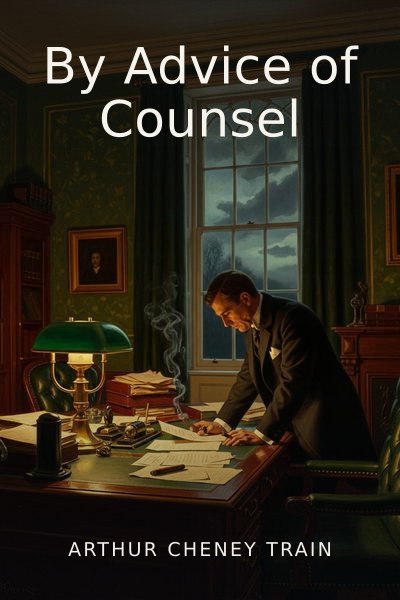

In a world where justice often intertwines with corruption, 'By Advice of Counsel' reveals the dark underbelly of the legal system through the eyes of the innocent and the guilty alike
Read full overviewShow less›
Arthur Cheney Train's 'By Advice of Counsel' is a gripping exploration of the American legal system, exposing the moral ambiguities and ethical dilemmas faced by those who navigate its treacherous waters. The story centers around the wrongful arrest of a young boy, Tony Mathusek, whose fate hangs in the balance as unscrupulous lawyers and a complacent district attorney manipulate the system for their gain. Through a cast of characters—including the desperate mother, the corrupt officials, and the well-intentioned but flawed attorney—Train unravels a narrative that challenges the reader to consider the true nature of justice and the price of innocence. Readers will come away with a keen understanding of how societal pressures and individual choices shape the pursuit of justice, often leading to tragic outcomes for the unwitting victims caught in the crossfire.
Arthur Cheney Train's 'By Advice of Counsel' serves as a profound reflection on the intricacies of the legal system and the moral dilemmas faced by those who navigate it. Through the lens of Tony Mathusek's wrongful arrest, the narrative reveals the fragility of justice and the potential for corruption within a system that is meant to uphold it. Train's exploration of human nature, authority, and societal perception challenges readers to question the integrity of their own beliefs about justice and the consequences of inaction. Ultimately, the book underscores the importance of empathy, accountability, and the relentless pursuit of truth, reminding us that justice is not merely a legal concept but a fundamental human right that must be defended against the tides of ambition and indifference.
- 1The Innocent Victim of Circumstance
- 2The Role of Authority and Abuse of Power
- 3Manipulation of the Vulnerable
- 4The Illusion of Justice
- 5The Ethical Dilemmas of Legal Representation
Notable quotes
“Say, mister, you got the wrong feller! I didn't break the window.”
“The law is the law. And I have to enforce it—ostensibly, anyway.”
“The meanest and most detestable of men, beside whom an honest burglar is a sympathetic human being, may yet never violate a criminal statute.”
A glimpse inside

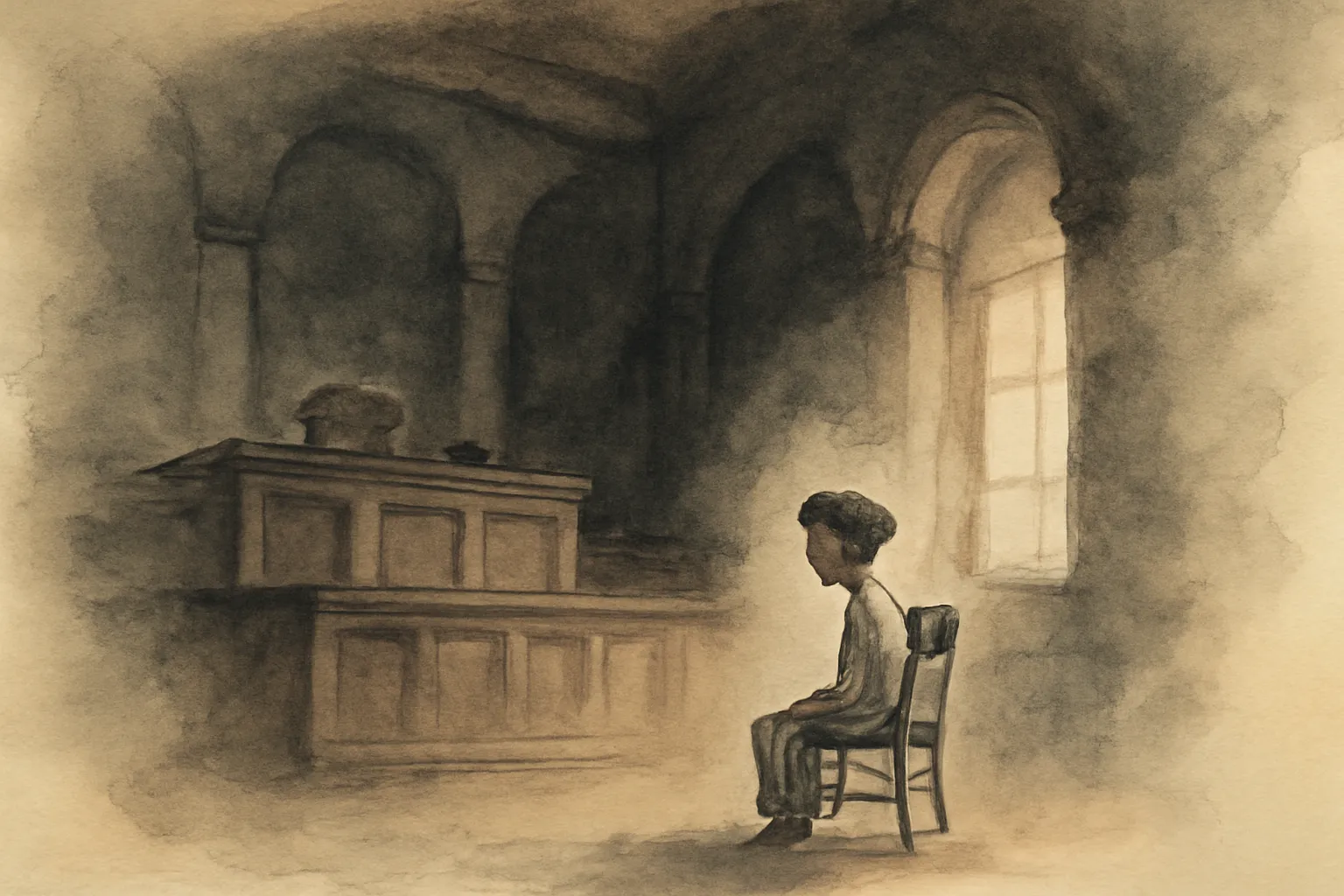
The story opens with the seemingly trivial act of a boy throwing a brick through a window, which sets off a cascade of events leading to his wrongful arrest. Read moreThe story opens with the seemingly trivial act of a boy throwing a brick through a window, which sets off a cascade of events leading to his wrongful arrest. Tony Mathusek, an innocent bystander, becomes a scapegoat for the misdeeds of others, illustrating how easily the legal system can ensnare those who are vulnerable. This theme resonates throughout the book, as it portrays how societal perceptions can swiftly turn an innocent child into a criminal in the eyes of the law. Train uses Tony's plight to highlight the fragility of justice, particularly for those without the means to defend themselves against the powerful machinery of the legal system. The narrative compels readers to empathize with Tony, drawing them into the emotional turmoil of being wrongfully accused and the fear of losing one's future to a flawed system. Given the circumstances of his arrest, readers can see how a single impulsive action can snowball into a life-altering event, raising questions about the fairness of a system built on assumptions and biases rather than actual evidence. Show less
Train masterfully depicts the characters of Officer Delany and the Assistant District Attorney O'Brien, who embody the corruption and indifference often found within law… Read moreTrain masterfully depicts the characters of Officer Delany and the Assistant District Attorney O'Brien, who embody the corruption and indifference often found within law enforcement and the judicial system. Delany is quick to arrest Tony, motivated not by a quest for truth but by a desire to satisfy the butcher's demands and to bolster his own reputation. O'Brien, on the other hand, represents the complacency of those in power, choosing to delay the trial rather than address the lack of evidence against Tony. This dynamic illustrates a critical point: the legal system can become a tool for oppression rather than justice when those in authority prioritize personal gain over ethical responsibility. The officers' actions not only threaten Tony’s future but also reflect a broader systemic issue where justice is often secondary to maintaining order and appeasing influential voices in the community. Train's portrayal of these characters serves as a cautionary tale about the need for accountability and integrity within the justice system. It urges readers to critically examine the motivations of those in power and the effects their decisions have on the lives of ordinary citizens, emphasizing the importance of ethical leadership and the potential consequences of its absence. Show less
Read the full text — free
About the author
Read Arthur Cheney Train's work free on Lumina — the complete text plus an 8-minute summary and key ideas, no account needed