1.The Duality of Human Nature
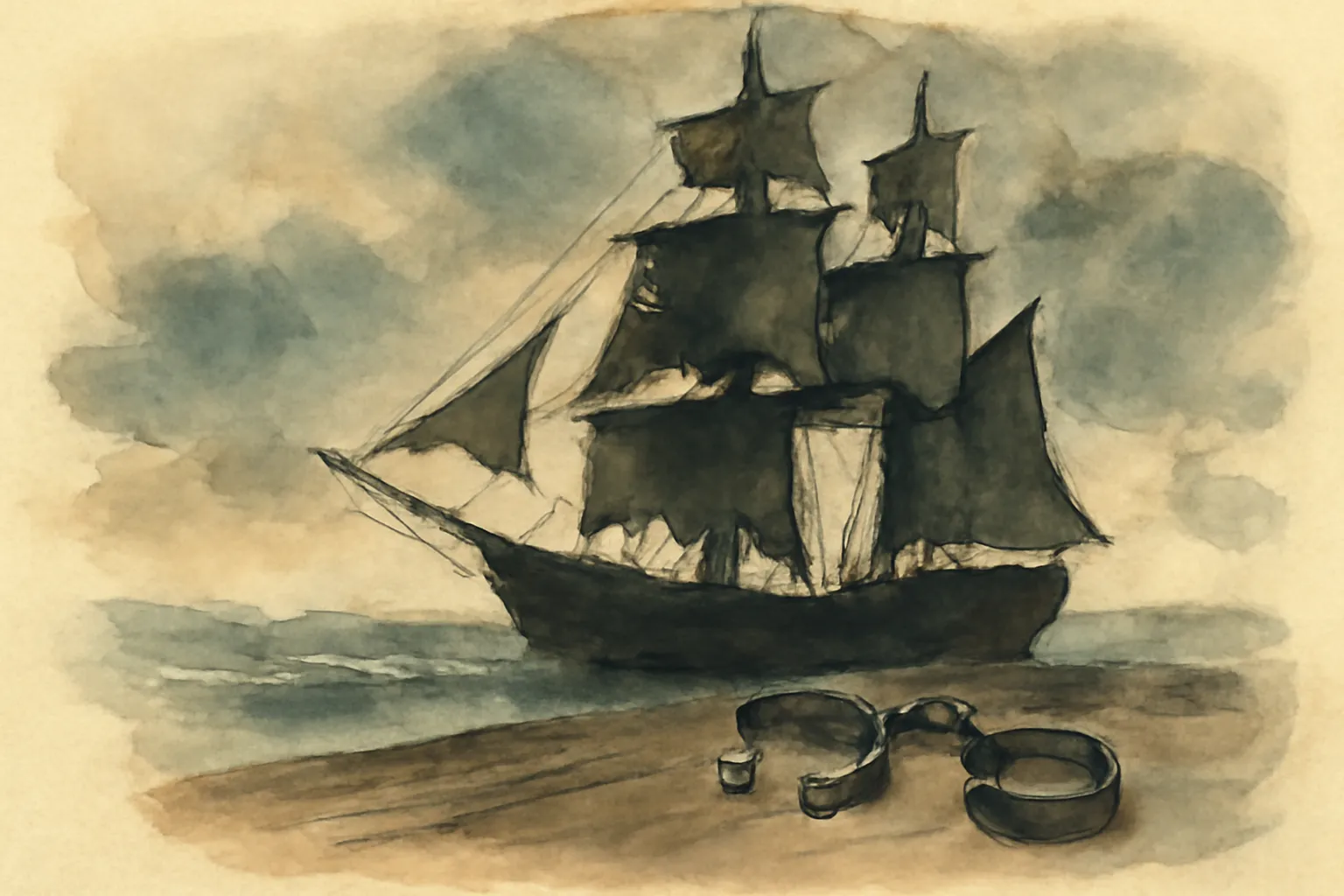
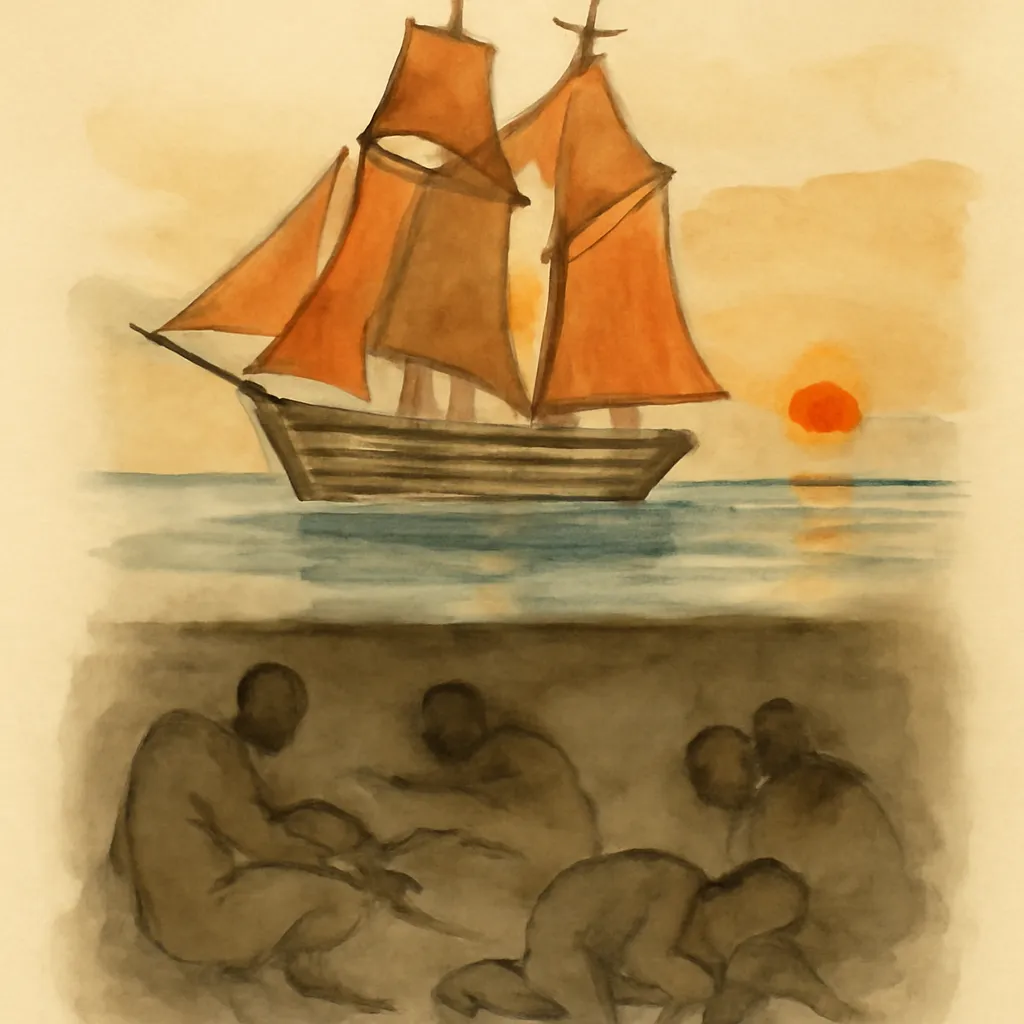
Canot's narrative intricately explores the duality of human nature, especially in the context of slavery. On one hand, he depicts the brutal realities of the slave trade, highlighting the inhumane treatment of enslaved Africans. For instance, he notes how slaves were often subjected to harsh inspections to ensure they were fit for sale, a practice that starkly illustrates the commodification of human beings. On the other hand, Canot also portrays moments of kindness and camaraderie among traders and locals, suggesting that humanity can coexist with barbarity. This duality raises profound questions about morality, choice, and the capacity for empathy in a world driven by profit. Canot himself grapples with these contradictions, as he moves between the roles of an exploiter and a participant in local customs, revealing the complexities of his character and the context in which he operated.
2.A Personal Journey from Innocence to Experience
The transformation of Canot from a romantic young man with dreams of adventure to a seasoned slaver is a central theme of the book. Initially, Canot is captivated by the allure of the sea and the excitement of exploration, which drives him to abandon his studies for a life at sea. However, as he becomes entrenched in the slave trade, his experiences begin to harden him. The narrative captures this evolution vividly; Canot reflects on his early ideals and the stark reality he faces as he witnesses the suffering of those he enslaves. His initial excitement is replaced by a sense of disillusionment, as he recognizes the moral implications of his actions. This journey highlights not only his personal growth but also serves as a microcosm of the broader societal transformation occurring during this era, as individuals and nations grappled with the ethics of slavery.
3.Rich Descriptions of African Culture
Canot's work is filled with rich, descriptive passages that bring African culture to life. He provides detailed accounts of various tribes, their customs, and their interactions with European traders, illustrating a complex tapestry of social dynamics. For example, he describes the vibrant markets filled with goods and the intricate rituals that accompany trade, showcasing the sophistication of African societies. Through his eyes, readers gain insight into the lives of the people who are often reduced to mere statistics in discussions of the slave trade. These descriptions serve to humanize the individuals affected by slavery, challenging the dehumanizing narratives often perpetuated by colonial perspectives. Canot’s appreciation for the culture around him adds depth to his narrative and emphasizes the loss that slavery represents not only in human lives but also in cultural heritage.
4.The Mechanisms of the Slave Trade
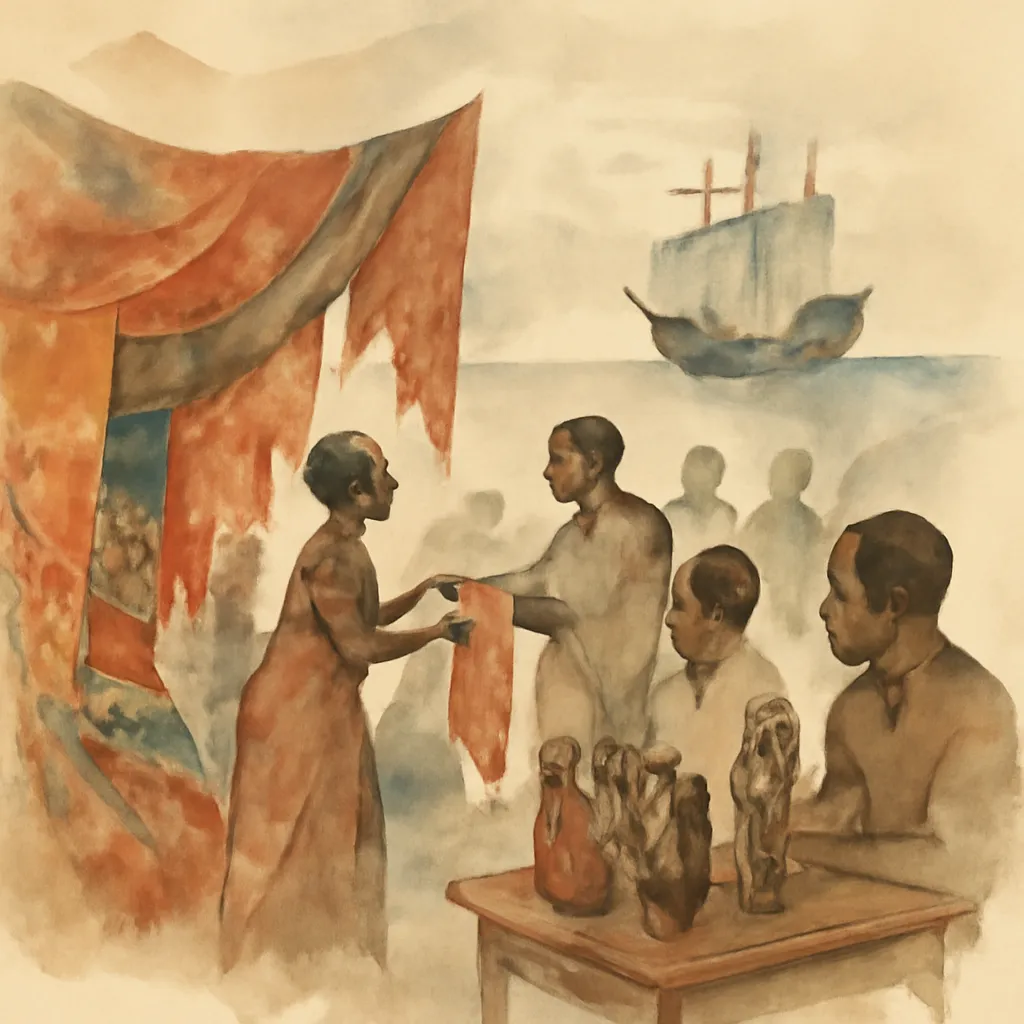
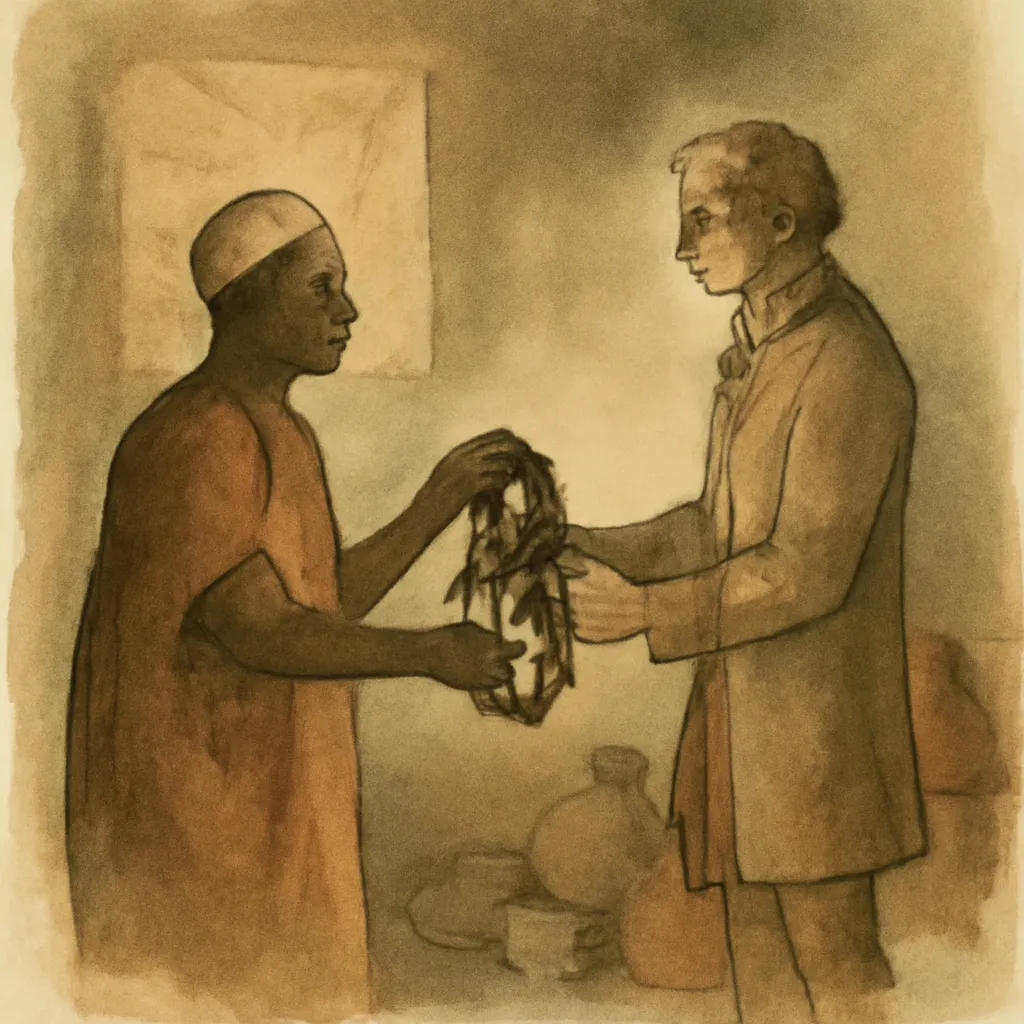
Canot provides a detailed account of the mechanisms behind the slave trade, revealing how it was deeply intertwined with the economies of both Africa and Europe. He explains the roles of local chiefs and traders who would capture and sell their own people to European slavers, highlighting the complexity of alliances and rivalries that existed. This dynamic illustrates that the slave trade was not merely an external imposition but involved local participation and complicity. Canot's observations serve as a reminder that the trade was a multifaceted system, driven by demand and economic necessity. He also discusses how European goods, such as firearms and textiles, were exchanged for slaves, demonstrating the exploitative nature of these transactions. This exploration of the trade's mechanics provides crucial context for understanding the larger implications of slavery on both continents.
5.The Impact of Colonialism on African Societies
The narrative delves into the broader impact of colonialism on African societies, illustrating how European powers disrupted traditional structures and economies. Canot reflects on the changes brought about by the influx of European traders and the consequent shifts in power dynamics among local tribes. He notes that the slave trade often exacerbated conflicts, leading to wars that decimated communities and altered social hierarchies. The introduction of foreign goods and ideas also transformed local cultures, sometimes leading to a loss of identity and tradition. Canot's observations serve as a poignant commentary on the destructive legacy of colonialism, emphasizing the long-lasting effects on the continent and its people. This theme underscores the need to critically examine the historical narratives surrounding colonialism and its repercussions.
6.Survival and Adaptation in Hostile Environments

Canot’s experiences in Africa underscore the themes of survival and adaptation in the face of adversity. He frequently encounters life-threatening situations, from navigating treacherous waters to dealing with hostile local tribes. His ability to adapt to these challenges is a testament to human resilience. For instance, he learns to negotiate with local leaders and navigate the complexities of African trade, showcasing his ingenuity and resourcefulness. Canot's survival instincts are also evident in his interactions with enslaved people, as he often finds himself at the mercy of the same forces that govern their lives. This theme of survival extends beyond Canot himself, as it reflects the broader struggles of individuals caught in the brutal realities of slavery. The narrative illustrates that adaptation is not just a matter of physical endurance but also involves navigating moral complexities and forging connections in a hostile environment.
7.The Role of Language and Communication
Language plays a crucial role in Canot's narrative, serving as both a barrier and a bridge between cultures. Canot's initial inability to communicate with African tribes highlights the challenges of misunderstanding and mistrust that often arise in cross-cultural encounters. However, as he learns local dialects, he begins to forge connections with the people around him, revealing the power of language in building relationships. His experiences underscore the importance of effective communication in trade and diplomacy, as misunderstandings can lead to conflict or missed opportunities. Canot's observations on language also reflect a deeper understanding of identity and culture, as language is often intertwined with one's sense of belonging. This theme emphasizes that communication is not merely a tool for transaction but a vital component in fostering mutual respect and understanding.
8.Moral Ambiguities and Justifications
Throughout the book, Canot grapples with moral ambiguities and justifications for his participation in the slave trade. He reflects on the justifications used by slavers, including economic necessity and the belief in the superiority of European civilization. Canot's internal conflict becomes palpable as he witnesses the suffering of enslaved individuals while also recognizing the financial benefits of the trade. This tension reveals the complexities of human ethics, as individuals often rationalize their actions to align with societal norms or personal interests. Canot's candid reflections challenge readers to confront their own moral beliefs and consider the justifications that underpin exploitative systems. This theme serves as a reminder that morality is often not black and white but exists within a spectrum of human experience.
9.Friendship and Betrayal in a Cutthroat Environment
Canot's relationships with other traders and local leaders reveal the themes of friendship and betrayal in a competitive environment. He forges alliances with certain local chiefs, which often proves beneficial for his trade, yet these relationships are fraught with tension and potential for betrayal. The narrative illustrates how trust is a precious commodity in the world of slaving, where allegiances can shift based on economic interests. Canot’s experiences with betrayal highlight the precarious nature of relationships built on mutual benefit, as personal loyalty is frequently tested by greed and ambition. By examining these dynamics, Canot sheds light on the human capacity for both camaraderie and treachery, providing a nuanced understanding of social interactions in a high-stakes context.
10.The Haunting Legacy of Slavery
Canot’s reflections on the legacy of slavery are profound and haunting, as he contemplates the long-term impact of his actions on individuals and societies. He recognizes that the lives of those enslaved are forever altered, with families torn apart and cultures disrupted. This awareness of the personal toll of slavery adds a layer of depth to his narrative, as it highlights the human cost behind the economic transactions. Canot’s insights serve as a powerful reminder of the enduring consequences of slavery, which continue to resonate in contemporary discussions about race, identity, and justice. Through his reflections, readers are encouraged to engage with the historical implications of slavery and consider the ongoing struggles for recognition and reparative justice. This theme underscores the importance of acknowledging the past to inform present and future actions.