Adventure
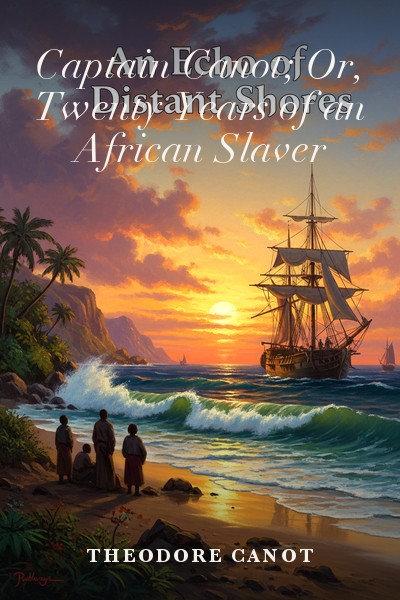
Captain Canot; Or, Twenty Years of an African Slaver by Theodore Canot — Summary, Key Ideas & Full Text
521 pages74 chapters10h 28m read7h 26m speed read✦ 9-min Big ideasFree · no account
Rate it
A harrowing journey through the world of African slavery as seen through the eyes of Captain Canot, revealing the complexities of human nature, survival, and morality in the face of exploitation
In 'Captain Canot; Or, Twenty Years of an African Slaver', Theodore Canot recounts his tumultuous life as a slaver, offering an unflinching look at African societies, the slave trade, and his own moral dilemmas. This gripping narrative not only details Canot's adventures but also provides a rare glimpse into the culture and people of Africa during the early 19th century. Readers will encounter vivid descriptions of the landscapes, the struggles of enslaved people, and the intricate web of relationships among traders, local rulers, and the enslaved. Canot’s story is one of transformation, from an eager youth to a hardened trader, reflecting the moral complexities that arise from participating in such a brutal trade. This book serves as both a historical document and a personal exploration of the human condition amidst suffering and exploitation.
The narrative of 'Captain Canot' serves as a powerful exploration of the complexities of slavery, human relationships, and moral dilemmas. Canot's journey through Africa and his experiences as a slaver provide valuable insights into the historical context of the slave trade, while also prompting critical reflections on the nature of humanity. Through vivid descriptions and personal anecdotes, Canot invites readers to engage with the past, acknowledging the pain and suffering caused by exploitation. Ultimately, this book is not just a historical account; it is a call to understand the enduring impacts of slavery and to foster empathy for those who continue to bear its scars. By confronting these uncomfortable truths, readers are encouraged to reflect on their own values and the legacies of their societies.
“Indeed,—setting aside his career as a slaver,—Dr. Hall's observation convinced him that Canot was a man of unquestionable integrity.”
“My business habits and systematic devotion to the Mongo's interests soon made me familiar with the broad features of 'country trade.”
“I had no time or temper to be idle. In a week, I was on board a Dutch galliot, bound to Havana.”
Read Theodore Canot's work free on Lumina — the complete text plus an 8-minute summary and key ideas, no account needed