1.The Overlooked Importance of Rural Life
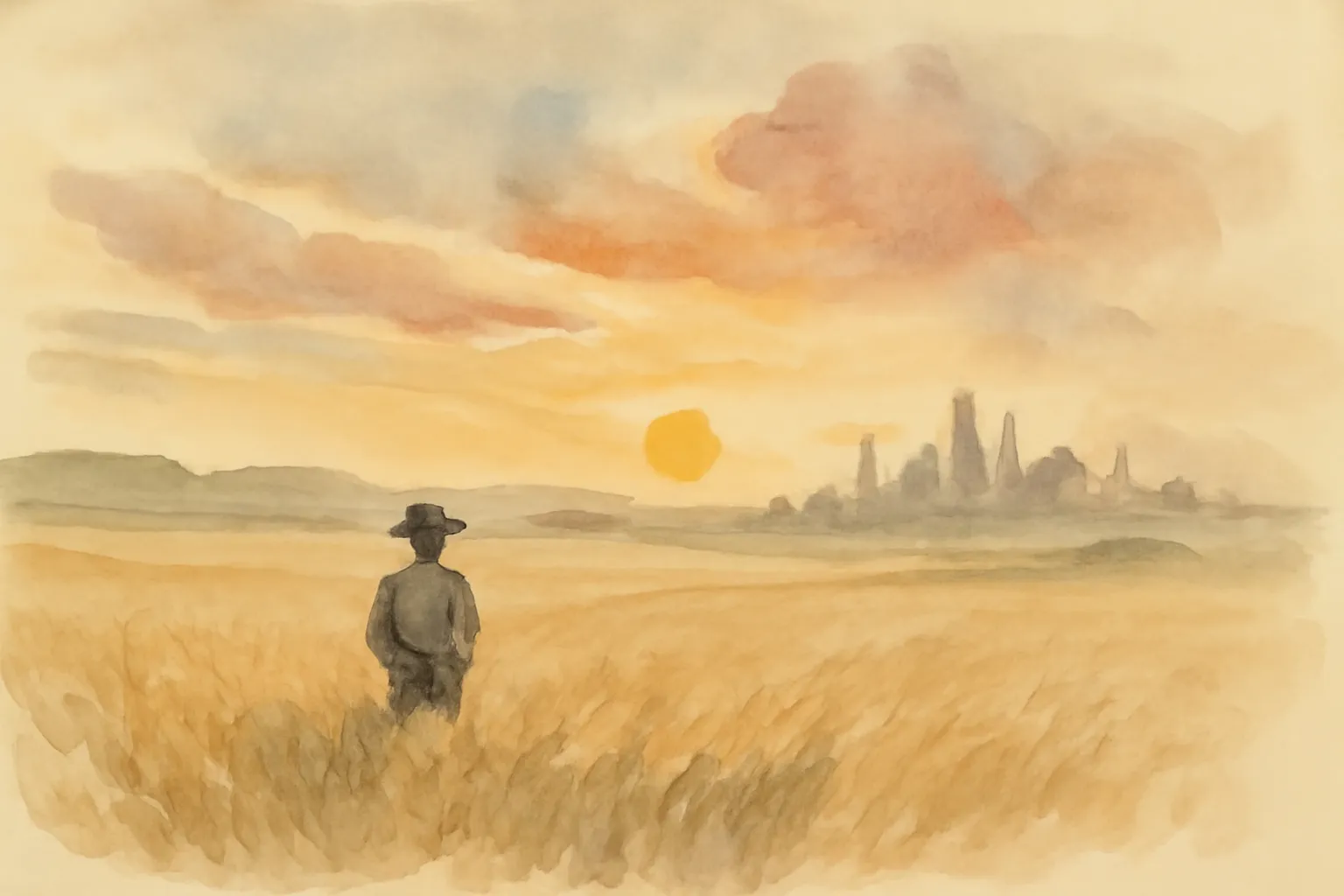
Butterfield emphasizes that the sociological aspects of rural life have been largely neglected by scholars and the general public. Despite urbanization and the rapid growth of cities, a significant portion of the American population still lives in rural areas. Recent discussions around agricultural education and rural social advancement signal a potential shift in public perception about rural life. Acknowledging the complexities of rural living is crucial for anyone seeking a comprehensive understanding of the socio-economic landscape of the nation. The farmer's role in society is a cornerstone of national identity, deeply intertwined with American values of perseverance, hard work, and community. By recognizing these contributions, we can better appreciate the challenges farmers face in adapting to modernity, thus fostering a more nuanced dialogue about rural issues and potential solutions.
2.Misconceptions About Rural Living
One of the core messages in Butterfield's work is the need to dispel common misconceptions about rural life. Many urban dwellers tend to romanticize or simplify the reality of farming, often comparing it unfairly to idealized city life. This leads to a skewed understanding of the difficulties faced by farmers, such as isolation, economic hardship, and social stagnation. Butterfield argues that it is essential to approach rural life with an informed perspective, considering the genuine experiences of those who live and work in these communities. He cautions against painting rural areas with a broad brush, as this can contribute to policies and initiatives that fail to meet real needs. By doing so, we can foster a more nuanced dialogue about rural issues and potential solutions while addressing the disparities between urban and rural experiences.
3.The Need for Progress in Agriculture
Butterfield outlines the pressing need for progress in the agricultural sector, highlighting how the decline in rural population and the rise of urban centers have overshadowed the farm problem. The author presents compelling statistics showing that agriculture still plays a significant role in the American economy, with a considerable portion of the workforce directly involved in farming. Despite the challenges, there has been substantial growth in agricultural wealth and rural population over the last century. For example, Butterfield notes that there was a 500% increase in the value of farm property over just fifty years. This growth underscores the importance of focusing on agricultural innovation and education to ensure that farmers can thrive in a rapidly changing economic landscape. The neglect of agricultural issues in favor of urban-centric policies poses a risk not just to farmers, but to the broader economy, as the health of rural areas impacts urban centers as well.
4.The Emergence of the New Farmer
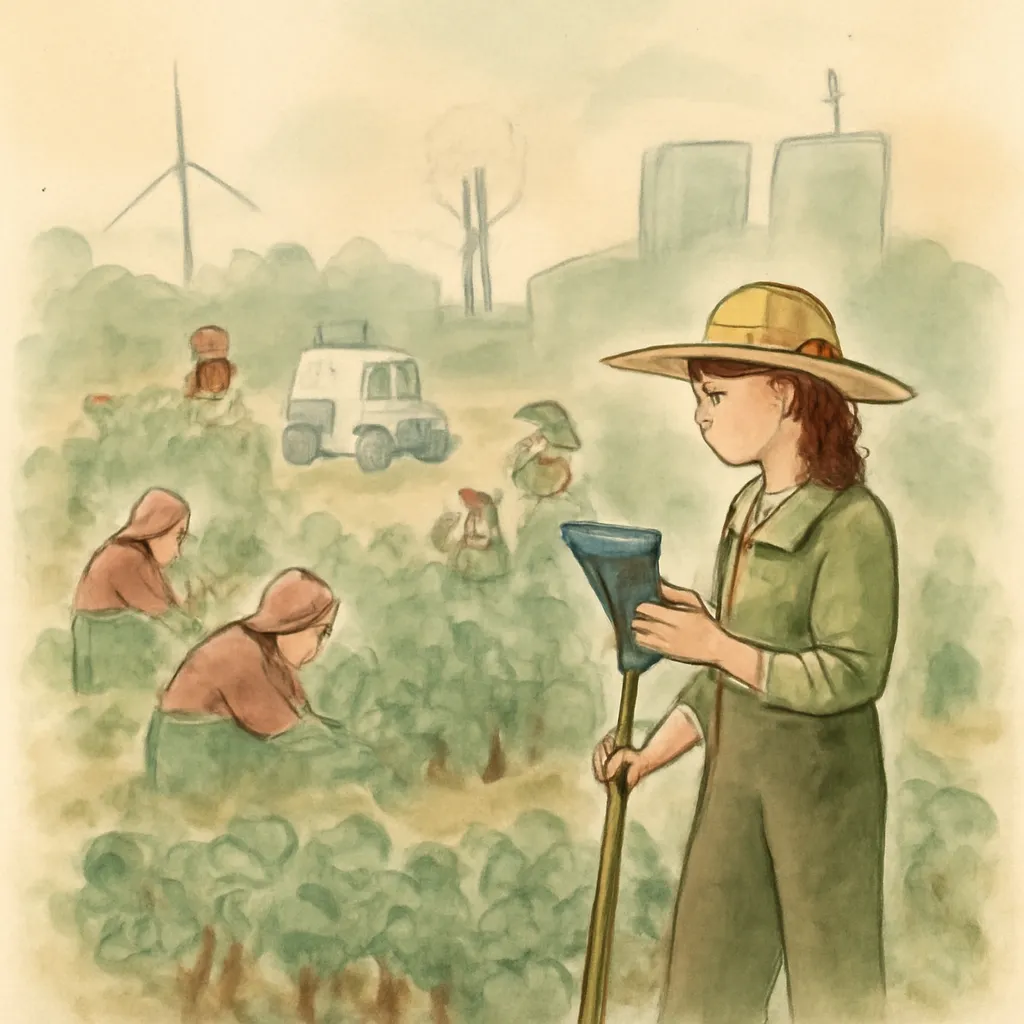
A pivotal theme in Butterfield's analysis is the distinction between the 'old' farmer, the 'new' farmer, and the 'mossback.' The old farmer represents traditional practices and values, while the new farmer embodies modern, progressive approaches to agriculture that leverage science and technology. The mossback, in contrast, clings to outdated methods and resists change, often hindering both personal and community progress. Butterfield argues that the new farmer is essential for the future of agriculture, as they utilize scientific knowledge and business acumen to adapt to contemporary challenges. This shift indicates a broader trend in rural life where innovation and collaboration are becoming increasingly vital for success. By recognizing the characteristics that define these categories, stakeholders can better understand which practices should be promoted and which should be phased out, ensuring that agriculture evolves with the changing times.
5.Cultural Growth Through Agriculture

Butterfield posits that agriculture can serve as a catalyst for personal and cultural growth. He challenges the notion that farming is merely a means to an economic end, arguing instead that it can foster intellectual and moral development. The farmer's work requires a breadth of knowledge, from understanding scientific principles to navigating market dynamics and community relations. This complexity enriches the farmer's life, promoting a holistic growth that extends beyond the field. For instance, the act of farming can instill a sense of responsibility, community connection, and ethical consideration for the land and its resources. By engaging with agriculture, individuals can cultivate a deeper connection to their community and the environment, ultimately leading to a more fulfilling and cultured existence. This cultural growth is not just beneficial for the individual but can have ripple effects throughout the community, enhancing social cohesion and contributing to a more robust rural identity.
6.The Role of Education in Rural Development

Education emerges as a critical component of rural progress throughout Butterfield's work. He highlights the shift towards industrial education, emphasizing the necessity of training individuals for their specific occupations. The establishment of agricultural colleges and extension programs illustrates the growing recognition of education as a vehicle for rural development. Butterfield argues that agricultural education must evolve to incorporate not only technical skills but also social sciences, preparing farmers to navigate the complexities of modern life. This comprehensive educational approach is crucial for equipping farmers with the knowledge and tools they need to innovate and succeed. By investing in education, rural communities can empower individuals to make informed decisions that enhance their agricultural practices and overall quality of life. Education also plays a role in fostering a sense of community among farmers, as shared learning experiences can lead to stronger networks and collaborative efforts.
7.Farmers' Institutes as a Force for Change

Farmers' institutes have emerged as a powerful vehicle for rural education and social progress. These gatherings facilitate the exchange of knowledge between experts and local farmers, addressing practical concerns and fostering a sense of community. The structure of these institutes—combining expert advice with local knowledge—ensures that the information shared is relevant and actionable. Butterfield underscores the importance of these institutions in empowering farmers to improve their practices and adapt to changing conditions. By providing a forum for discussion and learning, farmers' institutes help bridge the gap between scientific advancements and day-to-day farming practices. This grassroots approach also encourages farmers to take ownership of their learning, leading to lasting impacts on agricultural practices and community cohesion. The success of farmers' institutes illustrates the potential for organized efforts to effect meaningful change in rural life.
8.The Hesperia Movement: Bridging the Gap
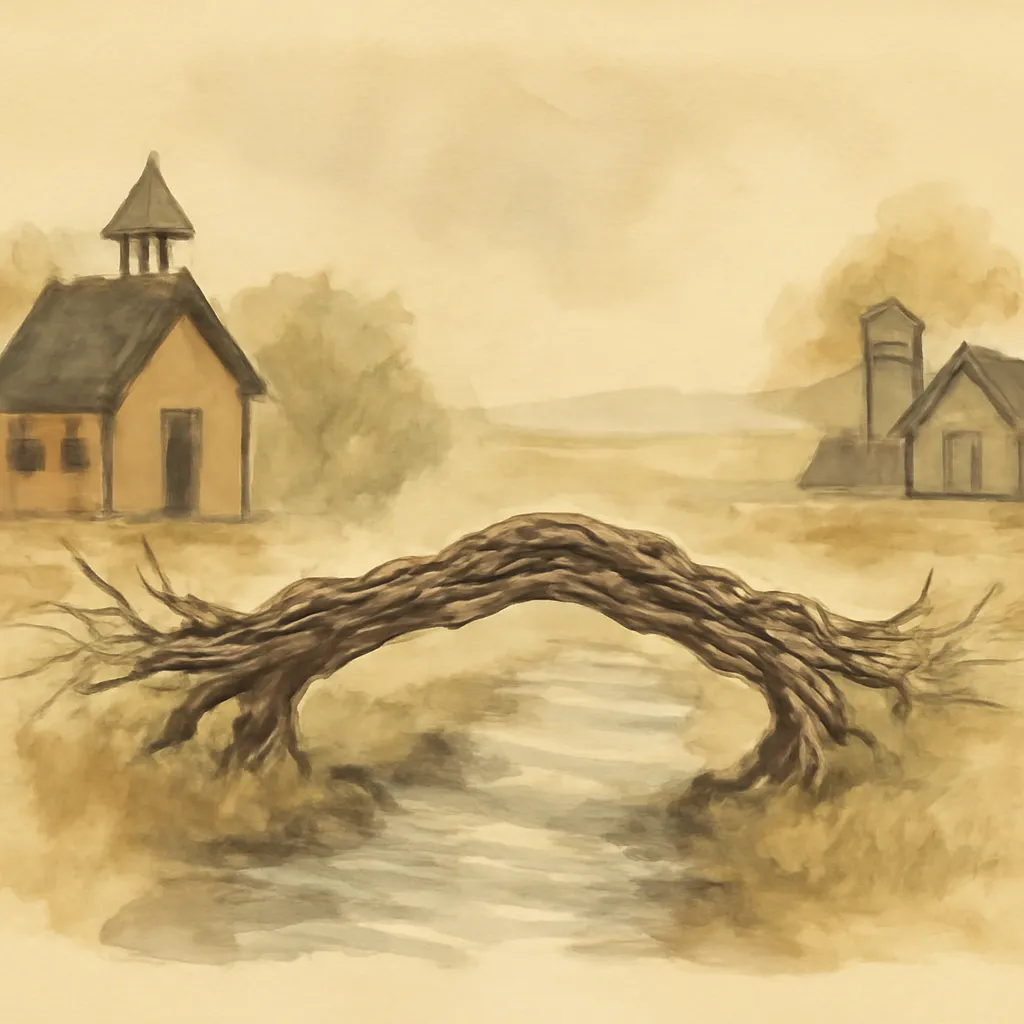
The Hesperia movement serves as a notable example of efforts to strengthen the relationship between educators and rural communities. By organizing Teachers and Patrons' Associations, this initiative aims to foster collaboration between teachers and parents, ultimately enhancing the educational experience for rural students. The movement recognizes the value of community engagement in the educational process, promoting a shared commitment to improving the quality of education in rural areas. Butterfield highlights this grassroots approach as a model for other regions seeking to address the challenges faced by rural schools and communities. The success of the Hesperia movement illustrates how localized efforts can lead to significant improvements in educational outcomes, fostering a sense of shared responsibility among stakeholders. By bridging the gap between home and school, this movement aims to create a more supportive environment for students, encouraging both academic achievement and community involvement.
9.The Role of the Church in Rural Progress
Butterfield examines the church's influence on rural life, arguing that it plays a vital role in fostering community cohesion and social progress. However, he notes that many rural churches struggle to meet the evolving needs of their congregations, often becoming disconnected from the lives of the families they serve. The author advocates for a revitalization of the rural church, emphasizing its potential as a social center that can address broader community issues. By strengthening the church's role in rural life, communities can harness its resources and networks to promote education, social engagement, and overall well-being. The church can serve as a unifying force, creating opportunities for dialogue and collaboration among community members, as well as providing essential support systems for families in need. This revitalization could lead to a more engaged and active rural citizenry, capable of addressing the challenges of modern life.
10.The Grange and Cooperative Efforts
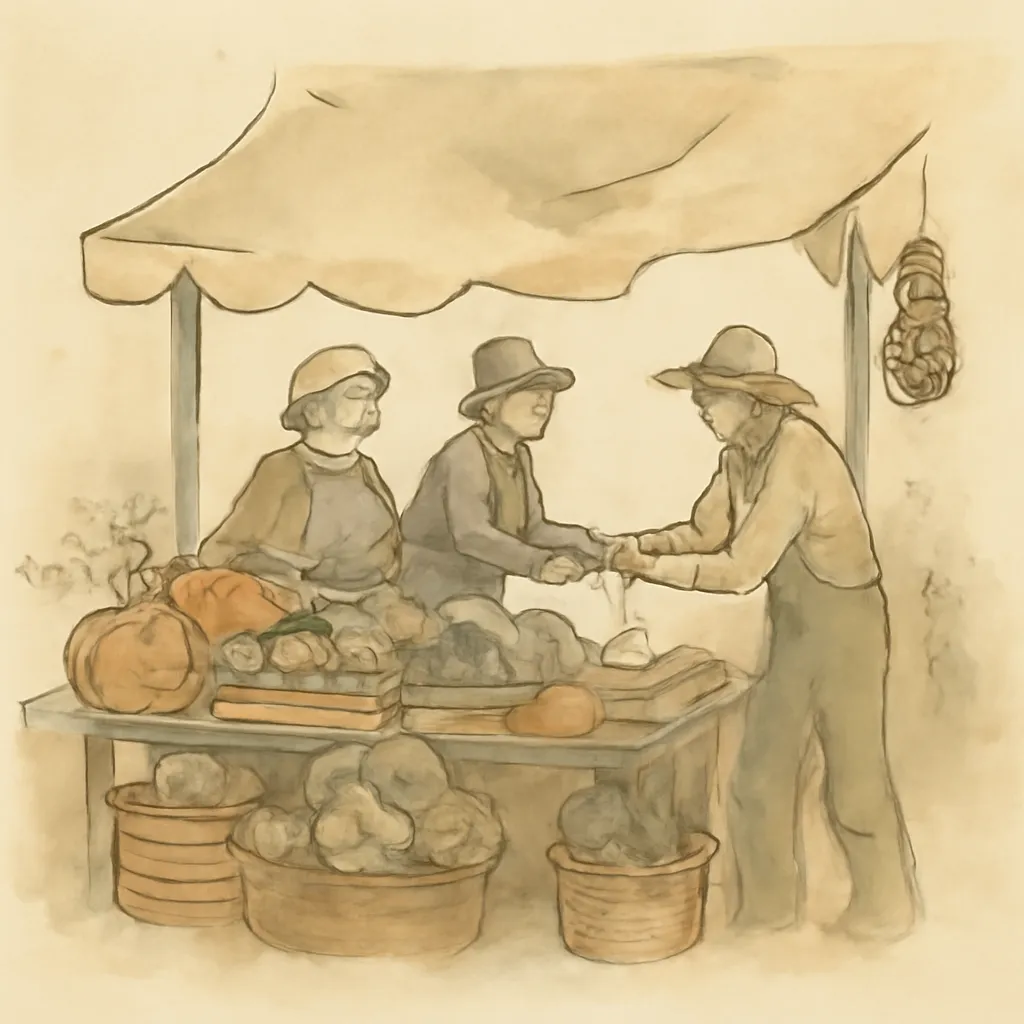
The Grange stands out as a significant organization in the history of rural America, promoting cooperation among farmers for mutual benefit. Despite facing challenges in uniting farmers due to individualism and skepticism, the Grange has made considerable strides in fostering collaboration and advocacy. Butterfield highlights the organization's role in addressing the economic and social needs of farmers, providing a platform for collective action. The resurgence of interest in cooperative efforts indicates a growing recognition of the power of unity in overcoming the challenges faced by rural communities. The Grange's historical impact on agricultural policy and social networking demonstrates that collective efforts can lead to meaningful change. Through cooperation, farmers can negotiate better prices, share resources, and build solidarity within their communities. This organization serves as a testament to the potential of rural communities to adapt and thrive through collaboration.