Fiction
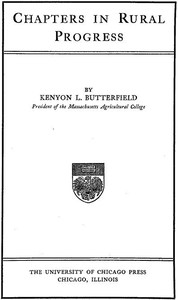
Chapters in Rural Progress by Kenyon L. Butterfield — Summary, Key Ideas & Full Text
156 pages22 chapters3h 8m read2h 13m speed read✦ 9-min Big ideasFree · no account
Rate it
Understanding the Evolution and Challenges of Rural Life in America
In 'Chapters in Rural Progress,' Kenyon L. Butterfield delves into the multifaceted nature of rural life in America, exploring its sociological aspects, economic challenges, and the transformative movements shaping the future of farming communities. Readers will gain insights into the unique struggles faced by rural populations, the importance of education and organization, and the potential for a cultural renaissance in farming practices. This book serves as a call to recognize the significance of rural life in the broader American context, urging a shift in perspective towards the vital contributions of farmers and rural communities. By examining the historical and contemporary factors influencing rural progress, Butterfield provides a roadmap for understanding and improving the lives of those who cultivate the land.
Butterfield's 'Chapters in Rural Progress' serves as a compelling exploration of the complexities and potential of rural life in America. By addressing the multifaceted challenges faced by farmers and advocating for education, cooperation, and community engagement, the book highlights the crucial role that rural areas play in the nation's social and economic fabric. The insights provided invite readers to reconsider the significance of agriculture and rural communities, urging a collective effort towards understanding and improving the lives of those who cultivate the land. As society continues to evolve, the lessons from this work remain relevant, reminding us that progress in rural areas is essential for the overall health of the nation.
“The farmer is of more consequence than the farm and should be first improved.”
“We want trained men that we may have an advancing agricultural art, that we may make every agricultural acre render its maximum.”
“Old things have passed away; all things have become new.”
Read Kenyon L. Butterfield's work free on Lumina — the complete text plus an 8-minute summary and key ideas, no account needed