1.The Price of Utopia
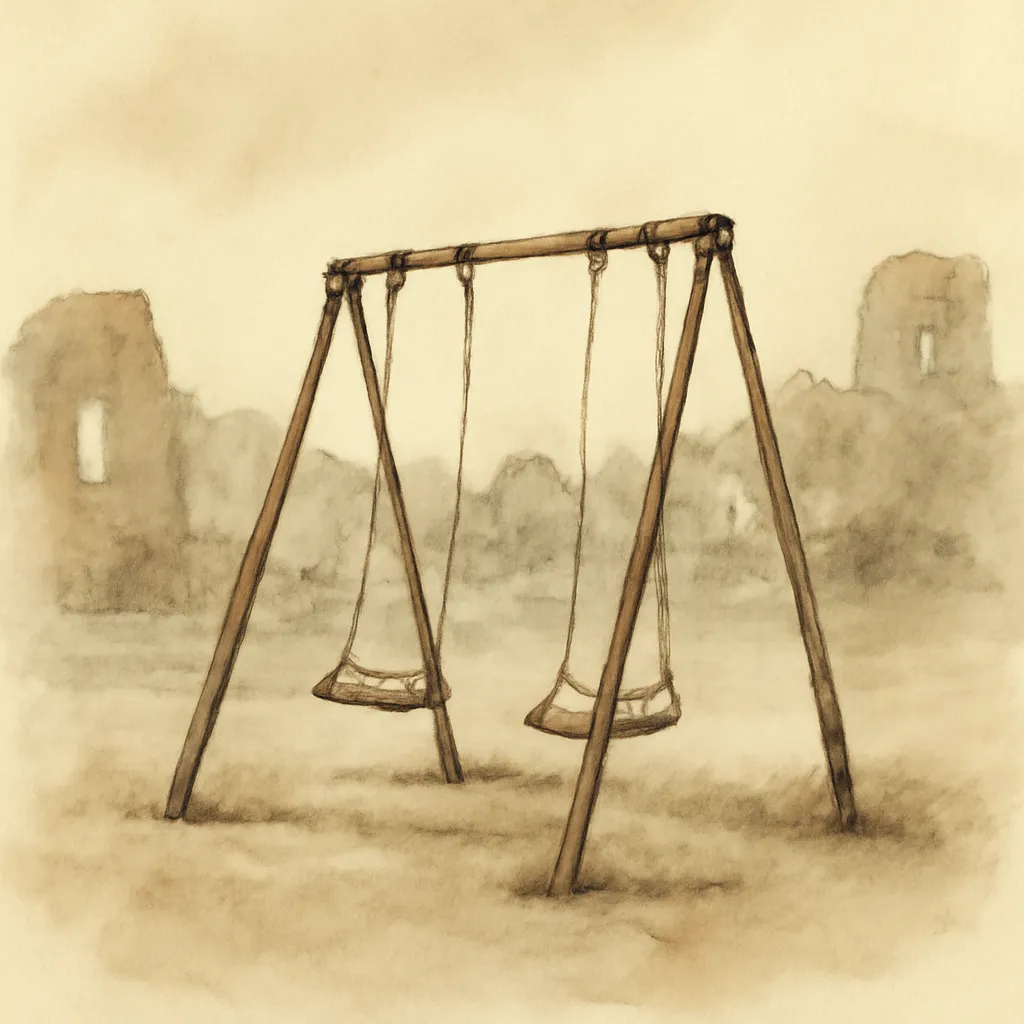
Clarke explores the idea that a perfect society, free from war and want, may come at an unexpected cost: the stagnation of human ambition and creativity. The Overlords' benevolent rule brings peace, but also a sense of purposelessness. Clarke suggests that struggle and adversity are integral to growth, and that a world without them may lose its vitality. The novel raises the question of whether comfort and security are worth sacrificing humanity's drive to explore and imagine.
2.Transcendence and Evolution
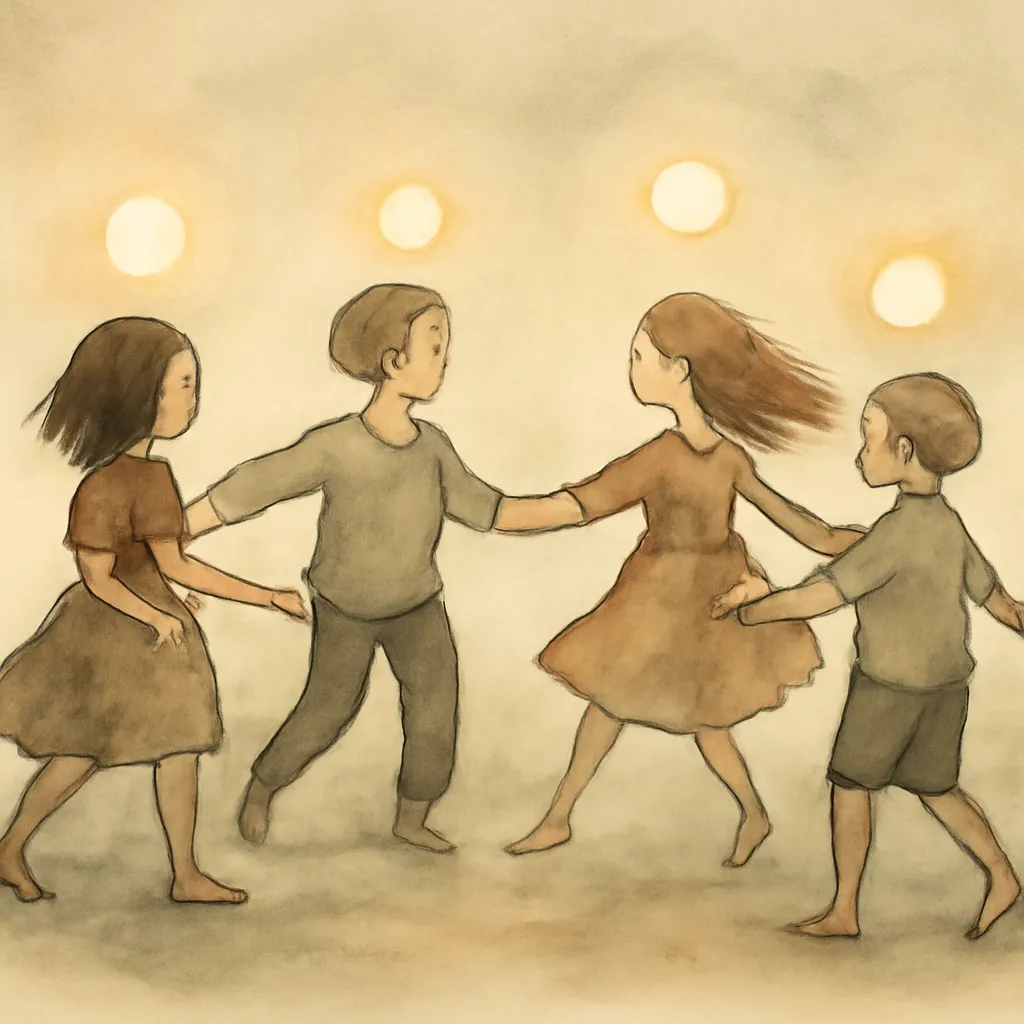
A central theme is the evolution of humanity beyond its current form. The emergence of psychic abilities in children signals a leap to a collective consciousness, orchestrated by forces beyond human understanding. Clarke presents this as both an awe-inspiring and tragic event: humanity's 'childhood' ends as it merges into something greater, but at the cost of individuality and the familiar human experience. The novel asks whether transcendence is a loss or a fulfillment of potential.
3.The Role of the Alien Overlords
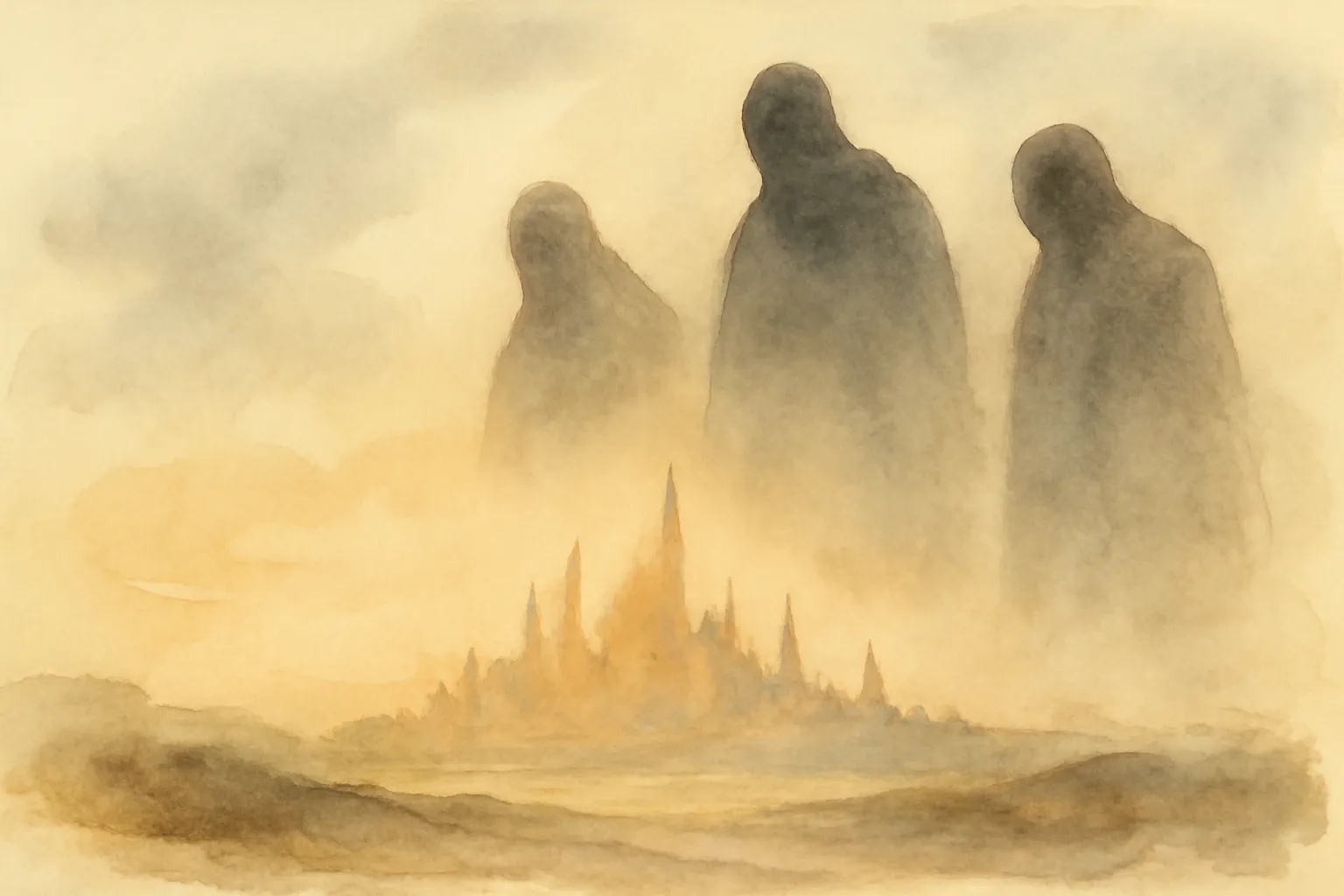
The Overlords serve as both guardians and jailers. Their mysterious origins and motives keep humanity in suspense, and their indirect rule prompts reflection on the nature of authority. Clarke uses the Overlords to explore themes of paternalism, trust, and the limits of understanding between vastly different intelligences. Their inability to join the transcendent journey themselves adds a bittersweet note to their guidance.
4.Science, Mysticism, and the Unknown
Childhood's End blurs the line between science and mysticism. Clarke, known for his scientific rigor, here acknowledges that some aspects of existence may forever elude rational explanation. The transformation of humanity is depicted with both scientific and mystical overtones, suggesting that the ultimate questions—about consciousness, destiny, and the universe—may require both approaches.
5.Identity and Loss
The novel is suffused with a sense of melancholy and loss. As the old world fades and a new form of existence emerges, individuals grapple with the meaning of their lives and the disappearance of everything familiar. Clarke poignantly depicts the bittersweet nature of progress: every gain entails a letting go, and the end of humanity as we know it is both a tragedy and a necessary step.
6.The Limits of Human Perspective
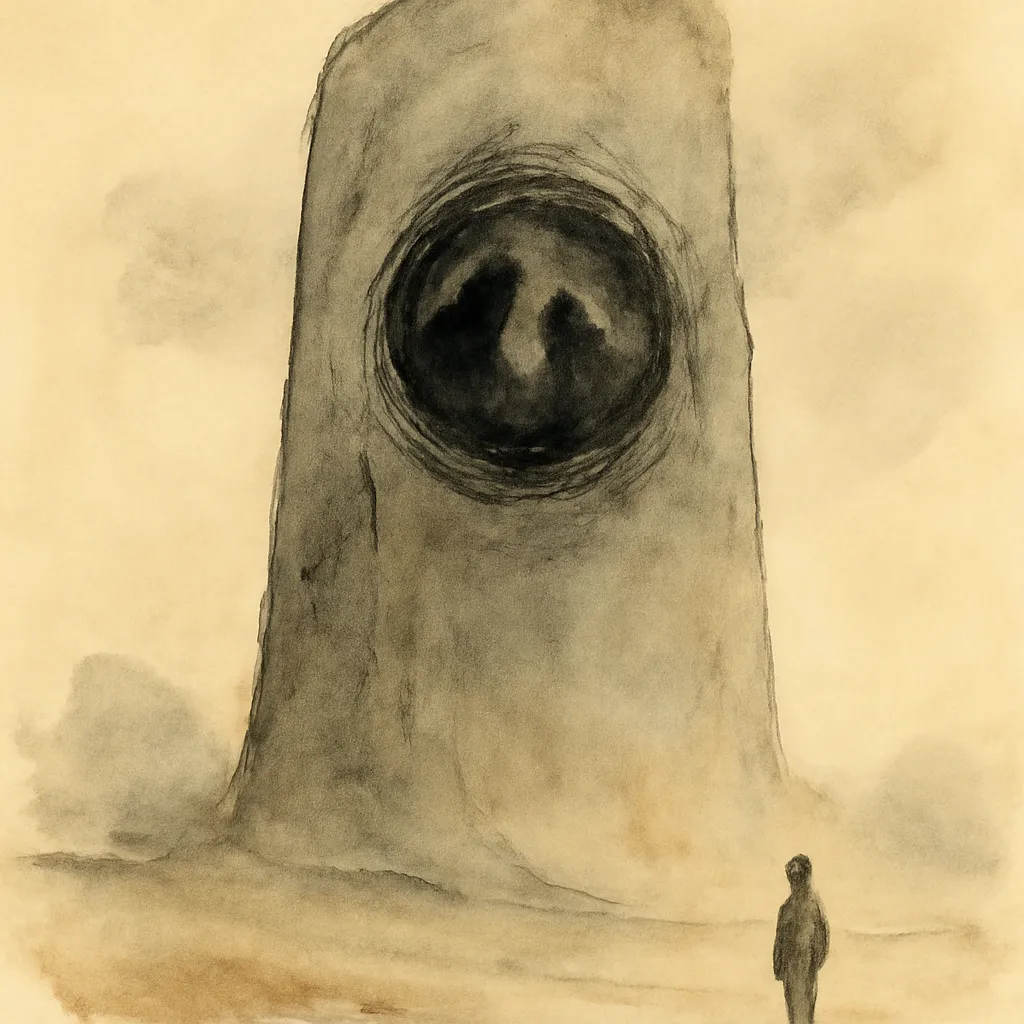
Throughout the novel, Clarke emphasizes how limited human understanding is when confronted with cosmic forces and destinies. The Overlords themselves are intermediaries, not the ultimate powers, and even they are denied the final mysteries. This humility before the unknown is a hallmark of Clarke's worldview, encouraging readers to question and to accept uncertainty.