1.Two Modes of Thinking
The book introduces the concept that human thought operates in two systems: a fast, intuitive mode and a slow, deliberate one. Our 'fast' thinking is automatic and efficient for everyday decisions, but it can lead to systematic errors. The 'slow' system is more logical and effortful, kicking in for complex problems. Recognizing which system is at play helps us understand when our instincts serve us well and when they may lead us astray.
2.The Power of Framing
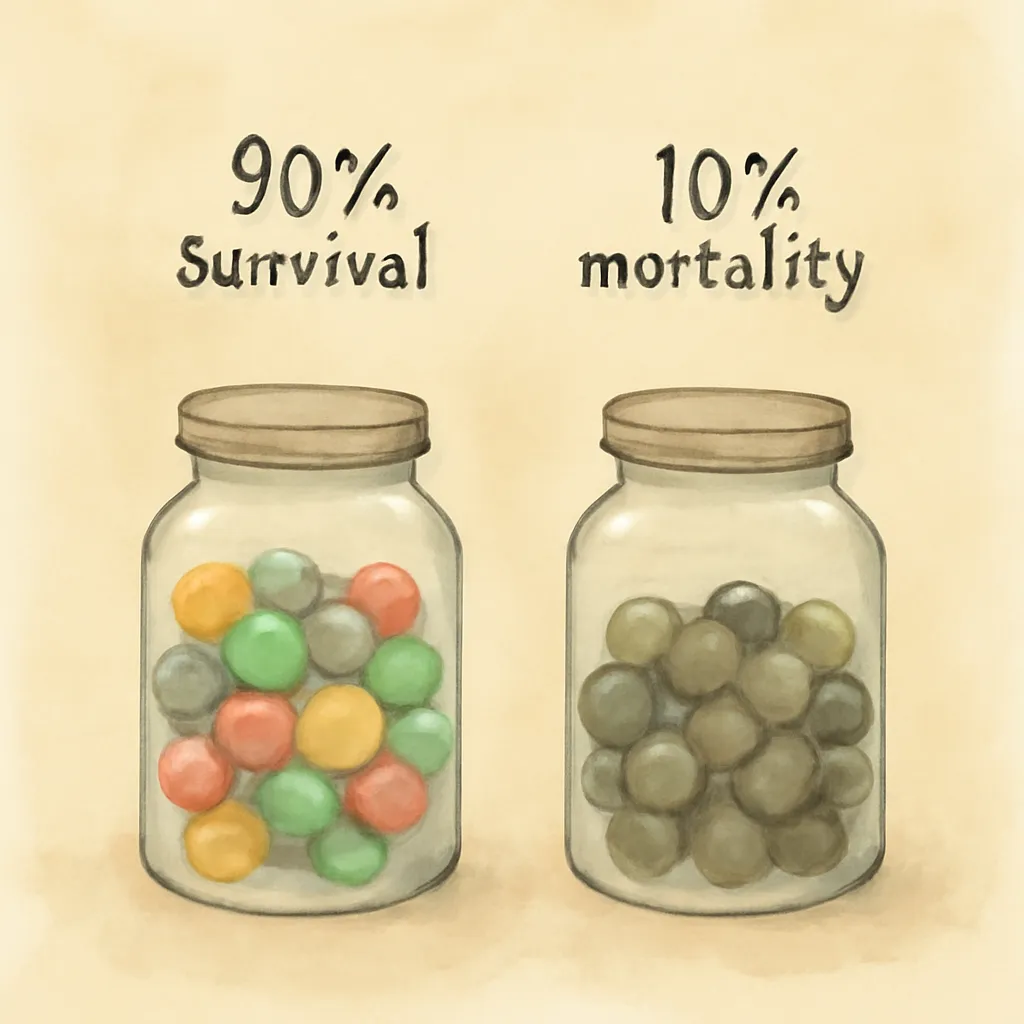
How choices are presented—their 'frame'—can dramatically alter our decisions, even when the underlying facts remain unchanged. For example, people react differently to a medical treatment described as having a 90% survival rate versus a 10% mortality rate. This framing effect reveals that our preferences are not always stable or rational, but highly sensitive to context.
3.Prospect Theory and Loss Aversion
Building on Kahneman and Tversky’s research, the book explains prospect theory: we value gains and losses differently, feeling the pain of losses more acutely than the pleasure of equivalent gains. This loss aversion shapes everything from investment decisions to everyday purchases, often leading us to avoid risks even when they might be beneficial.
4.Anchoring and Adjustment
Our judgments are often unduly influenced by initial information or 'anchors,' even when those anchors are arbitrary. For instance, being shown a high price first can make a subsequent offer seem more reasonable. This heuristic can be exploited in negotiations and marketing, so being aware of it can help us make more objective decisions.
5.The Illusion of Control
People often overestimate their ability to influence outcomes, especially in situations governed by chance. This illusion of control can lead to overconfidence in areas like investing or gambling. Recognizing this bias can help temper unrealistic expectations and lead to more prudent decision-making.
6.Intuition vs. Analysis
While intuition can be powerful, especially in areas where we have expertise, the book cautions against relying on gut feelings in unfamiliar or complex situations. Analytical thinking, though slower and more taxing, is crucial for avoiding common cognitive traps and making sound judgments.