1.The Importance of Presentation in History
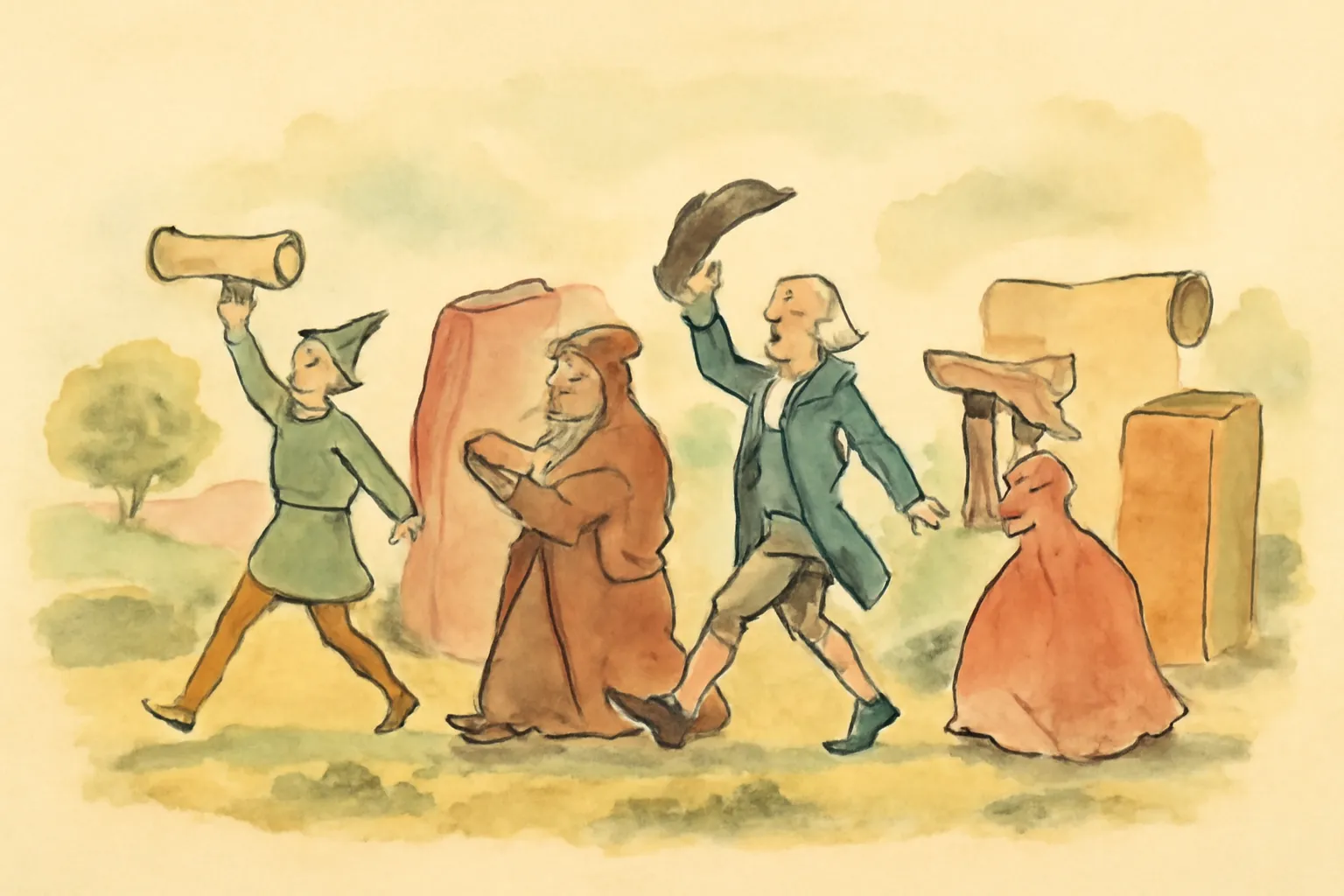
Nye emphasizes that raw facts alone lack the appeal necessary to engage the public. He draws a parallel between facts and children, suggesting that just as children require proper clothing to be presentable, so too do facts need embellishment to capture interest. This notion of 'dressing' history is crucial; it allows readers to connect emotionally with events and figures, making history not just a record of actions but a narrative full of life and color. By presenting history in a humorous light, Nye aims to humanize it, transforming the past into a relatable story that resonates with contemporary audiences. He believes that the artist's role is to beautify these facts, ensuring they are not merely remembered but felt and understood. Nye's approach challenges the traditional academic treatment of history, advocating for a narrative that is as engaging as it is informative.
2.Columbus: The Misunderstood Hero
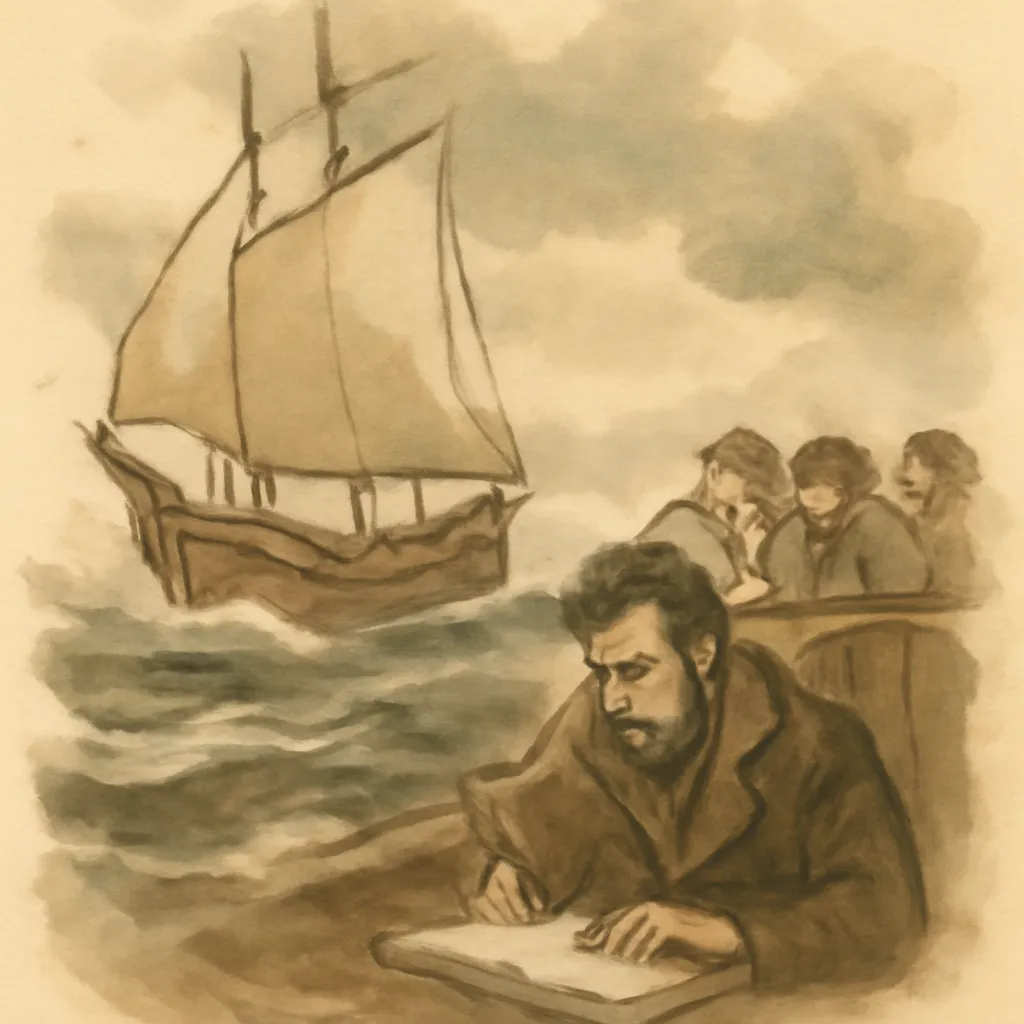
Christopher Columbus is often celebrated as the discoverer of America, yet Nye highlights the less savory aspects of his legacy. He points out Columbus's deceptive practices, such as falsifying his logbook to prevent his sailors from realizing how far they had traveled. This act of dishonesty casts a shadow over his achievements, suggesting that even great historical figures can have flaws. Nye uses Columbus's story to illustrate the complexities of historical narratives, showing that the truth is often more nuanced than the heroic tales we are taught. Additionally, he discusses the naivety with which Columbus approached the New World, believing it would be a simple affair where gold could be collected without consequence. By exposing these contradictions, Nye encourages readers to think critically about the figures they idolize and the stories that shape their understanding of history. He reminds us that the legacy of Columbus is not just one of discovery but also of exploitation and misunderstanding, urging a more balanced view of historical figures.
3.The Puritans: Pioneers of American Morality
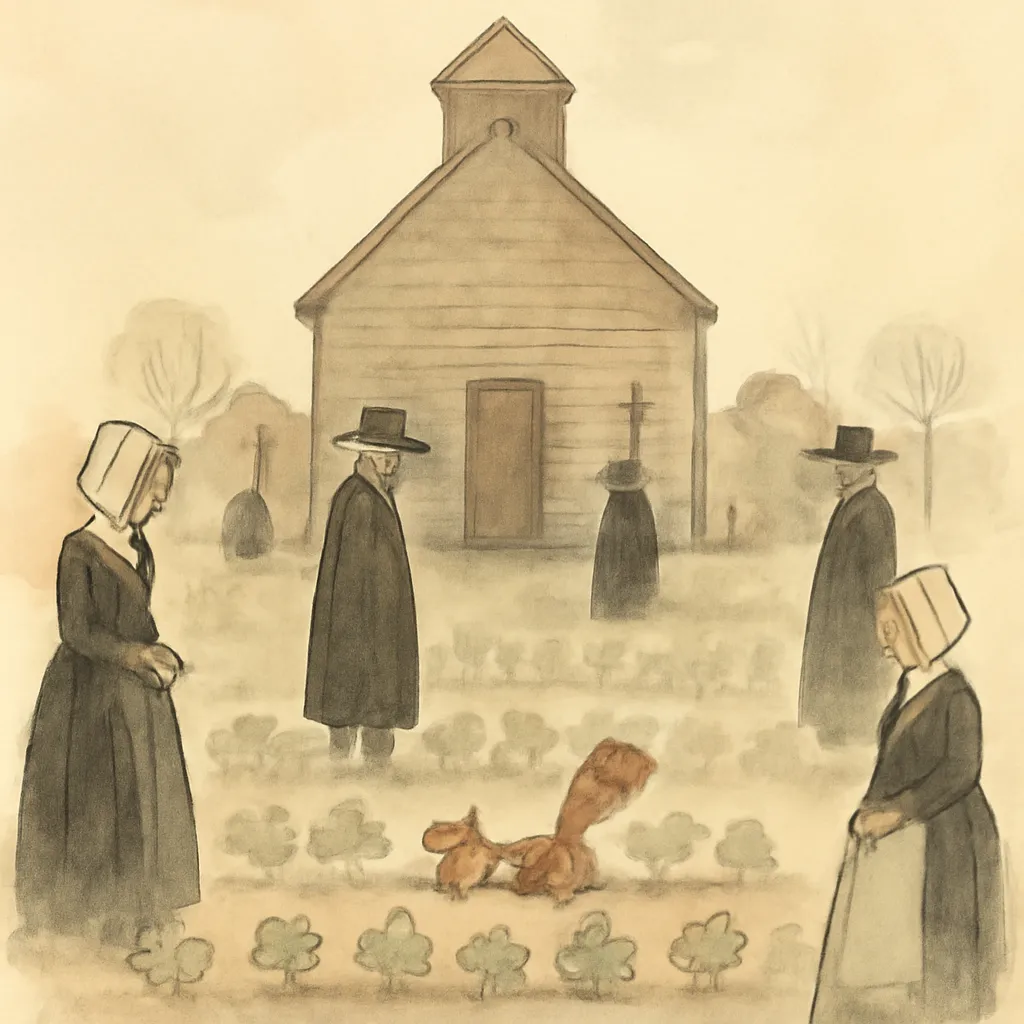
The arrival of the Puritans in Massachusetts marks a significant chapter in American history, one that Nye treats with a blend of reverence and humor. He depicts the Puritans as earnest individuals seeking a place to worship freely, but also as somewhat misguided in their rigid moral beliefs. Their trade with Native Americans, often involving the exchange of alcohol for land, is portrayed as both practical and morally questionable. Nye captures the duality of their existence: while they sought to create a utopia based on piety, their actions often contradicted their values. He humorously illustrates their attempts to impose their moral standards on a diverse environment, highlighting the absurdity of their interactions with Indigenous populations. This exploration of the Puritans serves as a reminder of the complexities of cultural exchange and the often contradictory nature of human behavior. By presenting the Puritans in this light, Nye opens a dialogue about religious zealotry and its implications in shaping American society.
4.The Role of Women in Early Colonial Life
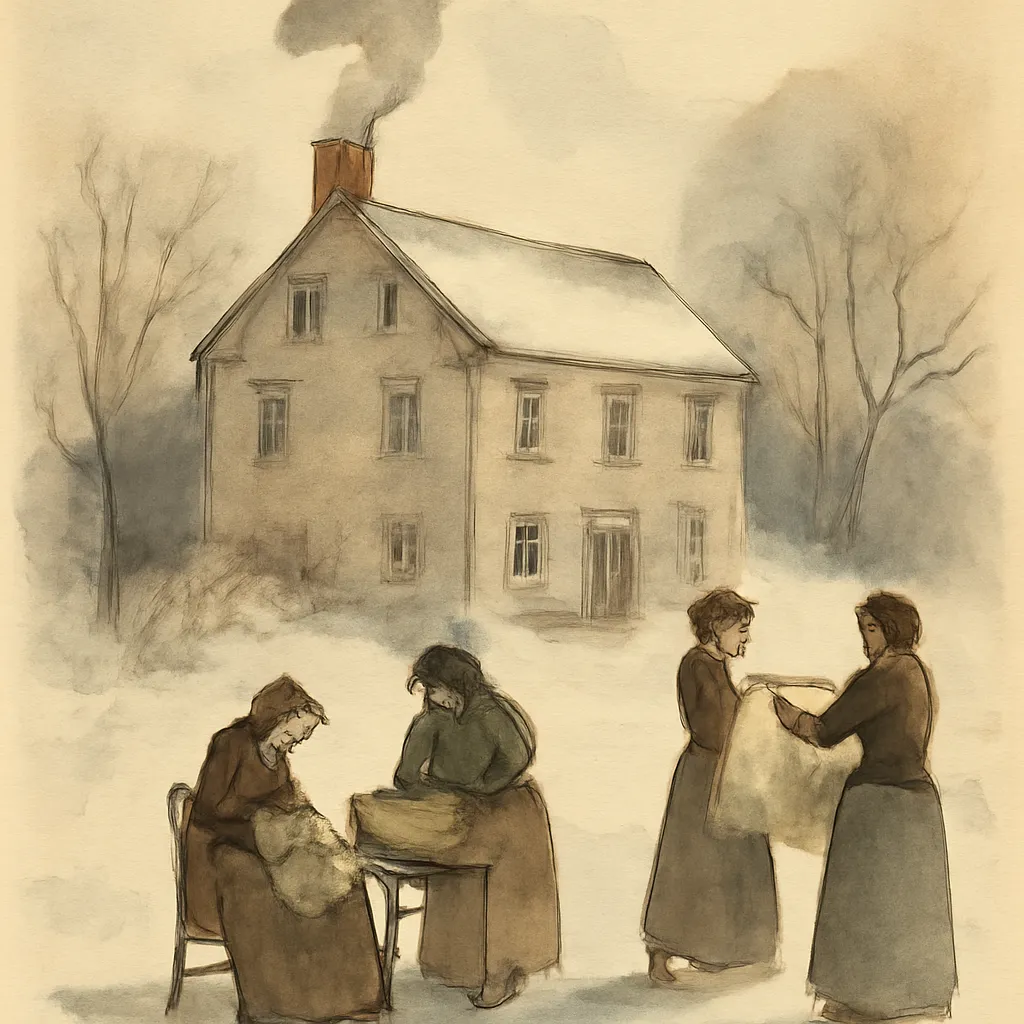
Nye sheds light on the vital yet often overlooked role women played in the early colonies. Despite the harsh conditions and societal constraints, women were the backbone of colonial life, managing households and supporting their families through adversity. He highlights the resilience and resourcefulness of these women, who not only nurtured their families but also contributed to the community's survival. Nye recounts stories of women who tended to their farms, cared for children, and even participated in trade to keep their families afloat during tough times. Their labor was essential in the face of scarcity and conflict, as they maintained the social fabric while their husbands engaged in warfare or trade. By recognizing women's contributions, Nye challenges the traditional narratives that often marginalize their roles, advocating for a more inclusive understanding of history. He urges readers to appreciate the often-unseen labor that laid the groundwork for the nation's development.
5.The Indian Wars: A Tragic Conflict

The conflicts between Native Americans and colonists are depicted with a blend of irony and sorrow. Nye illustrates how colonists, often viewing themselves as victims, engaged in violent confrontations with Indigenous peoples whose land they encroached upon. He references King Philip's War, highlighting the brutality and devastation that characterized these encounters. This portrayal serves to remind readers of the tragic consequences of colonization, where the quest for land and resources led to the suffering of countless individuals. Nye's treatment of this subject invites reflection on the ongoing impacts of these historical injustices and encourages a dialogue about reconciliation and understanding. He emphasizes that the narrative of conflict is not one-sided; both sides experienced loss and suffering, and acknowledging this complexity is crucial for a complete understanding of American history. By presenting the Indian Wars in this way, Nye highlights the moral ambiguities of expansion and the need for empathy in historical discourse.
6.The Revolutionary War: A Comedy of Errors
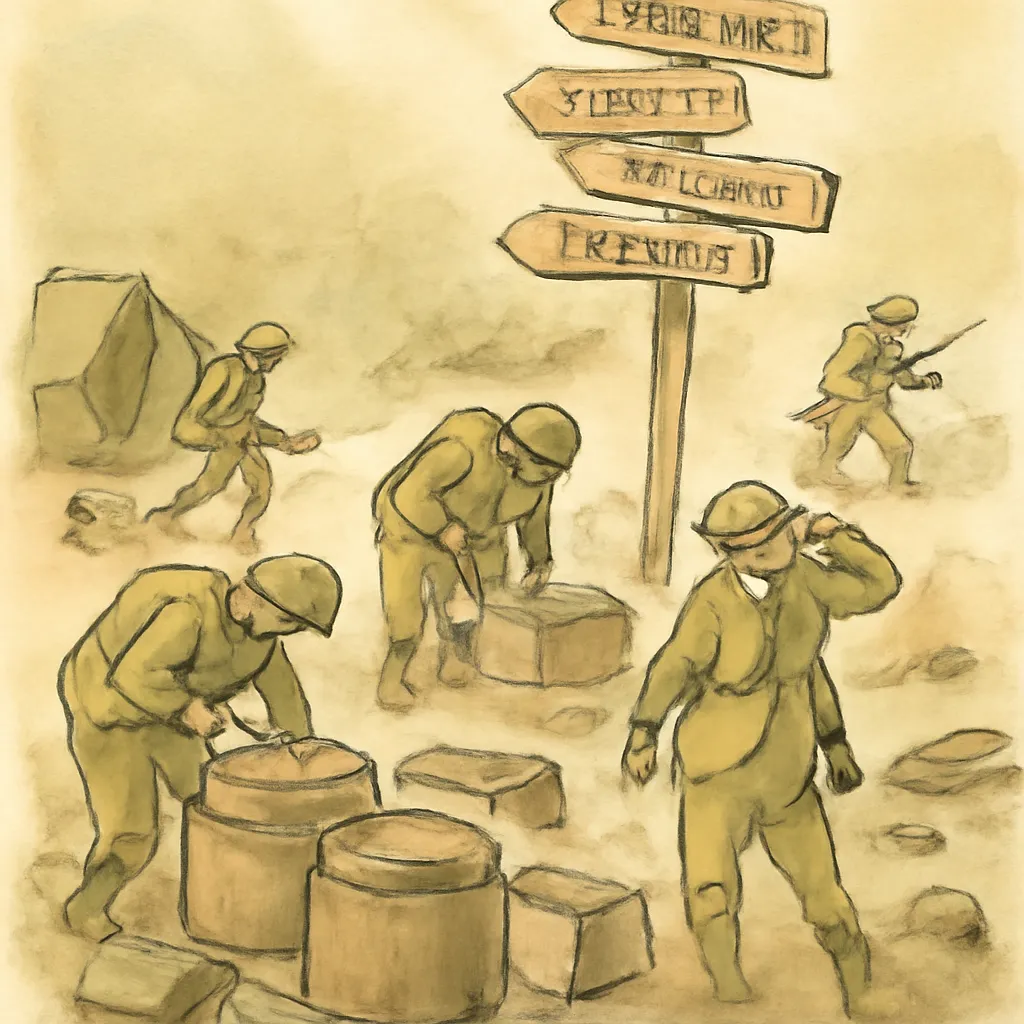
Nye presents the Revolutionary War as a series of blunders and miscalculations, injecting humor into the tales of American resilience. He recounts key events with a light-hearted tone, emphasizing the absurdities of war, such as the lack of proper supplies and the disorganization of the Continental Army. Washington's leadership is celebrated, but Nye also highlights the challenges he faced, including poorly equipped troops and strategic missteps. Anecdotes of soldiers engaging in humorous banter and making do with what little they had serve to illustrate the human side of the conflict. This comedic lens allows readers to appreciate the gravity of the struggle for independence while recognizing the human element of those involved. By framing the war in this way, Nye underscores the idea that even in the face of adversity, humor can be found, and the spirit of perseverance can shine through. He suggests that laughter, even amidst war, can provide relief and foster camaraderie among those fighting for a common cause.
7.The Birth of the Constitution: A Compromise of Ideals
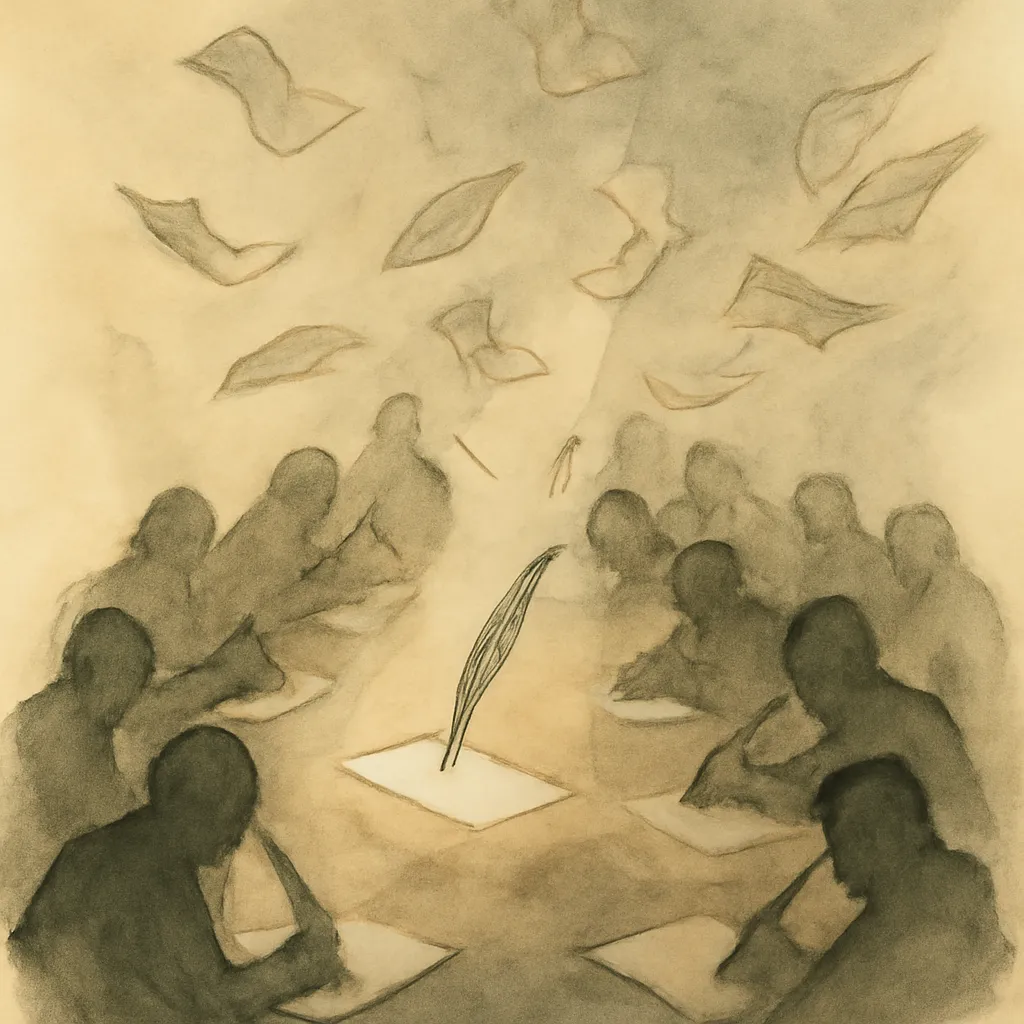
The creation of the U. S. Constitution is portrayed as a complex interplay of ideals and compromises. Nye emphasizes the debates and disagreements among the Founding Fathers, showcasing their differing visions for the new nation. He describes the contentious meetings that shaped the document, illustrating how personal ambition, regional interests, and philosophical beliefs clashed. This process of negotiation reflects the challenges of creating a government that balanced various interests and perspectives. Nye's narrative reveals that the Constitution was not a perfect document but rather a product of its time, shaped by the realities of the political landscape. He draws attention to the compromises made, such as the Great Compromise and the Three-Fifths Compromise, which revealed the underlying tensions regarding representation and slavery. This perspective encourages readers to appreciate the ongoing evolution of governance and the importance of compromise in democratic societies. Nye's exploration of the Constitution also serves as a reminder that the principles of governance are not static; they must adapt to the changing needs of society.
8.The Expansion West: Manifest Destiny and Its Consequences
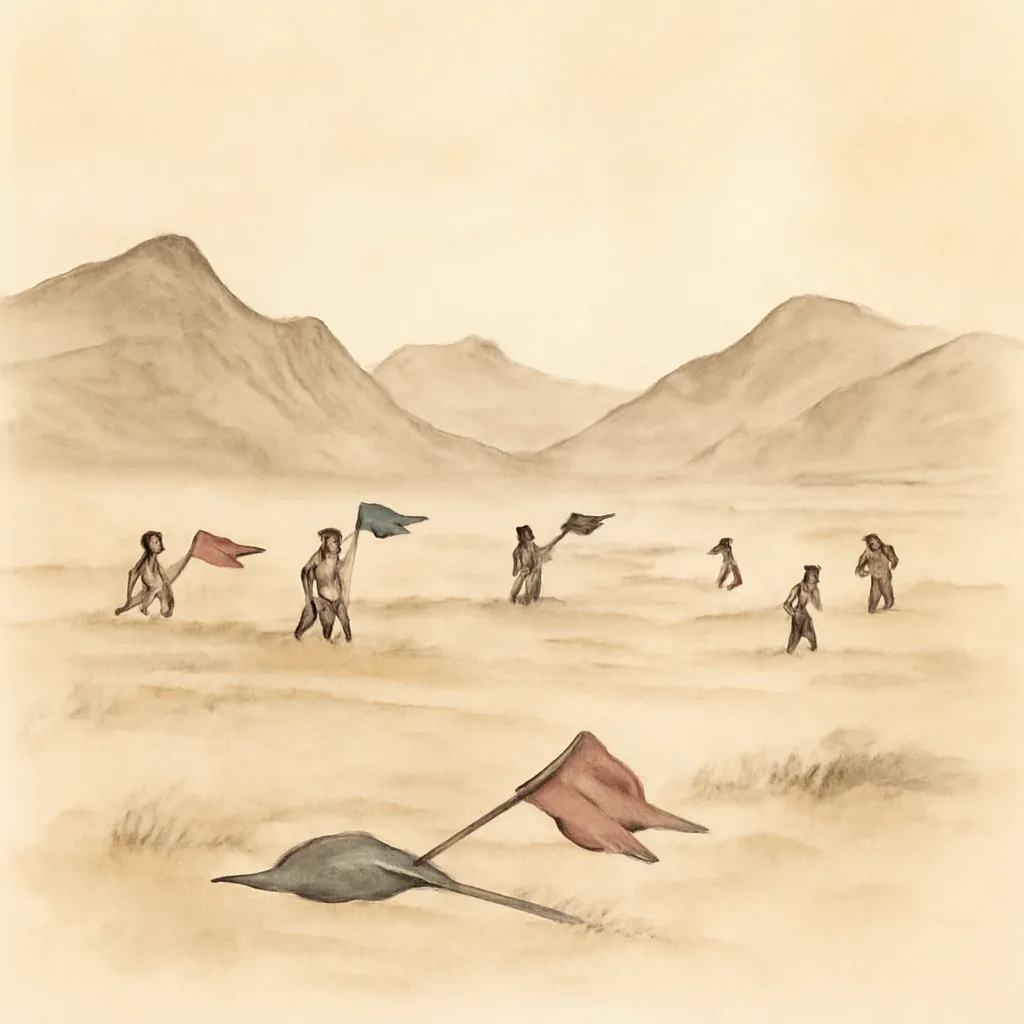
The idea of Manifest Destiny, the belief that Americans were destined to expand across the continent, is examined through a critical lens. Nye illustrates the fervor with which this ideology was embraced, often at the expense of Indigenous populations and other nations. He depicts the westward expansion as a double-edged sword, leading to economic growth and development while simultaneously resulting in displacement and violence against Native Americans. Nye discusses key figures like Pioneers, who, driven by the desire for land and opportunity, often ignored the rights and humanity of the Indigenous inhabitants. This exploration of Manifest Destiny highlights the moral complexities of American expansionism, prompting readers to consider the consequences of such beliefs and the historical narratives that have emerged from them. Nye's treatment of this theme serves as a reminder of the responsibility that comes with power and the need for ethical considerations in the pursuit of progress.
9.The Civil War: A Nation Divided
Nye's treatment of the Civil War captures the profound divisions within the nation as well as the complexities of the conflict. He delves into the underlying issues of slavery and states' rights, presenting them with a blend of humor and gravity. The war is depicted not merely as a clash of armies but as a struggle for the soul of the nation. Nye highlights the absurdities of war, such as the incompetence of some military leaders, while also acknowledging the bravery and sacrifice of countless soldiers. He recounts the struggles of both the Union and Confederate troops, emphasizing that the soldiers on both sides faced harrowing conditions and moral dilemmas. This duality serves to remind readers that war is not simply a series of battles but a human experience filled with pain, loss, and resilience. By humanizing the soldiers and their struggles, Nye fosters a greater appreciation for the sacrifices made during this pivotal moment in history.
10.Reconstruction: The Aftermath of War
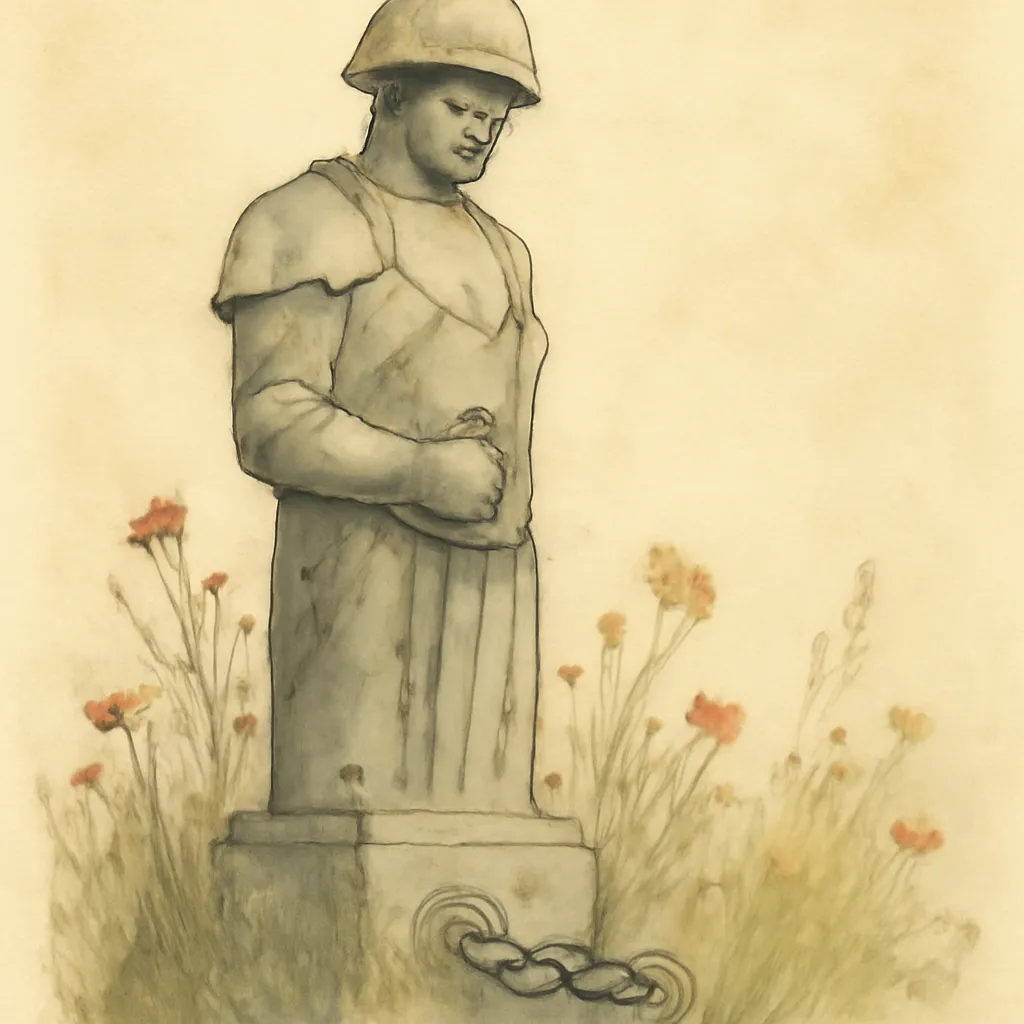
The Reconstruction era is presented as a tumultuous period filled with hope and disillusionment. Nye captures the complexities of reintegrating the Southern states into the Union and addressing the rights of newly freed slaves. He emphasizes the challenges faced by both the government and the people during this time, including violent resistance from those opposed to change. Through anecdotes of individuals fighting for their rights and the struggles of African Americans to secure their freedoms, Nye highlights the ongoing battles for equality and justice. This exploration of Reconstruction highlights the ongoing struggles for equality and justice that continue to resonate in contemporary society. Nye's narrative encourages readers to reflect on the lessons of this era and the importance of striving for a more inclusive and equitable nation. By framing Reconstruction as a critical period in American history, Nye underscores the need for ongoing dialogue about race, rights, and representation.
11.The Legacy of American History
In the closing chapters, Nye reflects on the overarching themes of American history, emphasizing the interplay between triumph and tragedy. He argues that understanding history requires acknowledging both the achievements and the failures of the past. By presenting history as a dynamic narrative shaped by the actions of individuals, Nye encourages readers to engage with their own history actively. He posits that history is not just a series of events but a living tapestry that continues to influence the present and future. This perspective fosters a sense of responsibility among readers to learn from the past and work towards a more just and equitable society. Nye concludes with a call to action, urging readers to continue exploring their history, engage in conversations about its implications, and participate in shaping a better future.