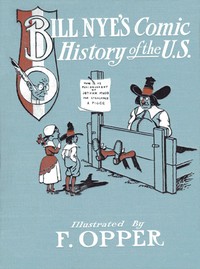

Bill Nye's 'Comic History of the United States' transforms the dry facts of American history into a vibrant, humorous narrative that engages and entertains
Read full overviewShow less›
In 'Comic History of the United States', Bill Nye takes readers on a whimsical journey through the annals of American history, blending facts with humor to create an engaging narrative that breathes life into historical events. Far from being a mere recitation of dates and figures, this book humanizes historical figures, presenting them not just as names in textbooks but as real people with quirks, ambitions, and flaws. By employing satire and vivid storytelling, Nye invites readers to reconsider the past, offering a fresh perspective on events that shaped the nation. Expect to encounter the absurdities and triumphs of American history, all while enjoying a good laugh at the foibles of those who came before us.
Bill Nye's 'Comic History of the United States' invites readers to explore the past through a humorous lens, encouraging a deeper understanding of the complexities of American history. By blending facts with wit, Nye humanizes historical figures and events, making them relatable and engaging. The book challenges us to reflect on the contradictions and struggles that have shaped the nation, fostering a dialogue about the ongoing pursuit of justice and equality. Ultimately, Nye's work serves as a reminder that history is not just a record of what has happened but a living narrative that continues to influence our lives today.
- 1The Importance of Presentation in History
- 2Columbus: The Misunderstood Hero
- 3The Puritans: Pioneers of American Morality
- 4The Role of Women in Early Colonial Life
- 5The Indian Wars: A Tragic Conflict
Notable quotes
“Facts in a nude state are not liable criminally, any more than bright and beautiful children commit a felony by being born thus.”
“History is but the record of the public and official acts of human beings.”
“We want to see them embellished and beautified.”
A glimpse inside

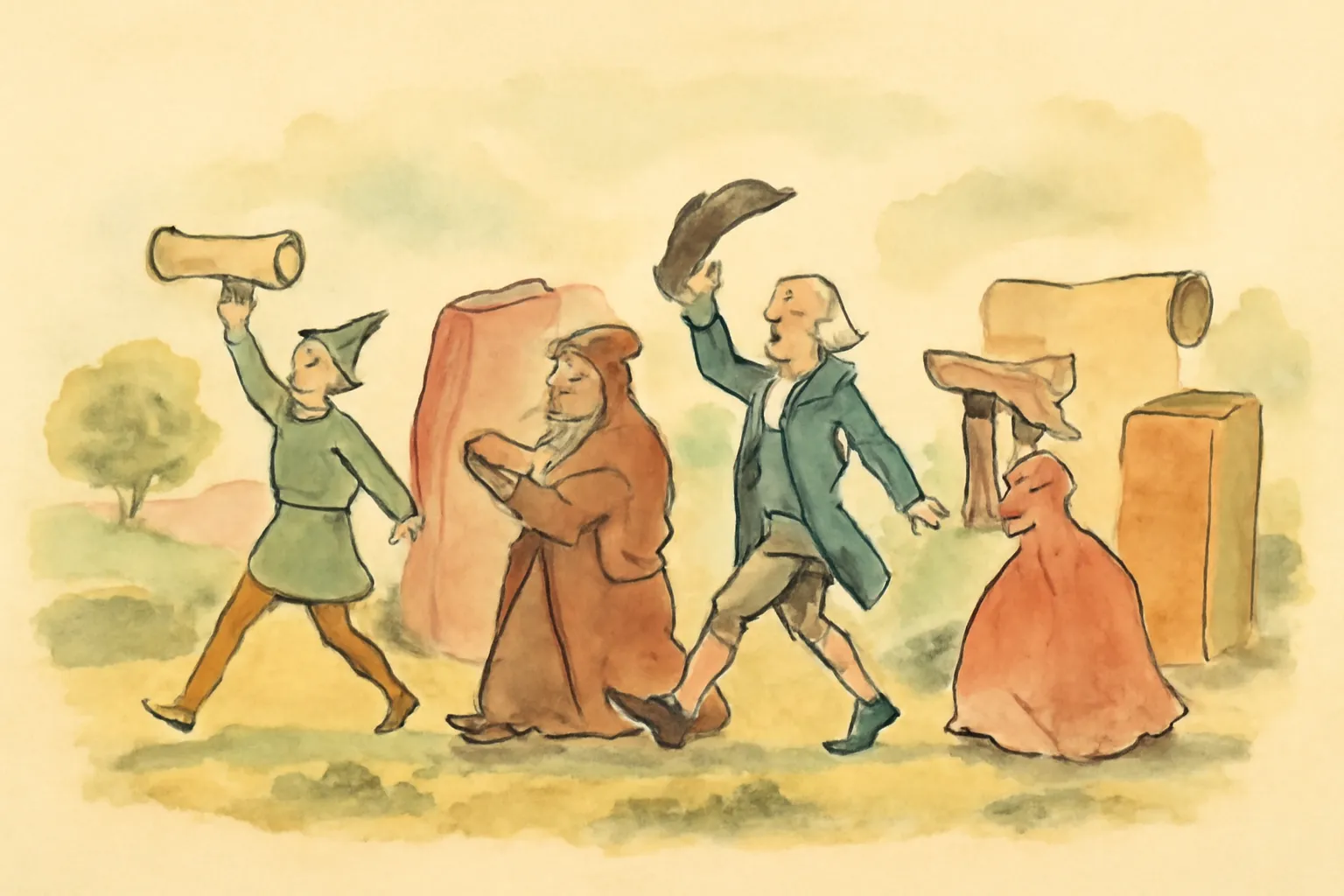
Nye emphasizes that raw facts alone lack the appeal necessary to engage the public. He draws a parallel between facts and children, suggesting that just as children requi… Read moreNye emphasizes that raw facts alone lack the appeal necessary to engage the public. He draws a parallel between facts and children, suggesting that just as children require proper clothing to be presentable, so too do facts need embellishment to capture interest. This notion of 'dressing' history is crucial; it allows readers to connect emotionally with events and figures, making history not just a record of actions but a narrative full of life and color. By presenting history in a humorous light, Nye aims to humanize it, transforming the past into a relatable story that resonates with contemporary audiences. He believes that the artist's role is to beautify these facts, ensuring they are not merely remembered but felt and understood. Nye's approach challenges the traditional academic treatment of history, advocating for a narrative that is as engaging as it is informative. Show less
Christopher Columbus is often celebrated as the discoverer of America, yet Nye highlights the less savory aspects of his legacy. Read moreChristopher Columbus is often celebrated as the discoverer of America, yet Nye highlights the less savory aspects of his legacy. He points out Columbus's deceptive practices, such as falsifying his logbook to prevent his sailors from realizing how far they had traveled. This act of dishonesty casts a shadow over his achievements, suggesting that even great historical figures can have flaws. Nye uses Columbus's story to illustrate the complexities of historical narratives, showing that the truth is often more nuanced than the heroic tales we are taught. Additionally, he discusses the naivety with which Columbus approached the New World, believing it would be a simple affair where gold could be collected without consequence. By exposing these contradictions, Nye encourages readers to think critically about the figures they idolize and the stories that shape their understanding of history. He reminds us that the legacy of Columbus is not just one of discovery but also of exploitation and misunderstanding, urging a more balanced view of historical figures. Show less
Read the full text — free
About the author
Read Bill Nye's work free on Lumina — the complete text plus an 8-minute summary and key ideas, no account needed