1.The Illusion of Monarchy
Paine begins by critically examining the institution of monarchy, arguing that it is fundamentally flawed and unjust. He posits that no individual should have the right to rule over others by birthright, as this contradicts the natural equality of all men. He illustrates this point by suggesting that if monarchy were truly legitimate, nature would not mock it by allowing the offspring of kings to inherit power, regardless of their merit. Paine contends that hereditary succession is an insult to posterity, as it subjects future generations to the whims of potentially unworthy rulers. This critique of monarchy serves as a rallying cry for the colonists, encouraging them to reject the notion that they are bound to a king simply because of tradition.
2.The Case for Independence
Paine argues that America must declare independence from Britain, emphasizing that the connection to the British crown is detrimental to the colonies' prosperity and safety. He points out that wars between Britain and foreign powers directly impact American trade and livelihood, suggesting that the colonies should not be tethered to a nation that does not prioritize their interests. Furthermore, he asserts that the geographical distance between England and America is a clear indication of the unnaturalness of British authority over the colonies. Paine's passionate call for separation resonates with the colonists, who are encouraged to envision a future free from the oppressive grip of monarchy.
3.The Role of Government
Paine articulates a vision of government that is fundamentally different from that of monarchy. He proposes that government should exist primarily to protect the rights of its citizens, ensuring freedom and security for all. Rather than being a tool of oppression, a properly constructed government should reflect the collective will of the people, grounded in principles of justice and equality. He emphasizes the importance of a government that is accountable to its citizens, rather than one that rules by divine right or force. This vision of government being a servant of the people rather than their master becomes a cornerstone of his argument for independence.
4.The Dangers of Reconciliation
Paine warns against the dangers of seeking reconciliation with Britain, arguing that such efforts are futile and dangerous. He identifies various groups who advocate for reconciliation, labeling them as weak or self-interested individuals who fail to recognize the urgency of the situation. Paine makes it clear that continuing to seek a peaceful resolution with a tyrannical power only prolongs suffering and delays the inevitable. He asserts that the bloodshed and oppression experienced by the colonists demand immediate action towards independence, framing the choice as one between freedom and continued subjugation.
5.A New Social Contract
Paine emphasizes the need for a social contract that genuinely reflects the will of the people. He calls for the establishment of a Continental Charter that would outline the governance structure of the new nation, ensuring representation and safeguarding individual rights. This charter would serve as a binding agreement among the colonies, fostering unity and cooperation in the pursuit of common goals. Paine's vision of governance is inclusive and participatory, advocating for a system that prioritizes the voices of all citizens rather than a select few. This forward-thinking approach to governance lays the groundwork for the democratic ideals that would later shape the United States.
6.The Importance of Representation
In 'Common Sense,' Paine stresses the critical importance of fair and equitable representation in government. He warns against the dangers of a small number of representatives wielding disproportionate power, arguing that such a system is ripe for corruption and abuse. To ensure that the government truly reflects the interests of its citizens, he advocates for a larger and more diverse body of representatives. This call for inclusivity resonates with the colonists, as they begin to envision a government that serves all people rather than the elite. Paine's emphasis on representation underscores the necessity of a government that is accountable and transparent.
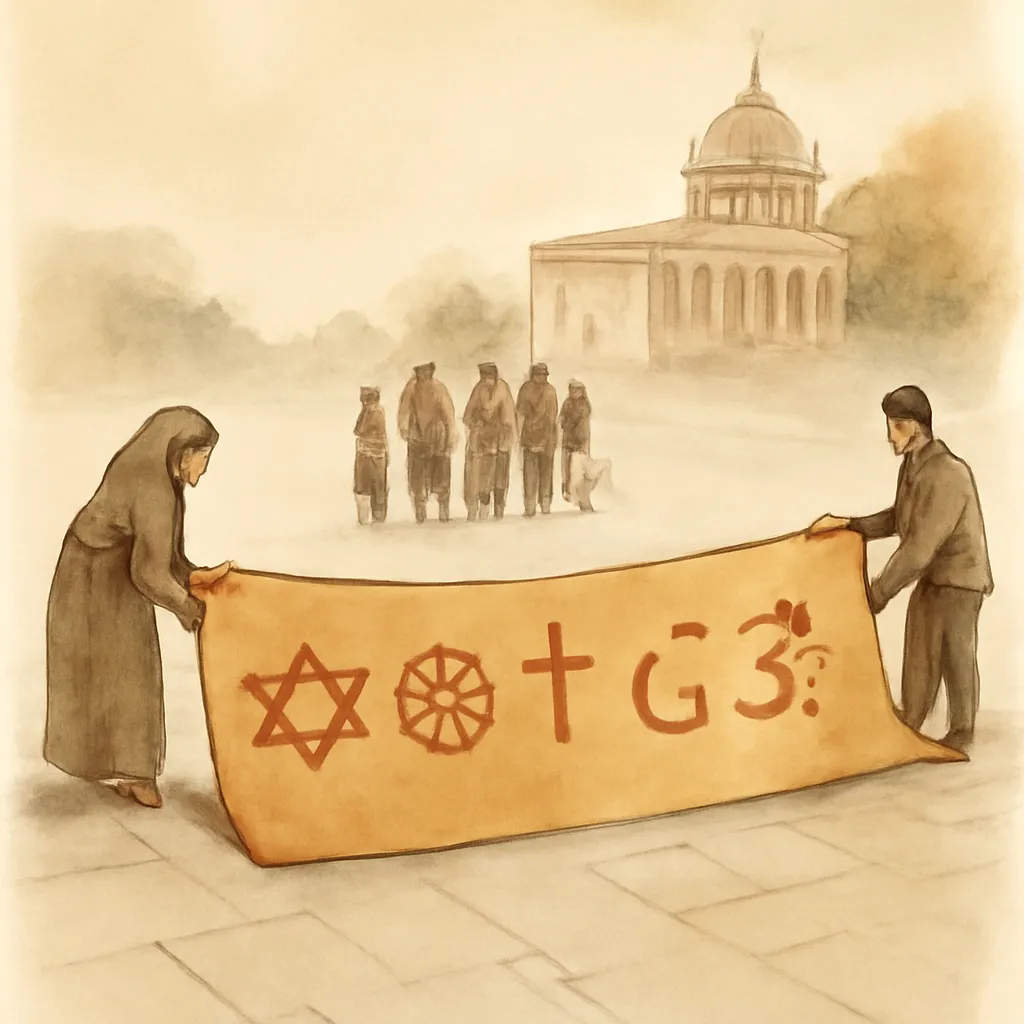
7.The Role of Religion in Government
Paine addresses the intersection of religion and governance, arguing that the government should protect the rights of all individuals to practice their faith freely. He posits that true religious diversity fosters a climate of tolerance and understanding among citizens. Rather than allowing religion to dictate governance, Paine believes that the government should be a neutral arbiter that safeguards the rights of all religious groups. This perspective promotes a vision of a pluralistic society where individuals can coexist peacefully, regardless of their differing beliefs. By advocating for religious freedom, Paine reinforces the idea that the new government should embody the principles of liberty and respect for individual conscience.
8.The Urgency of Action
Paine's writing is imbued with a sense of urgency, as he implores his fellow colonists to take decisive action towards independence. He warns that the moment for action is now, as delaying the inevitable will only lead to greater suffering and oppression. He articulates three potential pathways to independence: through the legal actions of Congress, military intervention, or mob rule. Paine argues that the most favorable outcome would be achieved through a deliberate and lawful process, allowing the colonies to establish a just and equitable government. This call to action serves as a powerful motivator, urging the colonists to seize the moment and pursue their right to self-determination.
9.A Vision for the Future
Paine's vision extends beyond mere independence; he imagines a new world that embodies the principles of freedom and equality. He believes that the current moment presents a unique opportunity to create a government that reflects the aspirations of the people, one that prioritizes individual rights and collective well-being. Paine's rhetorical flourish suggests that the birth of a new nation is at hand, one that can serve as a beacon of hope for oppressed peoples everywhere. He invites his readers to envision a society built on democratic principles, where governance is rooted in the consent of the governed. This hopeful outlook inspires the colonists to believe in the possibility of a brighter future.
10.The Power of the People
Throughout 'Common Sense,' Paine emphasizes the power and agency of the people in shaping their own destiny. He argues that governance should not be an imposition from above but rather a collective effort to create a just society. By appealing to the common man, Paine empowers individuals to recognize their role in the political process and the importance of their voices. He asserts that true strength lies in unity and cooperation among the populace, encouraging citizens to rise up against tyranny. This message of empowerment resonates deeply with the colonists, as they begin to see themselves as active participants in the fight for their rights and freedoms.