1.The Power of Setting
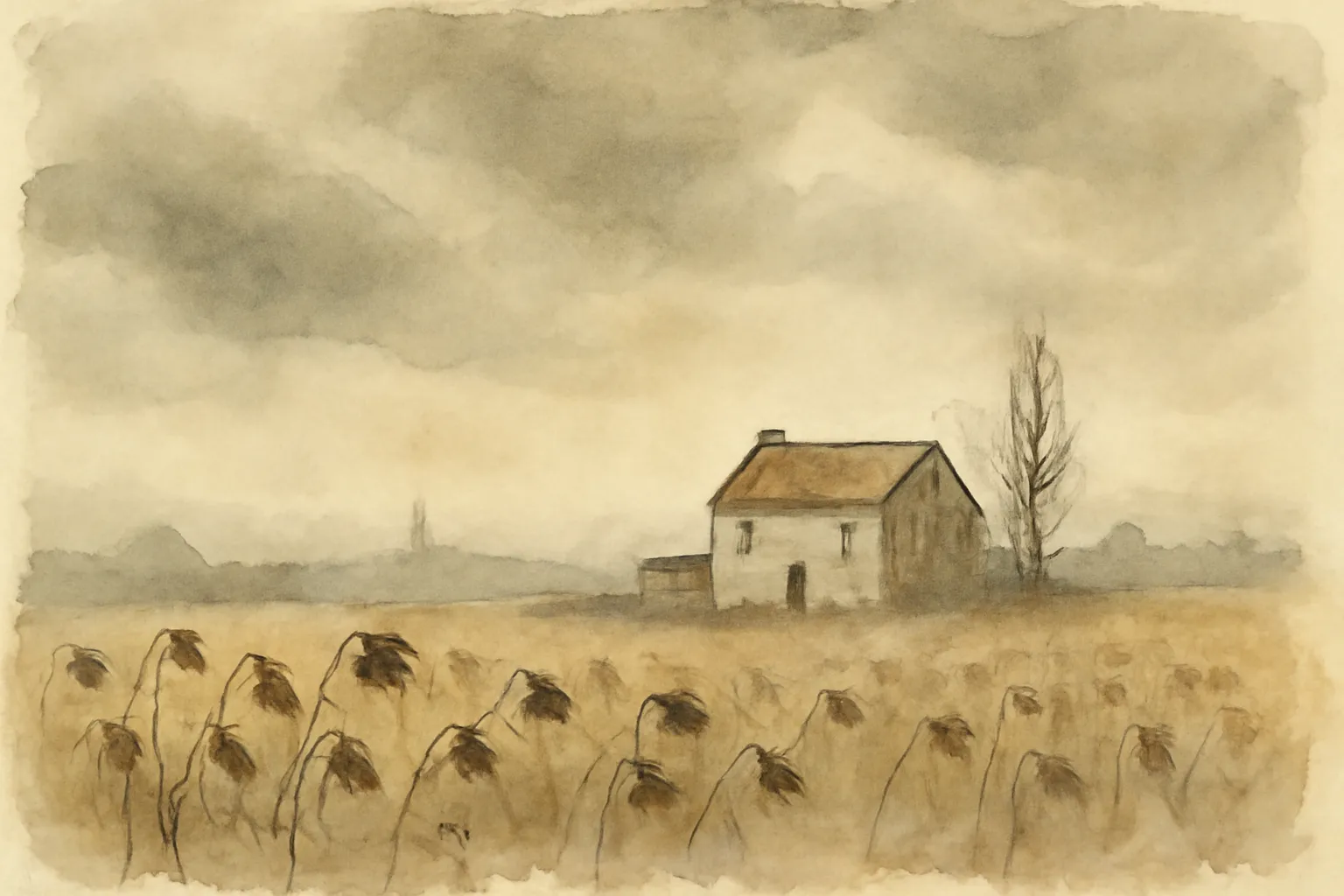
Maupassant's stories are deeply rooted in the settings of rural France, vividly capturing the essence of the natural world and its impact on human emotions. The landscapes, whether lush fields, tranquil rivers, or somber farms, serve as both a backdrop and a character in their own right. In 'Boule de Suif', the oppressive atmosphere of war-torn France enhances the tension among the characters trapped in a coach. The detailed descriptions of the environment reflect the internal struggles of the characters, showcasing how the external landscape mirrors their emotional states. For instance, when the sun shines brightly, it often contrasts with the characters’ inner turmoil, creating a striking juxtaposition that invites readers to explore the connection between setting and psychology. This interplay highlights how nature influences mood, behavior, and the broader narrative arcs, emphasizing Maupassant's skill in crafting immersive and resonant settings.
2.Exploration of Human Nature
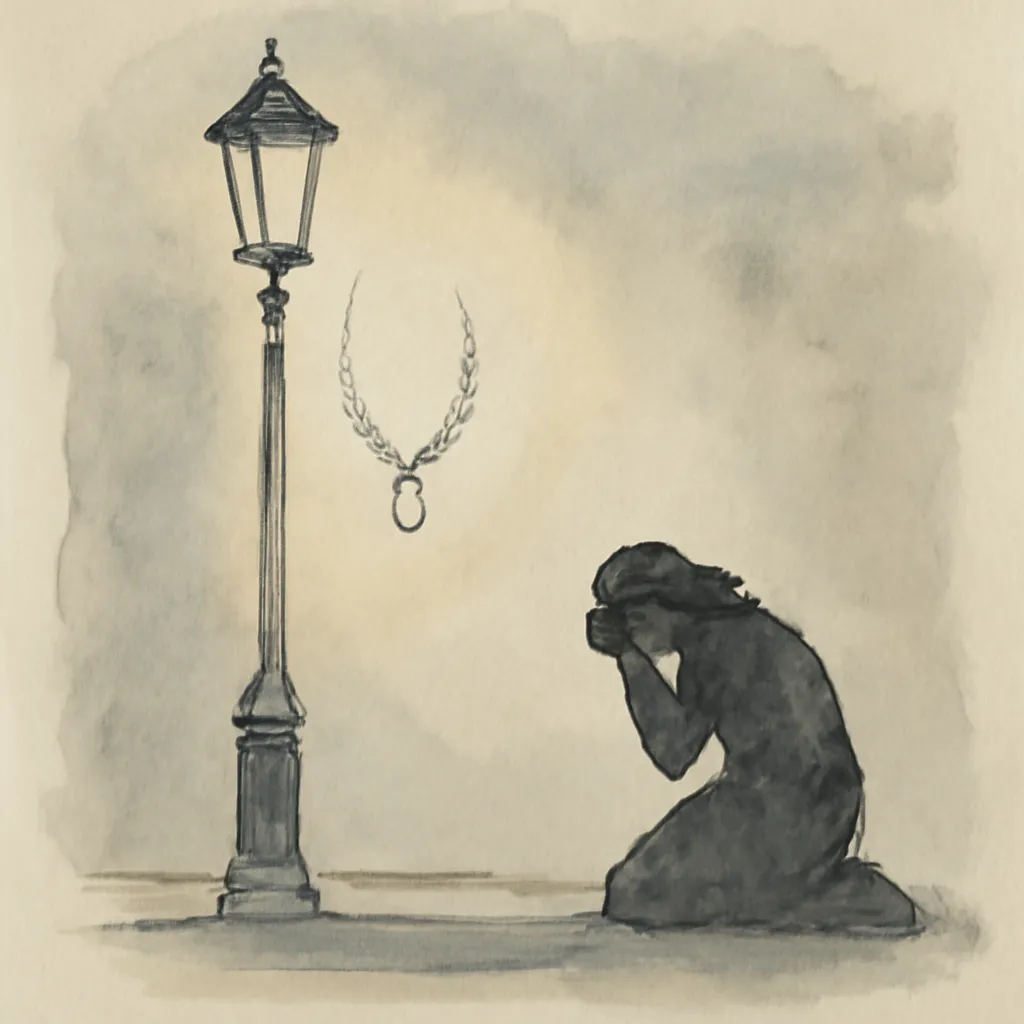
At the heart of Maupassant's stories is an unflinching exploration of human nature, often revealing the darker sides of individuals' personalities. Characters are portrayed with complexity, exhibiting a blend of noble and base instincts that challenge simplistic understandings of morality. In stories like 'The Necklace', the protagonist, Madame Loisel, embodies vanity and discontent, leading to her tragic downfall when she borrows a necklace that she cannot afford to replace. Maupassant does not shy away from showcasing the flaws and follies of his characters; instead, he lays bare their motivations and desires, making them relatable and human. This raw depiction encourages readers to confront uncomfortable truths about themselves and those around them, provoking reflection on their own moral choices. Maupassant’s keen observations paint a portrait of humanity that is both critical and sympathetic, speaking to the universal experiences of joy and suffering.
3.The Role of Social Class
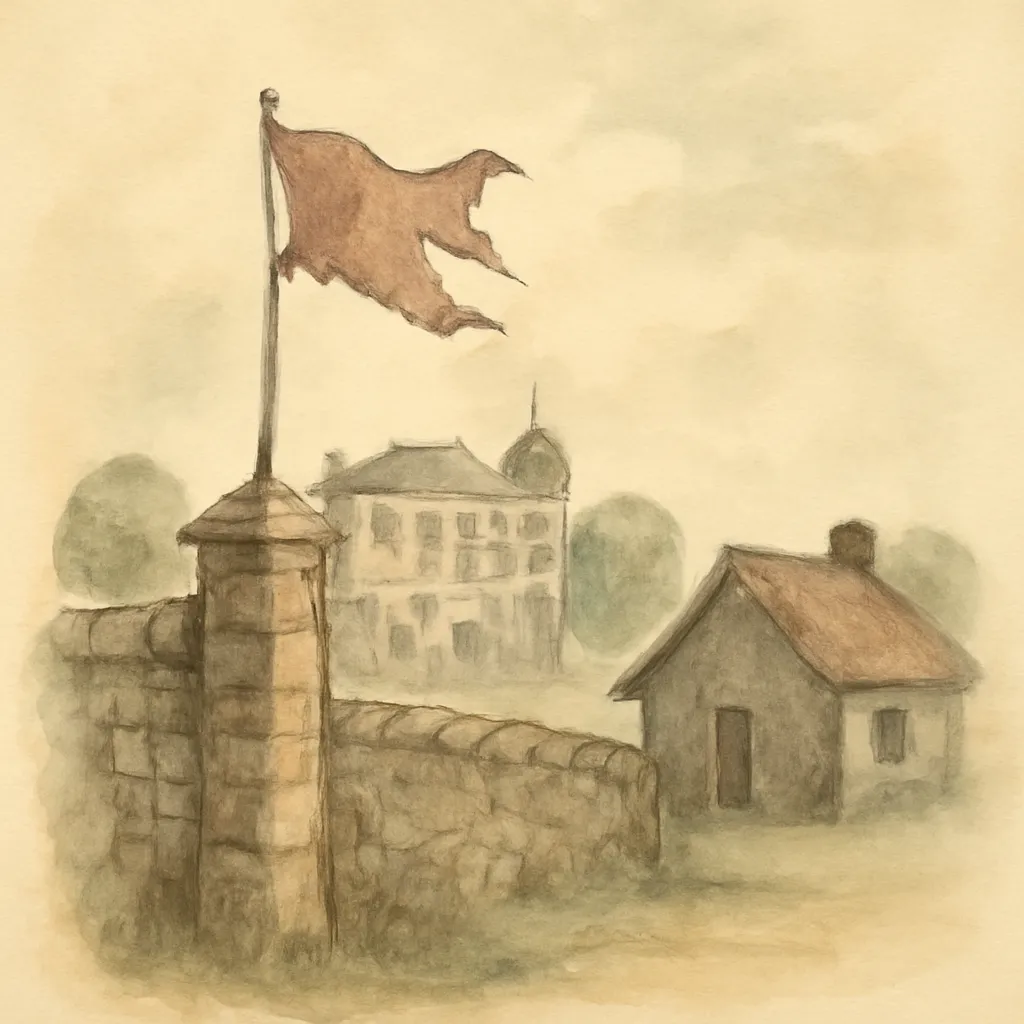
Maupassant intricately weaves social class into the fabric of his narratives, highlighting the disparities and tensions that arise from economic status. The stories depict the struggles of the lower classes against the backdrop of bourgeois society, illustrating the vast chasm between wealth and poverty. In 'Boule de Suif', the titular character, a humble prostitute, finds herself at the mercy of wealthy passengers who initially scorn her but later rely on her for their escape from a difficult situation. This dynamic serves as a critique of social hypocrisy, as the characters' true natures are revealed when faced with moral dilemmas. Maupassant’s keen insights into social class reveal how societal norms shape individual behavior and relationships. The characters’ interactions often reflect the rigid class structures of the time, and their moral choices are frequently influenced by their social standing, making Maupassant’s exploration of class both timely and timeless.
4.The Complexity of Love
Love, in its many forms, is a recurring theme in Maupassant's short stories, often depicted as both a source of joy and a catalyst for despair. His characters grapple with romantic entanglements, infidelity, and the consequences of their desires. In 'The Horla', the protagonist's obsession with a supernatural entity reflects the tumultuous nature of love and the fine line between passion and madness. Maupassant’s treatment of love is nuanced, revealing its ability to uplift and destroy. For instance, the story 'A Woman's Role' portrays a wife’s struggle in a loveless marriage, highlighting the sacrifices women often make for the sake of societal expectations. By examining the complexities of relationships, Maupassant invites readers to reflect on their own experiences with love, making the stories relatable and impactful. His characters illustrate the multifaceted nature of love, encompassing both its beauty and its potential for heartache.
5.The Impact of War
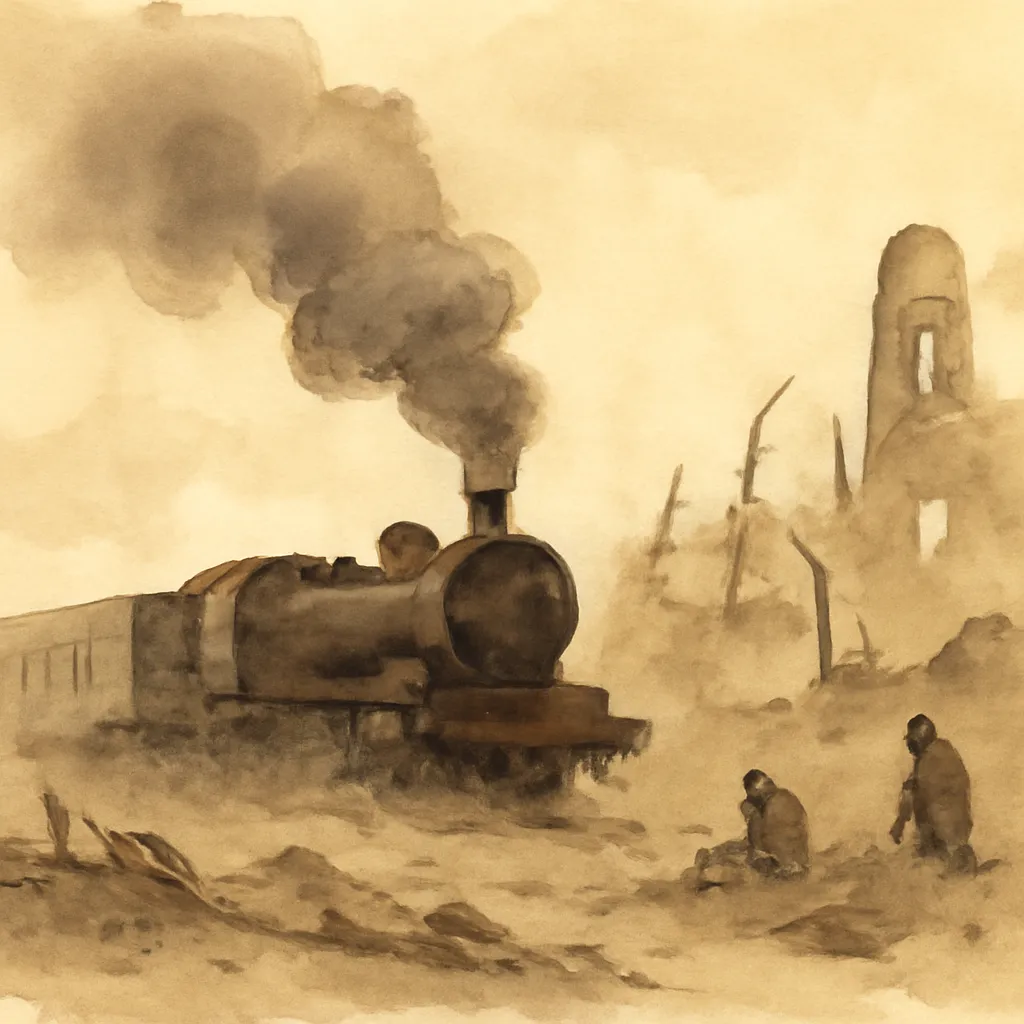
The specter of war looms large in Maupassant's narratives, shaping characters' lives and influencing their decisions. His experiences as a soldier during the Franco-Prussian War imbue his stories with a sense of authenticity and urgency. In 'Boule de Suif', the backdrop of war serves as a catalyst for the characters' interactions, exposing their true natures under duress. Maupassant illustrates how war dehumanizes individuals, stripping away their civility and forcing them into morally ambiguous situations. For instance, during a tense moment in the story, characters initially prioritize their self-interests over collective morality, revealing the ethical dilemmas people face in times of crisis. By exploring the psychological effects of conflict, he captures the profound impact of war on society and the human psyche, making his work resonate with readers who have faced similar struggles. The themes of camaraderie and betrayal amidst chaos illuminate the complexities of human behavior when survival is at stake.
6.The Irony of Fate
Maupassant frequently employs irony to underscore the unpredictability of life, often leading his characters to unexpected and tragic conclusions. In 'The Necklace', Madame Loisel's desire for a luxurious life ultimately results in her downfall, as she loses everything in her pursuit of status. This twist of fate highlights the fragility of human aspirations and the often cruel hand of destiny. Maupassant’s mastery of irony serves as a poignant reminder that life does not always adhere to our plans, and the consequences of our actions can be both unforeseen and devastating. The stark juxtaposition between characters' desires and the harsh realities they face emphasizes the unpredictability and absurdity of existence. This theme resonates deeply with readers, reflecting the unpredictability of their own lives, and invites them to consider the role of chance in shaping their fates.
7.Moral Ambiguity
Maupassant's characters often find themselves in morally ambiguous situations, forcing readers to grapple with complex ethical dilemmas. The stories do not present clear distinctions between right and wrong; instead, they explore the gray areas of human behavior. For instance, in 'The Gift', a seemingly innocent act of kindness spirals into a web of deceit as the protagonist's good intentions lead to unexpected consequences. Maupassant challenges readers to consider the motivations behind their characters' choices, prompting reflection on their own moral compass. This complexity adds depth to his narratives and elevates them beyond mere entertainment, transforming them into profound examinations of the human condition. By showcasing the conflicts between personal desires and societal expectations, Maupassant compels readers to confront their own moral ambiguities and the potential consequences of their actions.
8.The Influence of Nature
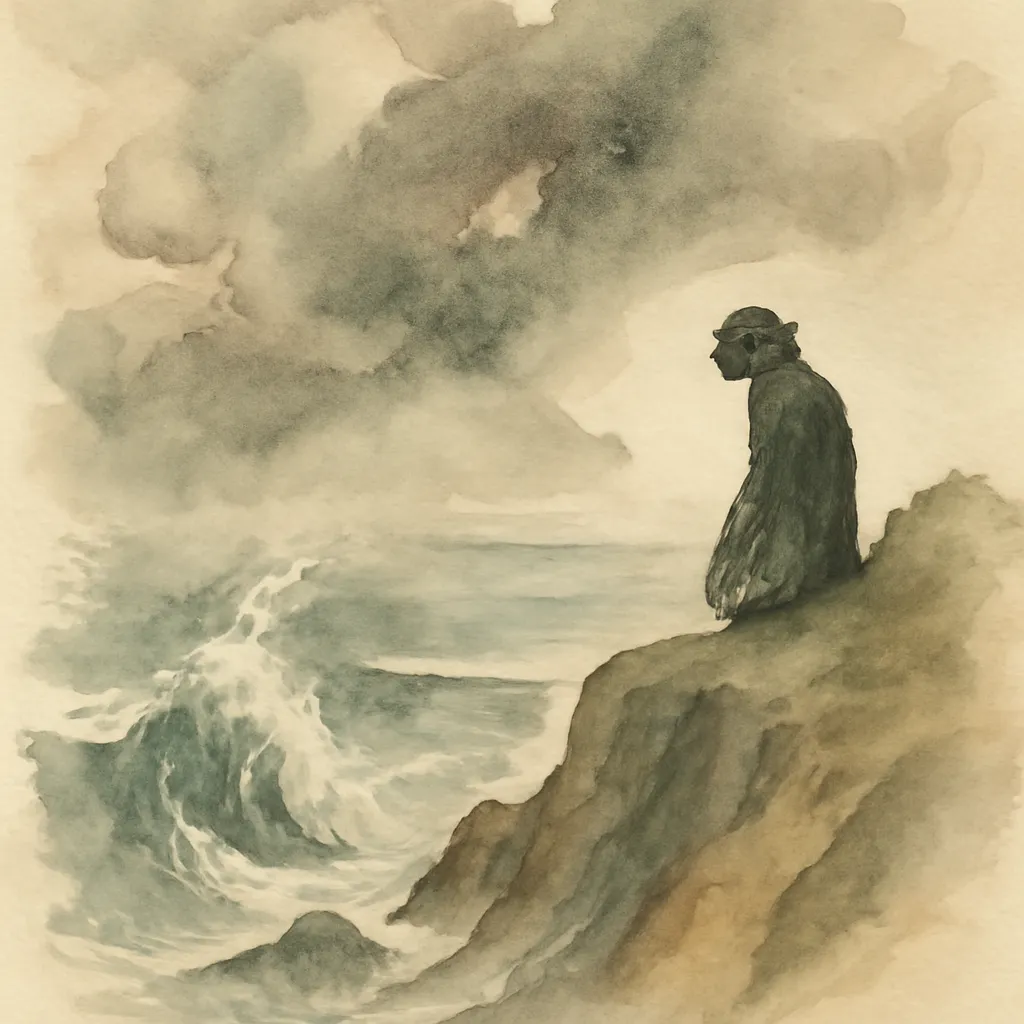
Nature plays a significant role in Maupassant's storytelling, often acting as a reflection of the characters' inner turmoil. The changing seasons and landscapes serve as metaphors for emotional states, enhancing the narrative's emotional depth. In 'The Horla', the protagonist’s descent into madness is paralleled by the tumultuous weather, mirroring his psychological unraveling. Maupassant's ability to intertwine nature with human emotion creates a rich tapestry of imagery that resonates with readers, allowing them to connect with the characters on a deeper level. Scenes of blooming orchards or desolate fields often encapsulate the characters' sentiments, amplifying the emotional stakes of their experiences. This interplay between the natural world and human experience underscores the universality of his themes, inviting readers to reflect on the impact of environment on individual psyche and behavior.
9.The Fragility of Happiness
Maupassant poignantly illustrates the fleeting nature of happiness, often depicting it as an elusive and fragile state. Characters who attain moments of joy frequently find them short-lived, as circumstances conspire to bring about their downfall. In 'The Necklace', Madame Loisel's brief taste of luxury is shattered by her subsequent misfortune, serving as a stark reminder of life's transience. This exploration of happiness resonates with readers, as it reflects the universal struggle to find contentment amidst life's challenges. Maupassant’s portrayal of happiness as fragile invites introspection and empathy, making his stories all the more impactful. By showcasing the delicate balance between joy and sorrow, he highlights the importance of appreciating fleeting moments of happiness before they slip away. This theme encourages readers to seek fulfillment in the present, despite the inevitability of loss.
10.The Art of Storytelling
Maupassant's mastery of storytelling is evident in his ability to craft compelling narratives that draw readers in from the very first line. His succinct yet vivid prose creates an immersive reading experience, allowing for a deep emotional connection with the characters. Maupassant employs various narrative techniques, including foreshadowing and suspense, to keep readers engaged and invested in the outcome. The opening of 'Boule de Suif' immediately establishes tension and intrigue, pulling readers into the unfolding drama. His skillful use of dialogue brings characters to life, making their struggles and triumphs relatable. Through his artful storytelling, Maupassant not only entertains but also provokes thought and reflection, solidifying his place as a literary master. His ability to weave complex themes within succinct narratives showcases the power of brevity in storytelling, proving that impactful literature does not always require length.