Fiction
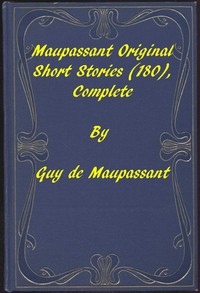
Complete Original Short Stories of Guy De Maupassant by Guy de Maupassant — Summary, Key Ideas & Full Text
1555 pages11 chapters31h 14m read22h 11m speed read✦ 9-min Big ideasFree · no account
Rate it
Guy de Maupassant's short stories expose the stark truths of human nature and the complexities of life with a blend of realism and poignancy
The complete original short stories of Guy de Maupassant offer a profound glimpse into the intricacies of human life, capturing the essence of society in the late 19th century. Through vivid narratives, Maupassant explores themes of love, betrayal, social class, and moral dilemmas faced by ordinary individuals. Each story serves as a microcosm of the human experience, filled with rich details and emotional depth that resonate across time. Readers will find themselves immersed in the lives of diverse characters, from the downtrodden to the privileged, as they navigate the often harsh realities of their existence. Maupassant's masterful storytelling not only entertains but also challenges readers to reflect on their own lives and societal norms.
Guy de Maupassant's complete original short stories are a testament to the complexity of human experience, artfully blending themes of love, social class, and the unpredictability of life. His characters, richly drawn and deeply flawed, navigate a world filled with moral ambiguity and the weight of societal expectations. Through his keen observations and masterful storytelling, Maupassant invites readers to reflect on their own lives and the intricate web of human relationships. The timeless nature of his narratives ensures that they remain relevant, resonating with readers across generations. Ultimately, Maupassant's work challenges us to confront the realities of our existence, making it an essential read for anyone seeking to understand the human condition.
“The essential point, he said, is to 'unmoor' criticism.”
“She wanted to sew, as usual, but she did not feel strong enough, and so she went to the door to get a mouthful of fresh air, which seemed to do her good.”
“This continual feeling made her so incapable of reasoning that she did not even try to think of any means of avoiding the disgrace that she knew must ensue.”
Read Guy de Maupassant's work free on Lumina — the complete text plus an 8-minute summary and key ideas, no account needed