1.The Earthquake's Sudden Fury
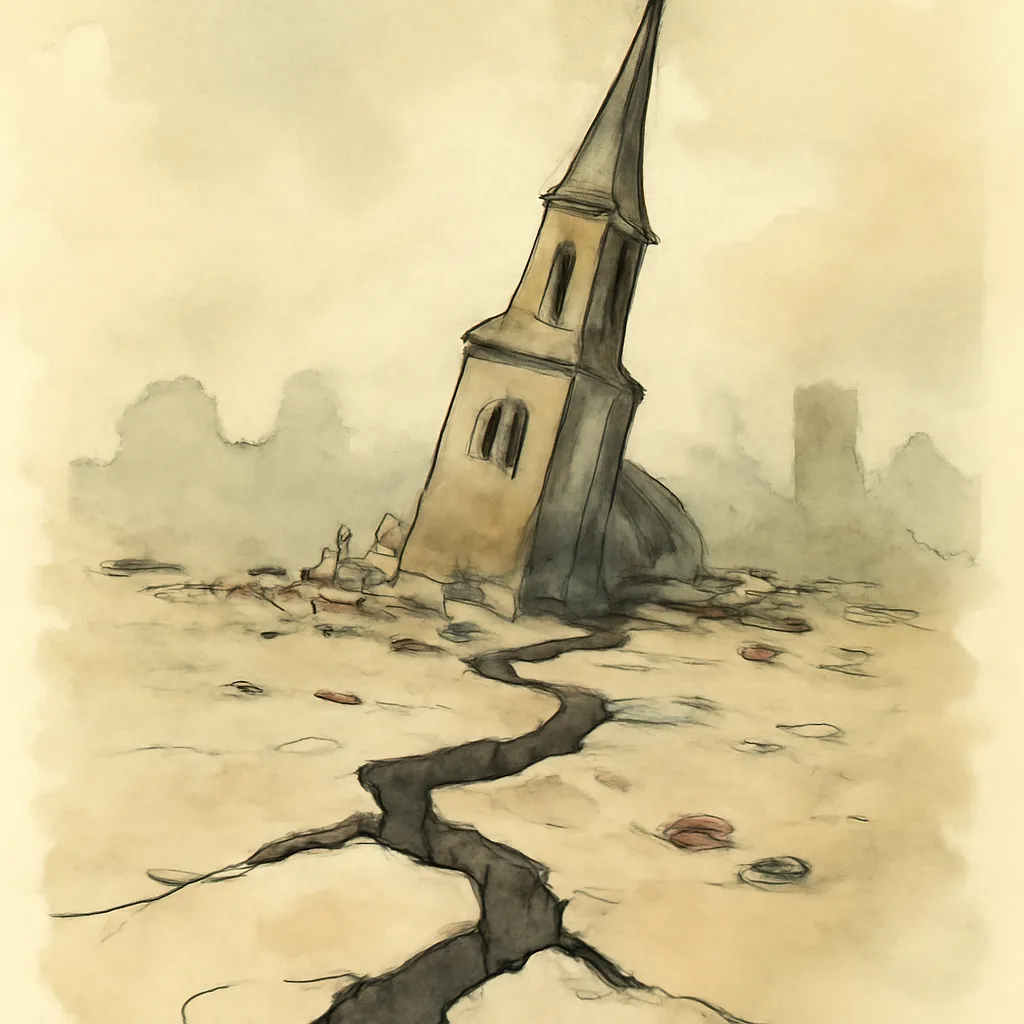
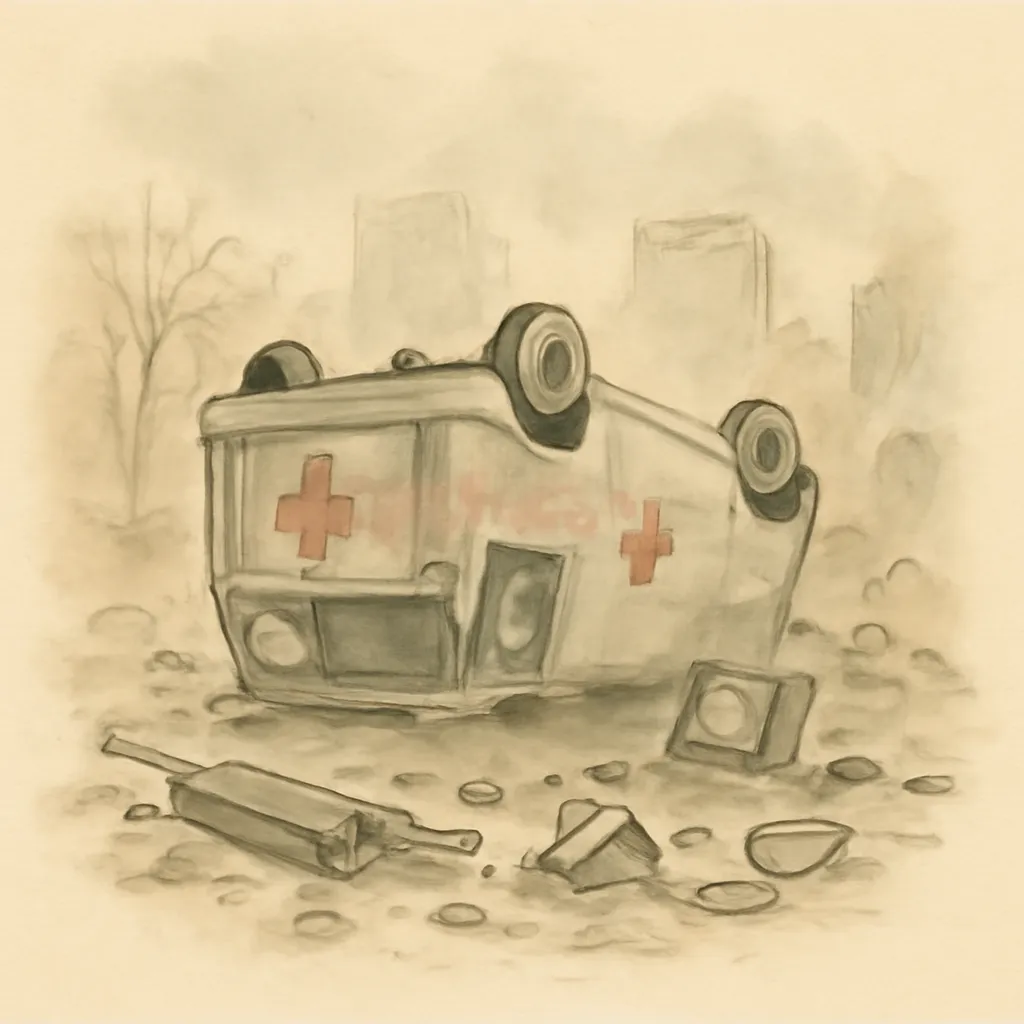
On April 18, 1906, at exactly 5:15 AM, a cataclysmic earthquake struck San Francisco, shaking the city to its foundations. The tremors, which lasted for nearly two minutes, caused widespread destruction, collapsing buildings and severing essential infrastructure. Water mains burst, leaving the fire department without any means to combat what would soon become a raging inferno. Panic erupted as citizens stumbled into the streets, confused and terrified. Many buildings, deemed 'fireproof' or sturdy, crumbled under the violent shakes, demonstrating the unpredictability of nature. The aftermath of the earthquake left a staggering number of people injured, dead, or missing, and the landscape of the city was irrevocably altered, prompting questions about urban resilience in the face of natural disasters.
2.A City Turned to Ashes
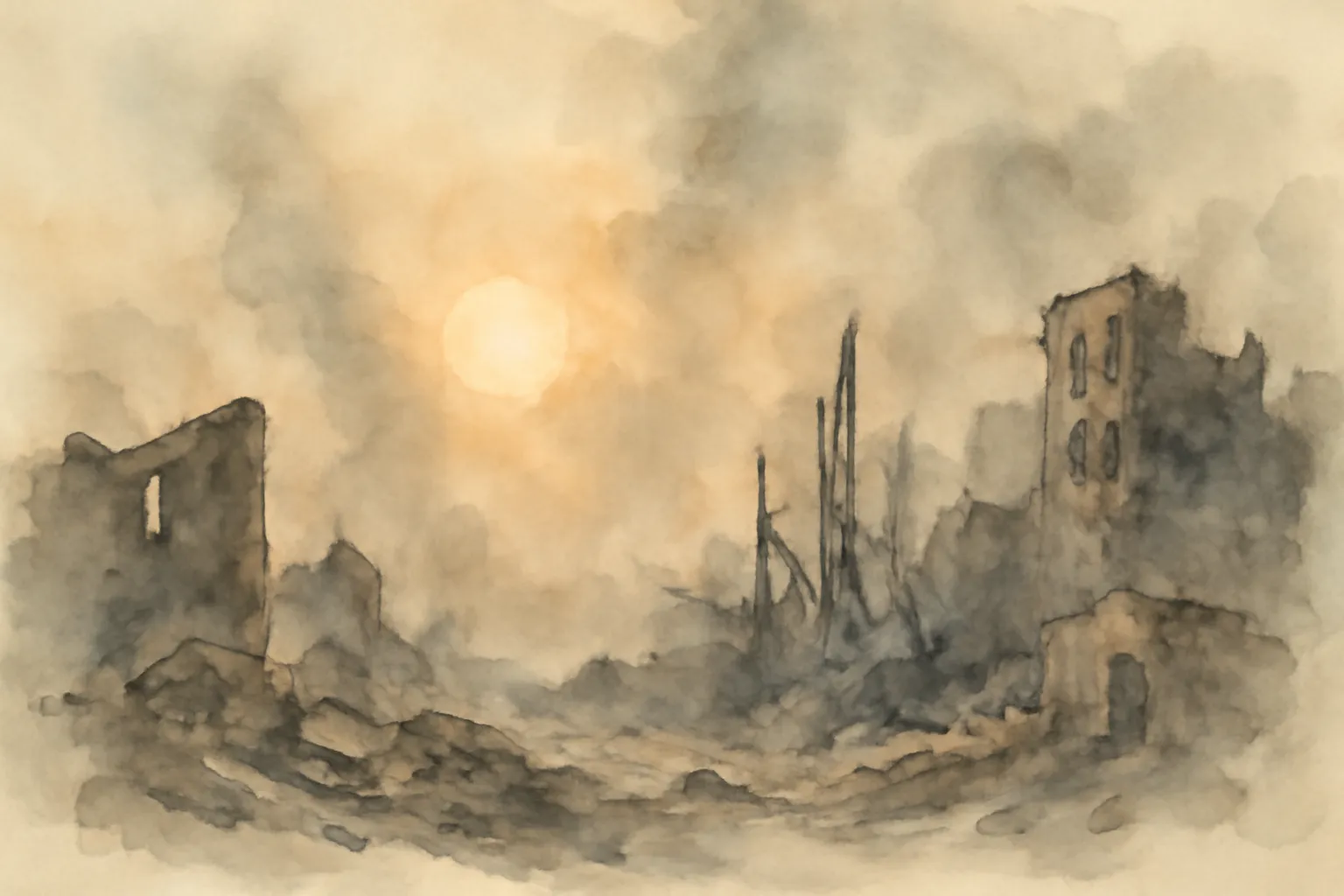
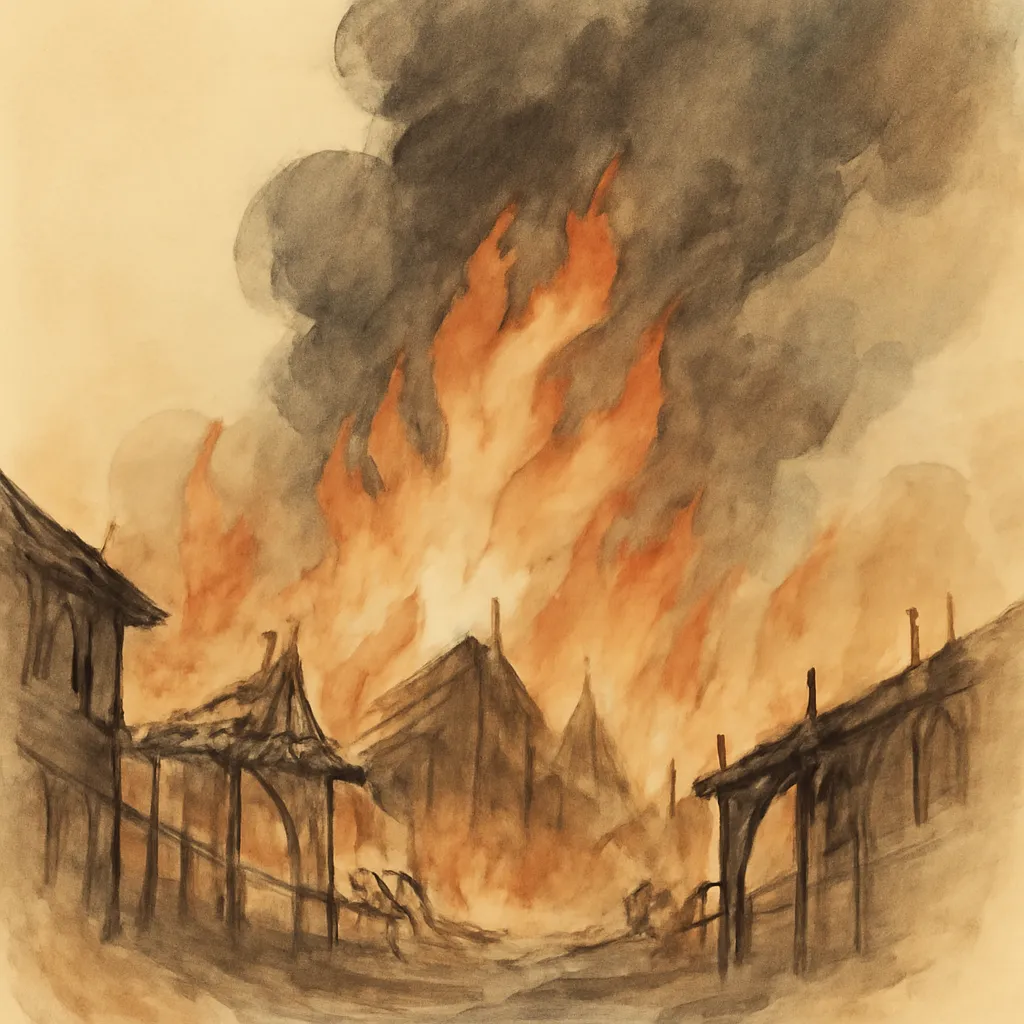
In the days that followed the earthquake, San Francisco transformed into a veritable hellscape as flames spread uncontrollably across the city. Starting from multiple ignition points—many of which were sparked by broken gas lines—the fire consumed everything in its path. The financial district, once a hub of commerce and prosperity, was reduced to a smoldering wasteland within hours. The efforts of the firefighters were hampered not only by the absence of water but also by the chaotic conditions that made access to the flames virtually impossible. Mayor Schmitz made the harrowing decision to use dynamite to create firebreaks, sacrificing some structures in hopes of saving others. However, the inferno raged on, and as the second day dawned, it became evident that nearly three-fourths of the city was engulfed in flames, with significant portions of its population rendered homeless.
3.Heroism Amidst Despair
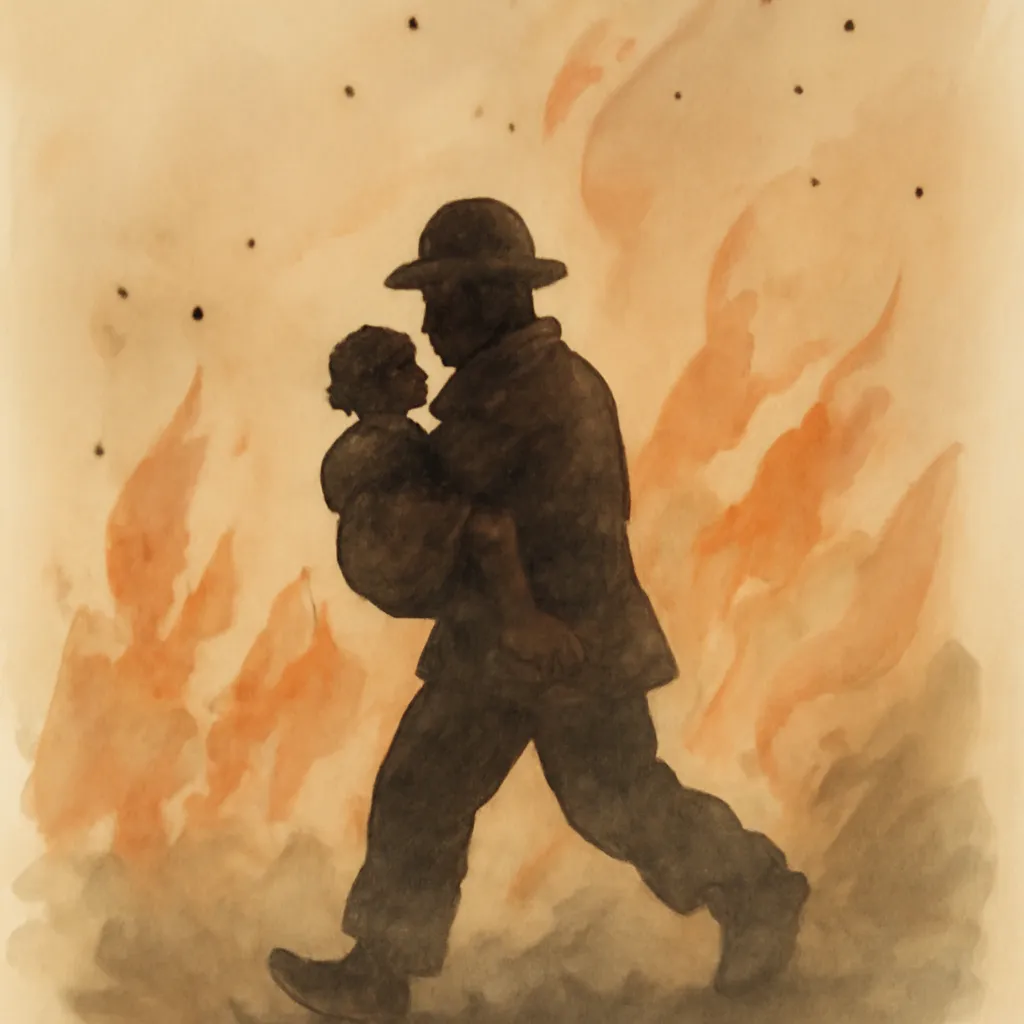
Despite the overwhelming despair, stories of extraordinary heroism emerged from the ashes. Firefighters, soldiers, and everyday citizens risked their lives to save others, often at great personal peril. One notable tale involved the United States Mint, where employees, along with soldiers, fought tirelessly to protect the building that housed an estimated $200 million in coin and bullion. These individuals stood firm against a sea of flames that enveloped the structure, illustrating the courage and determination of those intent on preserving something of value amidst the chaos. Many others turned their focus toward rescuing neighbors trapped beneath debris or tending to the injured. The heroism displayed during these harrowing days emphasized the resilience of the human spirit and the innate drive to help one another in times of dire need.
4.The Response of a Nation
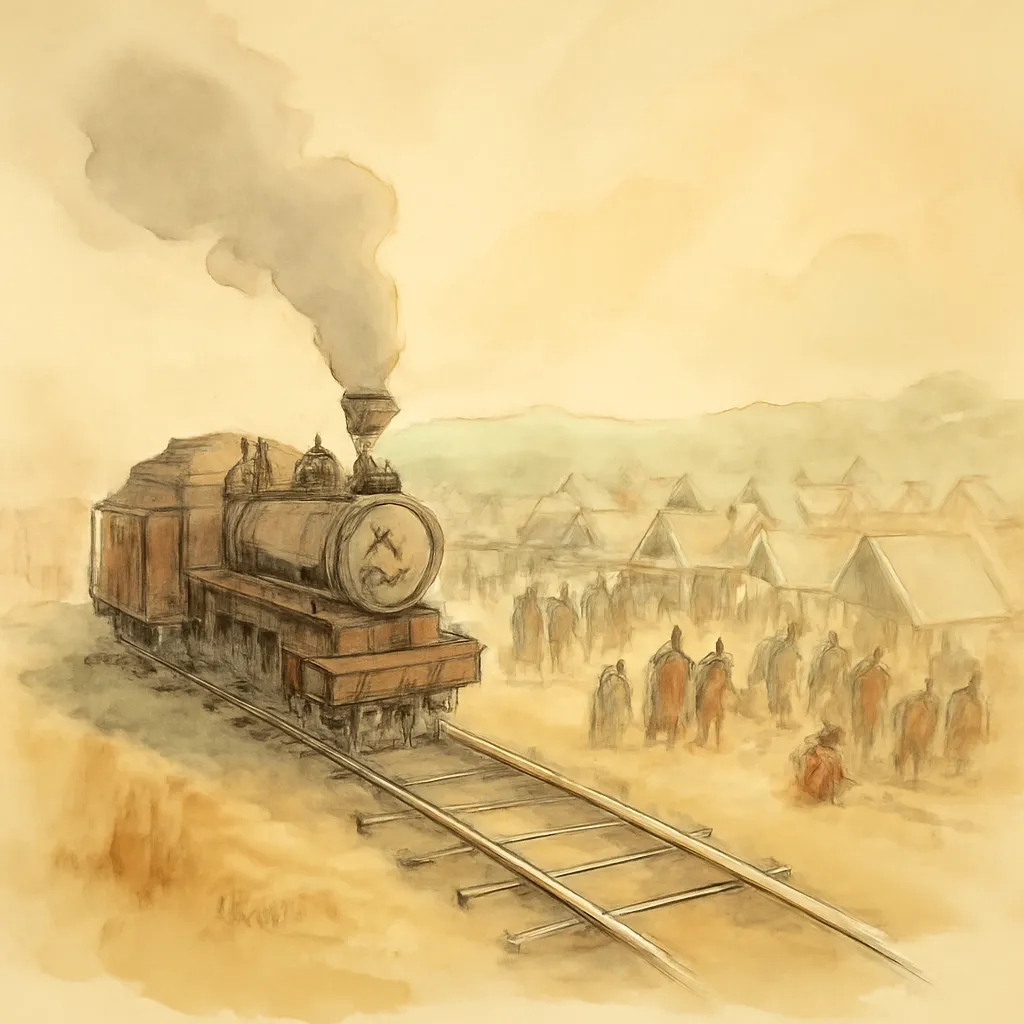
The devastation wrought by the earthquake and fire prompted an unprecedented nationwide response of generosity and compassion. Contributions poured in from every corner of the country, with notable figures including President Theodore Roosevelt calling for aid to the stricken populace. Individuals from all walks of life, from wealthy philanthropists to ordinary laborers, united to raise funds and supplies for those in need. The American National Red Cross played a pivotal role in coordinating these efforts, mobilizing resources to deliver essential supplies to the thousands left homeless and starving. This remarkable outpouring of support not only provided immediate relief but also fostered a sense of solidarity among Americans, reinforcing the notion that in times of disaster, the collective compassion of a nation can uplift those in greatest need.
5.A Community in Crisis
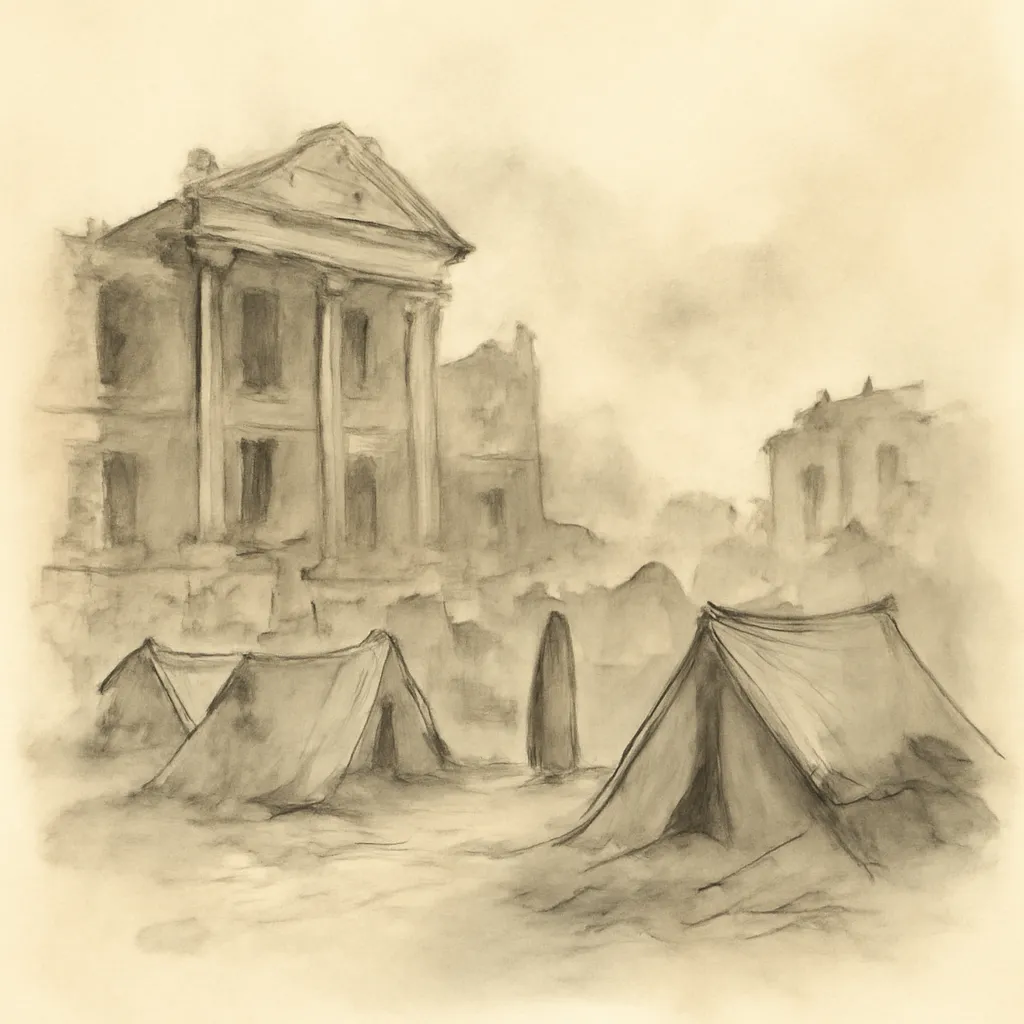
The earthquake and fire not only devastated the physical landscape of San Francisco but also profoundly impacted its social fabric. As the city descended into chaos, distinctions of wealth and class were momentarily erased, with the rich and poor alike sharing in the suffering. Refugee camps sprang up in parks and open spaces, where individuals from diverse backgrounds came together, united by their shared plight. In these camps, social barriers faded as people worked side by side to provide for one another, cooking meals over open flames and sharing whatever resources they had left. This unexpected camaraderie in the face of adversity underscored the idea that during times of crisis, humanity often transcends societal divisions, revealing a deeper bond among people when faced with the fragility of life.
6.The Science Behind the Disaster
The San Francisco earthquake sparked significant scientific inquiry into the causes of such seismic events. Geologists and seismologists have debated the origins of the quake, with theories suggesting that it was triggered by tectonic shifts deep beneath the Earth's crust. The geological survey indicated that the earthquake was likely caused by subterranean movements that may have originated miles beneath the Pacific Ocean. This scientific inquiry into the event sheds light not only on the mechanics of earthquakes but also emphasizes the unpredictability of natural disasters. Understanding the underlying causes of such phenomena is crucial for developing better preparedness strategies for future calamities, particularly in urban environments like San Francisco that are inherently vulnerable to seismic activity.
7.Rebuilding a New San Francisco
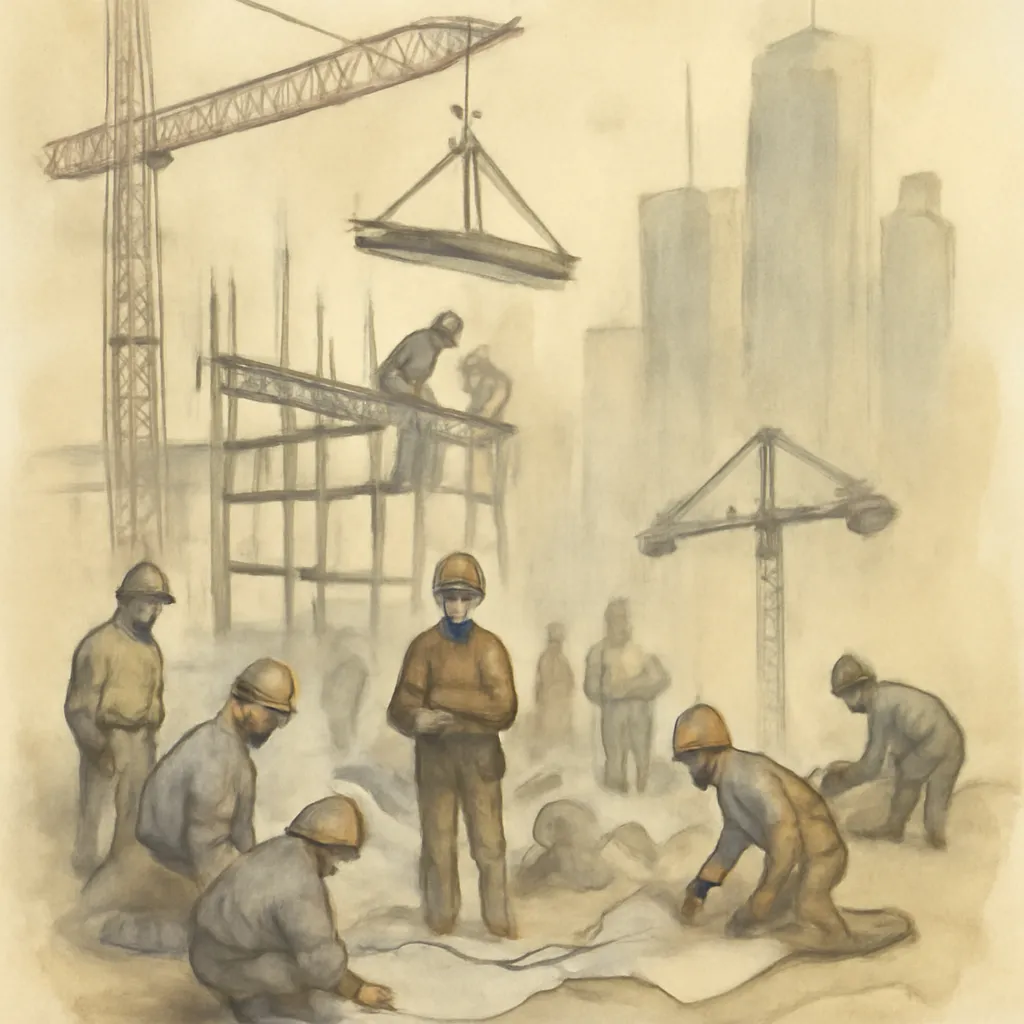
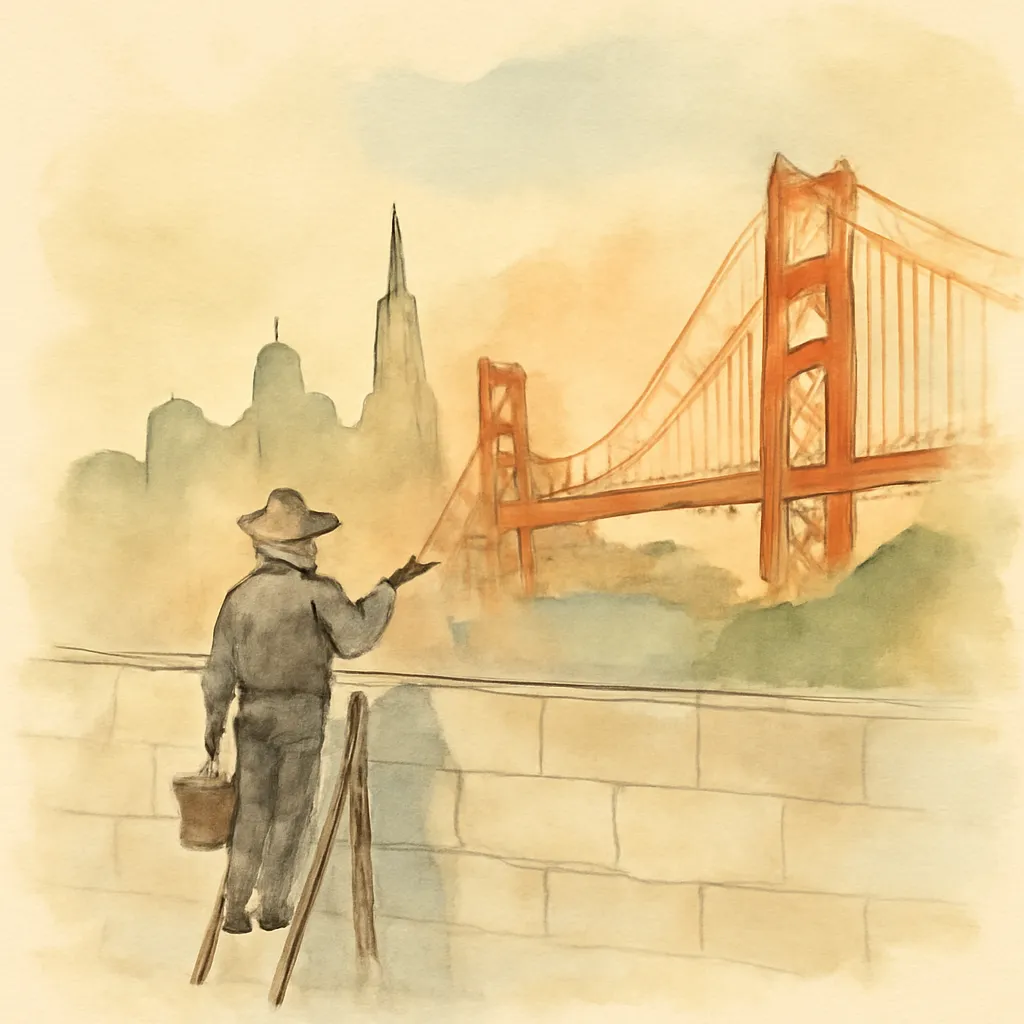
In the aftermath of the disaster, the indomitable spirit of San Francisco's citizens emerged as they began the arduous task of rebuilding their city. The destruction provided an opportunity to create a modern metropolis, with improved infrastructure and urban planning. Citizens rallied together, working tirelessly to clear the debris and lay the foundations for a new city. The rebuilding efforts reflected a collective commitment to not only restore what was lost but to create a city that would symbolize resilience and hope. Organizations formed to oversee the reconstruction process, ensuring that the lessons learned from the disaster would inform future development. As San Francisco rose from the ashes, it became a testament to the strength of the human spirit, embodying the determination to overcome adversity and thrive anew.
8.Chinatown: A Unique Loss
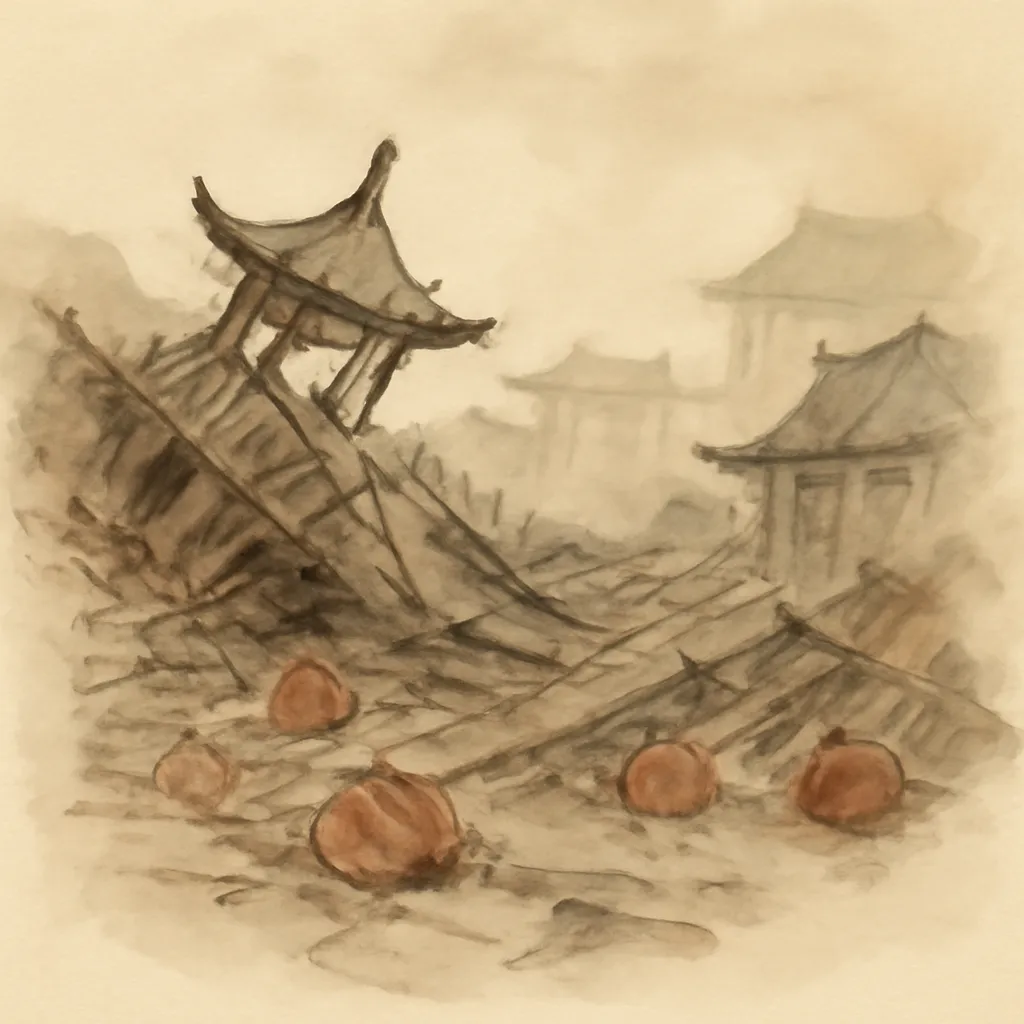
Among the many neighborhoods devastated by the earthquake and fire, Chinatown held a unique place in San Francisco's cultural landscape. The area, known for its rich history and vibrant community, was largely destroyed, erasing centuries of heritage and tradition. The loss of Chinatown symbolized not just the physical destruction of a neighborhood, but also the erasure of a cultural identity that had thrived in the city. This prompted a reflection on the importance of preserving cultural heritage in the face of urban development and disaster. As the city rebuilt, questions arose about how to honor and incorporate the diverse histories that contributed to San Francisco's identity. Efforts to reconstruct Chinatown in the years following the disaster would ultimately lead to the revitalization of its cultural significance, demonstrating the resilience of its community.
9.Lessons Learned from Tragedy
The San Francisco earthquake and fire serve as a stark reminder of the need for preparedness in the face of natural disasters. The chaos that ensued following the earthquake revealed vulnerabilities in urban infrastructure and emergency response systems. The lessons learned from this catastrophe have prompted cities across the globe to reevaluate their disaster preparedness plans, emphasizing the importance of resilient infrastructure, effective communication, and swift response strategies. Additionally, the response to the disaster demonstrated the power of community and collective action, showcasing how individuals can come together to support one another in times of crisis. Understanding these lessons is crucial for mitigating the impact of future disasters, ensuring that cities are better equipped to handle the unpredictable forces of nature.
10.The Legacy of the Disaster
The legacy of the San Francisco earthquake and fire extends far beyond the immediate destruction. It reshaped the city's landscape, economy, and social structure, leaving a lasting impact on generations. The event catalyzed significant changes in building codes and urban planning, leading to a more modern and resilient city. Additionally, the outpouring of support and solidarity from across the nation fostered a sense of compassion that continues to resonate today. The disaster serves as a historical touchstone, reminding us of the fragility of life and the enduring strength of community. As San Francisco continues to evolve, the memory of the earthquake remains a powerful narrative that shapes the city's identity, reflecting the lessons learned from tragedy and the perseverance of its citizens.