Fiction
Complete Story of the San Francisco Horror by Trumbull White — Summary, Key Ideas & Full Text
378 pages35 chapters7h 35m read5h 23m speed read✦ 9-min Big ideasFree · no account
Rate it
The harrowing tale of San Francisco's catastrophic earthquake and fire reveals the fragility of civilization and the resilience of the human spirit
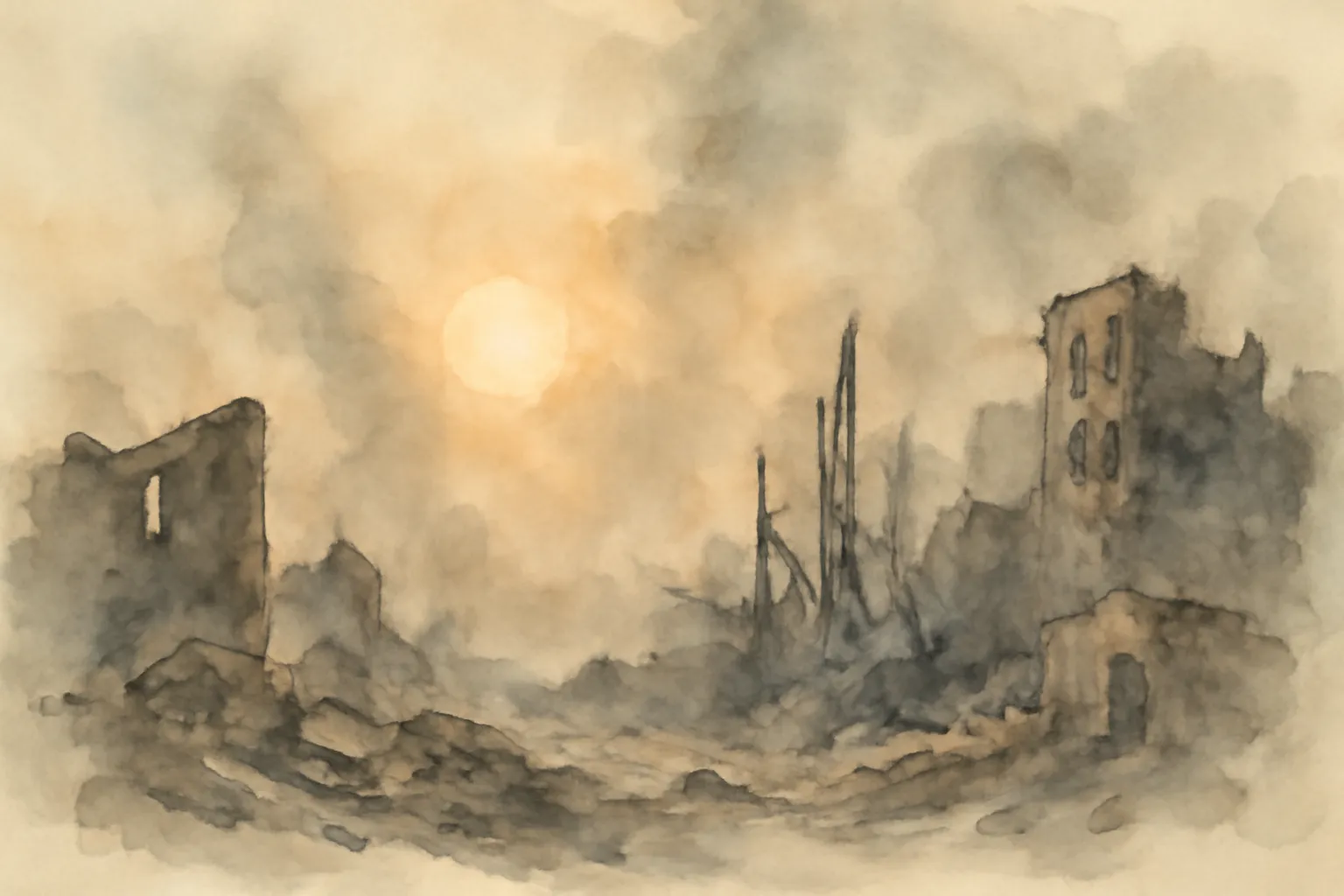
The Complete Story of the San Francisco Horror offers an unflinching account of the 1906 earthquake and subsequent fires that devastated one of America's most vibrant cities. Through vivid descriptions and personal narratives, it captures the chaos, destruction, and human suffering that unfolded in the wake of this disaster. Readers will gain insight into the immediate impact of the earthquake, the heroic efforts to combat the raging fires, and the community's response to the tragedy. The book not only chronicles the events but also explores the social fabric of San Francisco, reflecting on how calamity can strip away societal norms and reveal the fundamental humanity within us all. By delving into this historical moment, the narrative highlights both the vulnerability of urban life and the enduring strength found in human connection during times of crisis.
The Complete Story of the San Francisco Horror is a poignant reminder of the fragility of civilization and the strength of community in the face of disaster. The earthquake and fire not only devastated a city but also revealed the best and worst of humanity. Through tales of heroism, suffering, and resilience, the narrative captures the essence of what it means to endure and rebuild. As we reflect on this historical event, we are reminded of the importance of preparedness, compassion, and the enduring spirit of those who rise from the ashes. The legacy of San Francisco's tragedy continues to shape our understanding of urban life and the human experience.
“After four days and three nights that have no parallel outside of Dante's Inferno, the city of San Francisco, the American metropolis by the Golden Gate, was a mass of glowing embers fast resolving into heaps and winrows of grey ashes emblematic of devastation and death.”
“Nothing worthy of the name of building in the business district and not more than half of the residence district had escaped.”
“The fire which had practically burnt itself out north of Telegraph Hill was revived by the wind and bursting into a blaze crept toward the East.”
Read Trumbull White's work free on Lumina — the complete text plus an 8-minute summary and key ideas, no account needed