1.The Allure and Trap of Opium

De Quincey begins by addressing the question that looms over his confessions: why would a rational being willingly submit to such a debilitating addiction? Initially, his use of opium was not driven by a desire for reckless pleasure but was a response to profound suffering. He sought solace in opium to alleviate the physical and emotional pain that plagued him, believing that it would provide a temporary escape. However, as he reflects on his descent into addiction, it becomes clear that what began as a means of coping transformed into a relentless cycle of dependency. The seductive nature of opium is illustrated through De Quincey's vivid descriptions of its effects, where the initial euphoria gives way to a darker, more consuming experience. This duality encapsulates the central tension of his narrative: the pursuit of pleasure can easily morph into a trap of despair. The initial relief opium offers is deceptive, masking deeper issues that resurface once the high dissipates, emphasizing that the roots of addiction often lie in unresolved pain rather than mere hedonism.
2.Dreams as a Reflection of Reality

Throughout his account, De Quincey emphasizes the intricate relationship between opium and his dreams, suggesting that the substance profoundly alters his perception of reality. He describes a phenomenon where his waking thoughts seamlessly blend into his dreamscapes, creating a surreal interplay between consciousness and subconsciousness. This merging leads to dreams that are not only vivid but also imbued with a sense of anxiety and melancholy, reflecting his internal struggles. The opium-induced dreams serve as a canvas for his deepest fears and desires, showcasing a mind grappling with the weight of its own experiences. In this way, De Quincey elevates the act of dreaming to a philosophical exploration of human nature, as he contemplates how our innermost thoughts can manifest in the most unexpected ways. He navigates the territory between waking life and dream, describing how specific thoughts can trigger elaborate dream sequences that amplify his emotional state. This interplay between consciousness and dreams suggests that perhaps our waking experiences shape our subconscious explorations, illustrating a profound connection between the two realms.
3.The Unbearable Weight of Memory

De Quincey’s narrative reveals a poignant aspect of addiction: the burden of memory. As he recounts his experiences under the influence of opium, he experiences a profound recall of childhood memories and forgotten moments, which are often accompanied by intense emotions. This phenomenon highlights the paradox of addiction; while opium provides an escape, it also brings forth memories that can be both comforting and torturous. He describes moments where he feels as if he has lived entire lifetimes within a single night, emphasizing how time and memory are distorted by the drug. This exploration of memory underscores the idea that our past is inextricably linked to our present, shaping our identities and experiences in ways we may not fully comprehend. De Quincey’s ability to vividly evoke these memories reveals how deeply intertwined our experiences are; the opium allows a flood of recollections that can be both enlightening and overwhelming. Thus, the drug’s capacity to evoke the past is a double-edged sword, offering insight while simultaneously confounding the user’s present reality.
4.The Philosophical Underpinnings of Addiction

De Quincey positions himself not merely as a victim of addiction but as a philosopher reflecting on the nature of human experience. He grapples with the moral implications of his addiction, questioning the societal perceptions of vice and virtue. His reflections prompt readers to consider the motivations behind self-destructive behavior, suggesting that beneath the surface lies a complex interplay of pain, desire, and the search for meaning. The narrative transcends personal confession, inviting a broader dialogue about the human condition and the universal quest for understanding and acceptance. De Quincey’s musings on the nature of human frailty reveal an acute awareness of the struggles that accompany addiction, challenging the reader to empathize with those who find themselves ensnared. This philosophical lens invites contemplation on the intersections of suffering, desire, and the human spirit, leaving readers to ponder their own vulnerabilities in the face of life's challenges.
5.The Physiological Effects of Opium

Delving into the physical ramifications of opium use, De Quincey provides a candid account of the bodily sensations and alterations he experiences. He describes how the drug initially enhances his physical state, providing a sense of vitality and well-being, but gradually leads to a deterioration of his health. De Quincey’s detailed descriptions of his bodily sensations during withdrawal illustrate the intense suffering that accompanies the cessation of opium use, challenging the notion that addiction is solely a psychological issue. He notes the paradoxical nature of opium, where pleasure and pain coexist; the initial euphoria is often followed by a lingering sense of despair and physical discomfort that can be debilitating. His account provides insight into the physiological grip of addiction, emphasizing that the physical effects of opium are not merely side effects but integral components of the overall experience of addiction. This duality—where pleasure is intertwined with pain—serves to deepen the narrative's complexity, revealing that the path to liberation from addiction is fraught with both psychological and physical challenges.
6.The Isolation of the Addict

De Quincey poignantly conveys the isolation that accompanies addiction, illustrating how opium creates a chasm between him and the rest of society. As his dependency deepens, he finds himself increasingly alienated from friends and family, unable to share the truth of his struggles. This isolation is not only physical but also emotional, as he grapples with feelings of shame and guilt. His narrative evokes a sense of profound loneliness, where the very act of seeking comfort through opium leads to a retreat from human connection. De Quincey’s reflections on his solitude resonate with anyone who has experienced addiction or mental illness, revealing how these struggles can lead to a profound sense of disconnection from the world. This theme of isolation serves to emphasize the importance of empathy and community support in the recovery process, reminding readers that addiction often thrives in silence and shame. The need for connection becomes a crucial element in understanding the addict's plight, indicating that rebuilding relationships could be a vital step toward healing.
7.The Illusion of Control
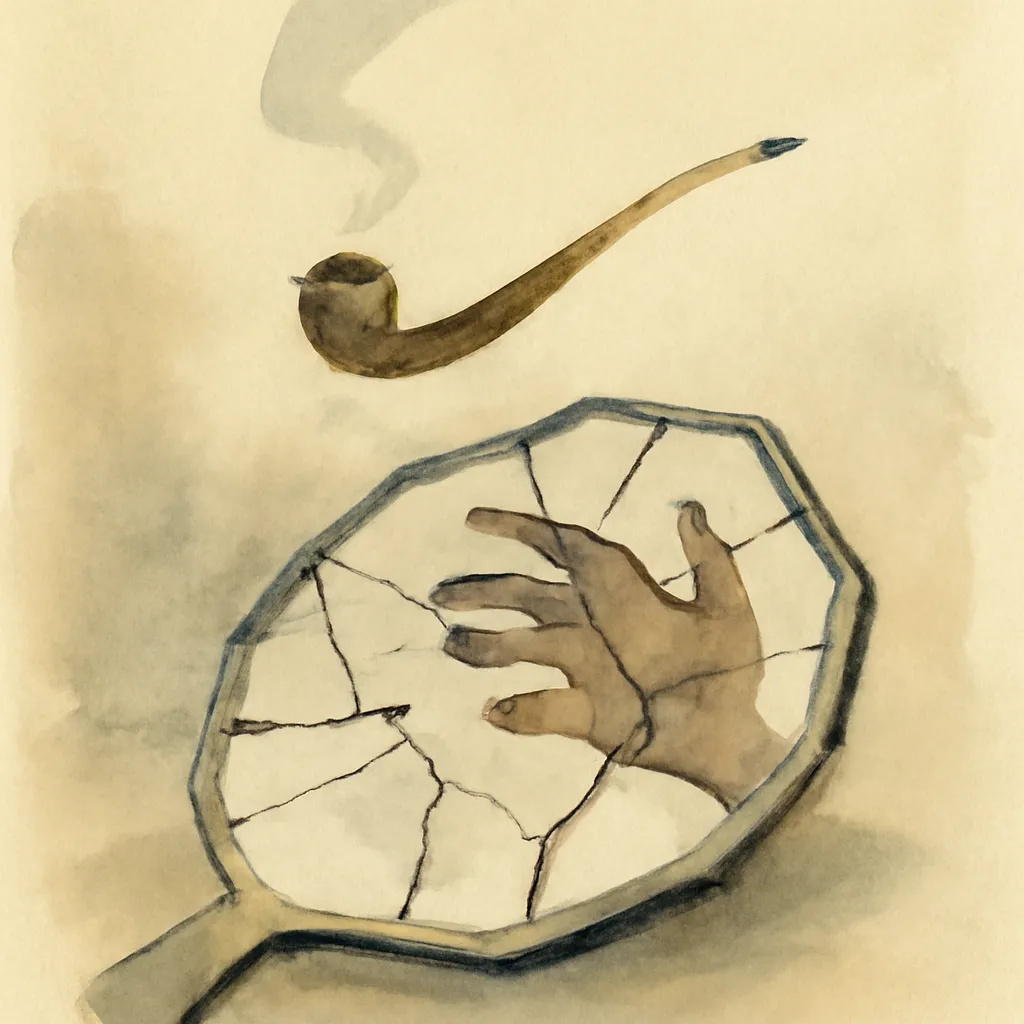
One of the most striking themes in De Quincey’s confessions is the illusion of control that addiction presents. He recounts numerous attempts to reduce his opium intake, highlighting the futility of his efforts as he realizes that the drug's grip has tightened beyond his ability to manage it. This struggle underscores a critical aspect of addiction: the belief that one can maintain control over their consumption, only to find that the substance has taken control instead. De Quincey’s experiences challenge the notion that addiction is merely a matter of willpower, revealing the complex interplay of psychological and physiological factors at play. He articulates the desperate attempts to moderate his use, noting that small reductions often lead to excruciating withdrawal symptoms, further entrenching his reliance on opium. This acknowledgment of addiction’s complexity is essential for understanding the multifaceted nature of recovery; it emphasizes that regaining control is not simply a matter of making a choice but involves navigating a labyrinth of mental and physical challenges that can be overwhelming.
8.The Impact of Opium on Perception
De Quincey’s vivid descriptions of his altered perceptions serve as a powerful testament to the drug's impact on the mind. He articulates how opium distorts his senses, amplifying colors, sounds, and even emotions to an overwhelming degree. This heightened perception can be both exhilarating and terrifying, as he navigates the fine line between beauty and horror. The narrative illustrates how addiction can transform one's worldview, creating a reality that is simultaneously enchanting and oppressive. De Quincey’s insights into perception extend beyond personal experience, inviting readers to consider how substances can alter our understanding of reality and the implications of such transformations on the human experience. His accounts of dazzling sensory experiences are contrasted with moments of despair, highlighting the unpredictability of opium's effects. This duality serves to question the reliability of one's perceptions under the influence of substances, raising critical inquiries about reality and the nature of truth.
9.The Role of Language and Expression
Throughout his confessions, De Quincey demonstrates a keen awareness of the power of language and expression in conveying his experiences. His eloquent prose serves not only to articulate the nuances of his addiction but also to elevate his narrative to a philosophical exploration of human nature. The way he crafts his sentences reflects a deep understanding of the complexity of addiction, merging poetic language with raw honesty. De Quincey’s ability to articulate the inexpressible emotions associated with addiction underscores the importance of storytelling in understanding complex human experiences. By translating his turmoil into words, he creates a bridge for readers to access intimate feelings of fear, despair, and fleeting joy. This emphasis on language invites readers to reflect on their own narratives, recognizing the role of expression in shaping identity and understanding. In this way, De Quincey’s work transcends personal confession, becoming a broader commentary on the human experience and the power of words to illuminate our struggles.
10.A Cautionary Tale for Society
Ultimately, De Quincey’s confessions serve as a cautionary tale, warning against the seductive allure of substances that promise escape from suffering. His narrative highlights the dangers of addiction not only for the individual but also for society as a whole. By exposing the darker aspects of opium use, he urges readers to consider the broader implications of addiction and the need for compassion and understanding in addressing these issues. De Quincey’s reflections prompt a critical examination of societal attitudes towards addiction, challenging the stigma that often accompanies it. He argues that society must grapple with its perceptions of addiction, recognizing that it is a multifaceted issue requiring a compassionate response rather than condemnation. This cautionary aspect of his narrative reinforces the idea that addiction is a complex issue that requires empathy and a nuanced understanding of human behavior. By sharing his story, De Quincey invites society to engage with the realities of addiction rather than shying away from the uncomfortable truths it presents.