1.Science and Faith in Dialogue
Contact places science and faith in active conversation, not as irreconcilable opposites but as parallel quests for meaning. Through the protagonist, Dr. Ellie Arroway—a radio astronomer and skeptic—the novel explores how scientific inquiry and spiritual yearning can coexist. Sagan doesn’t dismiss religion; instead, he probes its role in shaping human responses to the unknown. The tension between empirical evidence and personal belief is a central thread, prompting readers to reflect on their own frameworks for understanding the universe.
2.The Search for Extraterrestrial Intelligence
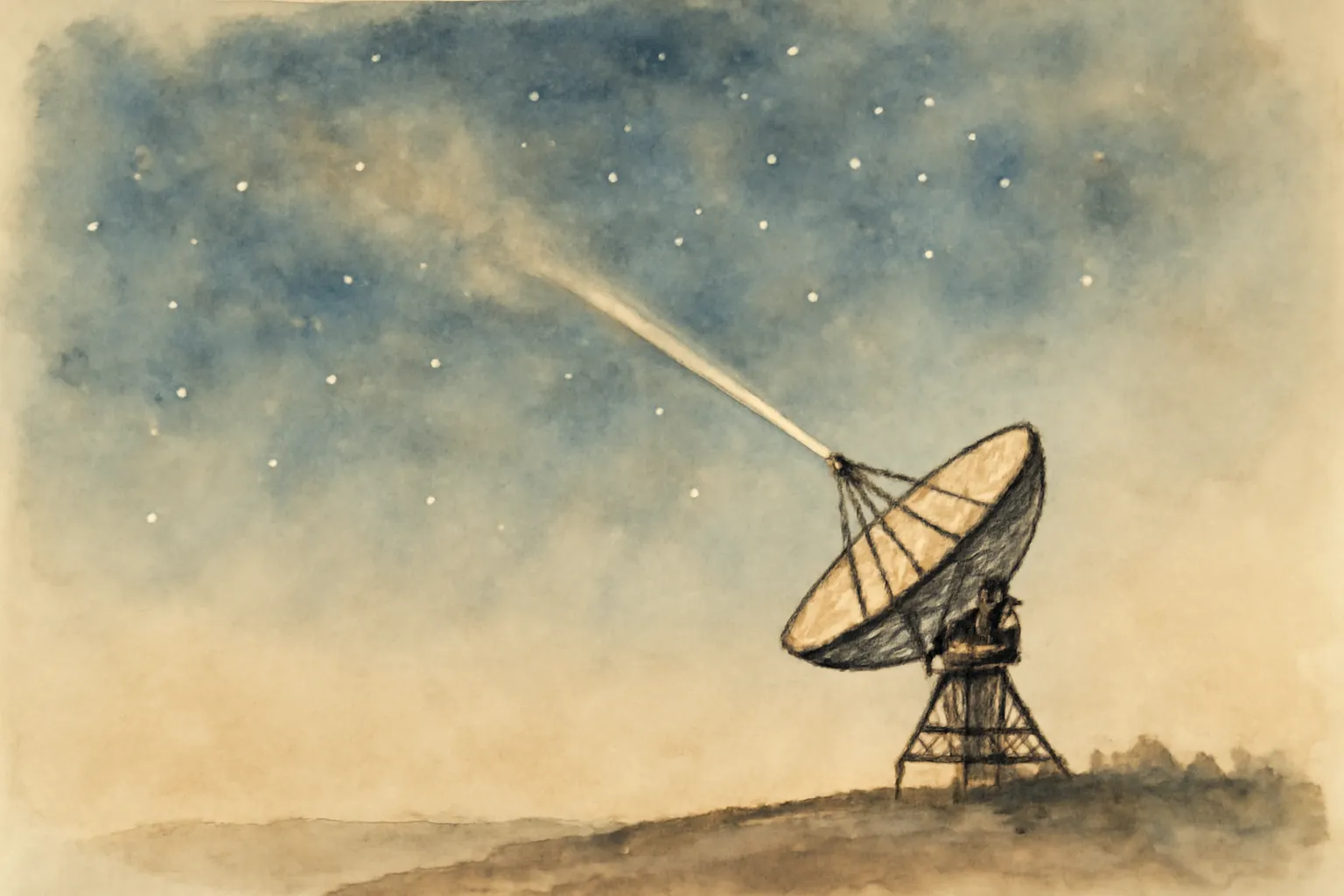
At its core, Contact dramatizes the scientific quest to answer the age-old question: Are we alone? The novel is grounded in real-world SETI (Search for Extraterrestrial Intelligence) efforts, portraying the technical, political, and philosophical challenges of detecting a message from the stars. Sagan’s depiction is both realistic and optimistic, showing how such a discovery could unite—or divide—humanity, and how it would force us to reconsider our significance in the cosmos.
3.Humanity’s Place in the Universe
Sagan uses the encounter with extraterrestrial intelligence as a mirror for humanity. The novel asks what it means to be human when confronted with something truly ‘other.’ It interrogates our assumptions about intelligence, morality, and civilization, suggesting that contact with another species could be both humbling and transformative. This cosmic perspective challenges anthropocentrism and encourages a sense of humility and wonder.
4.The Power and Limits of Communication
Contact is deeply concerned with the possibilities and pitfalls of communication—across cultures, species, and even dimensions. The process of decoding the alien message is painstaking and collaborative, highlighting the importance of shared language and understanding. Yet, the novel also acknowledges the limits of what can be conveyed, both technologically and emotionally, raising questions about misinterpretation and the barriers to true connection.
5.Gender, Authority, and Representation in Science
Through Ellie Arroway’s journey, Sagan addresses the challenges faced by women in scientific fields. The novel doesn’t shy away from depicting institutional sexism and the struggle for recognition, making it an early and thoughtful contribution to conversations about gender equity in STEM. Arroway’s resilience and intellect position her as a role model for aspiring scientists, while her experiences underscore the broader social dynamics that shape scientific discovery.
6.Global Cooperation and Conflict
The reception of the alien message sparks both international collaboration and rivalry. Sagan explores how nations, religions, and institutions react—sometimes with open-mindedness, sometimes with suspicion or fear. The novel imagines a world where a cosmic event can catalyze both the best and worst in humanity, reflecting real-world tensions and the potential for global unity in the face of the unknown.