1.The Nature of Duration

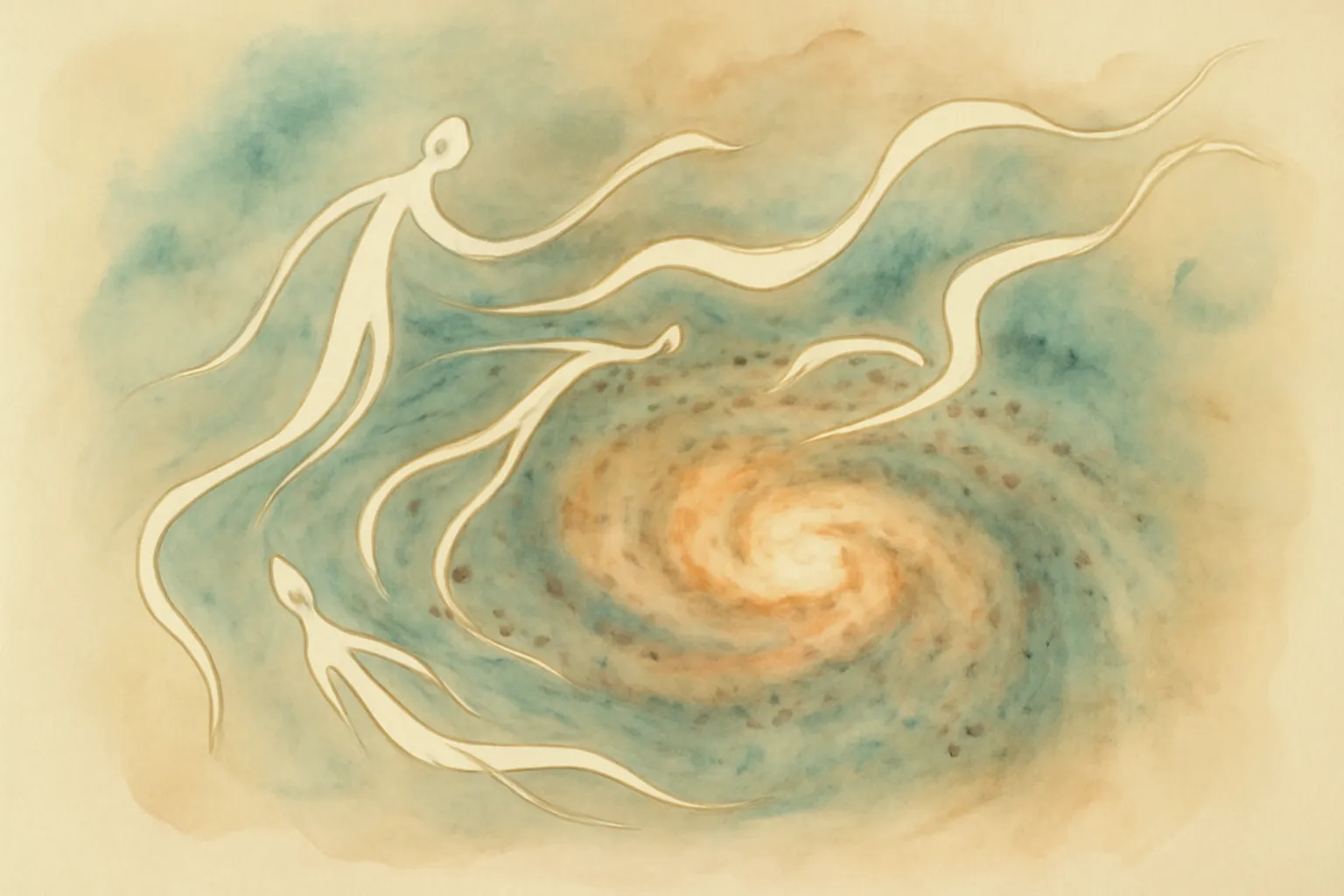
Bergson introduces the concept of 'duration' to explain the qualitative experience of time that differs fundamentally from the quantitative measurement of clock time. Duration reflects the internal, subjective experience of life, where every moment is a continuous flow rather than a series of discrete, static points. This understanding challenges the mechanistic view that reduces life to mere physical processes governed by external laws. Instead, duration emphasizes the richness of lived experiences, where past experiences shape present consciousness and influence future actions, making life a dynamic and evolving process. For example, the way a person reflects on a significant event changes over time as their understanding deepens, revealing how duration transforms memory and perception. This perspective allows for a more nuanced understanding of individuality and personal growth, as each person navigates their unique duration, colored by emotions, memories, and aspirations.
2.Life Beyond Mechanism
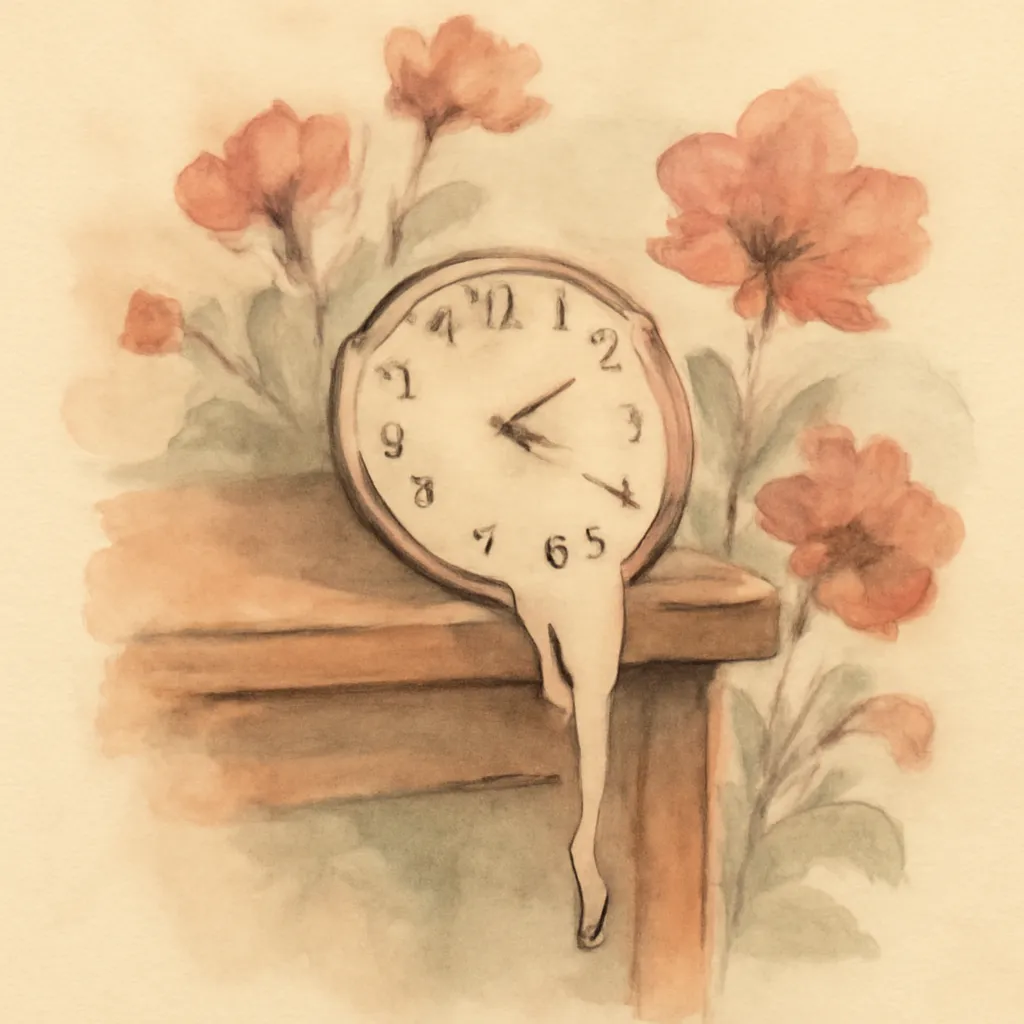
Bergson critiques the mechanistic interpretation of evolution, which views life as a series of mechanical processes governed by physical laws. He argues that this perspective overlooks the creative and dynamic aspects of life. Instead, he posits that evolution is driven by an internal vital impetus that propels organisms toward complexity and adaptation, a force that cannot be reduced to mere mechanics. This vital force is characterized by creativity and spontaneity, suggesting that living beings are not just passive entities shaped by their environments but active participants in their evolution. For example, the emergence of novel traits in a species is not solely a result of environmental pressure but stems from the inherent drive to reach greater complexity. By examining the limitations of a purely mechanistic approach, Bergson invites readers to appreciate the spontaneity and unpredictability of evolution, where life emerges not from rigid laws but from an intrinsic desire to evolve and adapt.
3.The Divergence of Evolutionary Paths
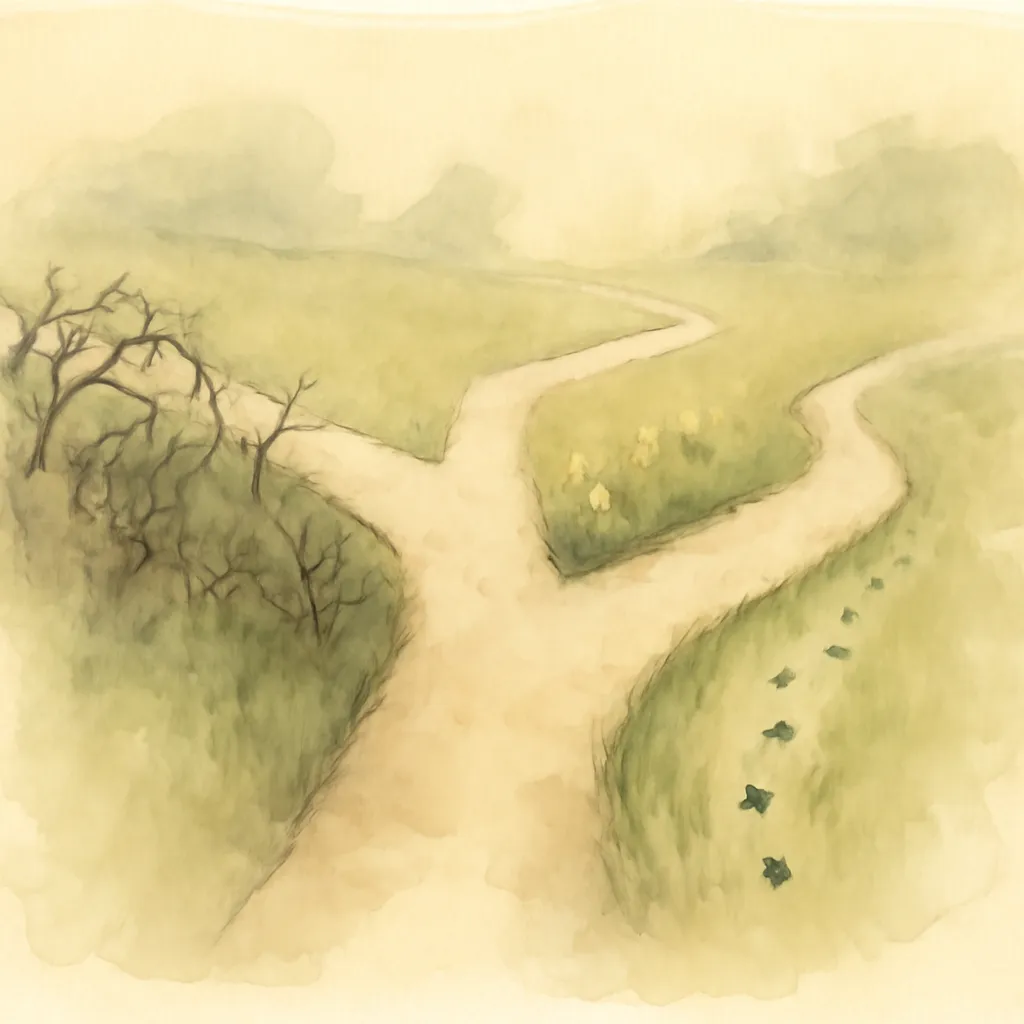
Bergson identifies three primary directions of evolution: torpor, intelligence, and instinct. While torpor represents a more passive existence, intelligence and instinct embody active responses to environmental challenges. Intelligence enables flexible problem-solving, allowing organisms to adapt in novel situations, while instinct provides reliable, automatic reactions shaped by evolutionary history. This framework highlights the complementary roles of intelligence and instinct in survival, illustrating how different strategies can coexist within species. For instance, while instinctual behaviors ensure immediate survival, intelligence enables creatures to navigate complex environments and anticipate future challenges. The interplay between these evolutionary paths enriches our understanding of the adaptive strategies employed by different organisms. Understanding these divergent paths reveals the richness of evolutionary strategies and underscores the importance of both instinctual and intellectual capacities in the survival of species.
4.Instinct and Intelligence: Two Sides of the Same Coin
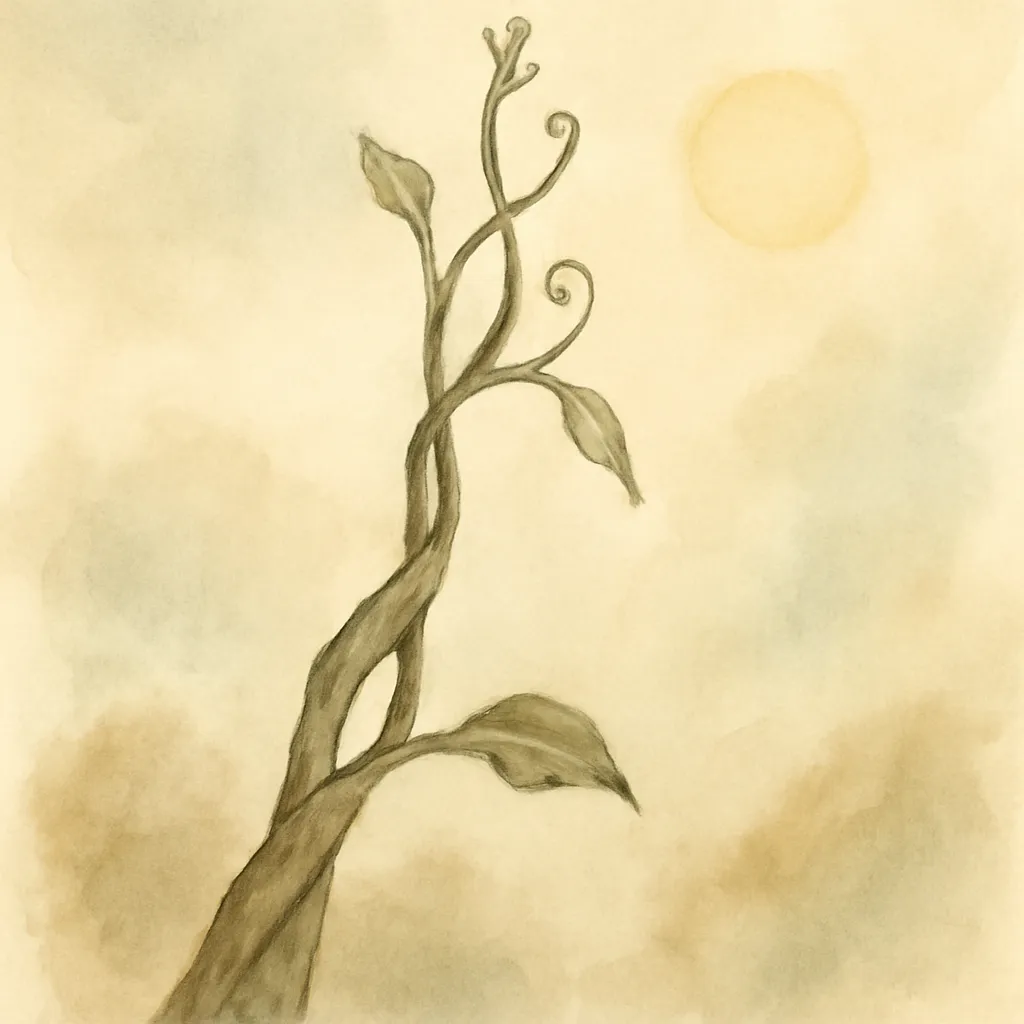
Bergson emphasizes that instinct and intelligence, while distinct, are fundamentally interconnected. Instinct is an inherited, automatic response to environmental stimuli, honed by evolution to ensure survival. In contrast, intelligence is a more flexible and adaptive faculty, allowing for conscious decision-making and problem-solving. However, both are rooted in the same underlying consciousness, which encompasses the totality of life experiences. For example, while an animal may rely on instinct to hunt, it may also employ intelligence to navigate obstacles or find new food sources. This interplay suggests that intelligence does not replace instinct but rather builds upon it. An illustration of this is seen in social animals like wolves, where instinct governs pack behavior, but intelligence is necessary for strategizing during hunts. This understanding emphasizes the importance of both instinctual and intellectual capacities, showcasing how they can influence each other to enhance survival strategies in the animal kingdom.
5.The Interplay of Matter and Life
Bergson proposes that life and matter are deeply intertwined, with each influencing the other in the evolutionary process. He argues that life must adapt to the constraints of the physical world while simultaneously reshaping its environment through creative actions. This reciprocal relationship highlights the idea that life is not simply a product of material conditions but an active force that shapes matter. For instance, the transition from simple organisms to complex life forms illustrates how life evolves by overcoming physical limitations and harnessing the energy of its surroundings. This perspective invites a reconsideration of the relationship between biology and physics; rather than viewing them as separate domains, Bergson encourages an understanding of them as interconnected realms of existence. This interplay emphasizes that the evolutionary process is not merely a matter of survival against physical challenges but a creative endeavor that transforms both biological organisms and their environments.
6.Knowledge as a Creative Process
Bergson explores the relationship between knowledge and the creative evolution of life, proposing that knowledge is not a mere reflection of external reality but a dynamic process shaped by our interactions with the world. This creative aspect of knowledge involves synthesizing experiences, emotions, and insights to form a deeper understanding of existence. For example, the act of learning is not just about absorbing information; it involves actively engaging with and interpreting experiences. This perspective encourages a shift from viewing knowledge as a static collection of facts to understanding it as an evolving process that enriches our experience of life. A practical application of this idea can be seen in the way scientific theories develop over time, as new discoveries challenge and expand our understanding. By recognizing knowledge as a creative endeavor, we can appreciate the fluidity of thought and the potential for growth and transformation.
7.The Illusion of Stability
Bergson critiques the mechanistic illusion that perceives reality in static terms, favoring fixed states over the fluidity of becoming. He argues that our intellectual framework often leads us to reduce dynamic processes to static snapshots, obscuring the true nature of existence. This illusion limits our understanding of reality, as it encourages us to view life as a series of isolated moments rather than a continuous flow. For instance, when observing an evolving organism, we might focus on its current form while neglecting the processes that led to its development. This oversight can lead to a misunderstanding of evolution, as it appears to be a series of completed stages rather than an ongoing process. By recognizing the fallacy of this perspective, we can cultivate a more profound appreciation for the ongoing nature of life and the importance of embracing change as an inherent aspect of existence. Bergson encourages us to see beyond the superficial stability of things and to embrace the underlying currents of change that define reality.
8.The Creation of Reality Through Consciousness
Bergson posits that consciousness plays a crucial role in shaping our perception of reality. Rather than being passive recipients of external stimuli, our conscious experiences actively construct our understanding of the world. This construction is influenced by our memories, emotions, and desires, which intertwine to create a rich tapestry of experience. For example, two individuals may perceive the same event differently based on their unique backgrounds and emotional states, illustrating how consciousness shapes our reality. This idea suggests that reality is not an objective entity but a subjective experience colored by consciousness. By acknowledging this interplay between consciousness and reality, we can better grasp the complexities of human experience and the ways in which our perceptions shape our interactions with the world. This understanding emphasizes that consciousness is not merely an observer of reality but an active participant in its creation.
9.The Role of Creativity in Evolution
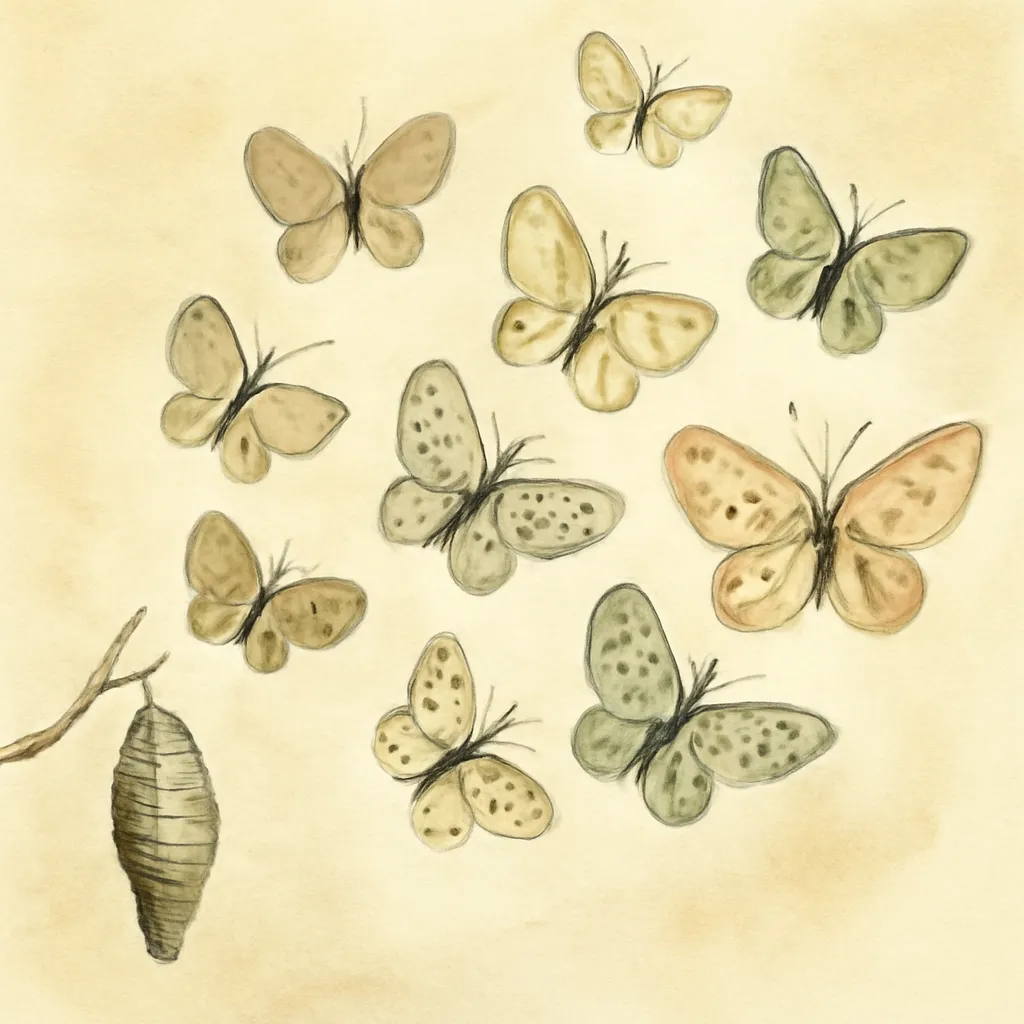
Bergson argues that creativity is central to the evolutionary process, driving the development of new forms and adaptations in response to changing environments. This creative force manifests in the vital impetus that propels life forward, leading to the emergence of novel traits and behaviors. Unlike mechanistic views that emphasize survival of the fittest, Bergson's perspective highlights the importance of innovation and adaptability in evolution. For instance, the development of new feeding strategies or social behaviors can lead to the flourishing of species in diverse ecosystems. By emphasizing creativity as a fundamental aspect of life, Bergson encourages us to appreciate the richness of evolutionary processes and the dynamic interplay between organisms and their environments. This recognition broadens our understanding of evolution from a linear progression to a vibrant tapestry of creative expressions, where each organism contributes uniquely to the biosphere.
10.The Essence of Human Existence

In 'Creative Evolution', Bergson explores the unique position of humanity within the evolutionary framework. He suggests that humans possess a heightened capacity for self-reflection, creativity, and moral reasoning, setting us apart from other species. This self-awareness allows us to engage with the world in a more profound way, as we can contemplate our existence, purpose, and the implications of our actions. However, this awareness also brings challenges, as it necessitates a responsibility toward ourselves and the environment. By recognizing our unique role in the evolutionary process, we can strive for a deeper understanding of our place in the world and the ethical implications of our choices. This exploration of human existence ultimately invites us to embrace our creative potential and contribute positively to the ongoing evolution of life. By doing so, we participate in a larger narrative of evolution, one that acknowledges our responsibilities and our capacity for growth.