1.The Tragic Hero: Cyrano's Complex Nature
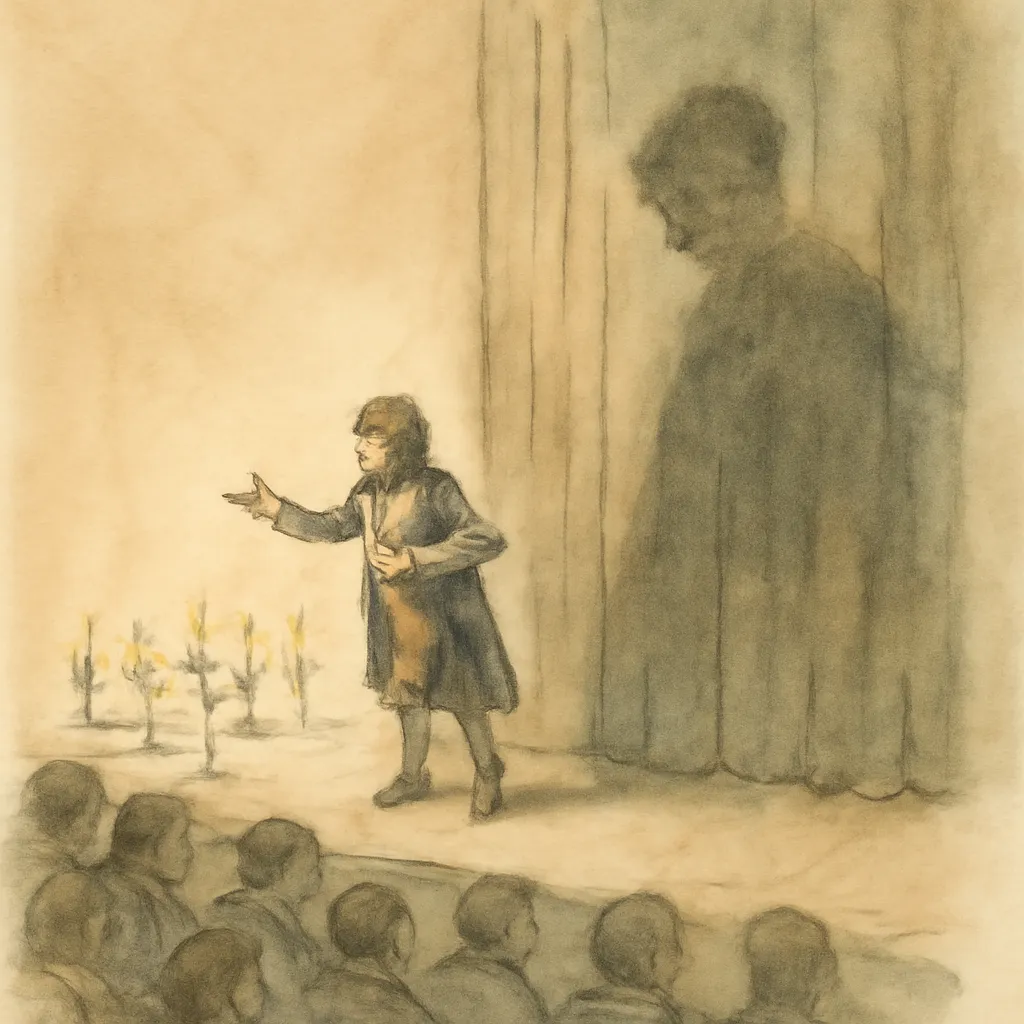
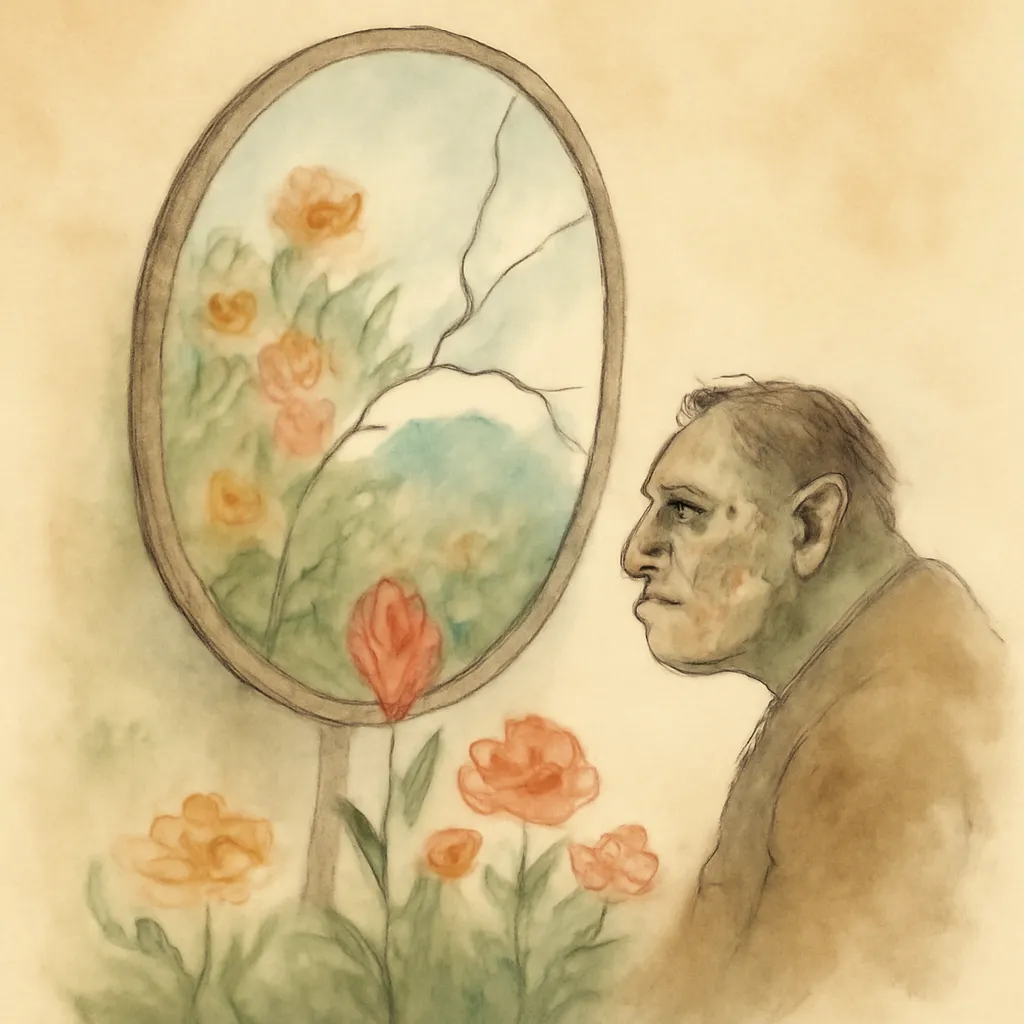
Cyrano de Bergerac is crafted as a quintessential tragic hero, possessing both extraordinary talents and profound flaws. His wit, intelligence, and bravery are evident through his interactions in the bustling theater scene, yet they are overshadowed by his self-loathing due to his physical appearance. Cyrano's large nose becomes a symbol of his insecurities, causing him to believe that he is unworthy of love. This internal conflict drives much of the play's emotional weight. For instance, when he declares, 'Ah! Let the world go burn! She knows I live!' it captures his passionate inner turmoil and deep yearning for recognition and love. His complexity makes him relatable, as many people struggle with their own insecurities, highlighting the universal theme of self-acceptance.
2.The Power of Words: Poetry as a Weapon and Shield
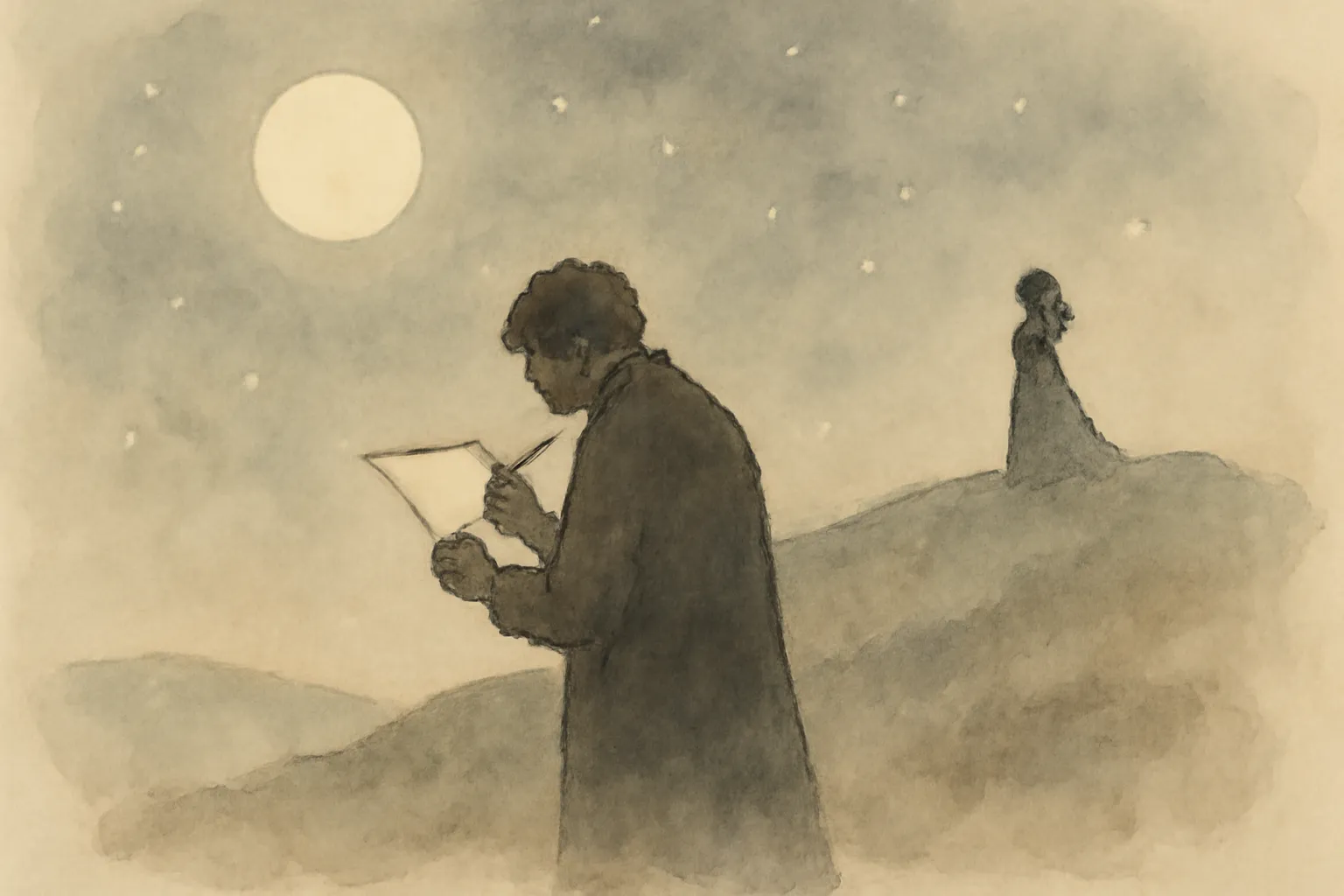
In 'Cyrano de Bergerac,' language serves as both a weapon and a shield, reflecting the dual nature of communication. Cyrano's poetry is his means of expressing his deepest emotions and desires, yet it also becomes a tool for manipulation when he lends his eloquence to Christian. The famous scenes where Cyrano recites passionate love letters to Roxane, while hiding behind Christian's handsome facade, showcase the transformative power of words. They reveal how language can create connections, yet also perpetuate deception. Cyrano's line, 'To work without one thought of gain or fame, to realize that journey to the moon!' emphasizes his belief in the purity of art for art's sake. This duality invites readers to ponder the ethical implications of using language to influence others and the responsibility that comes with it.
3.Unrequited Love: The Heart of the Story
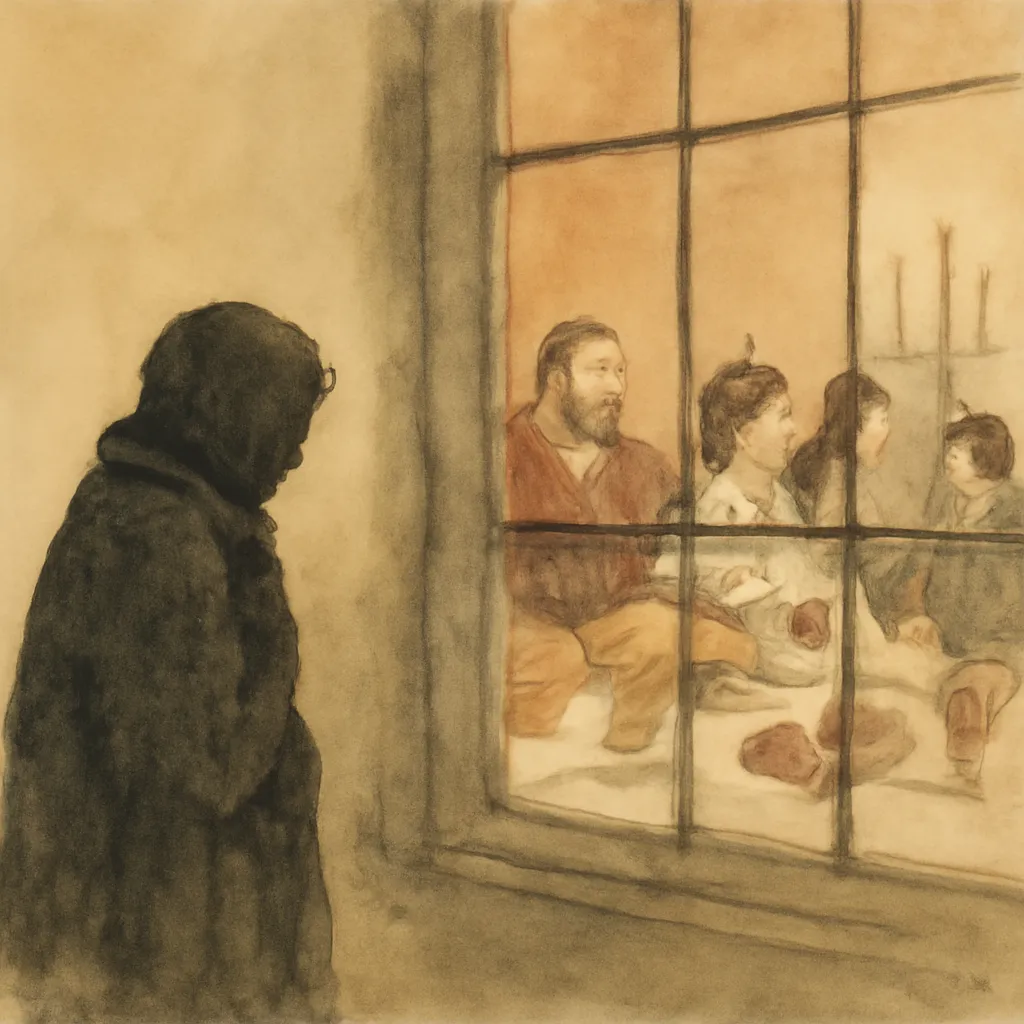
Unrequited love is the central theme that drives the narrative of 'Cyrano de Bergerac.' Cyrano's love for Roxane is sincere and profound, yet he feels unable to reveal his feelings due to his insecurities. This unreciprocated passion creates a poignant tension throughout the play, as Cyrano sacrifices his own happiness for the sake of Christian's pursuit of Roxane. The complexity of love is illustrated when Roxane, oblivious to Cyrano's true feelings, declares her affection for Christian, believing him to be the source of the eloquent letters she receives. The moment Cyrano says, 'I love thee!' while simultaneously hiding behind Christian captures the essence of tragic love—where the heart longs for connection but is stifled by fear and societal expectations. This theme resonates with audiences, illustrating the pain and beauty of love that remains unspoken.
4.The Role of Honor and Valor in Masculinity
Honor and valor are pivotal to the masculine identity portrayed in 'Cyrano de Bergerac.' Cyrano embodies the ideal of a noble warrior-poet, valuing bravery and integrity above all else. His willingness to fight off a hundred men for the sake of a friend underscores his commitment to honor. The line, 'A hundred men? You'll sleep in your own bed!' exemplifies his fierce loyalty and readiness to defend those he cares about. This portrayal of masculinity challenges traditional notions by highlighting the emotional depth and vulnerability of male characters. Cyrano's struggles with his self-image and his fierce protection of Roxane reflect a more nuanced understanding of what it means to be a man in a society that often equates masculinity with physical prowess alone.
5.The Influence of Society and Class
The societal dynamics and class distinctions of 17th-century France play a significant role in shaping the characters' actions and motivations in 'Cyrano de Bergerac.' The play critiques the superficial values of the aristocracy, particularly through characters like De Guiche, who embodies the manipulative and power-hungry elite. His pursuit of Roxane, despite her clear affections for Cyrano and Christian, reflects the societal constraints that dictate relationships based on status rather than genuine connection. This social commentary resonates with modern audiences, as it prompts reflections on how societal expectations can influence personal choices. Cyrano's disdain for the aristocracy's shallow values is evident when he states, 'What! Learn to swallow toads? —With frame aweary climbing stairs?' This disdain reveals his desire to remain true to his principles, even if it means living on the fringes of society.
6.The Irony of Appearance vs. Reality
The theme of appearance versus reality is intricately woven throughout 'Cyrano de Bergerac,' highlighting the disconnect between how characters perceive themselves and how they are perceived by others. Cyrano, despite his physical appearance, possesses a heart full of love and nobility, while Christian, who is outwardly handsome, struggles with expressing genuine emotion. This irony comes to a head when Roxane falls for the words Cyrano speaks through Christian, believing them to be Christian's own. The line, 'Oh! To express one's thoughts with facile grace!' underscores the notion that true beauty lies not in outward appearances but in the authenticity of one's character. This theme invites readers to reflect on their own judgments based on appearances and the deeper truths that often lie beneath the surface.
7.The Tragic Consequences of Deception
Deception serves as a catalyst for the tragic events that unfold in 'Cyrano de Bergerac.' Cyrano's choice to hide behind Christian's charm ultimately leads to misunderstandings that culminate in heartbreak and loss. The deception becomes a double-edged sword; while it allows Cyrano to express his feelings for Roxane, it also prevents her from knowing the man truly worthy of her love. The tragic irony is that Cyrano's sacrifices lead to his own isolation, as he cannot reveal his true self to the woman he loves. His line, 'Coward! But strike me dead if I dare to speak to her!' encapsulates the internal struggle he faces, caught between his love for Roxane and his fears of rejection. This tragic consequence of deception serves as a cautionary tale about the costs of hiding one's true self and the importance of authenticity in relationships.
8.Friendship and Loyalty: The Bonds That Shape Us
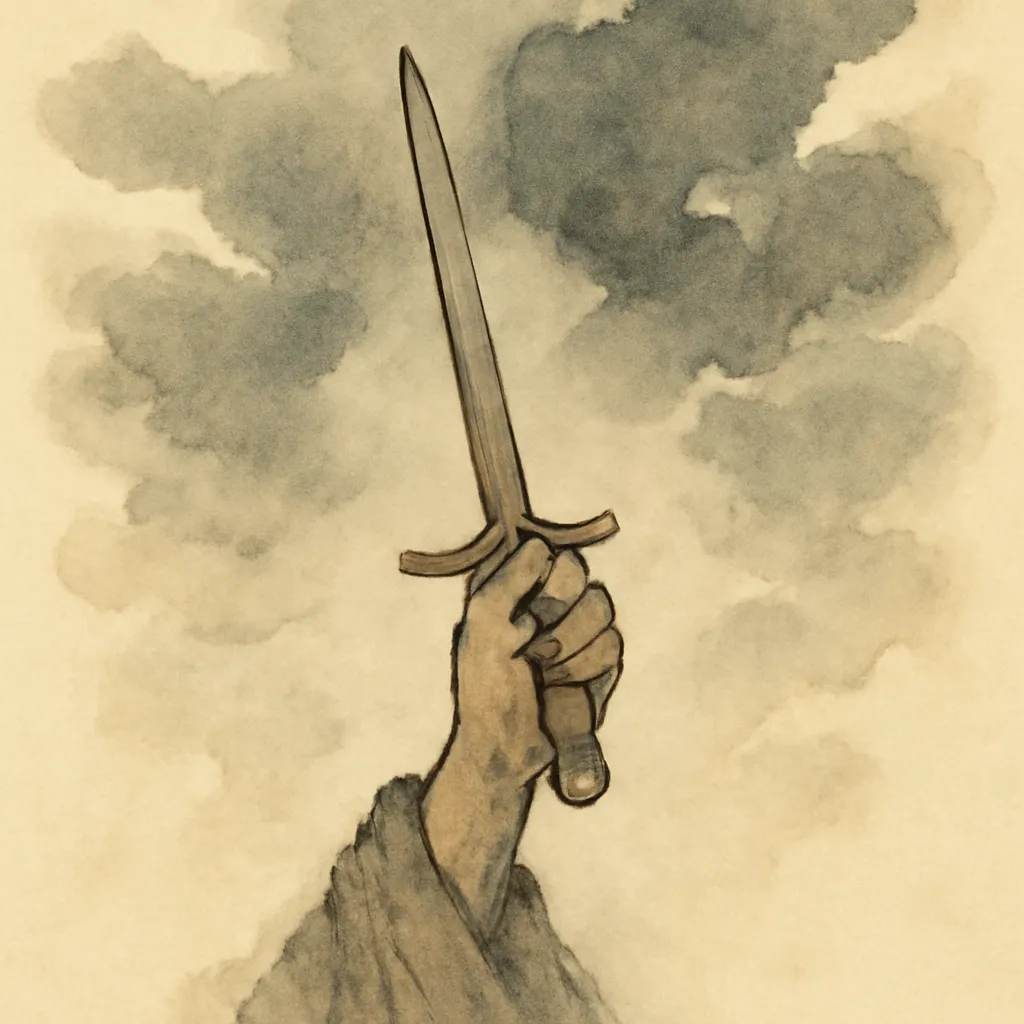
The bonds of friendship and loyalty are central to the narrative of 'Cyrano de Bergerac,' driving the actions of its characters and highlighting the importance of support in times of struggle. Cyrano's unwavering loyalty to Lignière, when he defends him against a hundred men, exemplifies the strength of true friendship. This loyalty is reciprocated throughout the play, as characters rely on one another for support. The camaraderie among the cadets, particularly in their shared experiences and struggles, reinforces the idea that friendship can provide solace amid adversity. Cyrano's interactions with Le Bret, who often serves as his confidant and moral compass, further illustrate the significance of having allies who understand and accept us. The line, 'For an army to attack! —a host! I've ten hearts in my breast; a score of arms,' emphasizes the strength drawn from camaraderie, revealing how friendships can empower individuals to confront their fears and challenges.
9.The Illusion of Love: Romantic Ideals vs. Reality
Cyrano de Bergerac presents a nuanced exploration of love, contrasting romantic ideals with the harsh realities of life. While Cyrano and Roxane's relationship is steeped in poetic beauty, the reality of their circumstances complicates their love. Cyrano's idealization of love is evident in his eloquent speeches, yet he grapples with the painful truth that societal norms and personal insecurities impede genuine connection. The moment Roxane declares her love for Christian, believing him to be the source of Cyrano's eloquence, underscores the disillusionment that can arise from romantic ideals. The play challenges the notion of love as a perfect union, revealing that it often involves sacrifice, misunderstandings, and heartbreak. This exploration prompts readers to reflect on their perceptions of love and the complexities inherent in human relationships.