1.The Absurdity of Social Status
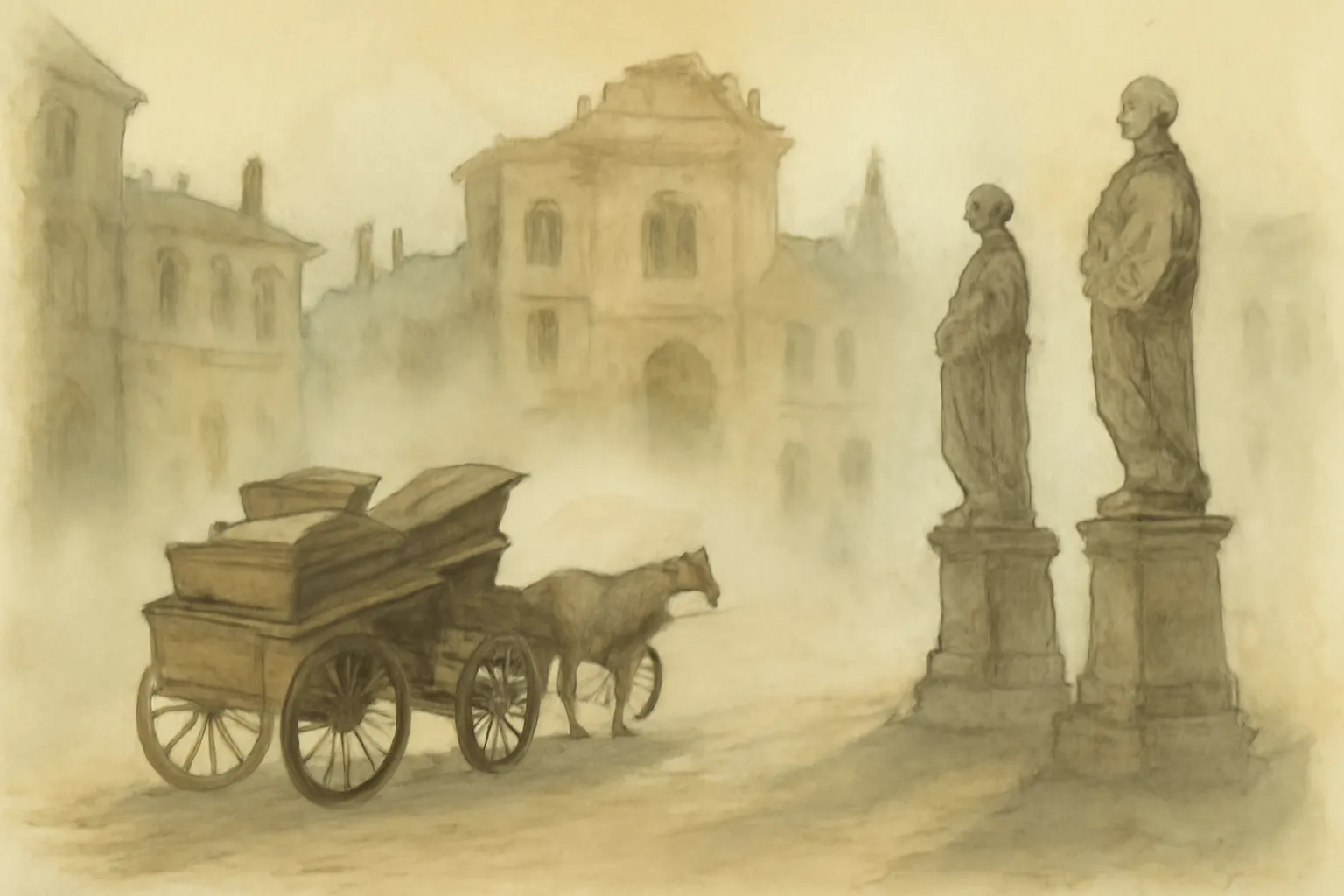
Chichikov's scheme to purchase dead souls is inherently absurd, yet it reflects a deep-seated obsession with social status in Russian society. By acquiring deceased serfs, he aims to inflate his own social standing and financial power, showcasing the lengths to which individuals will go to gain respectability. This absurdity is mirrored in the landowners he meets, who are more concerned with appearances than genuine virtue. Gogol highlights that the pursuit of status often leads to superficial interactions, where people are judged by their wealth and possessions rather than their character. The absurdity culminates in moments where characters engage in ludicrous conversations about honor and integrity, even as they exploit their fellow humans. This critique of social pretensions resonates throughout the narrative, inviting readers to reflect on the nature of status and its impact on human relationships.
2.The Flaws of Bureaucracy
Gogol uses Chichikov's interactions with bureaucrats and landowners to expose the inefficiencies and absurdities of the Russian bureaucratic system. As Chichikov navigates through the layers of red tape, readers witness the nonsensical nature of the procedures that govern land and serfs. Characters like Manilov and Sobakevitch are emblematic of this bureaucracy, embodying both ignorance and self-interest. Their conversations often devolve into meaningless jargon that obscures the reality of their conditions, revealing how bureaucracy can stifle genuine human connection. The novel suggests that this bureaucratic labyrinth not only hinders progress but also dehumanizes individuals, reducing them to mere numbers or 'souls' in a ledger. Through this lens, Gogol critiques a system that prioritizes form over substance, questioning the efficacy of a society governed by such convoluted processes.
3.The Complexity of Human Nature
Chichikov himself is a multifaceted character, embodying both charm and deceit. His motivations are not entirely malevolent; rather, they reflect a desperate desire for acceptance and a better life. Gogol crafts his characters with an intricate blend of humor and tragedy, allowing readers to empathize with their flaws. For instance, while Chichikov's actions may seem unscrupulous, they are rooted in a broader commentary on survival in a corrupt society. Gogol invites readers to grapple with the complexity of human nature, suggesting that individuals often act out of self-interest yet remain capable of moments of genuine emotion and connection. This duality is present in other characters as well, who oscillate between selfishness and vulnerability, creating a rich tapestry of human experience that resonates beyond the confines of the narrative.
4.Satire as a Reflection of Society
Gogol's use of satire is a powerful tool that enables him to critique various aspects of Russian society. Through exaggerated characters and absurd situations, he highlights the moral failings and contradictions of the elite. The humor in 'Dead Souls' is often tinged with a sense of tragedy, as the characters' follies lead to their inevitable downfall. For example, the foolishness of characters like Nozdrev and Plyushkin serves as a mirror reflecting the greed and ignorance prevalent in society. Gogol's satire is not merely for entertainment; it serves as a call to awareness, urging readers to confront the uncomfortable truths about their own lives and the societal structures that shape them. By blending humor with poignant social critique, Gogol ensures that the lessons of 'Dead Souls' resonate deeply and linger long after the final page.
5.The Role of the Peasantry
The portrayal of peasants in 'Dead Souls' underscores their marginalized position within the social hierarchy. Chichikov's desire to purchase dead souls reflects the commodification of human life, reducing individuals to mere property. Gogol presents the peasantry through a lens of empathy, illustrating their struggles and resilience amidst a system that exploits them. Characters like the housekeeper and the peasants themselves are depicted with a depth that evokes sympathy, challenging the reader to reconsider their preconceived notions of class and worth. This focus on the peasantry raises critical questions about agency and identity, as their voices are often silenced or ignored in favor of the wealthy elite. By highlighting the plight of the lower classes, Gogol critiques the social structures that perpetuate inequality and invites readers to advocate for a more just society.
6.The Influence of Romanticism
Gogol's work is steeped in the Romantic tradition, reflecting the era's fascination with individuality, emotion, and the sublime. However, he subverts these ideals by presenting characters who are often trapped by their circumstances and desires. Chichikov's journey is not one of self-discovery in the traditional Romantic sense; instead, it becomes a commentary on the futility of chasing superficial dreams. The landscapes described in the novel evoke a sense of beauty that contrasts sharply with the moral decay of the characters, highlighting the dissonance between idealism and reality. Gogol's use of Romantic elements serves to deepen the reader's engagement with the text, prompting them to reflect on the nature of aspiration and the human condition. By intertwining Romanticism with social critique, Gogol crafts a narrative that resonates on multiple levels.
7.The Unfinished Nature of the Narrative
The unfinished status of 'Dead Souls' adds a layer of complexity to its interpretation. Gogol's decision to leave the work incomplete invites speculation about his intentions and the direction the narrative might have taken. This open-endedness mirrors Chichikov's own journey, which lacks a clear resolution and reflects the uncertainties of life. The abrupt conclusion forces readers to confront the limitations of the characters' pursuits and the societal structures that constrain them. Furthermore, this unfinished quality emphasizes the themes of incompleteness and dissatisfaction that permeate the text. Gogol's choice to leave the narrative unresolved invites readers to engage actively with the text, fostering a sense of curiosity and reflection about the characters' fates and the broader implications of their actions.
8.The Symbolism of 'Dead Souls'
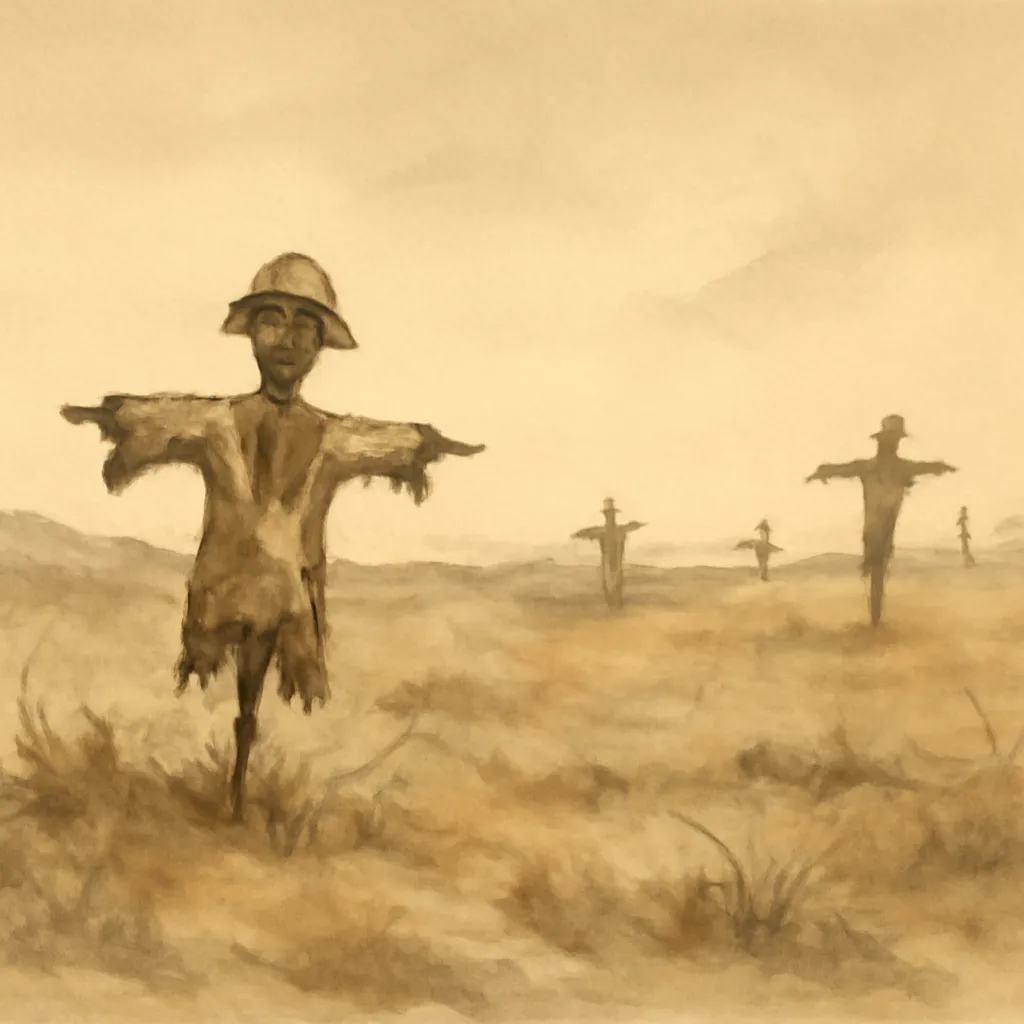
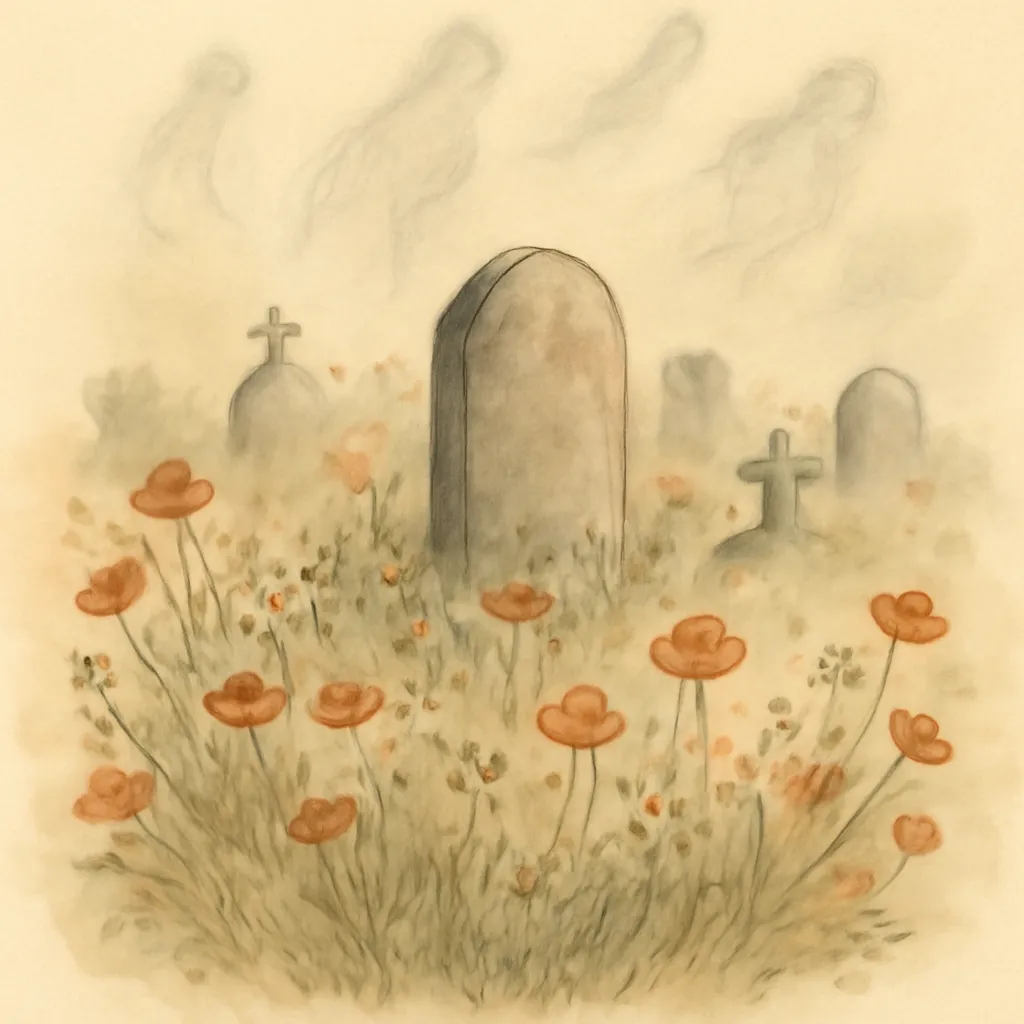
The concept of 'dead souls' serves as a powerful symbol throughout the narrative, representing not just the deceased serfs but also the moral and spiritual emptiness of the characters. Chichikov's pursuit of these souls reflects a deeper quest for identity and meaning in a world that often values material wealth over genuine humanity. The dead souls symbolize the loss of life and vitality within the rigid social structures that govern Russian society, highlighting the disconnection between individuals and their true selves. Gogol uses this symbolism to critique the superficiality of social interactions, suggesting that many individuals are 'dead' in a metaphorical sense, lacking authenticity and depth. This exploration of identity and the human spirit resonates with readers, prompting them to consider the implications of their own lives and the societal expectations that shape them.
9.The Power of Irony
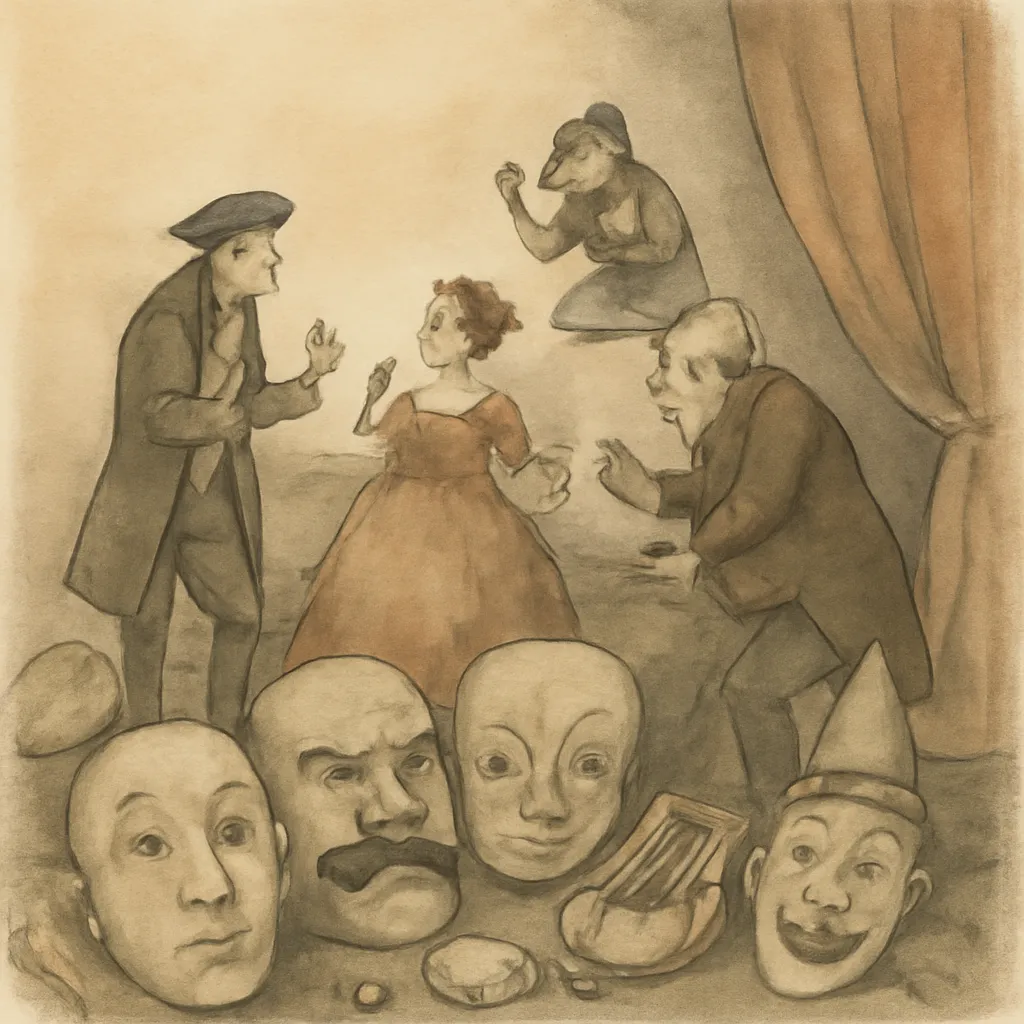
Irony pervades 'Dead Souls,' serving as a crucial narrative device that enhances both the humor and the critique within the text. Gogol employs irony to juxtapose characters' self-perceptions with the reality of their situations, often leading to comedic yet tragic outcomes. For instance, characters like Manilov and Sobakevitch see themselves as respectable landowners, yet their actions reveal a profound moral bankruptcy. This dissonance creates a rich tapestry of irony that invites readers to question the authenticity of the characters’ claims and the societal norms they uphold. Gogol's use of irony extends beyond character interactions; it permeates the very fabric of the narrative, challenging readers to recognize the absurdities of life and the contradictions inherent in human nature. This layered irony not only enhances the reading experience but also deepens the thematic exploration of identity and morality.
10.The Quest for Identity
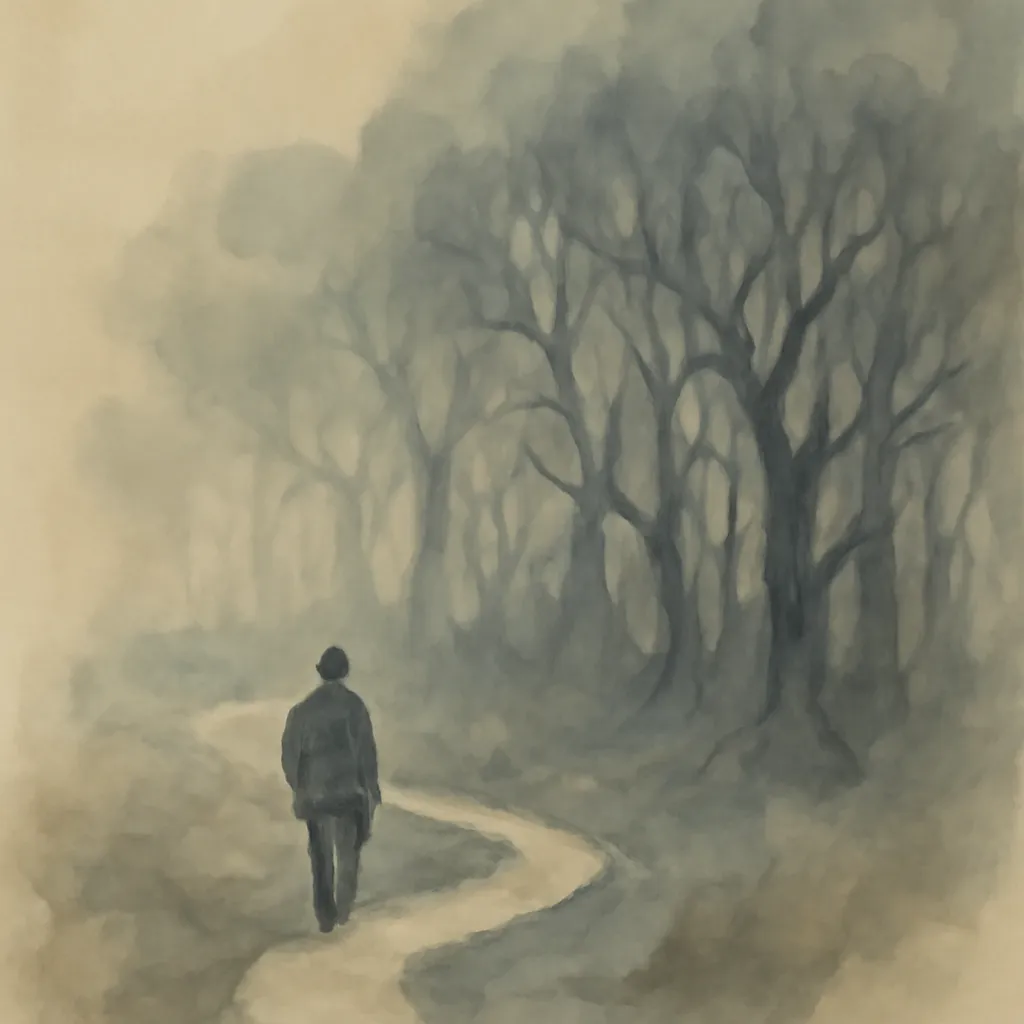
At its core, 'Dead Souls' is a profound exploration of identity and the search for self within the confines of societal expectations. Chichikov's journey is emblematic of the struggle to define oneself in a world where identity is often tied to wealth and social standing. As he interacts with various characters, he grapples with his own sense of self, reflecting the broader existential questions faced by individuals in a rapidly changing society. This quest for identity is complicated by the deceptive nature of appearances, where characters often present façades that mask their true selves. Gogol prompts readers to consider the implications of identity in a world that prioritizes status over authenticity, inviting them to reflect on their own journeys of self-discovery and the societal pressures that shape them. Ultimately, 'Dead Souls' serves as a reminder that true identity transcends material wealth and societal recognition, urging readers to seek deeper connections with themselves and others.