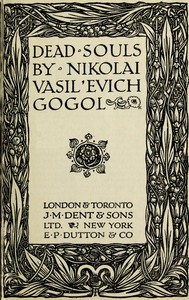

A swindler tours rural Russia buying up dead serfs on paper — a wildly comic, biting portrait of a corrupt society.
Read full overviewShow less›
Set in 19th-century Russia, 'Dead Souls' tells the story of Pavel Ivanovich Chichikov, a man who arrives in a provincial town with a peculiar scheme to purchase deceased serfs, or 'dead souls,' to enhance his social standing and wealth. Through Chichikov's encounters with various landowners, Gogol unveils the moral decay, superficiality, and bureaucratic absurdity of the Russian elite. Readers will find themselves immersed in a world where characters embody the contradictions of humanity, blending humor with tragedy. This unfinished novel not only marks the inception of the Russian literary tradition but also serves as a profound commentary on the human condition, revealing the deeper, often uncomfortable truths about society and self-deception. As Chichikov's journey unfolds, it becomes clear that the pursuit of wealth and status can lead to profound existential questions about identity and morality.
In 'Dead Souls,' Gogol crafts a rich, multifaceted narrative that transcends its time, offering a poignant critique of Russian society while exploring universal themes of identity, morality, and the absurdity of human existence. The characters, with their quirks and flaws, serve as vessels for Gogol's insights into the human condition, inviting readers to reflect on their own lives and societal structures. The novel's blend of humor and tragedy, coupled with its unfinished status, leaves a lasting impression, prompting ongoing discussions about the nature of aspiration, the complexities of social interactions, and the quest for authenticity. Ultimately, 'Dead Souls' remains a foundational work that not only shaped Russian literature but also continues to resonate with readers seeking to understand the intricacies of life and humanity.
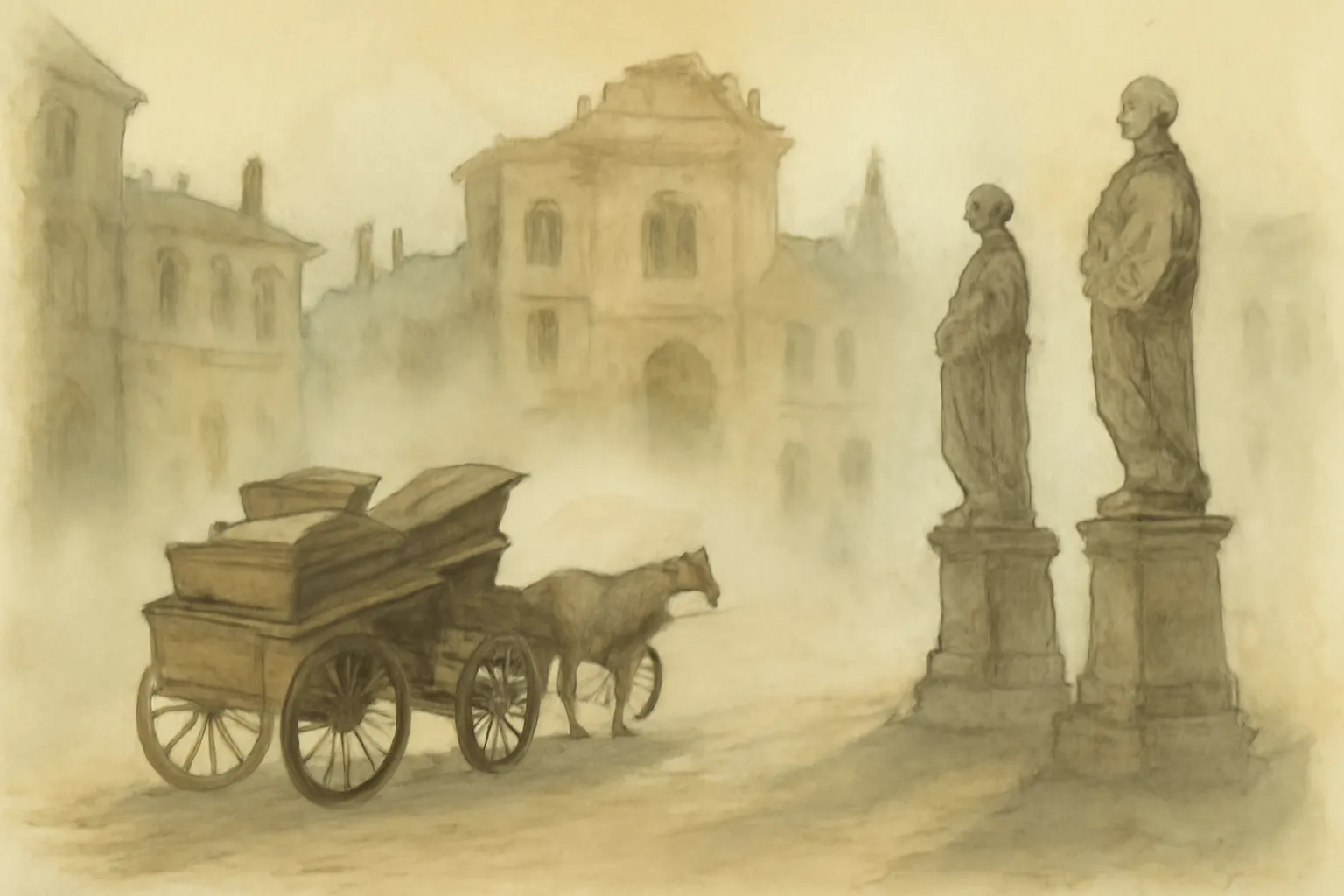
- 1The Absurdity of Social Status
- 2The Flaws of Bureaucracy
- 3The Complexity of Human Nature
- 4Satire as a Reflection of Society
- 5The Role of the Peasantry
A glimpse inside

Chichikov's scheme to purchase dead souls is inherently absurd, yet it reflects a deep-seated obsession with social status in Russian society. Read moreChichikov's scheme to purchase dead souls is inherently absurd, yet it reflects a deep-seated obsession with social status in Russian society. By acquiring deceased serfs, he aims to inflate his own social standing and financial power, showcasing the lengths to which individuals will go to gain respectability. This absurdity is mirrored in the landowners he meets, who are more concerned with appearances than genuine virtue. Gogol highlights that the pursuit of status often leads to superficial interactions, where people are judged by their wealth and possessions rather than their character. The absurdity culminates in moments where characters engage in ludicrous conversations about honor and integrity, even as they exploit their fellow humans. This critique of social pretensions resonates throughout the narrative, inviting readers to reflect on the nature of status and its impact on human relationships. Show less
Gogol uses Chichikov's interactions with bureaucrats and landowners to expose the inefficiencies and absurdities of the Russian bureaucratic system. Read moreGogol uses Chichikov's interactions with bureaucrats and landowners to expose the inefficiencies and absurdities of the Russian bureaucratic system. As Chichikov navigates through the layers of red tape, readers witness the nonsensical nature of the procedures that govern land and serfs. Characters like Manilov and Sobakevitch are emblematic of this bureaucracy, embodying both ignorance and self-interest. Their conversations often devolve into meaningless jargon that obscures the reality of their conditions, revealing how bureaucracy can stifle genuine human connection. The novel suggests that this bureaucratic labyrinth not only hinders progress but also dehumanizes individuals, reducing them to mere numbers or 'souls' in a ledger. Through this lens, Gogol critiques a system that prioritizes form over substance, questioning the efficacy of a society governed by such convoluted processes. Show less
Read the full text — free
About the author
Read Nikolai Gogol's work free on Lumina — the complete text plus an 8-minute summary and key ideas, no account needed.
Frequently asked
Worlds to get lost in
Take Lumina everywhere
Read offline, listen to AI summaries, speed-read, and sync your progress across devices — free on iPhone.
Download for iPhone